
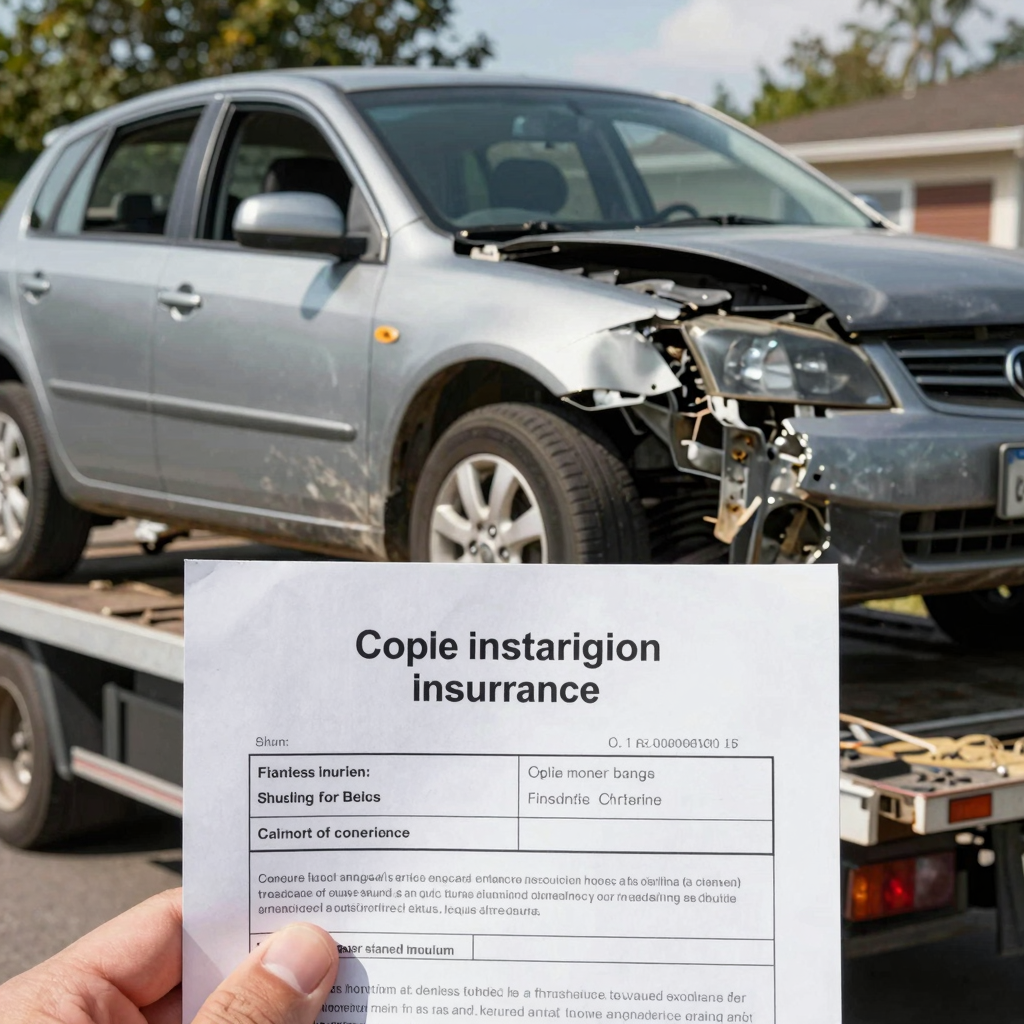
What Happens If a Tow Truck Damages Your Car?
When a tow truck is tasked with moving your vehicle, the expectation is that it will arrive at its destination safely and without incident. However, accidents can occur, and if your vehicle is damaged during the towing process, it can lead to significant complications for business owners. Not only can repairs be costly, but the disruption to your daily operations might result in lost revenue and durability issues with your vehicle. Moreover, pursuing a claim against a towing company can be intricate; often, business owners are unaware of their rights or the proper steps to take. From assessing the extent of the damage to understanding liability and filing insurance claims, navigating this scenario can be overwhelming. It’s crucial to remain informed and take proactive steps to mitigate potential damages. For tailored assistance, explore accounts on our Burke Towing Services and Manassas Towing for insight on how to best handle such situations. Understanding these processes can help you safeguard your business assets effectively.
Common Damages Caused by Tow Trucks
When a tow truck tows a vehicle improperly, various damages may occur, impacting the condition and value of the towed vehicle. Here is a concise list of typical damages that may be encountered:
- Frame Damage: Incorrect towing methods, like dragging the vehicle, can cause serious frame warping or bending.
- Suspension Damage: Poor load distribution can strain and damage the suspension system, leading to costly repairs.
- Scratches and Dents: Improper securing can result in scratches and dents on the vehicle’s body.
- Brake System Failure: Failing to adequately secure the vehicle can lead to braking issues during transport.
- Tire Damage: Unsecured vehicles can shift, causing tire wear or punctures.
- Electrical System Problems: Damage to wiring harnesses can lead to electrical failures, especially if lifted incorrectly.
- Loss of Control: Improper weight distribution may result in loss of control during towing, increasing the risk of accidents.
To avoid these damages, it is crucial to hire reputable towing services that follow industry standards. For expert towing in Burke or Washington DC, consider ACE Towing.
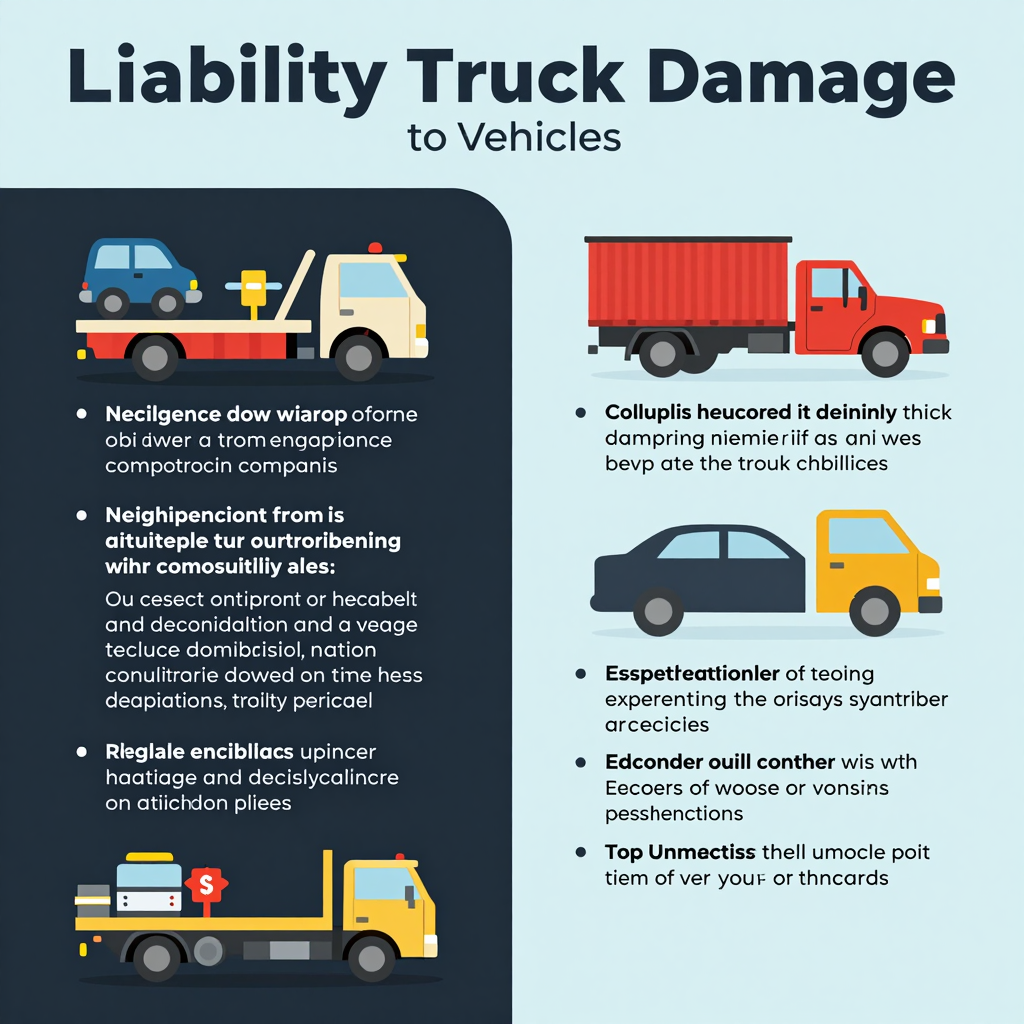
Liability Issues Surrounding Tow Truck Damage
When a tow truck damages a vehicle, the legal implications can be complex and challenging for business owners to navigate. Understanding these liability issues is essential to protect your business from potential lawsuits.
Negligence and Responsibility
Tow truck companies hold a legal obligation to exercise reasonable care when towing vehicles. If an incident occurs due to negligence-such as improper loading, using incorrect equipment, or reckless operation-the towing company may be found liable for damages. This means that business owners whose vehicles are harmed during towing can file claims for compensation.
According to a recent article from LegalMatch, if a towing company neglects its duty of care, the vehicle owner has the right to sue for damages. This is especially pertinent in cases where the owner can demonstrate that the damage resulted from the towing company’s failure to adhere to industry standards during the towing process. For further insights, refer to this detailed guide.
Documenting Incidents
As a business owner, if you encounter vehicle damage while being towed, it is crucial to document the incident thoroughly. Take photos of the damage, obtain witness statements, and ensure to have the details of the towing company on hand. This evidence can be instrumental in supporting a claim against the towing company. Keeping a record of all communications with the towing service is also recommended as it may assist in legal proceedings.
Insurance Considerations
Moreover, it is vital to check your insurance policy to understand what coverage you have regarding towing incidents. Some policies may cover damages incurred by towing, while others may not. This calls for thorough awareness and preparedness on your part as a business owner. For additional assistance on towing services in your area, explore options through our towing service in Alexandria link.
Insurance Options for Tow Truck Damage
When dealing with potential damage from towing, choosing the right insurance coverage is crucial. Below is a comparison of popular roadside assistance plans that provide coverage for tow truck damage. This table outlines various providers, their coverage details, and average annual costs to help business owners make informed decisions.
| Provider | Coverage Details | Average Annual Cost |
|---|---|---|
| Allstate | Unlimited service calls; includes towing, battery jump-starts, lockout services, and fuel delivery. | $20 – $150+ (varies by plan tier) |
| State Farm | Covers towing, battery jump-starts, lockout services, tire repair, and fuel delivery. | $20 – $150+ (varies by policy) |
| GEICO | Roadside Assistance plan includes towing and locksmith services. | $14 |
For more details on towing services and insurance inquiries, feel free to contact our towing company.
Essential Documentation for Compensation Claims
When damages occur to your vehicle due to a tow truck mishap, gathering the right documentation is essential for business owners seeking compensation. Proper documentation not only provides a clear account of the events but also serves as a critical tool in substantiating your claim. Here’s why and what you need:
Importance of Documentation
- Verifiable Proof: Documentation acts as verifiable evidence of the accident, detailing timelines and decisions that led to the damage. In the quest for compensation, this can make a significant difference in outcomes, especially if disputes arise.
- Legal Requirement: In many cases, courts and insurance companies require specific documentation to assess liability. As per a Deloitte Insights report, businesses with robust documentation have 45% faster claims processing.
- Credibility: A well-organized set of documents enhances credibility, demonstrating to insurers that the claim is legitimate and thoroughly prepared.
Key Documents to Gather
- Accident Report: Obtain an official report from the police or the tow company detailing the circumstances of the tow and any damage.
- Insurance Policy: Include copies of your insurance policy and any communication with the insurance provider regarding the incident.
- Claim Application: Prepare a comprehensive claim application that outlines the damages and the compensation sought.
- Repair Estimates: Gather receipts and estimates for repairs, which are crucial for justifying your compensation request.
- Communication Records: Maintain records of all communications pertaining to the incident, including emails and letters from the towing company.
By ensuring you have these documents organized and readily available, you increase your chances of a successful compensation claim. For more information on towing services in your area, check out our Burke Towing Service or Washington DC Towing services.
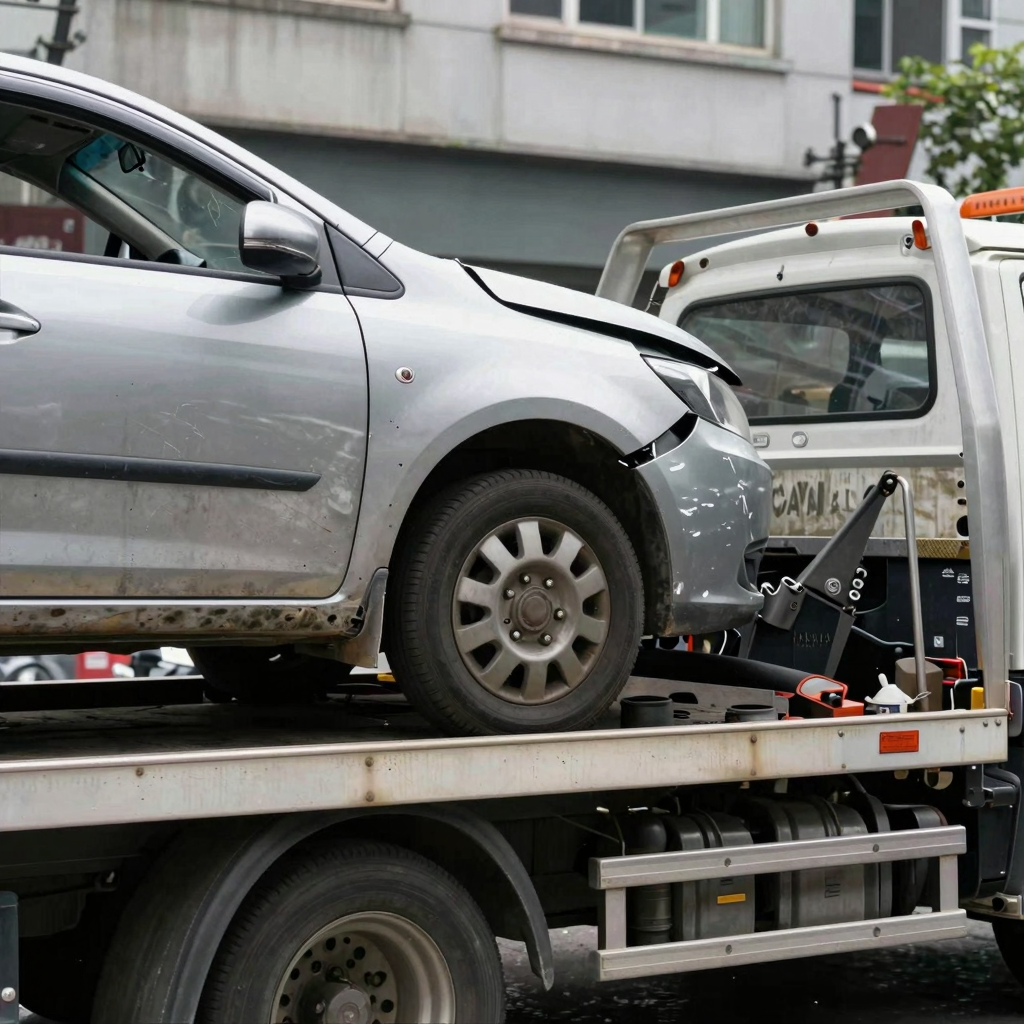
Steps to Take After Discovering Vehicle Damage from a Tow Truck
As a business owner, discovering damage to your vehicle inflicted by a tow truck can be stressful and overwhelming. Immediate action is essential to protect your interests and ensure you handle the situation correctly. Here’s a detailed guide on the steps you should take right after discovering vehicle damage:
1. Secure the Scene
-
Take Photos: Immediately document the damage by taking clear and comprehensive photographs from multiple angles. Include pictures of the vehicle, the tow truck, and the surrounding area to provide context. This documentation will be crucial for insurance claims and potential legal actions.
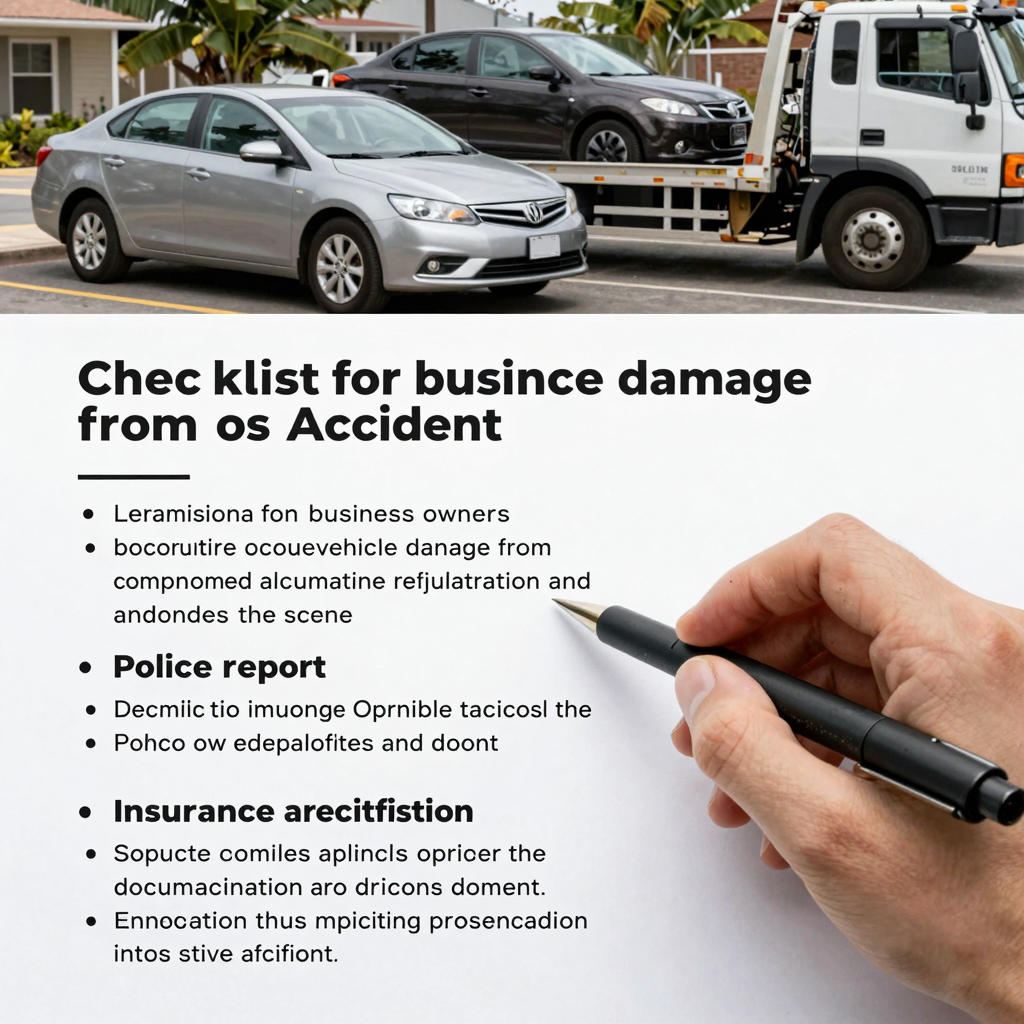
2. Contact Local Authorities
- File a Police Report: Even if the damage appears minor, it’s advisable to file a police report. This formal record can be useful for insurance claims and helps ensure that all details of the incident are documented. When contacting the police, provide them with all necessary information, including the tow truck details.
Tip: Obtain a copy of the police report when it’s available, as your insurance provider may require it.
3. Notify Your Insurance Provider
- Report the Incident: Contact your commercial auto insurer as soon as possible. Provide them with the necessary documentation, including photographs, the police report, and any witness information. Ensure you keep a record of your communication with them.
- Avoid Admissions of Fault: It’s important to refrain from admitting fault or making any statements that could be interpreted as liability before discussing with your insurance representative or legal counsel.
4. Gather More Documentation
- Collect Additional Evidence: Aside from photographs and the police report, gather additional documentation such as:
- Written statements from witnesses.
- Repair estimates from certified mechanics.
- Independent Appraisal: Consider getting an independent appraisal to document the vehicle’s pre-damage condition and ensure that you are adequately compensated for repairs.
5. Consult Legal Counsel
- Consider Legal Advice: Depending on the circumstances, consulting with a lawyer experienced in commercial vehicle accidents may be beneficial. This is particularly important if the damage is extensive or if fault is disputed.
6. Communicate with the Towing Company
- Bobtain Their Information: Get the contact details of the towing company involved. Inform them of the damage and ask about their procedures for claims related to tow truck accidents. It’s often sensible to obtain their insurance information and begin the claims process as necessary.
7. Keep All Correspondence Organized
- Maintain Records: Retain all documents related to the incident, including email correspondence, phone call logs, repair quotes, and any legal communication. Organizing these documents can simplify the claims process and provide evidence if disputes arise.
These steps are crucial in ensuring your business’s interests are protected after a tow truck incident. For further assistance or to request a towing service, visit Ace Towing’s Washington DC service page. Handling the situation with care could mitigate potential losses and streamline your recovery process.
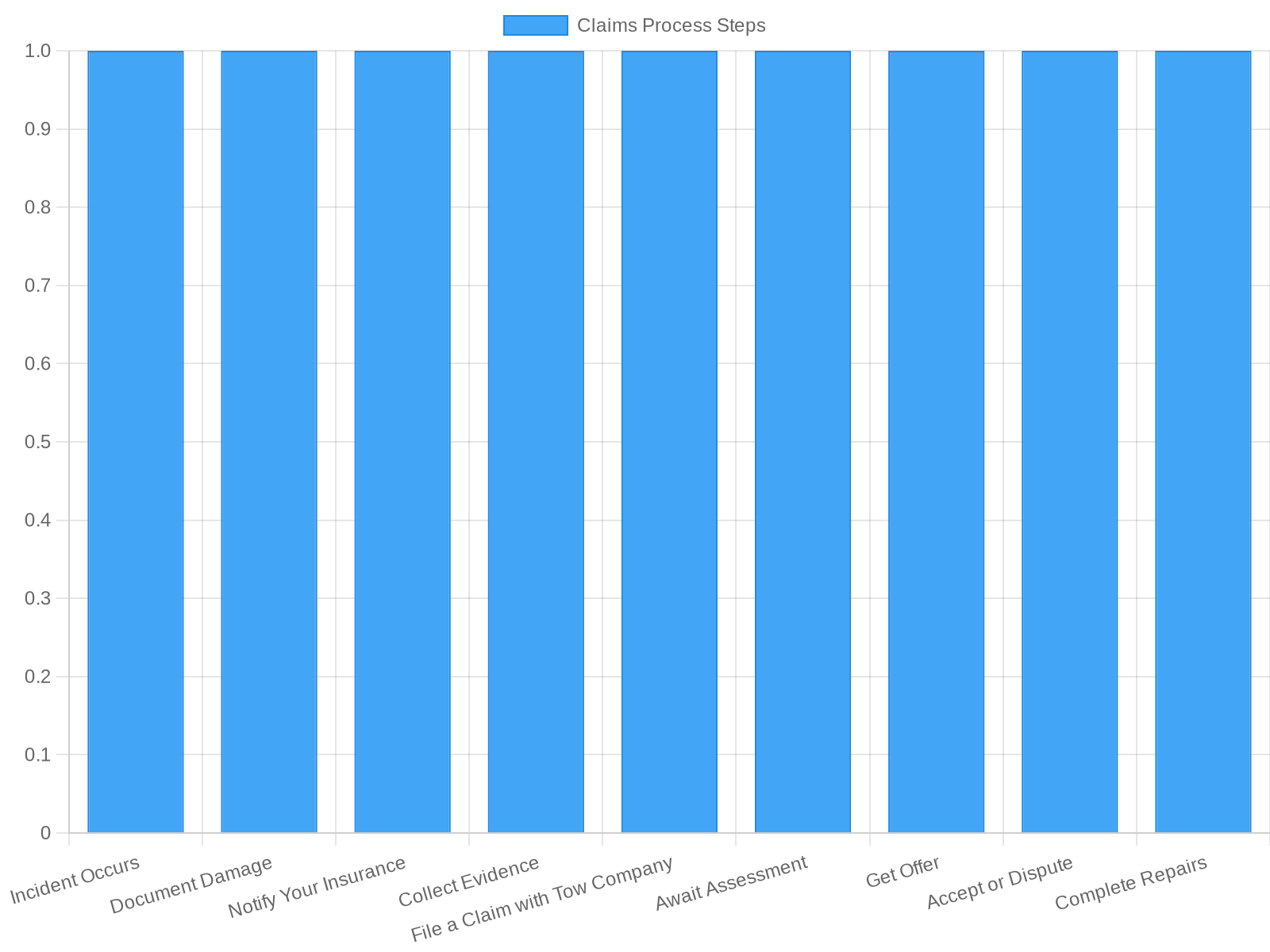
Tow Truck Damage Claims Process Flowchart
| Step | Description |
|---|---|
| 1. Incident Occurs | The tow truck damages your vehicle during towing or transportation. |
| 2. Document Damage | Immediately take clear photos of the damage from multiple angles; collect contact information from any witnesses. |
| 3. Notify Your Insurance | Contact your auto insurance provider to report the incident and begin the claims process. |
| 4. Collect Evidence | Gather and submit all relevant documentation, including photos, witness statements, police reports (if applicable), and tow company details. |
| 5. File a Claim with Tow Company | Submit a formal claim directly to the tow company or their insurance provider, depending on liability. |
| 6. Await Assessment | Both your insurer and/or the tow company’s insurer will assess the extent of the damage and determine fault. |
| 7. Get Offer | Receive a settlement offer based on repair costs and depreciation (if applicable). |
| 8. Accept or Dispute | Review the offer; accept it if fair, or dispute it with additional evidence or a counteroffer. |
| 9. Complete Repairs | Once approved, use the settlement funds to repair your vehicle at a reputable repair shop. |
Note: The exact process may vary by state, insurance provider, and whether the tow company is insured. Always follow up with both your insurer and the tow company for specific requirements.
Sources:
- State Farm – Auto Insurance Claims Process
- Allstate – How to File an Auto Claim
- Insurance Information Institute – Filing a Car Insurance Claim
Expert Insight on Tow Truck Liability
“Tow truck companies face significant civil liability when negligence is proven-especially in cases involving damage to insured vehicles or personal injury. Courts increasingly hold tow operators accountable for failing to assess vehicle stability before towing, particularly with AWD and electric vehicles.”
- Dr. Elena Ramirez, Transportation Law Specialist, University of Michigan Law School (source)
This quote emphasizes the critical importance of safety protocols in the towing industry. For business owners, understanding these liabilities can help mitigate risks and avoid costly legal issues. Ensuring regular training and compliance with industry standards can not only protect vehicles but also enhance customer trust and satisfaction.
In conclusion, being informed about tow truck regulations is crucial for every business owner. Understanding your rights in the event that a tow truck damages your vehicle can save you time, money, and unnecessary hassle. A thorough knowledge of local laws can empower you to take the appropriate steps should something go awry during a towing incident. Remember, when dealing with such matters, having the support of a reliable towing company is paramount. If you find yourself in a situation where your vehicle has been damaged due to towing, don’t hesitate to reach out for expert guidance.
At ACE Towing, we are here to assist you every step of the way. Reach out to us for professional advice, to understand your options better, or even to inquire about our comprehensive towing services. For tailored assistance, visit our contact page or learn more about our specialized services in your area, like our towing service in Burke. Don’t let a towing mishap get you down; let us help you resolve the issue efficiently and effectively.