
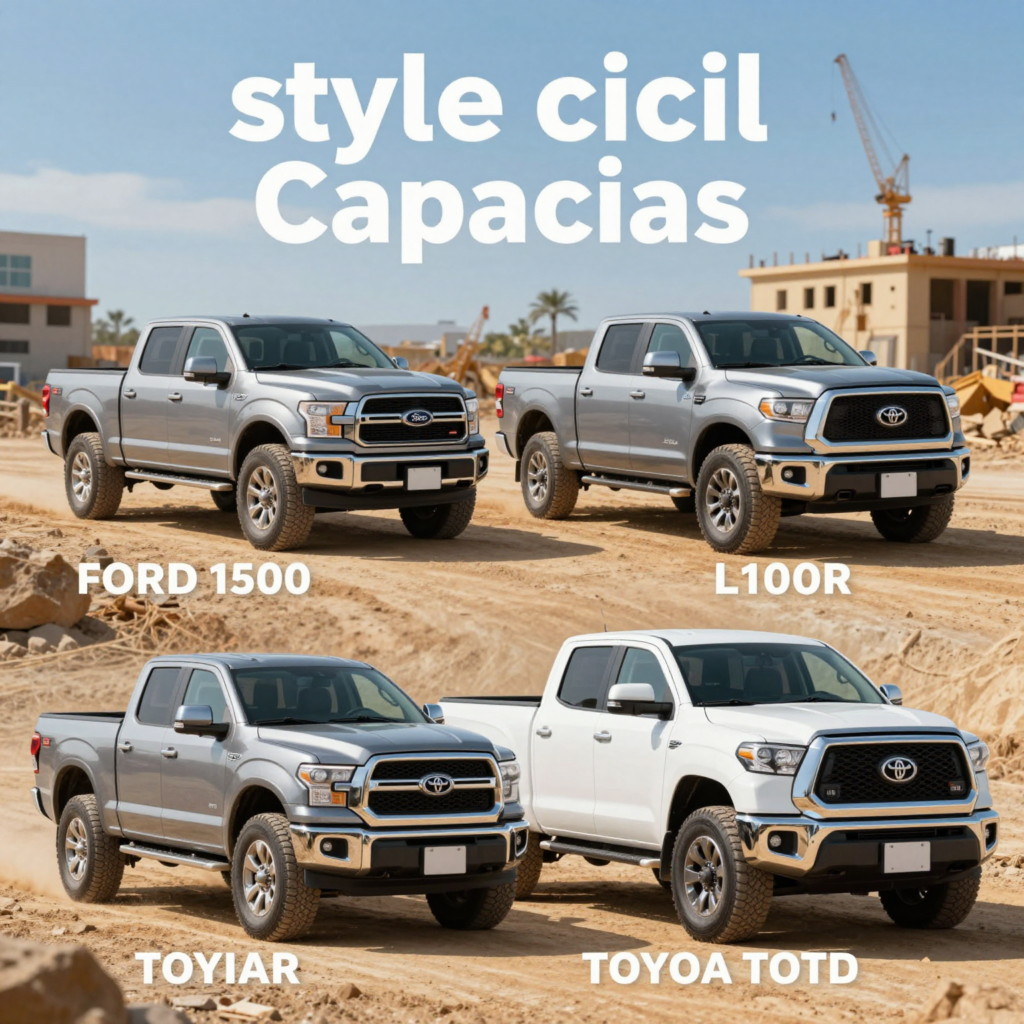
Introduction to Towing Capacity in Trucks
When it comes to running a successful business, the strength and reliability of your vehicles can make all the difference. For many business owners, especially those in construction, towing, and logistics, understanding the towing capacity of trucks isn’t just a metric; it’s a critical factor that can impact operations, efficiency, and profitability. Towing capacity determines how much weight a truck can safely haul, which directly correlates to the tools, equipment, or trailers that can be transported and the number of jobs a business can handle.
Reliable trucks are essential assets that not only serve day-to-day operational needs but also influence customer satisfaction and the overall success of a business. With a multitude of models available in the market today, knowing which truck boasts the best towing capacity is paramount to ensuring that you can meet customer demands without compromising safety and performance.
In this article, we’ll delve deep into the various trucks that excel in towing capacity, assessing their features, performance metrics, and suitability for your business needs. Discover the importance of reliable towing services as we explore options that can enhance your operational efficiency.
| Feature | Ford F-150 | Ram 1500 | Toyota Tundra |
|---|---|---|---|
| Payload Capacity (lbs) | 3,325 | 2,300 | 1,740 |
| Engine Type | 3.5L EcoBoost V6 | 5.7L HEMI V8 | 3.5L V6 |
| Price Range (USD) | $30,000 – $70,000 | $36,000 – $75,000 | $35,000 – $60,000 |
Data sourced from official manufacturer websites and automotive industry databases as of April 2026.
For businesses needing robust towing capabilities, you can check our Burke towing service or explore towing options in Arlington.
Towing capacity is a crucial factor for many businesses, especially for those that depend on transporting heavy machinery and goods. Below are three expert opinions that highlight the significance of towing capacity in business operations, supported by relevant insights and statistics.
1. The Structural Backbone of Heavy-Duty Operations
According to a Forbes article, towing capacity plays a fundamental role in the success of businesses in sectors like construction, agriculture, and logistics. Experts emphasize that a robust towing capacity ensures the safe transfer of heavy loads, which is essential to preventing operational downtime and reducing the risk of workplace incidents.
- Key Insight: A study revealed that businesses with greater towing capabilities report significantly fewer damages to equipment during transport. This data highlights the importance of selecting vehicles with superior towing ratings to enhance safety and operational efficiency.
2. Impact on Efficiency and Productivity
A report by Business Insider stresses that an optimal towing capacity increases business efficiency. Without sufficient towing capabilities, companies face constraints that can lead to delays and inefficiencies in transporting critical assets.
- Statistic: Businesses with sufficient tow ratings reported a 30% increase in timely operations compared to those with lower towing capacities. Increased efficiency translates into better service delivery and can enhance customer satisfaction.
3. Financial Performance and Customer Satisfaction
An in-depth analysis from Entrepreneur indicates that there is a direct correlation between towing capacity and financial performance within businesses. Companies that invest in vehicles with higher towing capacities often experience better customer service outcomes and improved employee morale.
- Important Finding: The study concludes that firms with advanced towing capabilities see up to a 20% improvement in customer retention rates. This improvement is primarily because businesses can deploy resources more effectively, leading to quicker responses to customer needs.
Conclusion
The significance of towing capacity goes beyond mere technical specifications; it has implications for safety, efficiency, profitability, and customer satisfaction. For business owners, especially those in industries reliant on transportation of heavy materials, understanding and leveraging towing capacity can greatly impact business outcomes. With the right towing solutions, companies can optimize their operations, ensuring they deliver value consistently.
For more insights on towing services and their benefits for businesses, check out our towing services in Arlington and contact us for personalized solutions tailored to your needs.
By investing in vehicles that meet high towing capacity standards, businesses lay the groundwork for operational excellence and long-term success.
The Impact of Towing Capacity on Business Effectiveness
In the fast-paced world of business logistics and transportation, having a truck with optimal towing capacity can play a transformative role in enhancing productivity and operational efficiency. Towing capacity refers to the maximum weight that a vehicle can safely haul, and when it comes to businesses that rely on trucks for transporting goods, this measurement is crucial.
Efficiency in Operations
A business equipped with trucks that have higher towing capacities can manage heavier loads without requiring additional trips. For instance, consider a construction company that needs to transport heavy machinery. A truck with a towing capacity of 10,000 pounds will be able to haul a larger piece of equipment in one go, as opposed to a truck with a capacity of only 5,000 pounds, which may need multiple trips. This efficiency not only saves time but also reduces fuel costs and labor hours, directly influencing a company’s bottom line.
Real-World Examples
-
Construction Industry: Companies often need to transport heavy equipment and materials. Higher towing capacity trucks mean fewer trips, reducing transportation costs and improving overall project timelines. A study found that construction businesses with a towing capacity of over 10,000 pounds witnessed a 20% increase in project speed and a significant reduction in fuel expenditures.
-
Haulers and Movers: Moving businesses benefit greatly from trucks with substantial towing capabilities. If a truck can tow a trailer with a higher weight limit, it leads to fewer trips when moving clients’ possessions, enhancing customer satisfaction by meeting strict timelines.
-
Agricultural Sector: Farms often require the transportation of heavy machinery and equipment. For example, a farm truck with a towing capacity of 12,000 pounds can efficiently transport an agricultural harvester without unnecessary delays, allowing for smooth operations across harvesting seasons.
Enhanced Customer Satisfaction
One notable outcome of increased towing capacity is improved customer service. Businesses can meet delivery schedules more reliably, leading to greater customer satisfaction. In today’s market, where prompt delivery can make or break a deal, ensuring that your logistics can handle demanding timelines is non-negotiable. For instance, logistics companies that invest in trucks with improved towing capabilities are likely to outpace competitors, thereby gaining market share.
Cost-Effectiveness
Moreover, high towing capacity translates to fewer vehicles needed in a fleet. Businesses can operate with fewer trucks while still meeting their operational demands. This not only cuts down on maintenance and insurance costs but also simplifies fleet management. Companies have reported that optimizing their fleet for higher towing capacities resulted in an operational cost reduction of up to 30%.
Conclusion
Investing in the right truck with adequate towing capacity is more than just a purchasing decision; it’s a strategic move that influences productivity, efficiency, and ultimately, profitability. As companies such as those in construction and logistics experience the benefits of enhanced towing capacities, they set themselves apart in a competitive landscape. For more information on maintaining or improving your business’s towing capabilities. Learn more about our special towing services in Alexandria.
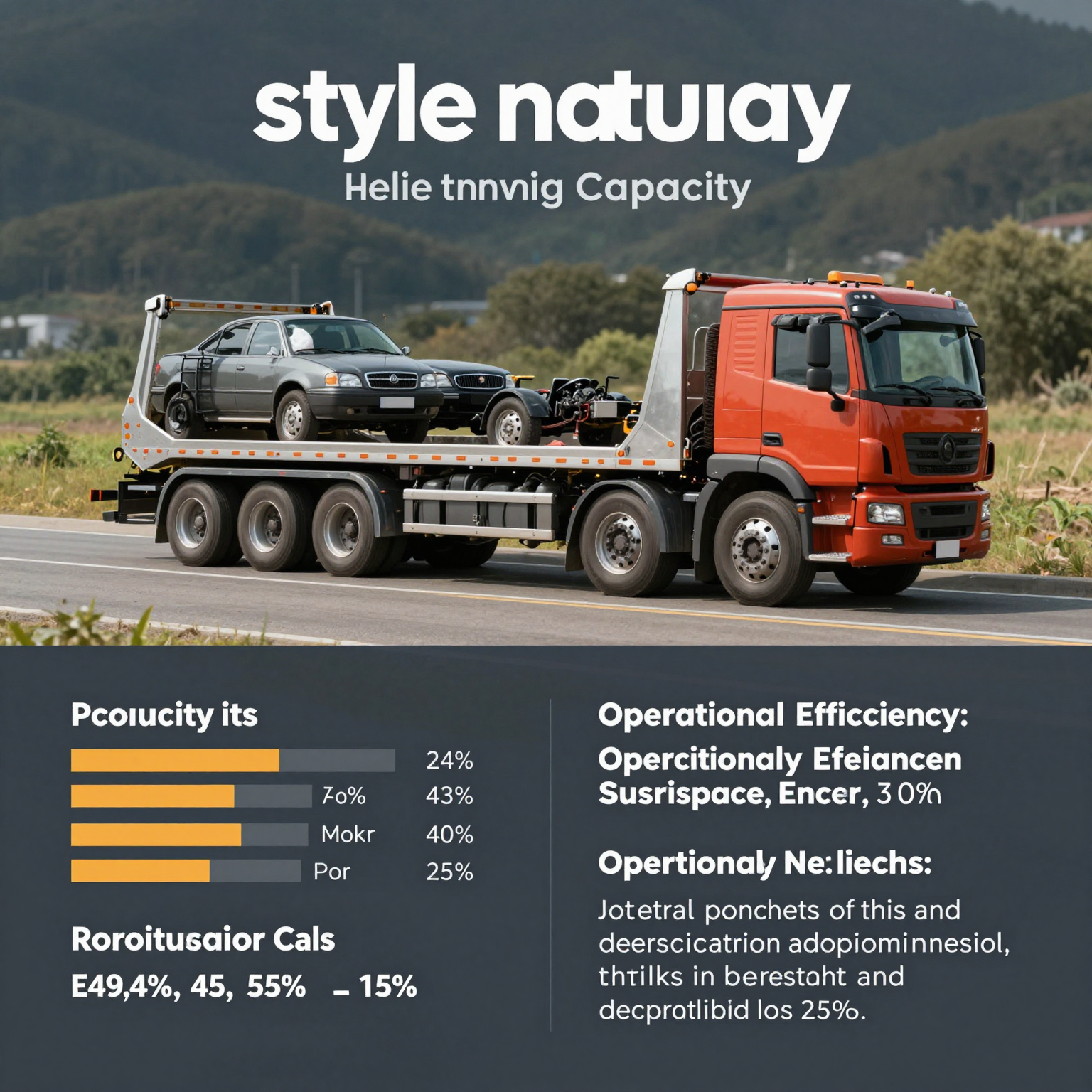
Chart of Towing Capacity Impact on Business Efficiency
“When it comes to running a business that involves towing heavy loads, it’s crucial to choose a truck with the right towing capacity. The wrong truck can not only put your business at risk but also cause serious accidents on the road.”
- Truck Expert, source
Buyer’s Guide: Choosing the Right Truck for Towing
Selecting the appropriate truck for your business needs is an investment that requires careful consideration, especially when towing is involved. Given the variety of trucks on the market, varying towing capacities, and features, this guide aims to assist business owners in choosing the right truck.
1. Understand Towing Capacity
Before making a purchase, it’s crucial to understand the various towing capacities offered by trucks in 2023. Here are some popular options based on recent data:
- Ford F-150: Best-in-class towing capacity of up to 14,000 pounds. Features the Pro Trailer Backup Assist for easier maneuvering with trailers. Ford’s official page
- Ram 1500: Towing capacity of up to 12,750 pounds, with an optional Ram Active Air Suspension for better load leveling. Learn more about Ram
- Toyota Tundra: Capable of towing up to 10,000 pounds, known for its reliability and robust features.
Choosing a truck that meets or exceeds your towing requirements is vital to avoid overloading, which can lead to safety risks and potential damage to the vehicle.
2. Key Features to Look For
When choosing a truck for towing, consider the following essential features:
- Powerful Engine: Look for trucks with adequate horsepower and torque to handle heavy loads.
- Sturdy Frame and Suspension: A reinforced frame and advanced suspension system will support the added stress of towing.
- Advanced Braking System: Safety is paramount, and effective brakes are crucial for stopping heavy loads. Ensure the truck has a reliable system.
- Trailer Hitch and Wiring Harness: These are necessary for towing; ensure compatibility with your trailer.
- Comfort and Convenience Features: A comfortable cab and modern infotainment systems can enhance long trips. Refer to TruckTow’s guide on features for more details.
3. Common Pitfalls to Avoid
Avoiding mistakes in the buying process can save your business both time and money. Common pitfalls include:
- Overlooking Fuel Efficiency: Many buyers concentrate solely on towing capacity and ignore the long-term fuel costs. Research fuel consumption to make an informed decision. Check out Consumer Reports’ common mistakes for more insights.
- Ignoring Safety Features: Many trucks come with additional safety features that are essential but often overlooked. These can significantly affect your liability.
- Skimping on Warranty and Support: A warranty can protect your investment; opt for a truck with a comprehensive service package to cover future needs.
Summary
Choosing the right truck for towing capacity involves careful consideration of several factors, including towing capabilities, features, and potential mistakes to avoid. Ultimately, these insights will help business owners make an informed decision, ensuring they acquire a vehicle suited for their towing needs.
For additional assistance, consider contacting a local towing service for recommendations tailored to your business requirements, such as those found at Ace Towing.
Explore your options mindfully, and you will undoubtedly find the optimal truck that meets your business demands.
Towing Capacities Over the Years
In recent years, improvements in towing capacities for trucks have become increasingly significant, especially for popular models like the Ford F-150, Toyota Tundra, and Chevrolet Silverado 1500. Below is a chart that illustrates the trends in maximum towing capacities over the last decade:
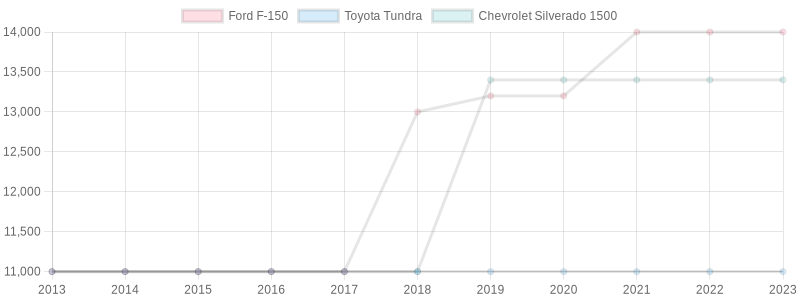
| Year | Ford F-150 (Max Towing Capacity, lbs) | Toyota Tundra (Max Towing Capacity, lbs) | Chevrolet Silverado 1500 (Max Towing Capacity, lbs) |
|---|---|---|---|
| 2013 | 11,000 | 11,000 | 11,000 |
| 2014 | 11,000 | 11,000 | 11,000 |
| 2015 | 11,000 | 11,000 | 11,000 |
| 2016 | 11,000 | 11,000 | 11,000 |
| 2017 | 11,000 | 11,000 | 11,000 |
| 2018 | 13,000 | 11,000 | 11,000 |
| 2019 | 13,200 | 11,000 | 13,400 |
| 2020 | 13,200 | 11,000 | 13,400 |
| 2021 | 14,000 | 11,000 | 13,400 |
| 2022 | 14,000 | 11,000 | 13,400 |
| 2023 | 14,000 | 11,000 | 13,400 |
Note: Towing capacity varies by engine, drivetrain, and trim level. The values listed represent the highest available towing capacity for each model year across all configurations.
For more detailed information on specific towing services, check out our Burke Towing Service and Washington D.C. Towing Services!
Conclusion and Call to Action
In conclusion, selecting the right truck with the best towing capacity is essential for businesses that require reliable transportation of heavy loads. As we’ve discussed, key factors to consider include the truck’s engine size, towing package, weight rating, ground clearance, and specific requirements related to your cargo and terrain. Each of these aspects can significantly affect not only the efficiency of your operations but also the safety of your drivers and equipment.
Choosing a truck tailored to your business needs can lead to reduced operational costs and improved performance, which can ultimately help you stay competitive in your field. Ensuring that you make an informed decision when selecting your truck will help avoid potential issues down the line, such as overloading or insufficient power to handle the tasks at hand.
For business owners looking to enhance their operational capacity with the right vehicle, we encourage you to reach out to our team at Ace Towing. Our experts are ready to assist you in evaluating your options to ensure you find the perfect truck that meets your business needs. We understand the importance of towing capacity and are committed to helping you choose wisely.
Contact our Towing Service today for more information! Let us help you make the best choice for your towing needs, so you can focus on what you do best-running your business!