
In the world of business, especially for those who rely on trucks for daily operations, understanding how to tow a truck with another truck is not just a skill, but a vital necessity. Whether it’s for transporting equipment, assisting a breakdown, or responding to unforeseen emergencies, towing safely can save time and money while ensuring the safety of your team. A secure towing process contributes to overall towing safety, preventing accidents that could lead to costly repairs and liability issues. For business owners, it’s essential to equip yourself and your drivers with the knowledge to handle towing situations effectively, especially considering the variety of truck types and weights involved. Failure to do so could jeopardize your professional reputation and operational integrity. Like a business truck needs routine maintenance, it also requires the right towing techniques to avoid potential pitfalls on the road. In this article, we’ll explore the key aspects of safe truck towing and provide essential tips to ensure that your business operations continue smoothly, regardless of the challenges that lie ahead. If you are based in areas like Burke or Washington, D.C., and want reliable towing support, visit our towing services in D.C. and learn more about Burke Towing Service.
Essential Equipment for Towing a Truck
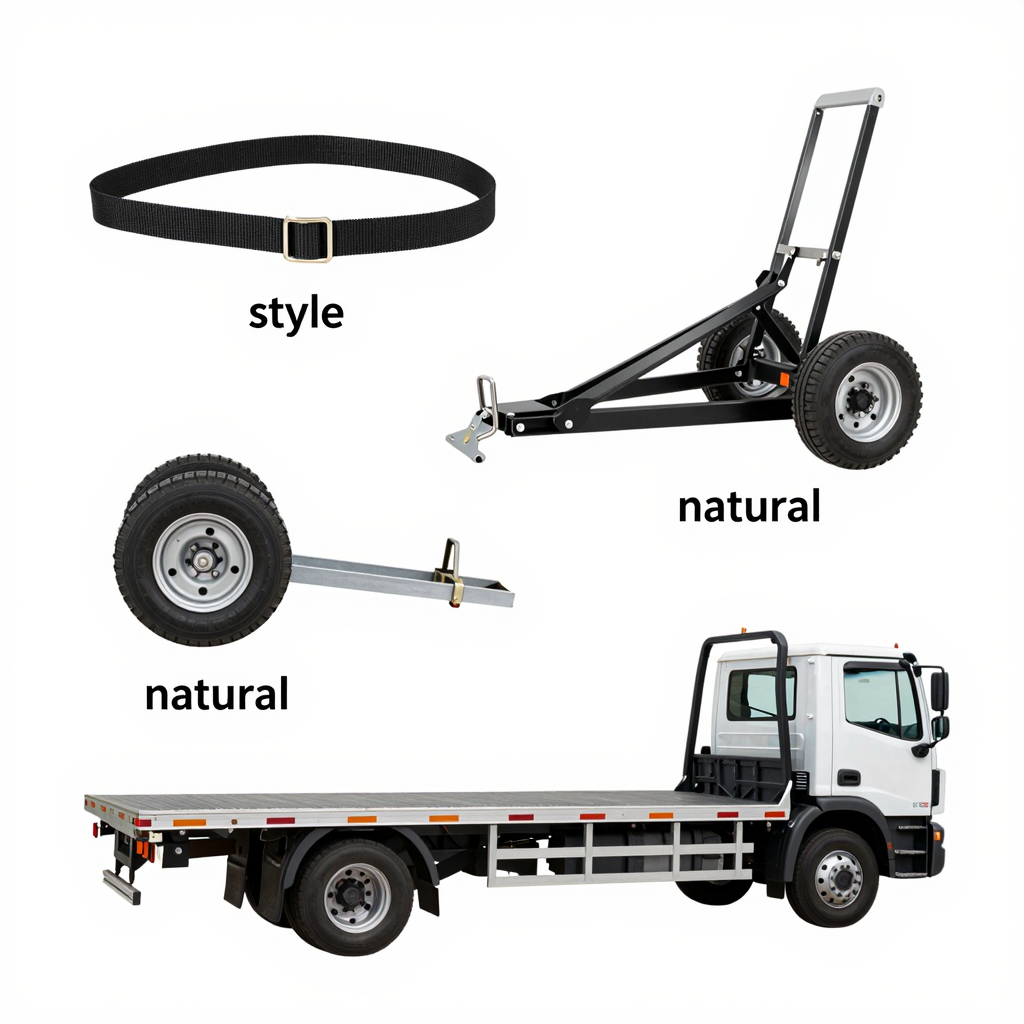
When towing a truck, having the right equipment is crucial for ensuring safety and reliability. Below is a comprehensive list of necessary tools and equipment you’ll need:
- Tow Hitch: A certified hitch rated for the total weight of the towed vehicle.
- Towing Straps: Heavy-duty straps or chains to secure the vehicle being towed.
- Safety Chains: Ensure these are strong and crossed in an ‘X’ pattern for extra security.
- Winch System: Useful for off-road recovery situations where pulling the truck may be challenging.
- Wheel Chocks: To prevent the vehicles from rolling during the towing process.
- Lighting and Wiring: Functional lights for visibility, including brake lights and turn signals on the trailer.
- Braking System: Ensure a working brake controller is in place if towing heavy vehicles.
- Reflective Cones or Warning Signs: For increased visibility and safety in roadside situations.
- Emergency Kit: Include items like a fire extinguisher and first-aid supplies for roadside assistance.
For more comprehensive information on reliable towing services, learn more about our Burke towing service and check out our DC towing services.
Step-by-Step Guide to Safely Towing a Truck
Towing a truck can be a complex task that requires careful preparation and execution. Here’s a comprehensive outline to ensure safety and efficiency throughout the process.
1. Preparation and Planning
- Assess Your Vehicle’s Towing Ability:
Ensure your towing vehicle can handle the weight of the truck being towed. Check the NHTSA guidelines for recommended towing capacities. - Choose the Right Equipment:
Use certified towing geometries such as hitch systems and wiring harnesses. Always ensure that safety chains are secured in an ‘X’ configuration.
2. Pre-Towing Inspection
- Check Towing and Trailer Equipment:
Inspect brakes, lights, and tires of both vehicles. Confirm all coupling devices are functioning properly. For AWD/4WD vehicles, use tow bars or dollies as outlined by the American Trucking Associations.
3. Hooking Up the Truck
- Connect the Tow Bar and Safety Chains:
Firmly attach the tow bar and safety chains, ensuring they are taut to prevent swaying. - Test Connections:
Verify that all electrical connections are secure, including brake and turn signal lights.
4. Driving Safety Measures
- Drive Slowly and Steadily:
Avoid sudden acceleration and deceleration. Maintain a low speed of 30-50 km/h (approximately 18-31 mph) when towing. - Increase Following Distance:
Maintain a larger buffer between your vehicle and others on the road to allow for stopping.
5. Monitoring Towed Vehicle
- Regular Checks:
Have a passenger monitor the towed vehicle, keeping an eye on brakes and tires during transit. - Know When to Stop:
If any unusual noises or changes in handling occur, pull over in a safe location to assess.
6. Unloading
- Safely Unhook the Truck:
Once you reach your destination, take precautions to ensure the towed truck is unloaded safely. - Post-Towing Inspection:
Conduct a final inspection of both trucks to check for any damage or issues.
Important Safety Measures
Following these steps can prevent accidents and ensure the safety of both vehicles involved during the towing process. Always refer to safety standards and protocols to mitigate risks when towing. For immediate assistance, consider professional services like ACEX Towing.
Understanding Towing Safety Statistics
When it comes to towing, safety is paramount. Improper towing can lead to serious accidents, making it crucial for professionals to understand the statistics related to towing incidents. According to recent studies, human error is the leading cause of towing accidents, accounting for 45% of incidents. This can include improper setup or misjudgment during the towing process.
Key Statistics on Towing Safety
| Cause of Towing Safety Incident | Percentage of Incidents | Source |
|---|---|---|
| Human Error (e.g., improper setup, misjudgment) | 45% | NHTSA, 2023 |
| Overloading (exceeding vehicle or tow hitch capacity) | 28% | NHTSA, 2023 |
| Cable/Chain/Strap Failure (due to wear or inadequate strength) | 17% | NHTSA, 2023 |
| Procedural Violations (e.g., ignoring safety checks) | 10% | NHTSA, 2023 |
In addition to human errors, improper loading and equipment failures are also major contributors to towing accidents. Reports from the National Transportation Safety Board (NTSB) highlight that many accidents stem from procedural violations and inadequate training. For instance, the report points out that over 60% of towing accidents are attributed to human errors or failures to follow procedures.
These statistics visually demonstrate the critical need for adherence to safety protocols and guidelines in towing operations. For business owners engaging in towing services, understanding these risks and implementing strict safety measures can significantly mitigate the likelihood of accidents.
| Towing Method | Pros | Cons |
|---|---|---|
| Flatbed Towing | Safest for AWD/4WD vehicles; prevents drivetrain damage; all wheels off the ground; secure transport; minimal risk of vehicle damage | Higher initial and operational cost; requires specialized equipment; slower loading process; needs more driver skill |
| Wheel-Lift Towing | Faster deployment and setup; lower operational cost; ideal for quick urban pickups; suitable for light-duty trucks | Risk of undercarriage damage; not suitable for AWD/4WD without dollies; less secure than flatbed towing; potential for wheel or suspension damage |
| Tow Dolly | Cost-effective for front-wheel drive (FWD) vehicles; easy to install and use; good for short-distance towing | Can cause wear on suspension and tires; not recommended for long distances; limited to FWD or RWD vehicles; may affect handling during towing |
Essential Safety Precautions When Towing a Truck
Towing a truck requires careful attention to safety precautions to avoid accidents and ensure the safety of all road users. Here are some essential safety tips that every business owner involved in towing should adhere to:
1. Understand Towing Capacity
Before towing, it’s critical to verify that the tow vehicle has an adequate towing capacity. Consult the manufacturer’s specifications to ensure you are operating within safe limits. Towing a load that exceeds this limit can lead to equipment failure, especially if the truck is overloaded.
2. Use Proper Equipment
Use a hitch and trailer that are rated for the load you are towing. This includes ensuring that safety chains are securely connected and crossed beneath the trailer tongue. The hitch should also be appropriately matched to the vehicle’s specifications. Using the wrong type of hitch can lead to catastrophic failures.
3. Conduct a Pre-Tow Inspection
Perform a thorough inspection before towing:
- Check the tow vehicle’s brakes, lights, and electrical connections.
- Inspect the towing mirrors and ensure they provide adequate visibility of the trailer and surrounding area.
- Examine tire pressure and tread on both vehicles to avoid blowouts on the road.
4. Road Conditions Awareness
Adjust your driving speed based on road conditions. Towing a truck can significantly change your vehicle’s handling characteristics. Maintain a safe distance from other vehicles, which may increase when towing, as braking distances are longer. In adverse weather conditions, slow down and remain vigilant to account for less predictable handling.
5. Avoid Sudden Maneuvers
When towing, avoid making sudden turns or rapid acceleration. These can lead to instability and increase the risk of jackknifing or losing control. Instead, make smooth, gradual movements to maintain vehicle balance.
6. Stay Informed About Towing Regulations
Familiarize yourself with local towing regulations to ensure compliance with safety standards. This includes knowledge about maximum weight limits, required signage, and vehicle registration. Understanding these laws helps avoid hefty fines and ensures safety for all.
Resources for More Information
For comprehensive guidelines, consider checking out resources from the NHTSA and the American Trucking Associations (ATA). These organizations provide critical insights into best practices that can significantly enhance towing safety.
By implementing these safety precautions, business owners can reduce the risk of accidents and ensure safer operations when towing trucks. Regular training and adherence to these guidelines are essential for anyone responsible for towing operations.
Towing Safety Statistics
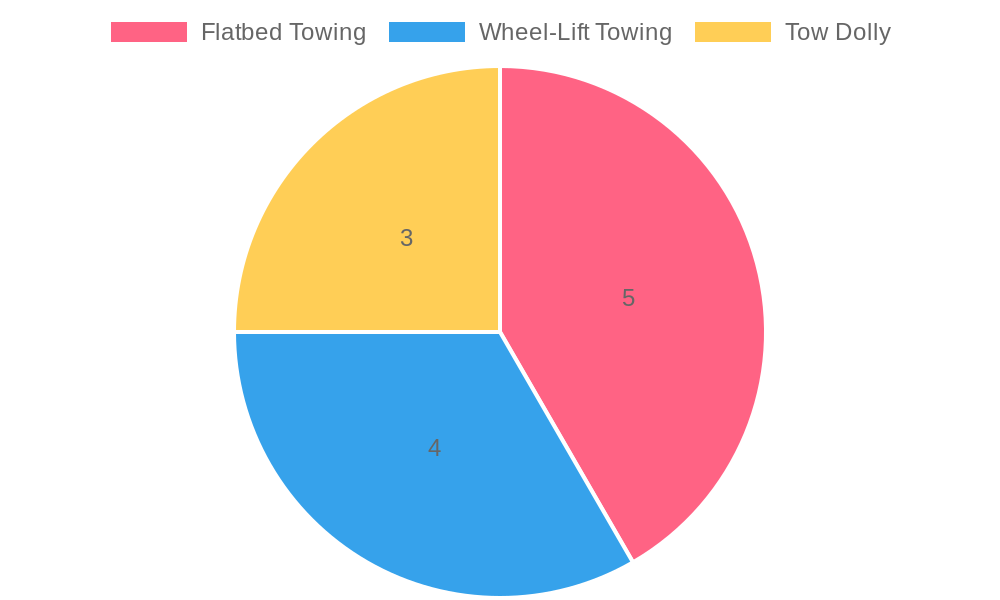
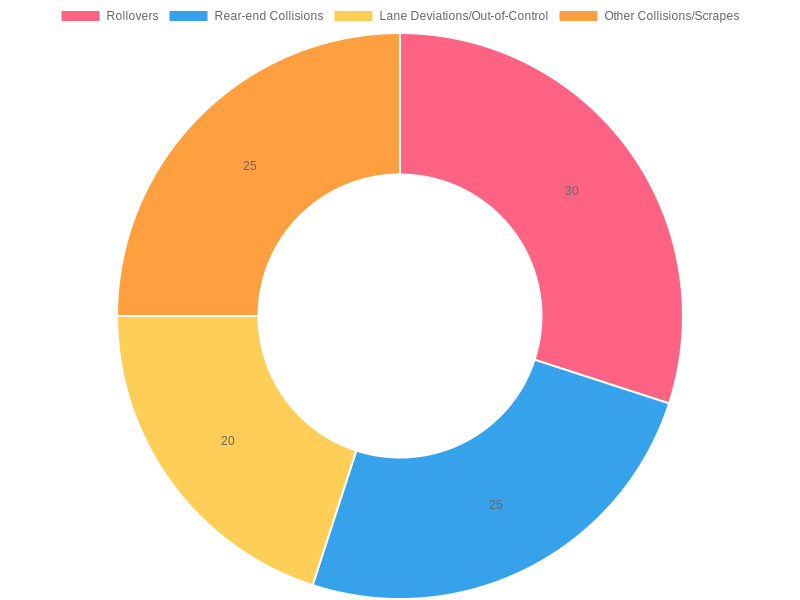
According to recent data, approximately 30% of towing-related crashes occur due to improper equipment or load imbalance, which emphasizes the importance of adhering to safety guidelines.
A chart depicting estimated accident types is visible below, illustrating the key reasons behind towing accidents:
Expert Quote on Towing Safety
Towing safety is crucial, especially for business owners who may need to move heavy vehicles or equipment regularly. To add credibility to our discussion, consider the words of an expert from the AAA Driving Today blog:
“A poorly connected trailer is a ticking time bomb on the highway.” – AAA Rescue Expert
Read more about expert towing tips here.
This quote emphasizes the critical importance of ensuring that trailers are properly connected before any towing operation. Following industry best practices can help prevent accidents and ensure safety on the road.
To further enhance safety while towing, it is recommended to:
- Perform regular maintenance on your towing vehicle and trailer.
- Ensure that all towing equipment is rated for the load you plan to pull.
- Conduct a pre-tow inspection, verifying connections, lights, and brakes as indicated by towing experts.
If you’re looking for reliable towing services, check out our company for safe and professional assistance.
Conclusion: Tow Safely and Securely
In the world of towing, safety should always remain the top priority. As we explored, towing a truck with another truck requires not only the proper equipment but also knowledge and adherence to best practices. Whether you are a seasoned business owner or a newcomer to the towing industry, understanding the nuances of safe towing can mean the difference between a successful operation and an unfortunate accident.
The importance of towing safely cannot be overstated; it protects both lives and property. As such, investing in training, maintaining equipment, and ensuring that all towing procedures are meticulously followed is crucial. The capability to safely navigate through the challenges of towing large vehicles is an asset that every business owner should prioritize.
If you find yourself needing professional assistance, don’t hesitate to reach out to Zoomlion. Our mission is to protect lives and property through high-quality towing services. By working with us, you ensure that your towing needs are managed with expertise and care, allowing you to focus on running your business smoothly.
Contact us today to learn more about our dedicated towing services that are designed to meet your specific needs and ensure a safer towing experience for everyone involved. Remember, safe towing means peace of mind!
How to Tow a Truck with Another Truck
Towing a truck with another truck is a skill that requires careful planning and execution. Here, we outline essential techniques to ensure safe towing practices, especially for business owners involved in logistics and transportation.
Essential Towing Equipment
- Heavy-Duty Tow Hitch: Ensure the tow hitch is rated for the combined weight of both trucks. Learn about our various towing services.
- Safety Chains: Always use safety chains in addition to the hitch. This precaution provides an extra layer of security.
- Tire and Brake Checks: Before towing, it’s crucial to check the tire pressure and brake systems of both vehicles. A well-maintained vehicle is less likely to experience towing failures.
- Towing Capacity: Always verify that both vehicles have compatible towing capacities; never exceed the manufacturer’s specifications.
Towing Techniques
- Slow and Steady Speed: Maintain a slow, steady speed, especially when turning or braking. Rapid movements can cause loss of control.
- Communication: Use hand signals or radios for clear communication between drivers. This is vital for ensuring a safe towing experience.
- Controlled Environment Practice: If you’re inexperienced, practice towing in a controlled setting before heading out on busy roads.
Safety Practices
Statistics reveal that the following safety practices are crucial when towing:
| Safe Towing Practice | Percentage of Drivers Following Practice |
|---|---|
| Use of proper towing equipment (e.g., hitch, ball mount) | 68% |
| Checking vehicle condition (tires, brakes, lights) | 54% |
| Using safety chains when towing | 72% |
Note: These percentages are based on self-reported data in the NHTSA’s 2023 Driver Behavior Survey. For accurate safety practices, always refer to official resources like the National Highway Traffic Safety Administration (NHTSA).
Key Takeaway
For business owners, mastering the skill of towing can lead to enhanced operational efficiency. Utilize the correct equipment, inspect both vehicles thoroughly, and maintain communication to ensure a seamless towing experience.
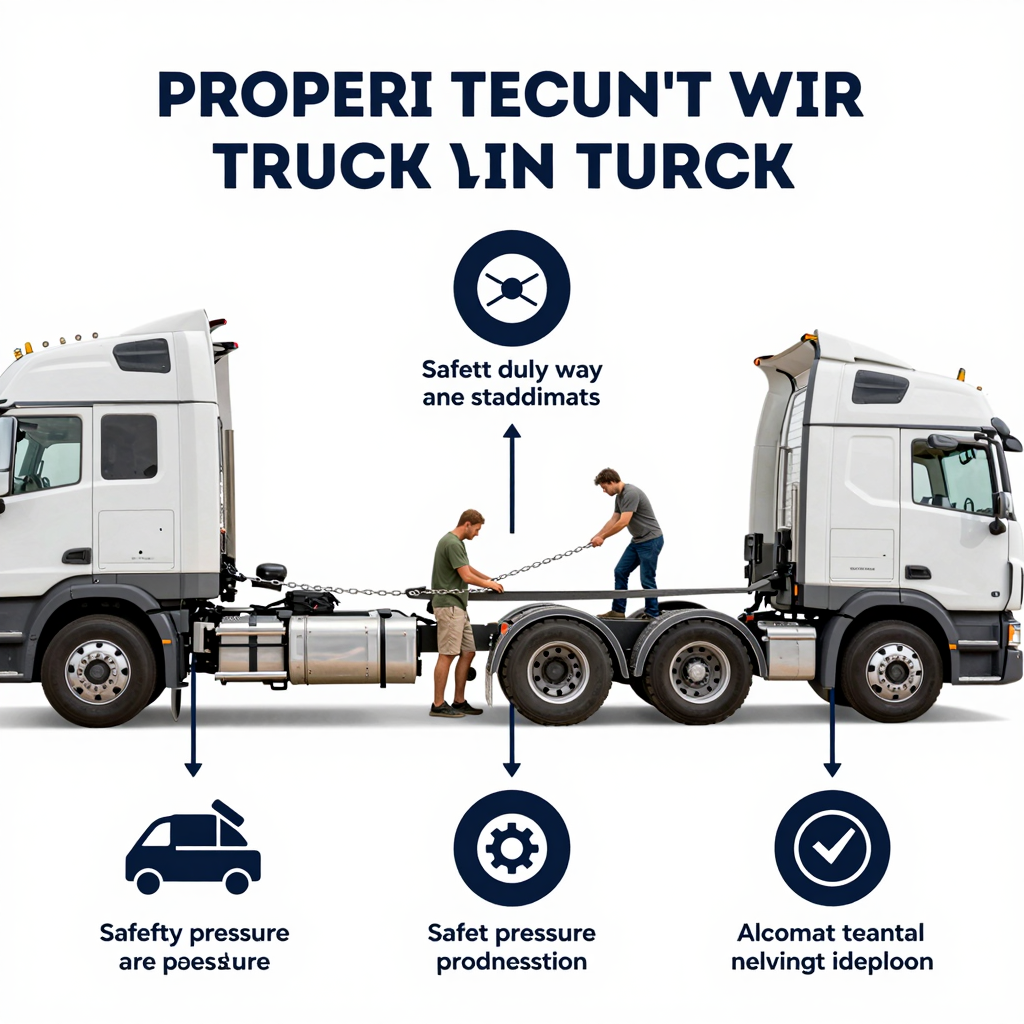
By following these guidelines, you ensure not only your safety but also the safety of others on the road. For more information or assistance in towing services in the DC area, check out our Washington DC towing services.