
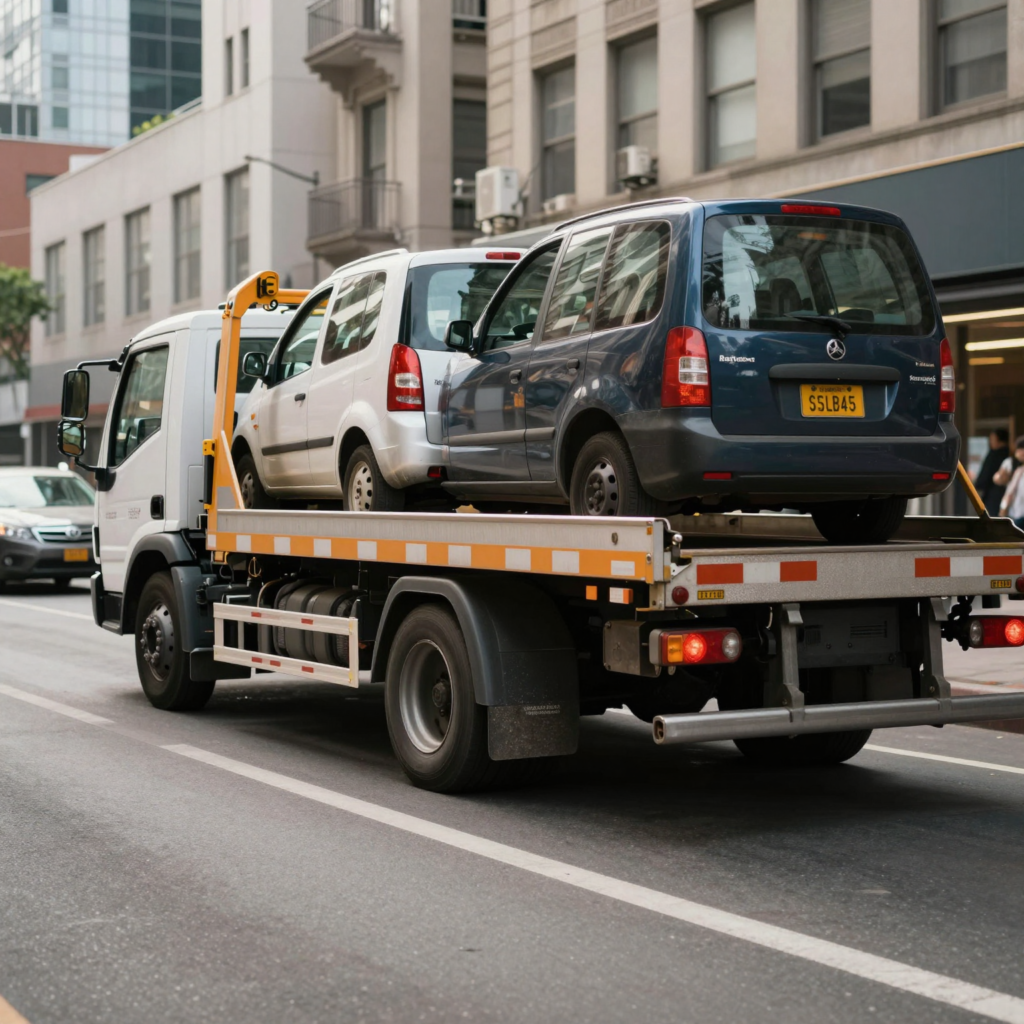
In the world of automotive services, tow trucks play an indispensable role, especially for business owners who rely on transportation to keep their operations running smoothly. Imagine this scenario: it’s a hectic Monday morning, the start of a busy week, and suddenly, one of your company vehicles breaks down on a bustling street. The last thing you want is for your business to come to a standstill while waiting for repairs. In that moment, you realize that a reliable towing service is not merely an option; it’s a vital lifeline that can save you time and keep your business on track.
Tow trucks not only provide a much-needed service for individuals, but they are also crucial for companies with a fleet of vehicles. For business owners, quick and efficient towing solutions are connected to their bottom line. Knowing where tow trucks take cars can help you plan for potential breakdowns or accidents, ensuring that you have options in place if the unexpected occurs. This knowledge can be the difference between a minor inconvenience and a major setback.
So, where do tow trucks take cars? This is a question that not only effects individual drivers but also impacts businesses that depend on transporting goods, staff, or even clients. Understanding the answers can help you make informed decisions about your automotive strategy. Join us as we delve deeper into the towing process and explore the various destinations to which tow trucks transport vehicles. For more information about specific services, feel free to explore our towing service in Burke and arlington towing options.
Recent developments in local towing parameters can enhance your planning and response strategies.
Common Reasons for Towing Services
Towing services play a crucial role in maintaining order and safety on our roads, especially for businesses that rely on customer accessibility and traffic flow. Understanding the common reasons why businesses might need towing services can help business owners be prepared and minimize disruptions. Here are some of the most prevalent reasons:
1. Illegal Parking
Illegal parking can significantly disrupt business operations. Imagine a delivery truck trying to access a loading bay while a car parked inappropriately blocks the entrance. In such situations, businesses often rely on towing services to move those vehicles swiftly. Statistics show that illegal parking is a major factor leading to towing, with urban areas often facing challenges due to limited parking space. For example, many city dwellers are not always attuned to local laws, leading to frequent violations that necessitate towing intervention learn more about Arlington towing.
2. Vehicle Breakdowns
Vehicle breakdowns are another common reason for towing needs. Businesses depend on transportation for deliveries, employee commuting, and other logistics. A vehicle breaking down unexpectedly can halt operations. For instance, if a company service van breaks down in a busy area, it can cause traffic issues and further complicate business logistics. Timely towing ensures that these vehicles are removed and repaired, thus maintaining the flow of business activities. In fact, the towing market is projected to grow as businesses increasingly require fast recovery services during breakdowns find out more about our Burke towing service.
3. Accidents
Traffic accidents can be another urgent reason for towing services. Whether it involves a company vehicle or another party’s car blocking access or causing hazards, swift towing is necessary. An accident not only affects transportation but can also entail liability concerns for businesses involved, which is why having access to reliable towing services is essential. Being prepared for such incidents helps minimize downtime and ensure employees’ safety.
4. Regulatory Compliance
In certain scenarios, regulations can require businesses to have vehicles removed for reasons like improper loading or hazardous conditions. This means that having a towing service on call can keep your business compliant and reduce potential fines. Moreover, ensuring smooth traffic flow around your business premises is vital for customer accessibility and public safety.
In summary, having a reliable towing service is essential for business owners to handle unforeseen circumstances related to illegal parking, breakdowns, accidents, and regulatory compliance. It’s an investment in operational efficiency and customer service.
Common Towing Destinations for Vehicles
Explore the typical locations where tow trucks transport vehicles, from repair shops to storage facilities and more.
Authorized Storage Facilities in Towing
Authorized storage facilities play a pivotal role in the towing process by serving as secure holding locations for vehicles that have been towed due to violations, accidents, or impoundment. Their existence ensures that towing companies adhere to various legal standards while providing peace of mind to vehicle owners.
Regulation and Compliance
These storage facilities must comply with rigorous regulations set at state and federal levels, notably outlined by the Federal Motor Carrier Safety Administration (FMCSA). Compliance involves ensuring vehicles are properly secured and documented, and that detailed records are maintained during the vehicle’s stay. They are also responsible for following safety and environmental standards which protect both the vehicle and the facility’s surroundings.
A critical component of these regulations is the prompt notification of vehicle owners regarding the tow and the location of the impounded vehicle. This is vital in maintaining transparency within the towing process, as failure to inform owners in a timely manner can lead to legal repercussions for both the towing company and the storage facility.
Importance for Businesses
For towing businesses, utilizing authorized storage facilities is essential not only for compliance but also for protecting their reputation. Facilities act as impartial third parties in the towing process, helping to ensure that all parties involved are treated fairly. Moreover, they handle necessary documentation, such as tow logs and inventory lists, which are crucial in the event of disputes over ownership or liability. In fact, courts may rely on these records to determine whether proper towing procedures were conducted, making authorized facilities integral to legal defenses against restitution claims from vehicle owners.
According to the National Association of Attorneys General (NAAG), authorized storage facilities are required to follow clear fee disclosure rules and provide timely notifications to vehicle owners, which further safeguards against potential misunderstandings and claims of misconduct.
Conclusion
In summary, authorized storage facilities not only facilitate the towing process but also play a crucial role in upholding the legal integrity of tow operations. By maintaining compliance with regulations and ensuring the safe handling of vehicles, these facilities provide a necessary service that benefits both towing companies and vehicle owners alike. Their role ensures that the towing process remains respectful, transparent, and legally sound.
Comparing Towing Services: Local vs. Long-Distance
When considering towing services, it’s essential to understand the differences between local and long-distance towing, especially regarding costs, timeframes, and service types. Below is a detailed comparison:
| Service Type | Cost Range | Typical Timeframes | Common Destinations | Service Type Examples |
|---|---|---|---|---|
| Local Towing | $85 – $453 | 15 – 60 minutes | Nearby repair shops, residences, offices | Roadside assistance, flat tire changes, battery jumps |
| Long-Distance Towing | $200+ (avg. $1.50 – $2.50/mile) | 2 – 8 hours | Across states, long-distance transport | Vehicle transport between states, cross-country delivery |
Key Takeaways
- Local towing is quick and typically involves direct situations where vehicles need immediate assistance in nearby locations.
- Long-distance towing suggests availability for more extensive logistics, handling transportation over larger distances, which can be more costly and time-consuming.
For more information about local towing services in your area, check out our Burke Towing Service and Washington DC Towing Service.
Understanding Impound Lots
Impound lots play a critical role in vehicle management and transportation logistics, especially for business owners. These lots serve as storage facilities for vehicles that have been towed due to various reasons. Here’s a comprehensive look at how vehicles end up in impound lots and the processes involved in retrieving them.
How Vehicles End Up in Impound Lots
Vehicles can be towed to impound lots for various reasons, including:
- Traffic Violations: Vehicles parked illegally, especially in restricted areas, are commonly towed. This includes blocking driveways, hydrants, or parking in no-parking zones.
- Uninsured Vehicles: Driving without valid insurance might lead to immediate towing by law enforcement.
- Abandonment: Cars left unattended for prolonged periods (typically 72 hours or more) are often deemed abandoned and towed.
- Involvement in Criminal Activity: Vehicles may be impounded as part of investigations into crimes, such as theft or drug-related offenses.
- Commercial Violations: For businesses, failure to comply with safety regulations, unlicensed drivers operating company vehicles, or unpaid fines can result in towing.
According to the U.S. Department of Transportation, impoundment actions are on the rise. In 2024 alone, 2.7 million vehicles were impounded, marking the highest incidence of vehicle seizures in the last 14 years.
The Retrieval Process for Businesses
Retrieving a vehicle from an impound lot involves several essential steps:
- Confirm Towing Details: Confirm with the towing company or local authority that your vehicle has indeed been impounded. Gather necessary information such as the location of the lot.
- Documentation: Prepare to provide legal documentation that verifies ownership. This includes:
- Vehicle title
- Registration
- Proof of insurance
- Any other documentation the towing authority may require
- Payment of Fees: Before retrieving the vehicle, business owners must pay all outstanding fees associated with the tow and storage. Fees can range from $150 to $300 or more depending on the jurisdiction and duration of the impoundment. According to a recent study, the average impound fees across the U.S. range from $225 for the initial tow to additional storage fees that can apply.
- Compliance with Local Laws: Adhere to specific local jurisdiction requirements which might include inspections or additional paperwork. For instance, if a commercial vehicle is involved, compliance with Department of Transportation (DOT) regulations is necessary.
- Prompt Action: It’s crucial to act quickly. Leaving a vehicle in an impound lot can result in increased fees and complications. Depending on the situation, retrieval processes can vary significantly, with some requiring immediate action and others potentially taking longer, especially if the vehicle is part of a legal investigation.
Impound Lot Statistics
The rise in impoundments correlates with increased property crimes and stricter law enforcement. The following table outlines key statistics surrounding vehicle impounding in the U.S.:
| Category | Data | Source |
|---|---|---|
| Total Vehicles Impounded (2024) | 2.7 million vehicles | American Vehicle Recovery Database Network (RDN) |
| Trend in Impoundments (14-year high) | Highest in 14 years | RDN, 2025-11-15 |
| Primary Reason for Impounding (2023) | Property crime-related incidents | FBI Uniform Crime Reporting (UCR) Program, 2023 |
| Average Impound Fees (U.S. National Average) | $225 (varies by state and duration) | National Association of Motor Vehicle Administrators (NAMVA), 2023 estimates |
Conclusion
For business owners, understanding the processes related to impound lots is vital to prevent operational disruptions. Maintaining compliance with local regulations and ensuring proper vehicle management can significantly reduce the likelihood of towing incidents. By being proactive and informed, businesses can navigate impound lot retrieval efficiently, minimizing costs and operational downtime.
Vehicle Recovery Rates from Impound Lots and Authorized Facilities
When vehicles are impounded, their recovery often depends on a systematic process involving authorized facilities and towing services. Recent data reveals that about 78% of stolen vehicles in the United States are recovered, according to the National Insurance Crime Bureau (NICB). This statistic illustrates the effectiveness of coordinated recovery efforts by towing services and law enforcement. Of the recovered vehicles, around 65% are returned to their rightful owners, while 13% are lost due to severe damage or made unfit for use. Interestingly, 22% of these vehicles are either sold at auction or disposed of by authorities.
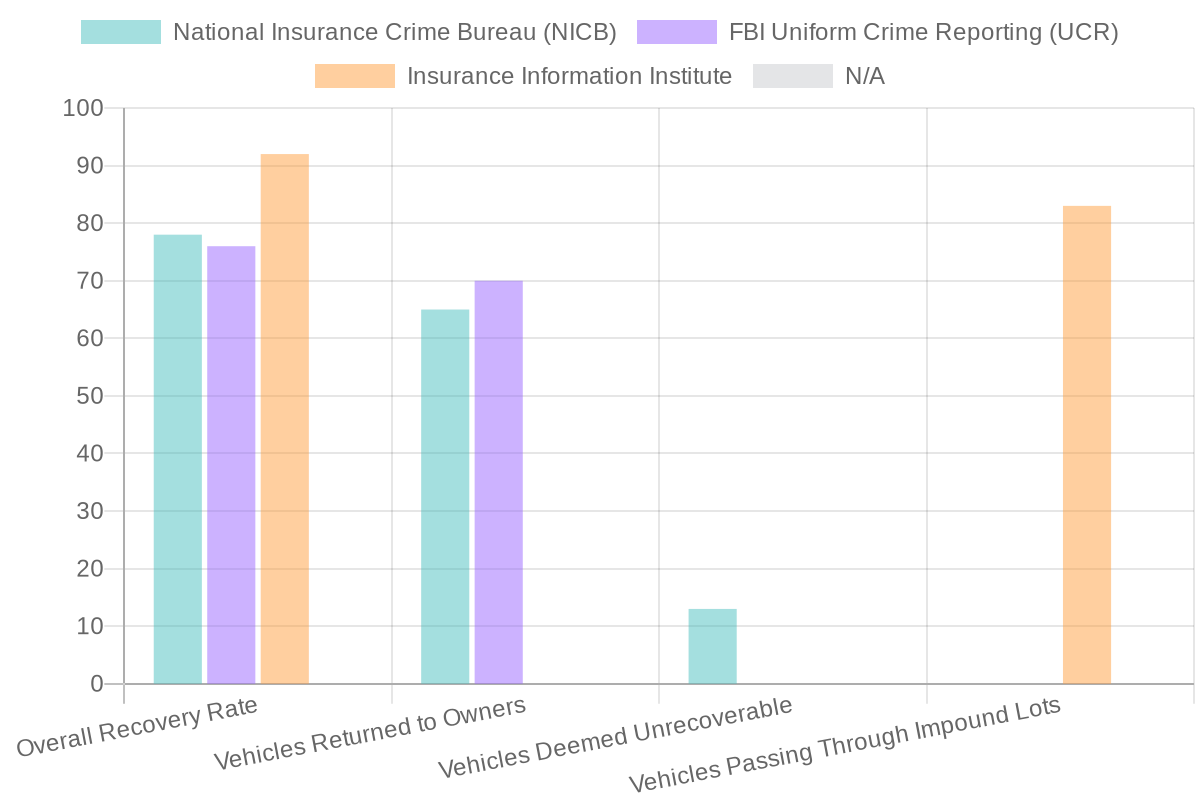
In addition, the FBI’s Uniform Crime Reporting program reports a national average recovery rate of 76% from various venues, including impound lots. Approximately 70% of these recovered vehicles are successfully identified and returned to their owners. States with integrated vehicle recovery systems, such as California and Texas, have even higher recovery rates-often exceeding 80%. These efficiencies can be attributed to enhanced tracking technologies and better communication between towing companies and law enforcement.
Modern technology plays a significant role in improving recovery outcomes as well. A report from the Insurance Information Institute highlights that vehicles equipped with advanced anti-theft technology boast recovery rates of around 92%, in stark contrast to the 54% recovery rate of vehicles lacking these systems. Additionally, about 83% of all recovered vehicles pass through authorized impound lots, underscoring the crucial role these facilities play in return efforts.
Overall, trends in vehicle recovery rates showcase the effectiveness of towing services and emphasize the support of advanced technological solutions through their operations. Moreover, as the towing industry continues to innovate-such as adopting digital scheduling systems-the recovery process becomes increasingly efficient, enhancing customer satisfaction and overall recovery rates. For businesses seeking reliable towing solutions, consider exploring Ace Towing Services for professional assistance in vehicle recovery needs.
Responsibilities of Business Owners During Towing
When a vehicle is towed, business owners must navigate various responsibilities to ensure the process runs smoothly and legally. These responsibilities range from communication with towing companies to understanding the necessary paperwork involved.
Communication with Towing Companies
Effective communication is vital when coordinating a towing operation. Here are some key points business owners should focus on:
- Choose a Reputable Towing Company: Establish a partnership with a reliable towing service. Factors to consider include their experience, customer reviews, and compliance with local laws.
- Provide Clear Instructions: When initiating a tow, offer detailed instructions to the towing company regarding the vehicle’s location, the type of vehicle being towed, and any time constraints for the operation. This helps avoid miscommunication that could delay the tow.
- Discuss Fees and Procedures: Understanding the cost structure of the towing service is essential. Discuss and agree upon fees beforehand, and clarify the procedure for payment.
- Obtain Confirmation: After contacting the towing company, request a confirmation call or message to ensure they have received the tow request and understand the specifics.
Understanding and Managing Paperwork
Proper documentation is critical in the towing process. Business owners should familiarize themselves with the necessary paperwork involved:
-
Authority to Tow Form: This document grants the towing company permission to remove the vehicle. It’s essential for legal compliance as it serves as proof that you have authorized the tow. You can find more about such forms through sources like Nolo.
-
Vehicle Condition Report: Before towing, it’s prudent to fill out a condition report of the vehicle. This report will help document any pre-existing damage and prevent disputes about liability after the tow.
-
Logs and Records: Maintain comprehensive logs of all towed vehicles, including details such as timestamps, locations, and any customer consent forms. Keeping accurate records is not only a good business practice but also a legal requirement in many jurisdictions.
-
Insurance and Bonding: Ensure that all necessary insurances are in place, including liability insurance. Some businesses may require a surety bond to protect customers. Licensing requirements can be found on governing platforms like the U.S. Small Business Administration.
-
Local Regulations: Different municipalities may impose specific requirements related to towing. Business owners should be aware of local regulations that could affect how vehicles are towed and stored.
Conclusion
In summary, business owners have specific responsibilities when dealing with vehicle towing. By effectively communicating with towing companies and managing the associated paperwork, they can ensure compliance and maintain a smooth towing process.
Tips for Choosing a Reliable Towing Service
Selecting an appropriate towing service is crucial for business owners, especially when managing commercial vehicles. Here’s a list of essential tips to ensure you choose a service that meets your needs effectively:
- Check Credentials
- Ensure the towing service possesses all necessary licenses and insurance. Look for state-issued towing licenses and verify their liability insurance, ideally with coverage exceeding $1 million.
- Evaluate Experience
- Look for a provider with experience in your industry. They should be familiar with handling specific vehicle types, whether they are commercial trucks, delivery vans, or specialized equipment.
- Read Reviews
- Investigate online reviews on platforms like Yelp and the Better Business Bureau (BBB). Positive testimonials can provide insight into their reliability and customer service quality.
- Ask About Response Times
- A dependable towing service should offer quick response times. Ask for details about their average response time to ensure your vehicles won’t be stranded for an extended period.
- Inquire About Service Offerings
- Ensure they provide a range of services that suit your needs, including emergency towing, heavy-duty towing, or flatbed services. Companies with diversified offerings can save you from dealing with multiple providers.
- Assess Technology Use
- Providers using GPS tracking and real-time updates improve communication and transparency. This technology helps in managing vehicle recovery efficiently.
- Verify Pricing Policies
- Request clear pricing information upfront. Look for any hidden fees in contracts to avoid unexpected expenses. A reputable service should provide transparent and competitive pricing.
By following these steps, you can select a towing service that not only meets your immediate needs but also ensures peace of mind knowing your vehicles are in safe hands. For more depth on finding a suitable towing partner, you can learn more about our services and how we can assist your business effectively!
In conclusion, effective towing services play a critical role in ensuring business operations run smoothly while protecting lives and property. Throughout this article, we’ve highlighted the importance of timely towing in various scenarios, from emergency responses to daily logistical needs. A reliable towing partner can help minimize vehicle-related disruptions, safeguard valuable assets against damage, and enhance operational efficiency, all of which contribute to a positive customer experience and reduced liability risks for business owners.
Businesses using professional towing services can significantly benefit from faster response times and improved fleet management, as noted in multiple studies, such as one from the National Association of Auto Recovery showing a 65% reduction in disruptions when partnered with trustworthy towing services. Additionally, effective towing contributes to a safer environment on the roads by quickly removing disabled or crashed vehicles, thus preventing further accidents and increasing overall public safety.
Don’t wait – contact us today to discuss your needs, request a quote, or learn more about how we can support your mission to protect lives and property. The significance of effective towing services cannot be overstated; they are essential assets that not only promote safety but also uphold the integrity and efficiency of your business operations in an increasingly challenging landscape. Embrace this vital resource and watch your business thrive.