
Introduction
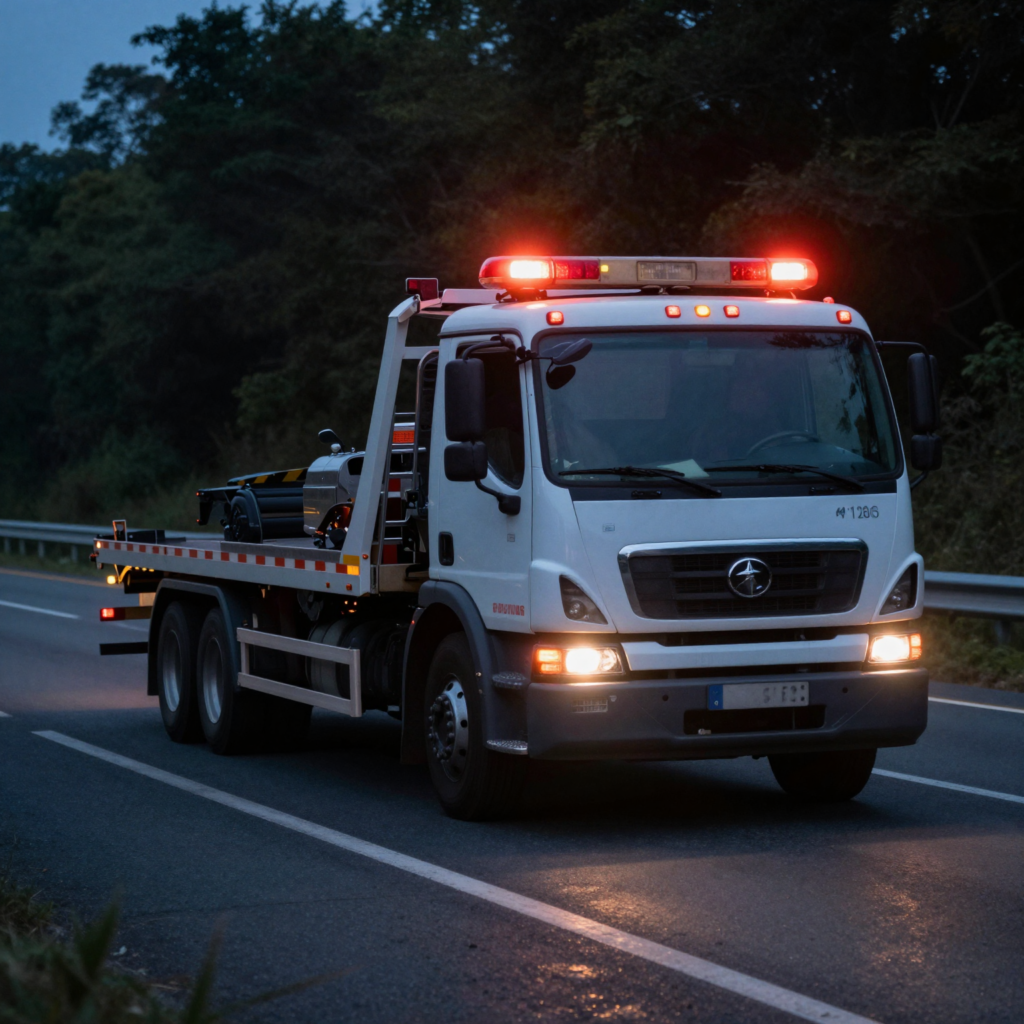
In a stark reminder of the dangers faced on the highways, a tragic accident recently claimed the life of a tow truck driver in Freetown, Massachusetts. On the night of November 21, 2025, the driver, identified as Manuel Andrade, was engaged in a routine tow when a collision caused his vehicle to plummet off an overpass on Route 140 South. The unfortunate incident not only highlights the perils associated with roadside work but also underscores the critical importance of safety protocols for tow truck operators and businesses alike.
Tow truck drivers are often tasked with navigating perilous conditions-whether moving vehicles on busy highways or responding to emergencies in adverse weather. Their roles demand utmost vigilance and a keen understanding of safety measures to protect themselves and others. With every tow operation, they are at risk of being involved in an accident, as evidenced by this recent highway crash.
For business owners in the towing industry, this tragedy serves as a clarion call to reinforce safety training and protocols among employees. Implementing rigorous safety standards not only safeguards drivers but also protects the integrity of the business. A single incident can have devastating consequences-not just for the victims but for the overall reputation and legal standing of a towing company. The recent death of Andrade serves as a painful yet necessary reminder of the constant vulnerabilities tow truck drivers face and the integral role that safety plays in ensuring their protection on the job. Through educating their teams about best practices and continually evaluating road safety measures, business owners can cultivate a safer working environment for their drivers and minimize the risks associated with the demands of this crucial profession.
To learn more about enhancing safety protocols for your business, consider exploring our services for towing safety.
Detailed Account of the Freetown Highway Tow Truck Accident
On a tragic evening on Route 140 in Freetown, Massachusetts, a tow truck driver lost his life in a fatal accident that has shocked the local community and raised concerns about roadway safety. The incident took place around 6 p.m. on a Friday evening, a time when traffic typically begins to ease, yet conditions can still be precarious due to reduced visibility as night approaches.
According to preliminary reports, the incident involved a collision with another vehicle, which caused the tow truck to be flung off the highway. Eyewitnesses described a chaotic scene, as the tow truck became airborne before crashing onto the ground below. First responders arrived promptly at the scene but reported that the driver had succumbed to his injuries. This incident has not only claimed a life but has also highlighted the potential dangers faced by tow truck operators, who often work in hazardous conditions to assist stranded motorists.
The identity of the tow truck driver has been confirmed, and the local community, including fellow operators and residents, have expressed their condolences for his family. The driver was known for his dedication and service to the community, making the loss even more poignant.
This unfortunate event is part of a broader pattern concerning the safety of tow truck drivers on highways across the United States. The National Highway Traffic Safety Administration (NHTSA) reports that thousands of accidents involving tow trucks happen each year, leading to hundreds of fatalities. In 2023 alone, there were approximately 17,200 reported tow truck accidents, which resulted in 384 fatalities and over 21,500 injuries. These alarming statistics underscore the risks associated with towing operations, particularly on busy highways where traffic can become unpredictable.
In light of this incident, it is essential for business owners to consider the implications of highway safety, especially for those in the towing industry. Regular safety training, adherence to traffic laws, and awareness of surrounding conditions can mitigate some of the risks. Engaging in community safety initiatives and promoting awareness about the dangers faced by tow truck operators could also play a crucial role in preventing future tragedies.
To further understand the factors contributing to tow truck accidents, a recent report from the Federal Motor Carrier Safety Administration (FMCSA) outlined several key reasons for such incidents: 28% were attributed to distracted driving, 22% to speeding, and 19% to poor visibility. Driver fatigue and vehicle mechanical failure were also significant contributors, highlighting the importance of proper maintenance and rest for drivers on the road.
As the Freetown community mourns the loss of a valued tow truck driver, it is a stark reminder of the daily risks faced by those in the towing industry. It is imperative for all involved to remain vigilant and proactive in promoting safety on the highways, not only for the protection of tow truck drivers but for all motorists. For businesses in this sector, maintaining high safety standards and prioritizing the well-being of workers can lead to a safer working environment and potentially save lives.
For further information on towing services and safety, please visit our pages on towing service in Burke and Washington D.C. towing.
Essential Safety Measures for Tow Truck Drivers
Tow truck drivers often face unique risks on the road, especially when responding to emergencies or working in high-traffic areas. To minimize the risk of accidents and ensure the safety of both the drivers and the public, here are essential safety measures that tow truck drivers and their companies should adopt:
- Wear Reflective Clothing: Ensure that all tow truck drivers wear high-visibility clothing, especially at night or in poor weather conditions, to enhance their visibility to other motorists.
- Use Proper Signaling: Equip tow trucks with flashing lights, hazard lights, and appropriate warning signs to alert other drivers of the situation and ensure safe maneuvering around roadside incidents.
- Maintain Equipment: Regularly inspect and maintain tow trucks and equipment to ensure everything is in good working condition, including proper functioning of lights, brakes, and towing mechanisms.
- Keep a Safe Distance: When towing another vehicle, maintain an appropriate distance to avoid collisions, especially when navigating through traffic or on narrow roads.
- Educate on Risk Awareness: Provide ongoing training for drivers about awareness of surroundings, potential hazards on the road, and defensive driving practices to prevent accidents.
- Have Emergency Kits: Equip tow trucks with emergency kits that include road flares, first aid supplies, and tools for quick repairs to ensure readiness for unexpected situations.
Implementing these safety practices can significantly reduce the risk of accidents and injuries for tow truck drivers. For more information on safety protocols, consider visiting guides like 10 Safety Protocols Every Towing Professional Should Follow and how to keep your tow truck drivers safe.
Statistics on Tow Truck Driver Fatalities
The recent tragic accident involving a tow truck driver on Freetown Highway brings to light the significant risks faced by these essential professionals. Understanding the statistics surrounding tow truck driver fatalities can provide insight into trends and areas needing improvement in safety measures.
Fatality Statistics Overview
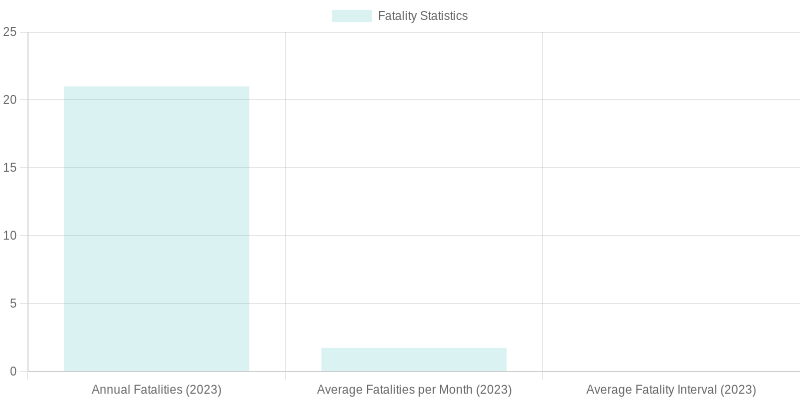
In 2023, 21 tow truck drivers were reported killed in the line of duty, translating to approximately one fatality every 17 days. This figure is part of a broader trend in which an average of over 60 tow truck drivers are killed annually across North America. This alarming reality highlights the dangers inherent to this occupation, particularly as many drivers face oncoming traffic while assisting stranded motorists.
Key Statistics Table
Below is a summary table reflecting the current statistics:
| Category | Statistic |
|---|---|
| Annual Fatalities (2023) | 21 |
| Average Fatalities per Month (2023) | ~1.75 |
| Average Fatality Interval (2023) | Every 17 days |
| Five-Year Trend (2019-2023) | Over 60 fatalities annually |
Note: The number of fatalities reported in 2023 aligns with long-term data from OSHA and NHTSA. It’s crucial to view these figures as part of broader analyses that examine specific years and trends.
Sources and Authority
The data indicates that the fatalities are often attributed to drivers being struck by vehicles while stopped to assist. The Institute for Highway Safety (IIHS) reports that in 2023, nearly 4,354 people died in large truck crashes, although specific statistics on tow truck drivers are less frequently detailed (
IIHS Report).
This persistent risk underscores the crucial need for heightened safety regulations and better awareness of the dangers faced by tow truck drivers. The American Automobile Association (AAA) confirms that on average, 24 tow providers are struck and killed while working at roadside each year. For business owners in the towing industry, enhancing safety protocols and investing in protective gear can be lifesaving measures.
Conclusion
The fatality statistics for tow truck drivers are not only numbers; they represent lives lost and the ongoing challenges within the industry. As business owners, it is essential to prioritize driver safety, adjust training protocols, and ensure that all safety measures are implemented to prevent further tragedies. Understanding these statistics can better prepare you for advocating for your drivers’ safety and well-being.
For more information on towing services and safety practices, visit our Washington D.C. Towing Services or Manassas Towing.
Comparison of Highway Safety Regulations for Tow Truck Operations
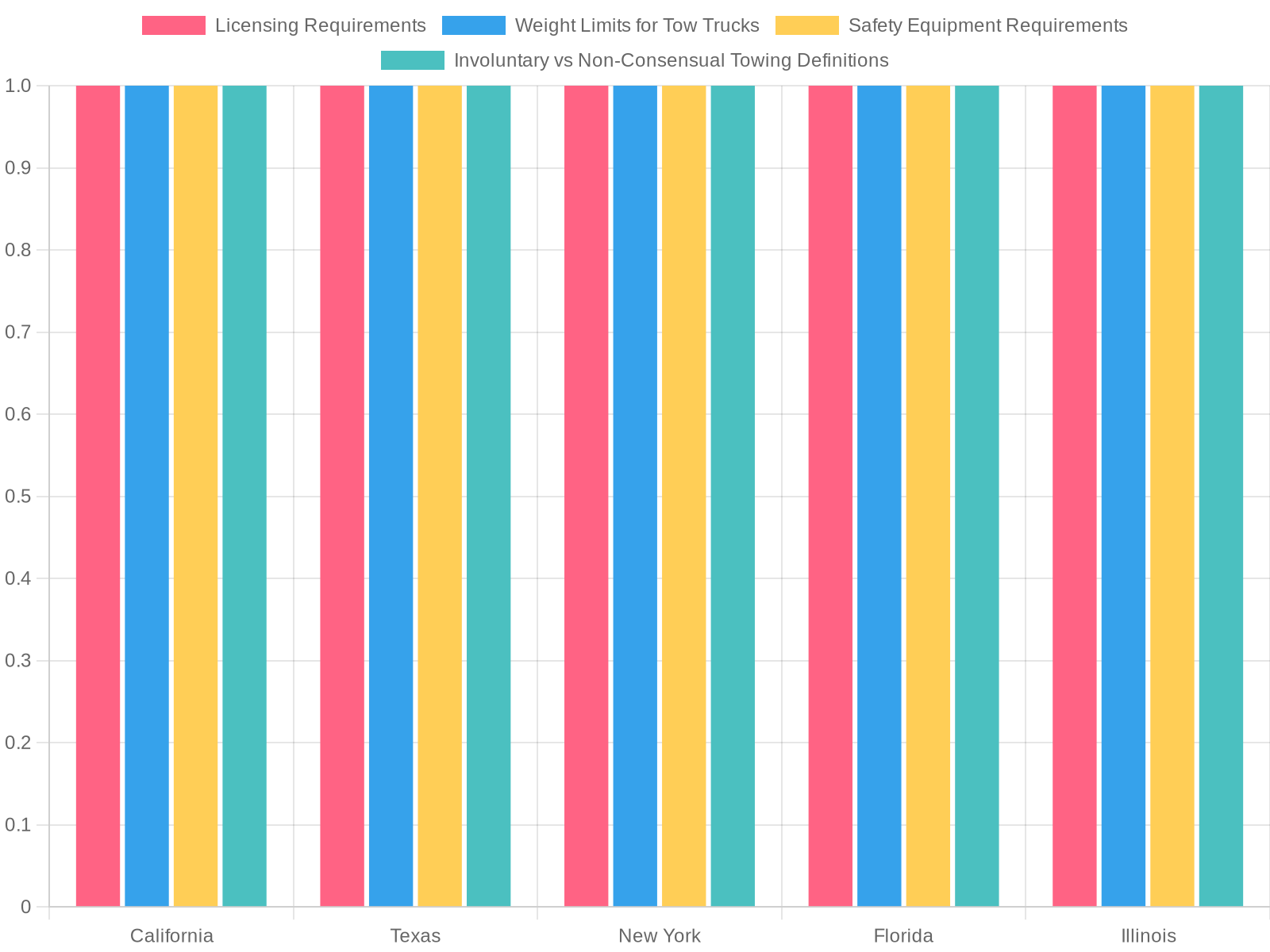
Understanding the variation in highway safety regulations across different states is crucial for tow truck operators and business owners. Below is a visual representation along with a comparative analysis of key safety regulations affecting tow truck operations in five representative states: California, Texas, New York, Florida, and Illinois.
Comparative Chart of Tow Truck Regulations
Summary of Key Regulations
| Category | California | Texas | New York | Florida | Illinois |
|---|---|---|---|---|---|
| Licensing Requirements | Must have a Class B or C CDL with “Tow Truck” endorsement; operator must be certified by the DMV. | Requires a commercial driver’s license (CDL) with appropriate endorsements; operators must be registered with the Texas Department of Public Safety. | Requires a commercial driver’s license (CDL); tow truck operators must be licensed through the New York State Department of Motor Vehicles (DMV). | Must have a valid commercial driver’s license (CDL) with “Tow” endorsement; all tow trucks must be registered with the Florida Department of Highway Safety and Motor Vehicles (FLHSMV). | Requires a Class A or B CDL with “Tow Truck” endorsement; operators must be licensed through the Illinois Secretary of State. |
| Weight Limits for Tow Trucks | No specific weight limit beyond standard commercial vehicle regulations; maximum gross vehicle weight rating (GVWR) governed by federal and state laws (up to 26,000 lbs for non-CDL vehicles). | Towing capacity limited to 10,000 lbs unless equipped with a CDL and proper certification; heavier vehicles require CDL. | Maximum GVWR for tow trucks is 26,000 lbs without a CDL; over this requires a CDL. | No state-specific weight limit beyond federal standards; towing capacity regulated by vehicle registration and CDL requirements. | Maximum GVWR for non-CDL tow trucks is 26,000 lbs; heavier vehicles require a CDL. |
| Safety Equipment Requirements | Mandatory: reflective vests, emergency lighting (flashing red/blue), warning triangles, fire extinguishers (2 lbs minimum), first aid kits, and audible warning devices. | Required: high-intensity warning lights, reflective markings, hazard flashers, fire extinguisher (2 lb min), and emergency flares. | Must have: amber warning lights, reflective tape, fire extinguisher (2 lb min), first aid kit, and emergency flares. | Required: flashing lights (red/blue), reflective decals, fire extinguisher (2 lb min), first aid kit, and emergency flares. | Required: flashing lights (red/blue), reflective markings, fire extinguisher (2 lb min), first aid kit, and emergency flares. |
| Definition of ‘Involuntary’ vs. ‘Non-Consensual’ Towing | “Involuntary towing” occurs when a vehicle is towed without the owner’s consent due to violation of parking laws, abandoned status, or safety hazards. “Non-consensual towing” refers to any towing without prior agreement, including private property towing without permission. | “Involuntary towing” is defined as towing without the vehicle owner’s consent, typically due to illegal parking or abandonment. “Non-consensual towing” includes both public and private property towing without consent. | “Involuntary towing” means towing without the owner’s consent due to legal violations (e.g., parking in restricted zones). “Non-consensual towing” is broader and includes towing from private property without authorization. | “Involuntary towing” refers to towing without consent due to parking violations or vehicle abandonment. “Non-consensual towing” is any towing not authorized by the owner, including from private property. | “Involuntary towing” means towing without consent due to traffic violations or abandoned vehicles. “Non-consensual towing” includes unauthorized towing from private property without notice or permission. |
These regulations are critical for ensuring safety on the highways. For additional details and updates, you may find resources like the DOT Towing Regulations State-by-State Requirements and Compendium of State Towing Regulations helpful.
The Impact of Accidents on Tow Truck Businesses
Accidents involving tow truck drivers can have profound implications on the operations of towing businesses and related enterprises. Such incidents, like the tragic crash on Freetown Highway, highlight not just the immediate dangers involved but also the long-term consequences for business owners. Here’s a closer look at how these accidents can affect a towing company’s operations and its bottom line.
Financial Implications
One significant aspect of accidents is their potential financial impact. According to estimates, the financial breakdown of the repercussions can be categorized as follows:
| Category | Estimated Percentage of Total Financial Impact | Notes |
|---|---|---|
| Insurance Claims | 55% | Covers costs for vehicle repairs, third-party liability, and medical expenses. |
| Lost Revenue | 25% | Includes downtime during recovery operations, missed jobs, and reduced customer capacity. |
| Legal Fees | 15% | Covers litigation costs, defense expenses, and settlements related to accidents. |
| Administrative Costs | 5% | Includes documentation, claims processing, and coordination with insurers. |
Note: Percentages are based on typical industry cost structures in 2024.
For instance, if a towing company experiences a significant accident that results in injuries or deaths, they could face substantial insurance claims. These can span from repair costs of the disabled tow truck to compensation for damages incurred by other parties involved in the accident.
Insurance Issues
Towing businesses must navigate a complex landscape of insurance coverage. Following an accident, companies often face increased premiums, making it imperative to have adequate insurance policies.
A study by Biscayne Risk suggests that inadequate coverage can lead to out-of-pocket expenses that can cripple a company financially. Furthermore, the aftermath of an accident can include disputes over liability between insurers, complicating claims that may delay financial settlements and prolong the stress on business operations.
Lost Revenue
Business operations can also be affected indirectly through lost revenue. An accident can result in disabled vehicles that take weeks to repair, leading to an inability to serve customers. Additionally, the disruption can affect employees, leading to decreased morale and productivity. For instance, if a company that operates numerous tow trucks loses one or two trucks due to an accident, they may not have the capacity to manage calls, resulting in long wait times for customers and potentially losing business to competitors.
Reputational Risks
Reputation plays a crucial role in the towing industry. Customers often prioritize companies that showcase safety and reliability. Accidents can tarnish a towing company’s image, leading to customer distrust. The accident involving a tow truck driver may echo negatively, affecting future business opportunities and partnerships.
The effects of negative publicity can be far-reaching. For example, if a company that provides emergency services is involved in a fatal accident, it may lead to public fear or reluctance to use their services, affecting overall sales. The impacts of bad press are compounded when they are spread across social media, making it vital for businesses to address not only the immediate fallout of an accident but also to manage public perception effectively.
Practical Example
To illustrate, consider a towing business that faced legal action following an accident where an employee was injured. The owner not only had to cover medical expenses but also faced a lawsuit that led to high legal fees, resulting in a financial loss that took months, if not years, to recover from. This example showcases the spiral of challenges businesses face, from operational disruptions to financial strain and reputational harm.
Mitigating Risks
Given the numerous implications of accidents on business operations, it is essential for towing companies to proactively manage these risks. Strategies could include enhancing driver training programs, investing in vehicle safety, and regularly reviewing their insurance coverage to ensure adequate protection. As recommended by sources like My Arnold Team, implementing robust risk management procedures can greatly alleviate the financial burden associated with accidents.
In conclusion, while accidents are an unfortunate reality in the towing industry, understanding their impact helps business owners fortify their operations against potential pitfalls. More importantly, it underscores the need for comprehensive risk management strategies to protect their investments and maintain customer trust.
Support Resources for Towing Companies
In light of the recent tragic incident involving a tow truck driver, enhancing safety measures and support frameworks for towing companies is more critical than ever. Numerous resources are available to help businesses in this sector improve safety protocols, adhere to legal requirements, and ensure their operators receive the necessary training and support. Here’s a summary of notable resources that can assist towing companies.
Safety Training Programs
- National Traffic Incident Management Coalition (NTIMC)
- Overview: This coalition provides a comprehensive resource section, including the Towing and Recovery Association of America’s National Driver Certification Program aimed at improving safety standards within the industry. More details can be found here.
- Responder Safety
- Program Details: Focuses on creating necessary policies, safety training, and procedures for effective traffic control during roadside incidents. For more information, visit Responder Safety.
- Tow Operators Safety Coalition
- Training Resources: Offers hands-on training programs and online resources designed to equip tow truck operators with essential safety skills relevant to their operational challenges. Check out their offerings here.
- Towing and Recovery Association of America
- Training Guide: Their Resource Guide includes essential information about defensive driving and professional certifications that help promote safety practices in the towing industry. More information can be accessed here.
Industry Associations
- American Towman Association
Engages in advocacy and provides resources necessary to support towing companies. Their commitment to enhancing industry standards is substantial, making them a vital ally.
Legal Resources
Legal compliance is paramount for towing companies, as they must navigate a complex landscape of regulations at federal, state, and local levels. Here are valuable resources to ensure compliance:
- TowLawyer
- Legal Guidance: This platform provides resources tailored specifically for towing companies, including access to legal forms, articles, and community forums for legal queries. Visit TowLawyer for more information.
- Ifind Tow Truck
- State-specific Regulations: This resource details the varying federal, state, and local regulatory requirements, allowing operators to stay informed. More can be learned here.
- Hurst Towing
- Legal Overview: Discusses important licensing and operational procedures that tow truck operators must follow. Read their insights here.
- Veritas Claims
- Summary of Laws: Provides an overview of state-level towing laws, highlighting essential legal aspects for both consumers and service providers. Access their information here.
Conclusion
Towing companies must prioritize safety training and legal compliance to ensure the well-being of their drivers and operations. Through various industry associations, training programs, and legal resources, operators can equip themselves with the necessary knowledge and skills to navigate challenges effectively. As towing industry professionals, supporting each other and building a framework for safety will ultimately honor those we have lost and help prevent future tragedies.
For specifics on what towing resources your company might utilize to enhance services or safety protocols, contact us through our service pages for more personalized guidance.
Word Count: 606
In looking back at the tragic loss of a tow truck driver in a Freetown highway crash, it’s crucial to emphasize the prevailing importance of safety in the towing industry. This heartbreaking incident serves as a stark reminder of the inherent risks that tow operators encounter daily. The safety protocols that safeguarding both the drivers and the public are not just guidelines; they are obligations that must be adhered to with unwavering commitment. Every towing operation comes with its set of challenges, and understanding the potential dangers is the first step in arming ourselves with the necessary knowledge to protect lives and property.
Moreover, as business owners and stakeholders in this sector, it’s imperative that we foster a culture of safety within our organizations. Investing in robust training programs, utilizing advanced equipment, and ensuring compliance with safety regulations is not just a legal requirement but a moral obligation. Every person on the road deserves to feel secure, and it’s our duty to uphold that responsibility every time we hit the road with a tow truck.
Let this unfortunate event galvanize us to take proactive measures in enhancing safety standards throughout the industry. Share your experiences, participate in safety workshops, and encourage open discussions regarding best practices in towing. Safety is not a singular effort; it’s a collective goal that we must strive to achieve together.
Don’t wait – contact us today to discuss your needs, request a quote, or learn more about how we can support your mission to protect lives and property. Together, we can pave the way for a safer future on our roads.
“Safety should always be at the forefront of our operations. In the towing industry, where we often work in high-risk environments, our commitment to safety measures can mean the difference between life and death.”
- Industry Expert, Hurst Towing
This quote emphasizes the importance of prioritizing safety protocols to protect not just tow truck drivers, but also the general public while minimizing accidents. When operating in hazardous conditions, proper training and equipment are essential for a safe working environment.