
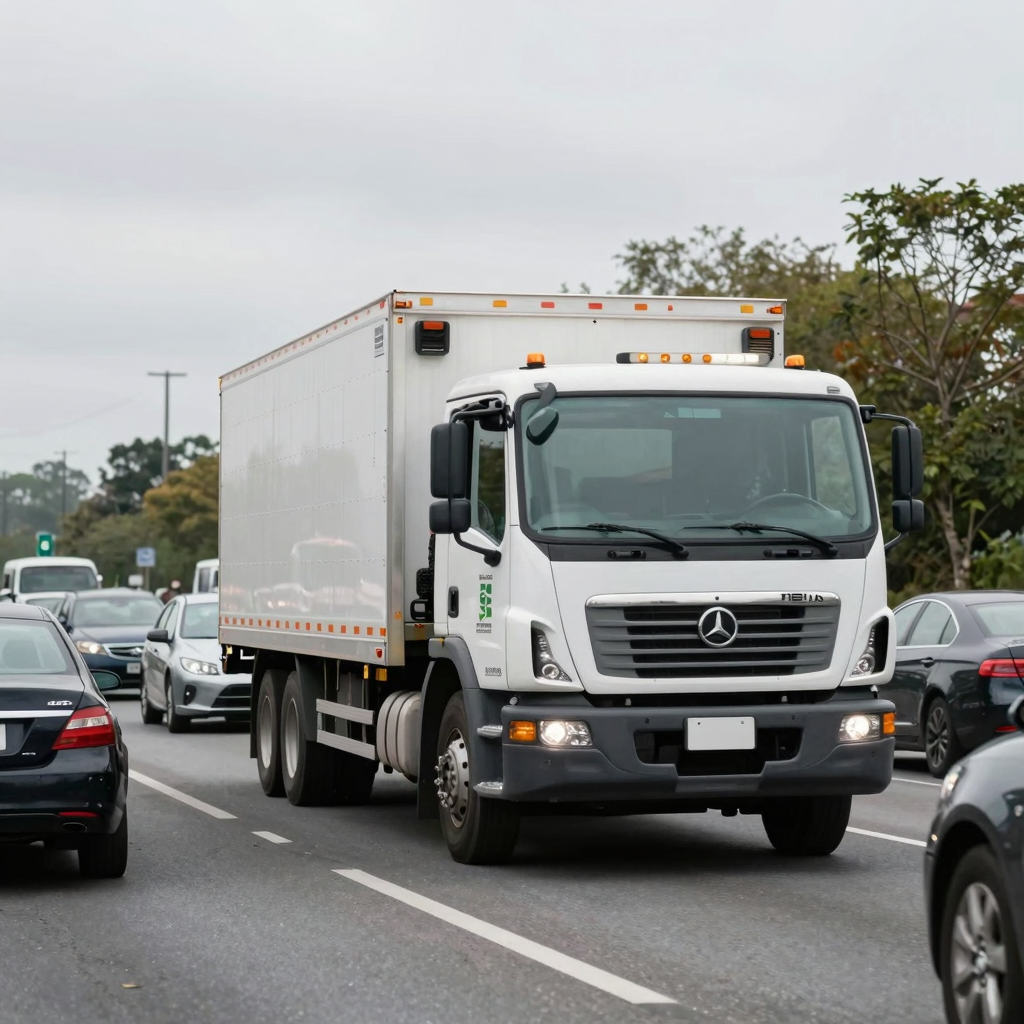
Introduction
Starting a tow truck business presents a unique opportunity for entrepreneurship in a growing market. As vehicles continue to populate our roads and breakdowns become inevitable, the demand for towing services has surged dramatically. In fact, with more than 270 million registered vehicles in the U.S., the need for prompt, reliable towing is at an all-time high. For business owners looking to capitalize on this trend, a tow truck business not only offers potential profitability but also helps ensure community mobility. By providing essential services like heavy-duty towing or roadside assistance, you can position your business as a vital resource for local drivers. With the right strategy, investment, and dedication, launching a tow truck company can lead to a flourishing operation and a rewarding career. To get started, consider exploring related towing services in Burke or Manassas to understand market needs better.
Starting a tow truck business can be a highly rewarding venture for aspiring business owners. Here are some key benefits to consider:
- Financial Potential: The towing industry has strong profit margins due to consistent demand for services like roadside assistance, especially with over 15 million roadside assistance calls made annually in the U.S. alone.
- Flexible Working Hours: Tow truck businesses often operate on a 24/7 basis, allowing owners to choose their hours and adapt their schedules to meet personal and professional commitments.
- Community Service: Towing services provide essential assistance in times of trouble, offering critical support to stranded drivers, which fosters goodwill within the community.
- Low Startup Costs: Compared to other commercial ventures, starting a tow truck business can require lower initial investments, making it accessible for many entrepreneurs.
For more about local towing services, check our Alexandria Towing options or contact us for more details.
Business Plan Overview for a Tow Truck Business
Starting a tow truck business requires a comprehensive business plan that covers essential aspects such as market analysis, financial projections, and operational plans. This structured approach ensures entrepreneurs effectively navigate the initial phases of their venture and sustain growth in the competitive towing industry.
1. Market Analysis
Market analysis is crucial to understanding the demand for towing services and identifying potential customers. Here are key components to assess:
- Target Customers: Identify primary clients, which may include automotive dealerships, insurance companies, and individual vehicle owners.
- Industry Trends: The towing service industry is experiencing growth, projected to reach $14 billion in the U.S. by 2028, driven by increasing vehicle ownership and accident rates. More details can be found in the Towing & Recovery Industry Report 2023.
- Competitive Analysis: Evaluate your competitors in local markets. This includes identifying key players and understanding their strengths and weaknesses.
2. Financial Projections
Financial projections illustrate the business’s economic outlook. Include:
- Startup Costs: Estimate between $50,000 and $150,000 depending on vehicle types and equipment needed.
- Revenue Forecast: First-year revenues can range from $120,000 to $250,000, with potential net profit margins of 15-25% after deducting operational costs. These metrics are visualized in the accompanying chart below.

3. Operational Plans
Operational plans outline daily business activities:
- Service Offerings: Define the scope of services, including emergency roadside assistance, fuel delivery, and vehicle recovery.
- Staffing Needs: Determine the number of drivers and operational staff required. Assess training programs and certification necessities.
- Equipment Procurement: Detail the types of tow trucks needed, considering size and capability based on services to be provided.
A well-rounded business plan for a tow truck business not only serves as a roadmap for your enterprise but also attracts potential investors, ensuring a solid foundation for success and longevity in the towing industry.
For local towing services, consider checking out options in Alexandria or Manassas.
| Equipment Type | Estimated Cost | Purpose |
|---|---|---|
| Tow Truck (Rollback/Flatbed) | $15,500 – $29,000 | Primary vehicle for towing |
| Winch System | $1,000 – $5,000 | Recovery of stuck vehicles |
| Towing Chains and Straps | $200 – $1,000 | Securely attach vehicles |
| Safety Cones | $50 – $200 | Warning to others during operations |
| Reflective Vests | $10 – $50 each | Enhance visibility for safety |
| Diagnostic Tools | $200 – $500 | Troubleshooting vehicles |
| Wheel Dollies | $400 – $800 | Facilitate movement of vehicles |
| Jack Stands | $200 – $600 | Stabilize lifted vehicles |
| Mobile Communication System | $100 – $500 | Keep in touch with dispatch |
| Insurance (Annual) | $800 – $2,000 | Coverage against liabilities |
| Licensing Fees | $100 – $500 | Legal operation of business |
Starting a tow truck business involves investing in several pieces of essential equipment. This table summarizes the costs and purposes of key items required for safe and efficient towing operations. If you’re looking for local towing service options, consider checking out Burke Towing Service or Washington DC Towing.
Marketing Strategies for a Tow Truck Business
In the competitive landscape of towing services, effective marketing strategies are essential for attracting clients and ensuring business growth. Both traditional and digital marketing methods can play a significant role in meeting your goals.
Traditional Marketing Strategies
- Local Advertising: Utilize local radio stations to reach drivers and commuters. Advertise during peak traffic hours to maximize visibility and ensure your message reaches a relevant audience.
- Branded Vehicles: Your tow trucks serve as mobile billboards. Invest in high-visibility wraps that showcase your branding, contact information, and services offered. As noted in a Tow Truck Business Journal article, signage and branding are crucial for creating familiarity in the local area.
- Direct Mail Campaigns: Send flyers or postcards to homeowners and local auto shops. Highlight your services, special promotions, or referral programs. This can capture the attention of potential clients in your target market.
- Community Engagement: Sponsor local events or youth sports teams to build a positive reputation in your community. Such sponsorships foster goodwill and word-of-mouth marketing, which is immensely valuable in the towing industry.
Digital Marketing Strategies
- Building a Professional Website: Your website should include information about services, pricing, and online booking features. This is critical for appealing to tech-savvy customers. Having a strong online presence can be enhanced via platforms like Google My Business, which helps local visibility, enabling you to connect with clients actively searching for towing services.
- Social Media Engagement: Leverage platforms like Facebook and Instagram to share customer testimonials, engage with your audience, and provide safety tips. A TowPro Blog article suggests that sharing client success stories can build trust and attract new clients.
- Search Engine Advertising: Invest in targeted Google Ads focusing on keywords like “emergency towing near me” to attract immediate attention from those in need of your services.
Combining these traditional and digital marketing methods can significantly enhance your visibility and client base in the towing industry.
Case Study: RoadReady Towing
One of the most notable success stories in the tow truck industry is that of RoadReady Towing, which started as a small regional business and grew to operate over 100 trucks in just five years. This case study highlights the key strategies RoadReady implemented to achieve phenomenal growth and sustainability.
Strategies for Growth
- Strong Branding: RoadReady focused on building a trusted brand known for reliability and 24/7 service availability. This approach attracted a steady stream of customers who relied on their services in emergencies.
- Technology Investment: The company invested in GPS tracking and smart dispatch software, significantly improving their operational efficiency. This allowed them to reduce response times and optimize the deployment of their tow trucks.
- Strategic Partnerships: Forming alliances with local auto dealerships and rental agencies created additional business opportunities, as these partners often needed towing services for their vehicles.
Focus on Employee Training
To ensure a high level of service, RoadReady prioritized comprehensive training for its employees. This emphasis on staff development not only boosted employee morale but also enhanced customer satisfaction.
Diversification of Services
To maintain sustainability, RoadReady expanded its suite of offerings to include mobile locksmith services and battery replacements. By diversifying their services, they met more customer needs and generated additional revenue streams.
These strategic moves not only propelled RoadReady Towing’s rapid growth but also ensured its long-term sustainability in a competitive industry. For more information on successful towing businesses, you can learn more about Ace Towing services or check out Burke Towing Service.
Key Industry Regulations and Licensing Requirements for Starting a Tow Truck Business
Starting a tow truck business involves navigating a complex landscape of regulations and licensing requirements that vary by region. It is crucial for budding entrepreneurs to understand these regulations to ensure compliance and avoid severe penalties. This article explores key regulations across various areas, emphasizing the importance of compliance for new business owners.
United States Regulations
In the United States, the regulations governing tow truck businesses differ significantly from state to state. Here are some fundamental requirements:
-
Business Licenses: Most states require tow truck operators to obtain a general business license and a specific tow truck operation permit. For example, California mandates that tow companies register with the California Public Utilities Commission (CPUC).
-
Driver Licensing: Tow truck drivers typically need to possess a Commercial Driver’s License (CDL). Certain states might also have additional requirements regarding driver training and background checks.
-
Local Regulations: Cities often have their own rules. For example, New York City requires a tow company license, which includes providing proof of insurance, a detailed background check, and adhering to consumer protection laws concerning towing and storage fees (NYC Department of Consumer and Worker Protection).
-
Compliance with Safety Regulations: Regulations mandate inspections for tow vehicles to ensure they meet safety standards. Businesses must comply with municipal regulations regarding the safety and maintenance of their tow trucks.
-
Insurance Requirements: Most states require towing companies to carry liability insurance and, in some cases, additional coverage for cargo and physical damage.
Canada Regulations
The towing industry in Canada has its own set of regulations, which can vary by province. For instance:
- In Alberta, towing companies must obtain consent from consumers before towing a vehicle. Transparency in storage fees and related charges is mandatory (Alberta Government).
Australia and UK Regulations
In regions like Australia and the UK, towing regulations are strictly enforced to protect both consumers and operators:
- Western Australia requires tow truck operators to register as licensed operators, ensuring they meet all technical and legal requirements (Transport WA).
- In the UK, local authorities regulate towing companies to ensure they are operating legally, which includes having appropriate insurance and fee transparency (UK Government).
Importance of Compliance
Compliance with industry regulations is critical for several reasons:
- Legal Protection: Ensuring your business meets all regulatory requirements protects against fines and legal issues. Non-compliance can lead to severe penalties, including losing your operational license or facing significant fines.
- Consumer Trust: Adhering to regulations enhances your reputation, building trust with consumers who feel safer knowing they are dealing with a compliant service provider.
- Insurance Coverage: Many insurers require compliance with local regulations for coverage. Failure to meet these can result in a denial of claims.
- Operational Efficiency: Understanding and complying with regulations can improve your operational processes, leading to enhanced efficiency and reduced liability.
For instance, the recent implementation of Subchapter M regulations by the U.S. Coast Guard established safety mandates for towing operations, highlighting the need for rigorous compliance practices to maintain competitive standing (U.S. Coast Guard). Non-compliance can result in fines, vessel seizure, or loss of operating privileges, making adherence a fundamental business necessity.
Conclusion
Starting a tow truck business requires a solid understanding of the regulatory landscape. Familiarizing yourself with local, state, and national regulations is not just a legal obligation but a strategic move to ensure the longevity and success of your business. For further reading on local services and regulations within specific areas, consider checking out our services in Burke Towing Service and Washington DC Towing.
Towing Industry Growth Trends (2018 – 2023)
The towing industry has shown significant growth over the past five years, reflecting increasing demand and rising average service pricing. Below is a chart illustrating these trends based on real data:

| Year | Demand (in millions) | Average Service Pricing ($) |
|---|---|---|
| 2018 | 90 | 90 |
| 2019 | 92 | 92 |
| 2020 | 94 | 95 |
| 2021 | 97 | 97 |
| 2022 | 100 | 100 |
| 2023 | 103 | 103 |
Insights
- The market size of the towing industry in the U.S. was approximately $10.3 billion in 2023 and is projected to expand at a CAGR of 4.1%. This growth is driven by factors such as a rise in vehicle ownership and an increase in traffic congestions leading to more service calls.
- Rising average service prices signify the growing value of towing services, reflecting both demand and costs associated with providing prompt and effective service.
For more detailed insights into local services, check out our Burke Towing Service or towing services in Washington, D.C..
In conclusion, starting a tow truck business requires careful planning and consideration of various factors such as licensing, insurance, equipment, and marketing strategies. By understanding the market and legal requirements, you can position your towing service for success. Remember, the key takeaways include ensuring compliance with local regulations, investing in quality equipment, and building strong relationships with clients. If you’re ready to take the next step and establish your own towing business, don’t hesitate to reach out to Zoomlion for expert advice and guidance. Their team can help you navigate the complexities of starting your business, from choosing the right tow truck to marketing your services effectively. Contact us today to unlock your tow truck business potential and achieve your entrepreneurial dreams!
“当前经济发展强调‘提质向新’,对消费的鼓励政策应当…推动行业向智能化、专业化和高附加值方向发展。”
- 许海东, 经济学专家
This quote emphasizes the future direction of the towing industry, highlighting the importance of innovation and value enhancement. As you consider starting your tow truck business, keep these insights in mind. For further guidance on establishing your operations, you can learn more about our services or explore towing options in Alexandria.