
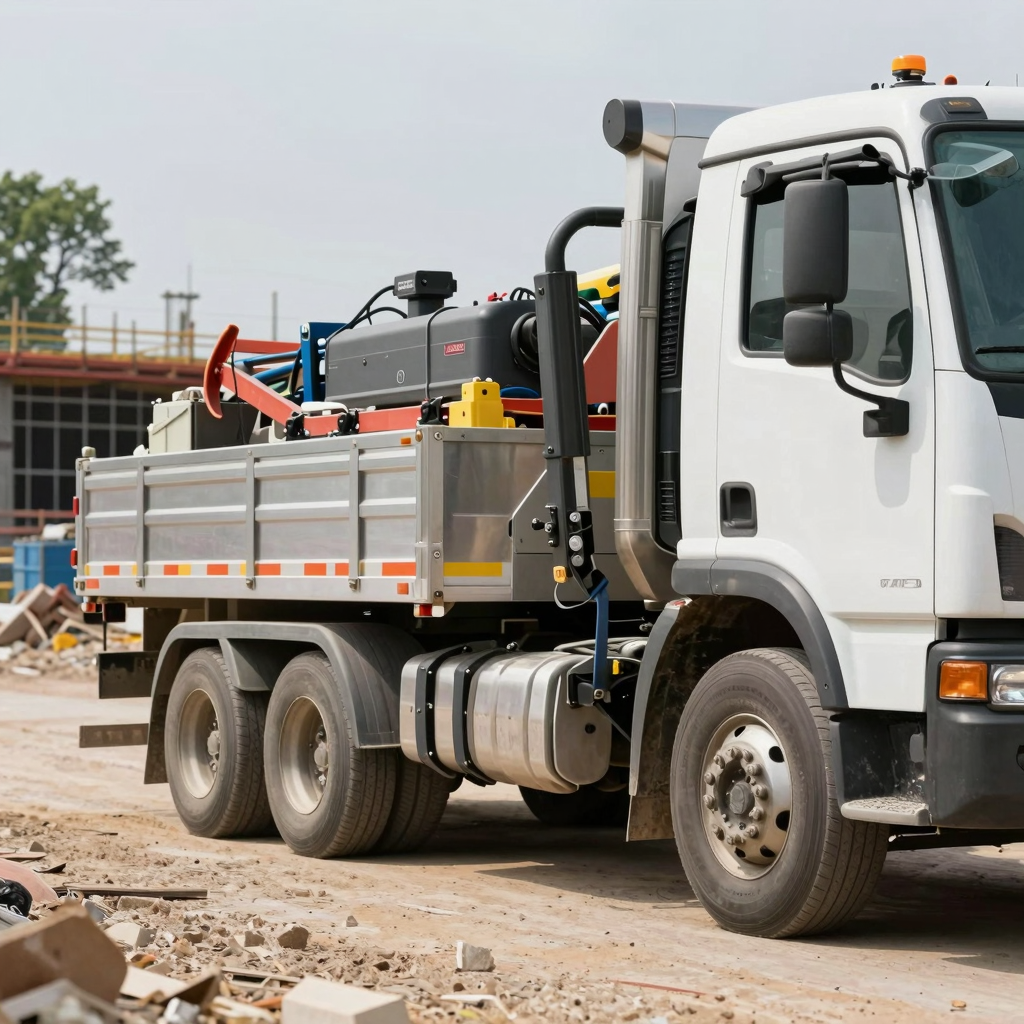
When it comes to maximizing the efficiency of your business operations, having the right equipment is crucial. For business owners who frequently need to transport equipment or trailers, installing a tow hitch on a truck is not just a convenience – it’s a necessity. Understanding the significance of a reliable tow hitch can positively impact your logistics, improve productivity, and ensure that you meet client demands effectively. Whether you’re in construction, landscaping, or catering services, the ability to haul trailers or heavy loads can make or break your business.
Imagine the freedom of transporting equipment without the limitations of size or distance. With a properly installed tow hitch, your truck transforms into a multi-functional vehicle, capable of tackling various transport tasks with ease. But how do you choose the right tow hitch? And what does the installation process entail? In this guide, we will explore the vital steps to successfully install a tow hitch on your truck. Stay tuned as we equip you with the knowledge to enhance your business transportation capabilities.
For more assistance with towing and transport solutions, check out our guide on Burke Towing Services or get in touch with us for professional advice!
Common Types of Tow Hitches Used by Businesses
When it comes to towing heavy loads, businesses have various tow hitch options to choose from. Here are five common types of tow hitches, each with specific uses and advantages:
-
Receiver Hitch
The receiver hitch is the most common type used, available in various classes (I, II, III, IV). Class III and IV receiver hitches can handle between 3,500 to 10,000 lbs, making them ideal for light to medium-duty applications. They are versatile and compatible with various attachments, including cargo carriers and bike racks. Learn more about Burke Towing. -
Fifth-Wheel Hitch
This type of hitch is mounted in the bed of a pickup truck and is designed for heavy-duty towing, particularly suited for large trailers such as RVs or commercial flatbeds. It offers excellent stability and weight distribution, which is crucial for safer, longer hauls. This hitch is standard for many logistics companies. -
Gooseneck Hitch
Often used in agricultural and industrial settings, the gooseneck hitch is mounted on the chassis, allowing for heavier loads. It is ideal for transporting livestock trailers and other heavy equipment due to its superior load capacity and maneuverability. -
Ball Hitch
A simple and cost-effective solution, the ball hitch is easy to attach and detach. It is perfect for small to medium trailers, commonly used for personal hauling or lightweight commercial transport. -
Pintle Hitch
Known for its durability, pintle hitches are ideal for heavy-duty applications, especially in off-road conditions. They are commonly used in military and construction settings where robust towing capabilities are needed.
When selecting a tow hitch, consider factors such as load capacity, vehicle compatibility, and specific towing needs. Understanding these types will help you choose the right hitch for your business operations. For more towing solutions, check our towing services.
Safety Considerations for Installing and Using a Tow Hitch
When it comes to installing and using a tow hitch, business owners need to prioritize safety to ensure both efficient operation and liability protection. Here are several critical safety considerations to keep in mind:
1. Understand Weight Limits
Before attaching a tow hitch, it’s essential to refer to the vehicle manufacturer’s specifications regarding weight limits. Exceeding these limits can lead to serious consequences, including brake failure and loss of vehicle control. According to the Federal Motor Carrier Safety Administration (FMCSA), the combined gross vehicle weight rating (GVWR) for non-commercial vehicles should not exceed 10,000 pounds. Furthermore, the trailer’s tongue weight should ideally be 10-15% of the total trailer weight to ensure stability during transit.
2. Proper Securing Techniques
To prevent accidents during towing, all trailers and attachments must be securely fastened to the hitch. This includes using appropriate safety chains, bolts, or clips. Statistics from the National Highway Traffic Safety Administration (NHTSA) emphasize that many trailer-related accidents are caused by broken or improperly secured safety chains, which are crucial for maintaining connection integrity in the event of a hitch failure.
3. Regular Maintenance and Inspection
Routine inspections of the towing setup are essential. Before each journey, check that the hitch is correctly installed, secure, and free of rust or damage. Ensure that the trailer lights are functioning and the brakes are in good working order. Regular maintenance can significantly reduce accident risks and enhance towing safety.
4. Adhere to Local Regulations
Each locality may have specific regulations governing towing, including speed limits and maximum allowable weights. Make sure to familiarize yourself with and adhere to these laws to avoid fines or legal issues.
In conclusion, understanding weight limits, applying proper securing techniques, maintaining equipment, and following local laws are vital safety considerations for business owners when using a tow hitch. Maintaining these practices not only ensures safer towing operations but also protects against potential liabilities associated with towing accidents.
Industry Standards for Tow Hitch Installation
When it comes to installing tow hitches, adherence to industry standards is crucial for ensuring safety, compliance, and functionality. Business owners involved in towing should familiarize themselves with the various standards that govern tow hitch installations in different regions, as well as the best practices that enhance safety and performance.
Key Industry Standards
- United States: In the U.S., several standards apply, including SAE J680 and SAE J2543. These standards define specifications for coupling designs, strength requirements, and towing capacities to prevent failures and accidents.
- Canada: Canadian Vehicle Regulations such as CMVSS 111 and CSA B127.1 regulate trailer coupling systems, ensuring safety chains and hitch components maintain specified performance metrics.
- European Union: ECE regulations such as ECE R55 provide guidelines regarding coupling devices, while ECE R119 oversees electrical connectors for trailers.
Compliance Points and Installation Requirements
The following table outlines compliance points and installation requirements across different standards:
| Category | United States (SAE J680, SAE J2543) | Canada (CMVSS 111, CSA B127.1) | European Union (ECE R55, ECE R119) | Key Compliance Points | Installation Requirements | Safety Considerations |
|---|---|---|---|---|---|---|
| Standardization & Certification | Requires third-party certification | Regulated under vehicle standards | EU homologation necessary | Compliance with strength and durability specifications required | Installed by certified technicians following torque specifications | Use OEM parts; avoid any modifications to hitch design |
| Load Capacity & Ratings | Matches GVWR and tongue weight | Adheres to certified towing limits | Must comply with EU limits | Hitch must be rated for the total trailer weight and tongue weight | Install hitch as specified by the vehicle manufacturer | Overloading leads to structural failure; check weight distribution before towing |
| Coupling Mechanism & Design | Pin-and-socket coupling standards | Safety latches mandatory | Ball-type with locking mechanisms | Must securely lock in place, with no worn components | Use proper ball size and hitch pin; ensure security before travel | Inspect couplings regularly for secure attachment |
| Safety Chains & Attachment | Minimum 1/2″ diameter steel chain | Rated for hitch capacity | Strong enough to support trailer weight | Chains must connect securely to hitch frame | Attach chains in an “X” pattern below the trailer tongue | Double-check connections before travel |
| Electrical & Lighting Systems | Compliance with SAE lighting standards | Canadian lighting compliance | EU regulations on signal timing | All lights must be functional and visible from a distance | Ensure weatherproof wiring and avoid routing near heat sources | Regularly test lights and replace faulty components |
| Inspection & Maintenance | Annual inspections recommended | Mandatory pre-trip inspections | Periodic checks required | Inspect hitch and coupler before every use | Lubricate moving parts annually; tighten bolts as needed | Do not tow with compromised equipment |
For more specific guidelines and compliance updates, refer to the detailed resources from SAE International and Transport Canada.

Conclusion
Understanding and implementing these industry standards and best practices is imperative for business owners involved in towing operations. By adhering strictly to these guidelines, you can ensure not only compliance but also safety for all towing activities. Regular training and inspections will further enhance the reliability of your towing setup, helping to prevent accidents and prolong the life of your equipment. For additional assistance, consider reaching out to our towing service experts in Burke or Manassas areas.
Step-by-Step Guide to Installing a Tow Hitch
Installing a tow hitch can seem daunting, but with the right tools and a systematic approach, it’s a task you can accomplish. Whether you are a business owner looking to enhance your truck’s utility or someone needing to tow regularly, this guide will walk you through the process of installing a tow hitch.
Tools Needed
- Socket Wrench Set: For loosening and tightening bolts
- Torque Wrench: To ensure bolts are secured to manufacturer specifications
- Drill (if required): For creating new holes if necessary
- Safety Glasses: To protect your eyes during installation
- Jack and Jack Stands: To safely lift the vehicle
- Hitch Kit: Make sure it is compatible with your vehicle’s specifications
Safety First
- Read the Owner’s Manual: Before starting, refer to your vehicle’s owner’s manual to ensure it is equipped for towing and to understand its towing capacity.
- Prepare Your Workspace: Choose a flat, well-lit area away from traffic. Ensure your truck is parked on level ground and engage the parking brake.
Step 1: Gather Your Supplies
Ensure you have all tools and the tow hitch kit readily available. Check that the hitch matches your vehicle’s make and model for compatibility. Refer to resources such as ACE Towing Services for professional advice if unsure.
Step 2: Prepare the Vehicle
- Disconnect the Battery: This avoids any electrical issues while working on the vehicle.
- Remove Any Obstructions: Some trucks may require you to remove trim panels or covers around the hitch mounting area. This could include plastic coverings that hide bolt holes.
Step 3: Position the Tow Hitch
- Align the Hitch: Place the hitch against the mounting holes on the vehicle’s frame. Use a jack or a second set of hands to lift it into the correct position.
- Check Leveling: Ensure the hitch is level with the ground to avoid any towing issues later on. Use a level tool if necessary to confirm.
Step 4: Secure the Hitch
- Insert Bolts: Start by inserting bolts through the hitch and into the vehicle’s frame. Most hitches come with their own hardware, but ensure you’re using the correct size and grade of bolts.
- Tighten Bolts: Using a socket wrench, tighten the bolts in a crisscross pattern to ensure even pressure. Follow the manufacturer’s specifications regarding torque settings, typically found in the installation guide.
- Pro Tip: Use a torque wrench to apply the correct amount of torque to the bolts, which prevents them from loosening due to vibrations.
Step 5: Final Checks
- Inspect the Installation: Locate any potential issues like loose bolts or misalignment. Make sure everything is securely in place and that there are no obstructions to vehicle operations, such as the exhaust or suspension.
- Test the Hitch: Before using it for heavy loads, perform a slow test pull with a minimal load to check for stability and ensure there are no odd noises.
Common Mistakes to Avoid
- Ignoring Vehicle Specs: Always ensure your hitch is rated for your specific vehicle’s towing capacity and configuration. Refer to ACE Towing Services if needed.
- Incorrect Bolt Tightening: Avoid tightening bolts in random order; this can lead to structural weaknesses.
- Failing to Test: After installation, never skip the testing phase. A poorly installed hitch could lead to significant safety hazards.
Conclusion
Installing a tow hitch might seem complex, but following this step-by-step guide can ensure that the process is straightforward and effective. By avoiding common mistakes and rigorously following safety measures, you will enhance your vehicle’s towing capabilities. If you require assistance or prefer to have your hitch installed professionally, consider contacting a local towing service provider.


| Hitch Type | Gross Trailer Weight (GTW) Capacity | Tongue Weight (TW) Capacity | Primary Usage Scenarios | Installation Complexity | Key Features |
|---|---|---|---|---|---|
| Ball Hitch | Up to 6,000 lbs | Up to 900 lbs | Small to medium trailers, boat trailers, utility trailers, campers, everyday towing | Low – Simple design, quick connect/disconnect | Standard ball sizes (1-7/8″, 2″, 2-5/16″); 360° articulation; affordable and widely available |
| Class III Receiver Hitch | Up to 6,000 lbs | Up to 900 lbs | Mid-sized camper trailers, SUVs, trucks, cargo carriers, bike racks | Medium – Requires proper torque, secure pin-and-lock mechanism | Available in 1.25″ or 2″ receiver tubes; compatible with multiple accessories; ideal for versatile use |
| Class IV Receiver Hitch | Up to 10,000 lbs | Up to 1,500 lbs | Large RVs, heavy-duty trailers, boats, commercial hauling, larger campers | Medium to High – Requires precise fit, professional installation recommended | Larger receiver tube (2″ or 2.5″); stronger frame mounting; suitable for high-load applications |
| Fifth-Wheel Hitch | Typically over 10,000 lbs | Typically over 1,500 lbs | Heavy-duty towing: horse trailers, large motorhomes, commercial equipment, long-haul hauling | High – Requires bed modifications, specialized mounting, and alignment | Mounts in truck bed; superior weight distribution; reduced sway; excellent stability at high speeds |
Maintenance Tips for Tow Hitches
Maintaining your tow hitch is essential to ensure reliability and safety, especially if you are a business owner reliant on towing services. Proper maintenance not only extends the life of your equipment but also prevents potential accidents.
Regular Inspections
Conducting regular inspections is a critical aspect of hitch maintenance. Here’s what to focus on:
- Visual Checks: Inspect the hitch for signs of damage or wear. Look for rust, cracks, and any bent or broken components.
- Connection Points: Ensure that all connection points are secure. Loose bolts or connectors can lead to dangerous towing situations.
- Monthly Checks: It is advisable to perform inspections monthly, especially if the hitch sees frequent use. Learn more about towing services in Burke, VA.
Cleaning the Hitch
Keeping the hitch clean is vital to prevent corrosion and maintain functionality:
- Debris Removal: After each use, remove dirt, mud, and debris from the hitch and connection points. This helps in preventing blockage and ensures smooth operation.
- Wash with Soap and Water: Use soapy water for a thorough clean and dry it with a soft cloth. Avoid introducing abrasive materials that may scratch surfaces.
- Seasonal Cleaning: If you’re in an area with harsh weather conditions, increase the frequency of cleaning sessions.
Lubrication
Lubrication is key to preventing parts from seizing up. Follow these guidelines:
- Use Quality Lubricants: Apply high-temperature lithium-based grease or a synthetic lubricant specially designed for trailer hitches. Avoid using regular petroleum-based products as they may fail under high-friction conditions.
- Lubricate Moving Parts: It is important to lubricate parts that experience motion, such as the coupler and any sliding components. This should be done after cleaning, ensuring that no debris interferes with the lubrication.
Protecting the Hitch
Protecting your tow hitch is equally crucial for longevity:
- Cover Up: When not in use, consider using a protective cover to shield the hitch from the elements. This can prevent rust and prolong its life and effectiveness.
- Avoid Overloading: Make sure to never exceed the tow hitch’s rated capacity. Overloading can cause undue stress and lead to premature wear or failure.
Repair and Replacement
- Monitor for Signs of Wear: If any part of the hitch shows significant wear or damage, replace it immediately. DIY repairs can save time, but ensure you’re using quality replacement parts.
- Professional Help: If you’re unsure about the condition of your hitch or how to perform repairs, don’t hesitate to consult with a professional towing service. Find out more about our towing services in Alexandria.
Conclusion
By following these maintenance tips, you can ensure that your tow hitch remains in good working condition. Regular inspections, cleaning, lubrication, and protecting your equipment will extend its lifespan and keep your towing operations safe and efficient. Take the time to care for your equipment; it can make all the difference in your towing experience!
Proper towing equipment is essential for maintaining safety, efficiency, and compliance in business operations. As highlighted by industry experts,
“Proper towing equipment ensures vehicles are handled safely and efficiently across industries. For businesses, this means minimizing vehicle damage, protecting personnel, and avoiding costly delays.” – Truck & Recovery Solutions Guide (2025)
Investing in quality towing gear not only meets regulatory standards but also boosts customer trust and enhances service reliability, showcasing the importance of robust towing solutions in today’s competitive market.
Conclusion and Call to Action
In conclusion, installing a tow hitch on your truck can significantly enhance its utility, especially for business owners in need of towing services. The benefits of having a hitch include the ability to transport varied loads, which is vital for operations in logistics, delivery, and transportation industries. Not only does a properly installed hitch expand towing capacity-which can exceed 10,000 pounds with a Class IV hitch-but it also ensures better vehicle stability and safety while on the road. For business owners, this means reduced downtime during breakdowns and the ability to fulfill client commitments without delay, safeguarding your company’s reputation and financial bottom line.
Furthermore, choosing a reliable towing service provider is crucial. A trustworthy company offers 24/7 support and utilizes technology for quick response times, minimizing disruptions for your fleet. Consider the insights shared in articles on how to choose a towing company for businesses and the importance of towing services in maintaining operational efficiency derived from industry studies.
As a business owner, understanding these essentials can significantly streamline operations and enhance productivity. If you need a dependable towing partner, look no further than Ace Towing. Our team is ready to assist with your towing needs, ensuring your vehicles are back on the road in no time. Contact us today to discuss how we can support your business in maintaining efficiency and reliability.