
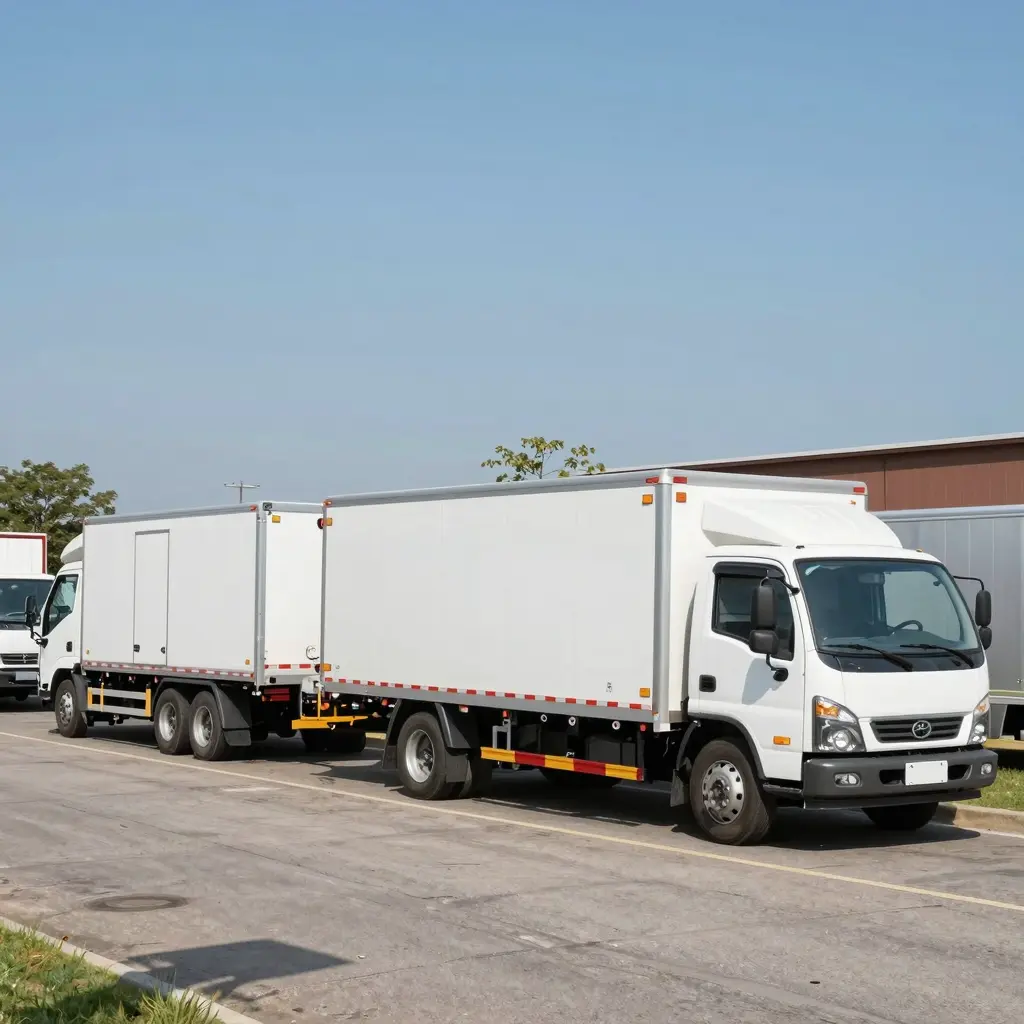
The Importance of Renting a Truck for Towing Trailers
Renting a truck for towing trailers is not just a practical solution; it’s a savvy business move that can significantly bolster your operations. For business owners, the convenience of having access to a reliable truck when needed can eliminate downtime and enhance project efficiency. Whether you’re transporting equipment, vehicles, or materials, a suitable truck is essential for ensuring your loads are moved safely and efficiently. Not only does renting provide the flexibility and variety of options tailored to your specific hauling needs, but it also allows you to save on high purchase costs and maintenance expenses associated with owning a vehicle that may only be utilized sporadically. In this article, we will explore the best places to rent a truck for towing trailers, delving into factors like pricing, availability, and rental terms to help you make an informed choice. For those seeking specific local options, check out towing services in Manassas and towing services in Washington D.C. that cater to your rental requirements.
Factors to Consider When Renting a Truck
When it comes to renting a truck for towing trailers, especially for business purposes, several key factors need to be considered to ensure a successful and efficient rental experience. Here are the most important factors:
-
Truck Size:
-
Determine the size of the truck you need based on the size and weight of the trailer and cargo you plan to tow.
-
Common truck sizes include:
- Light-duty (suitable for smaller trailers)
- Heavy-duty (required for larger, heavier loads)
-
Towing Capacity:
-
Each truck has a specified towing capacity, which is crucial for safety. Ensure that the truck can handle the weight of your trailer and cargo. Consult the rental agency for specific towing capacity data.
-
For example, light-duty trucks typically tow around 7,000-10,000 pounds, while heavy-duty trucks can tow anywhere from 12,000 to 20,000 pounds. Learn more about towing capacities.
-
Rental Terms:
-
Review the rental agreement carefully. Pay attention to the rental duration, mileage limitations, and any fees associated with towing.
-
Look for flexibility in rental terms to accommodate any unexpected business needs.
-
Insurance Options:
-
Evaluate the insurance coverage options provided by the rental company. Understand what is included and what additional coverage may be necessary.
-
Read about typical insurance plans available for truck rentals here.
-
Fuel Type and Economy:
-
Consider the fuel type (diesel vs. gasoline) and the fuel economy of the truck, as these can affect overall rental costs.
By carefully considering these factors, business owners can ensure they select the right rental truck that meets their towing needs effectively.
Top Truck Rental Companies Offering Towing Services
When looking to rent a truck that also provides towing services, reliability and quality of service are key factors. Here are some of the top truck rental companies known for their excellent service:
- U-Haul: Offers a wide range of trucks suitable for various moving needs and includes towing options.
- Enterprise Rent-A-Car: Provides extensive truck rental services along with custom solutions for towing.
- AAA: While primarily known for roadside assistance, they also offer towing services that can be beneficial in emergencies.
As a business owner, renting a truck able to tow trailers can be a crucial part of operations, whether for moving equipment or transporting goods. However, it’s essential to be aware of the average costs and potential hidden fees associated with truck rentals in order to make informed decisions. Here’s a breakdown of what to expect when it comes to renting trucks for towing purposes.
Average Pricing
Prices for truck rentals that can tow trailers vary by company, region, and vehicle specifications. Here’s an overview of the typical costs you might encounter:
- U-Haul:
- Base Rental Fees: Local rentals start around $19.95 to $39.95 per day.
- Mileage Costs: Expect additional mileage fees ranging from $0.99 to $1.29 per mile. Long-distance rentals might also incur different pricing structures.
- Additional Fees: Optional add-ons such as moving supplies and insurance can significantly increase the overall cost. For more details on U-Haul’s pricing breakdown, check the analysis on U-Haul Truck Rental Prices.
- Penske:
- Daily Rates: Penske offers competitive daily rates which can vary based on location and rental duration. Charges could start from around $39.99 for smaller trucks.
- Unlimited Mileage Option: For long-distance moves, Penske often includes unlimited mileage in its pricing, which can be a cost-effective choice compared to competitors.
- Additional Expenses: Just like U-Haul, Penske may charge for fuel, equipment rental (dollies, blankets), and insurance. For a more in-depth look at the pricing structure, see Penske Truck Rental Sizes and Prices.
- Budget:
- Starting Prices: Rental rates generally begin around $19.99 for local moves. However, customers often face additional fees for mileage, equipment, and other services.
- Hidden Costs: Hidden fees are typical; for instance, fuel charges, late return penalties, and environmental fees can add to the base cost. For details, check Budget’s range estimates at Budget Moving Services.
Hidden Fees and Additional Costs
When dealing with truck rentals, it’s vital to consider the following additional costs that can accumulate quickly:
- Fuel Charges: Rental agreements typically require the truck to be returned with the same fuel level it had at pickup, otherwise additional refueling charges will apply.
- Insurance: While optional, opting for rental insurance can protect against liabilities but will add to the daily rental cost. Evaluate whether your business insurance covers rental vehicles.
- Mileage Overages: Exceeding the contracted mileage can lead to fees that escalate quickly, especially on local rentals.
- Accessory Rentals: If you need equipment such as towing accessories, pads, or dollies, factor in these costs as they can be inexpensive but often overlooked.
Conclusion
In summary, renting a truck for towing trailers can vary significantly in price depending on the provider and additional factors involved. As a business owner, always read the rental agreement thoroughly and inquire about all possible fees upfront to avoid any unexpected costs. For towing needs, consider options like Burke Towing Service or Washington D.C. Towing to explore local solutions that may complement your rental strategy.
When budgeting for truck rentals, make sure to do your due diligence by comparing various services and understanding the full spectrum of costs involved.
Truck Rental Options Comparison
To help you choose the best truck rental option for towing needs, we have compiled a comparison of three popular rental companies, highlighting their features such as truck types, towing capacity, rental prices, and any special deals or offers.
| Company | Truck Types Available | Towing Capacity | Rental Prices (Daily) | Special Deals/Offers |
|---|---|---|---|---|
| U-Haul | 10 ft, 15 ft, 20 ft, 26 ft trucks | Up to 10,000 lbs | Starting at $19.95/day | Discounts for one-way rentals and online reservations |
| Penske | 12 ft, 16 ft, 22 ft, 26 ft trucks | Up to 10,000 lbs | Varies by location and truck size | Unlimited mileage on one-way moves |
| Home Depot | 10 ft, 15 ft, 20 ft trucks | Up to 5,000 lbs | Starting at $29.00/day | Tool rental discounts with truck rental |
For more insights about local towing services, feel free to check Burke Towing Service and Towing Service in Arlington.
Tips for Safe Towing Practices with Rented Trucks
When renting a truck for towing, especially for business purposes, ensuring safety is paramount. Proper towing techniques not only protect your cargo but also safeguard other road users. Here are some essential tips to keep in mind for safe towing practices:
1. Know Your Limits
Before you even hitch up a trailer, it’s vital to understand the Gross Vehicle Weight Rating (GVWR) of the truck you are renting. This rating indicates the maximum safe weight that the vehicle can handle, including the weight of the truck itself, passengers, and any cargo. Familiarize yourself with the rating specified in the vehicle’s manual or consult with the rental service. Learn more about towing limits and safety guidelines.
2. Weight Distribution
Proper weight distribution of the trailer is crucial. Load heavier items over the axle of the trailer and make sure that both the truck and trailer are balanced to prevent any sway while towing. According to Off The MRKT, an even distribution of weight enables better stability and control.
3. Pre-Towing Checklist
Before you tow:
- Inspect the hitch: Ensure the coupling is secure and the safety chains are properly attached.
- Examine the brakes: Check that the trailer’s brakes are functioning as they should, especially if it’s equipped with electric brakes.
- Tires: Verify that the tires on both the truck and trailer are properly inflated and in good condition.
4. Driving Tips
When driving a rental truck while towing, extra caution is required:
- Accelerate and brake gently: Sudden movements can destabilize the trailer and lead to accidents.
- Increase following distance: Allow for a longer stopping distance since the added weight takes more time to stop.
- Turn wide: Towing a trailer means your turning radius is larger, so be mindful of how you navigate corners and intersections.
- Check the mirrors frequently: Towing can blind spots easier; regular checks can help you stay aware of your surroundings.
5. Understand Regulations
Different states have various towing regulations. Make sure to familiarize yourself with local laws, including any required permits or limitations for trailers. This ensures compliance and promotes safety on the road.
Following these tips will help business owners maximize safety when towing with rented trucks. For those seeking towing services or more information about safe towing practices in the area, consider reaching out to Ace Towing for further assistance.
By adhering to these guidelines, you can significantly reduce the risks associated with towing and ensure a smoother operational flow for your business.
“Renting a tow truck has been a game-changer for our business! The cost savings, flexibility, and immediate access to reliable vehicles allowed us to efficiently handle fluctuating demands. We no longer have the burden of long-term commitments or vehicle maintenance, and the ability to respond swiftly to any towing need is invaluable.”
–Mike Johnson, Business Owner, from Mikes1 Towing

Industry Standards for Towing with Rental Trucks
When it comes to towing with rental trucks for business purposes, understanding the industry standards and regulations is crucial for compliance, safety, and efficiency. The regulations governing towing vary across states and can depend on the type of vehicle, the weight of the load being towed, and the specific rental company’s policies. Here are some key points to consider:
Legal Regulations
- Weight Limits: It is essential to stay within federal and state guidelines regarding the maximum towing limits for rental trucks. Generally, rental companies will provide this information, as exceeding these limits can lead to fines and safety hazards.
- Licensing Requirements: In many states, a special license is required to operate commercial vehicles that tow trailers. Make sure you check the local laws where you will be operating.
- Insurance Compliance: Businesses should verify that they have adequate insurance coverage for towing operations. This includes liability coverage for any accidents that may occur while towing.
Equipment Standards
- Tow Equipment: Ensure that appropriate towing equipment, such as hitches, safety chains, and brake controls, are used according to the specifications provided by the vehicle and trailer manufacturers. Improper or inadequate equipment can lead to accidents and fatalities.
- Regular Inspections: Routine checks of the towing equipment before embarking on a trip are essential. This includes inspecting the tow vehicle, trailer brakes, lights, and tires.
Rental Agreements
- Company Policies: Different rental companies may have various policies regarding towing. For example, some companies may restrict certain vehicle combinations or the types of trailers that can be towed. Always read the rental agreement carefully to avoid potential violations.
- Training and Safety: It’s advisable for business owners or their employees to undergo training on safe towing procedures. Some rental companies may offer materials or classes to aid in safe practices.
Compliance with Tow Truck Regulations
It’s vital to be aware of specific local regulations concerning tow trucks. For instance, Miami-Dade regulations require that tow operators cannot approach inoperable vehicles without a summons. Furthermore, the new towing regulations require safe lighting and equipment for stopped trucks on highways for safety and compliance.
In addition to state laws, spending time on understanding federal regulations from organizations like the Department of Transportation will provide broader clarity on compliance and best practices. For a comprehensive view of state laws regarding trailer towing, you may refer to the World Population Review overview.
By adhering to these standards and staying informed about the legal landscape, business owners can ensure safe and fulfilling towing experiences with rental trucks. For businesses in need of towing services, consider options like those available in Burke Towing Services for reliable support.
Ultimately, staying compliant not only protects your business but also enhances safety for everyone on the road, ensuring smooth operations toward your business goals.
Conclusion
In conclusion, finding the right truck rental service to tow your trailer is essential for any business owner looking to meet their transportation needs effectively. As we’ve discussed, several companies, such as U-Haul and Enterprise, offer a variety of options tailored to your specific requirements. These companies provide clear guidelines on towing capabilities, making it easier for you to choose the right vehicle that meets your towing needs.
Additionally, when considering the logistics of towing, it’s essential to check whether the rental company offers necessary accessories and understands the legalities involved in towing. By doing your research and properly preparing, you can ensure a smooth experience that enhances your business operations.
Don’t wait-contact us today to discuss your needs, request a quote, or learn more about how we can support your mission to protect lives and property. Whether you are in Burke or Washington, D.C., Acex Towing has the solutions you need.