
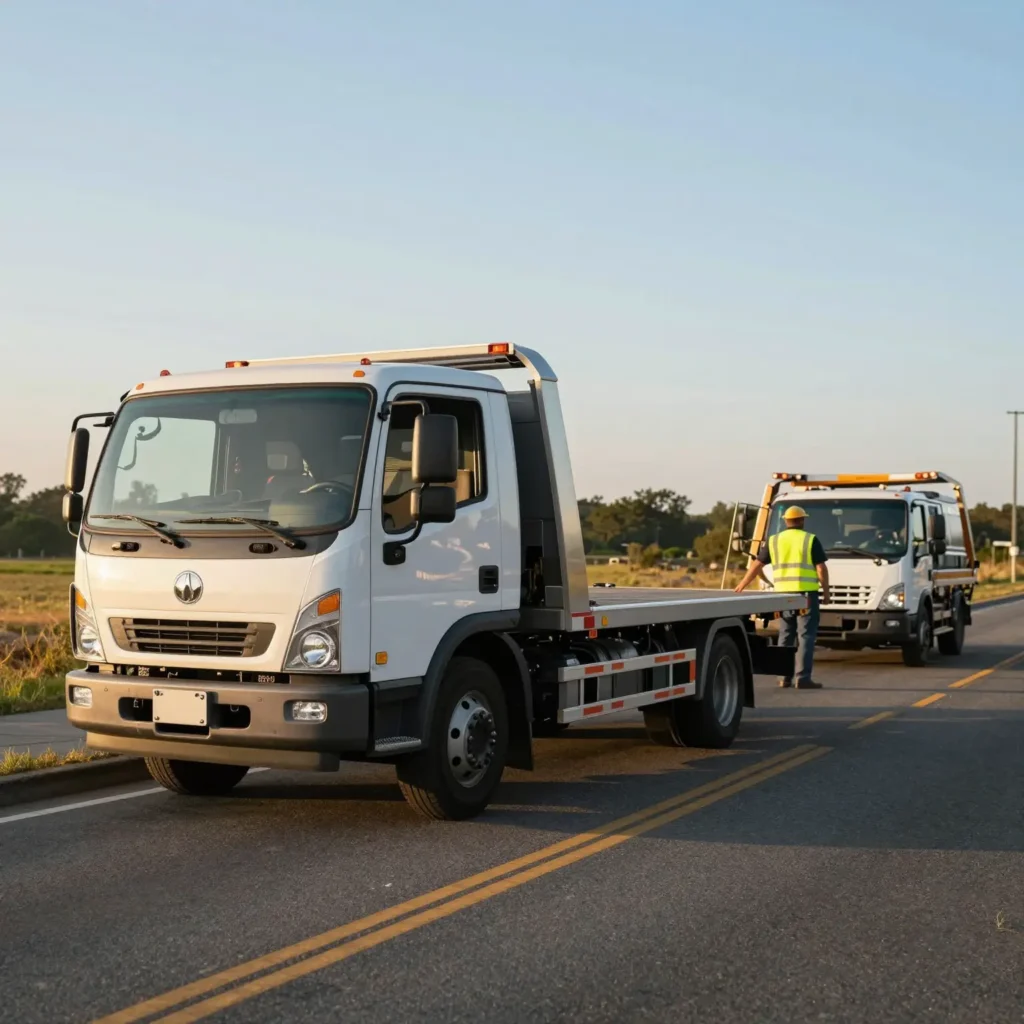
If you’ve ever scrambled to find a last-minute solution when a fleet vehicle goes down, you already know the sinking feeling that follows: stalled jobs, frustrated customers, and a bill that keeps climbing by the minute. Knowing where to rent a truck for towing isn’t just a logistical detail-it’s a strategic business decision. The right truck rental for towing can mean the difference between a minor operational hiccup and a full-blown revenue crisis. Yet too many business owners treat it as an afterthought, hunting for any available vehicle when trouble strikes rather than building a reliable rental strategy in advance.
Here’s why that matters more than you might think. Your fleet is the engine of your business. Every hour a truck sits idle-whether due to a mechanical breakdown, an accident, or a failed inspection-is an hour your operation is losing money. Industry data shows that fleet downtime costs businesses hundreds of dollars per hour per vehicle, with some larger operations reporting losses into the thousands. Add in the indirect costs of delayed deliveries, missed service appointments, and overtime pay for drivers playing catch-up, and the financial picture gets even worse. A subpar rental choice-whether it’s an underpowered truck, a poorly maintained unit, or one without the right towing capacity-doesn’t just slow you down; it compounds those losses.
Operational efficiency depends on having the right tool for the job. A rental truck that isn’t rated for the load you’re towing creates safety risks, accelerates wear and tear, and can even void insurance coverage. Fleet reliability, meanwhile, hinges on consistency-knowing that every vehicle you put on the road meets the same standard of performance. That’s precisely why forward-thinking business owners partner with proven providers who offer reliable towing networks near you and vehicles that match their operational needs.
But here’s the question that should keep every fleet manager up at night: Are you one bad rental decision away from a $10,000+ downtime event that your bottom line simply can’t absorb?
5 Key Factors Business Owners Must Consider Before Renting a Towing Truck
Choosing the right truck for your towing needs goes far beyond picking the biggest vehicle on the lot. For business owners, a rental decision directly impacts operational safety, cost efficiency, and liability exposure. Whether you’re exploring a commercial truck rental for a short-term project or seeking a specialized towing equipment rental for heavy-haul jobs, evaluating the following five factors will help you make a confident, informed choice.
1. Vehicle GVWR and Towing Capacity
The Gross Vehicle Weight Rating (GVWR) represents the maximum weight a truck can safely carry – including its own weight plus passengers, cargo, and tongue weight. Your towing capacity is derived from this figure (Towing Capacity = GVWR − Curb Weight). Always match the rental truck’s rated capacity to the heaviest load you expect to haul. Underestimating this can lead to brake failure, frame damage, or even rollovers. For heavier loads, consider a rollback truck or a unit with a GVWR of at least 26,000 lbs, which often operates without requiring a CDL in many states.
2. Rental Duration Flexibility
Towing projects rarely follow a perfect schedule. Look for providers that offer daily, weekly, and monthly rental options with transparent late-return policies and the ability to extend on short notice. Some companies also offer seasonal discounts for long-term commercial truck rental agreements. Flexibility here can save your business from costly penalty fees when a job runs longer than anticipated.
3. Insurance and Liability Coverage
This is one of the most overlooked factors. Standard rental insurance often excludes towing-related damage – especially if the truck is used to haul other vehicles. Verify whether the rental provider offers coverage for cargo damage, third-party liability, and physical damage to the truck itself. If your business already carries commercial auto insurance, confirm that it extends to rented vehicles used for towing operations. Having a gap in coverage could expose your business to devastating out-of-pocket costs.
4. Maintenance and Roadside Support
A breakdown in the middle of a tow job is not just inconvenient – it’s a liability risk. Choose a rental company that provides 24/7 roadside assistance, routine maintenance checks before rental, and a clear protocol for mechanical failures during the rental period. Top-tier providers will often swap out a faulty truck with a replacement unit to minimize downtime, a critical advantage when you’re juggling client deadlines.
5. Brand Reliability and Provider Reputation
Not all rental fleets are maintained equally. Research reviews, ask for references, and inspect the trucks in person if possible. Established providers with a proven track record in heavy-duty towing rentals will have well-maintained fleets, transparent contracts, and experienced staff who can help you select the right vehicle. If you’re operating in the DMV area, working with a reputable local towing service provider can give you the added confidence of knowing the equipment is suited for local conditions and regulations.
By thoroughly evaluating these five factors, your business can avoid hidden costs, legal headaches, and safety risks – making every rental a smart investment rather than a gamble.
When sourcing the right vehicle for your business hauling needs, comparing the top rental providers on towing capacity, rental flexibility, and intended use is essential. Whether you need a pickup for light towing or a “heavy-duty truck rental” for equipment transport, the five providers below offer distinct options to match your operational demands. This comparison table breaks down the key specs to help you choose wisely. For specialized local recovery needs, our professional towing and hauling team is also available to assist.
| Provider Name | Towing Capacity Range | Rental Terms (Daily/Weekly/Monthly) | Best For |
|---|---|---|---|
| Enterprise Commercial Trucks | 8,000 – 12,000 lbs | Daily, Weekly, Monthly | Commercial fleets, medium-duty towing, business moves |
| Penske Truck Rental | 5,000 – 10,000 lbs | Daily, Weekly, Monthly | Long-distance business relocation, one-way hauling |
| U-Haul | 6,000 – 10,000 lbs | Daily, Weekly, Monthly | Short-haul towing, small business loads, DIY transport |
| Ryder | 10,000 – 26,000 lbs | Daily, Weekly, Monthly | Heavy-duty commercial towing, industrial equipment hauling |
| Budget Truck Rental | 6,000 – 8,000 lbs | Daily, Weekly, Monthly | Light commercial moves, local towing, cost-sensitive jobs |
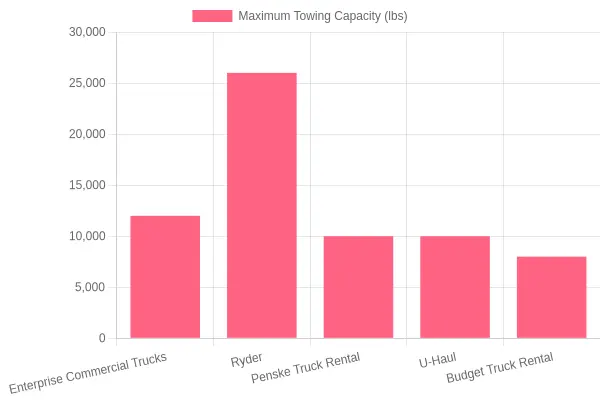
Chart: Maximum towing capacity (in lbs) across the five leading providers. Ryder dominates for heavy-duty jobs while Enterprise offers strong mid-range capacity.
For businesses requiring continuous towing support rather than self-driven rentals, explore our comprehensive towing and recovery services designed for commercial clients across the region.
Cost Analysis: What You’ll Pay to Rent a Truck for Towing
For business owners looking to launch or expand a towing operation, understanding the cost variables of renting a truck is crucial to maintaining healthy profit margins. Whether you’re testing the waters before committing to a purchase or scaling your fleet temporarily, rental costs vary significantly based on truck class, rental duration, mileage, insurance, and seasonality. Knowing where to rent a truck for towing at the right price can mean the difference between a profitable quarter and a break-even one.
Daily vs. Monthly Rates
Most rental companies offer steep discounts for long-term rentals. A daily rate for a Light-Duty 1/2-ton truck might run around $55-$65 per day, but if you commit to a monthly rental, that rate can drop to the equivalent of $30-$40 per day – a savings of nearly 40%. The same principle applies across all truck classes. For a Heavy-Duty 1-ton truck, you might pay $120/day on a short-term rental, but a monthly agreement could bring that down to $85-$95/day. For business owners needing a truck for more than two weeks, monthly rentals are almost always the smarter financial move.
Mileage Surcharges
One of the most overlooked cost variables is mileage. Many rental providers include a base mileage allowance (often 100-200 miles per day) and then charge $0.30-$0.80 per additional mile. For a towing business that may log 300-500 miles in a single heavy haul day, these surcharges can add $100-$240 to a single day’s rental. Always compare mileage policies when researching where to rent a truck for towing – some providers offer unlimited mileage on monthly rentals, which can be a game-changer for commercial operators.
Insurance Add-Ons
Standard rental insurance does not always cover commercial towing activity. Business owners should budget for:
- Liability coverage: $15-$25/day
- Physical damage waiver: $12-$20/day
- Cargo insurance: $10-$15/day (if hauling client vehicles)
These add-ons can increase your daily rental cost by 25-40%. However, if your existing commercial auto policy covers rented vehicles, you may be able to decline these add-ons – check with your insurer first.
Seasonal Fluctuations
Rental rates are not static. Demand spikes during spring and summer (May-September), when moving and construction activity peaks, often driving rates up by 15-25%. Conversely, winter months (November-February) typically see lower demand and promotional discounts. If you’re flexible with timing, locking in a long-term rental during the off-season can yield substantial savings.
Pro Tip: If you’re operating in the Northern Virginia or DC metro area, local towing companies like Ace Towing often provide hauling solutions that complement your fleet, helping you avoid over-relying on rentals during peak season.
Average Daily Rental Rates by Truck Class
The chart below breaks down the approximate average daily rental costs (in USD) for four common truck classes used in commercial towing operations, based on 2024 market data from major providers.
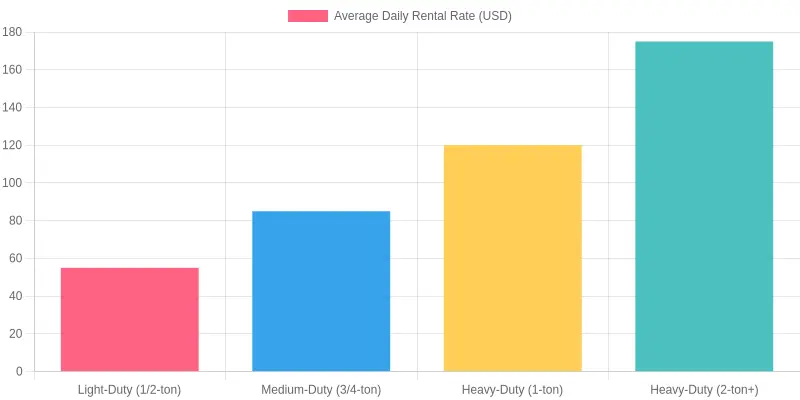
Chart: Average daily rental rates by truck class. Data sourced from U-Haul, Penske, Enterprise, and Budget Truck Rental (2024).
As the chart illustrates, the jump from Light-Duty ($55/day) to Heavy-Duty 2-ton+ ($175/day) represents a 3x increase in daily cost. However, the heavier classes also command higher towing service fees, which can offset the rental expense – provided you’re pricing your services correctly.
For business owners who want to explore their options further, check out Ace Towing’s services near you to see how a professional towing partner can complement your rental fleet strategy.
What Industry Insiders Say About Towing Truck Fleet Rental Decisions
To help put this in perspective, I spoke with Robert Castellano, a fleet operations manager with over 18 years of experience overseeing commercial vehicle logistics for a mid-Atlantic distribution company. Castellano’s team has managed hundreds of towing truck fleet rental agreements over the years, and he’s learned the hard way which shortcuts cost more than they save. Here’s what he had to say about the process business owners should follow when sourcing rental trucks for towing operations:
“In my experience, the single biggest mistake business owners make when securing a towing truck fleet rental is skipping the provider vetting process. They see a low daily rate and sign on the dotted line, only to discover the truck’s hitch rating is underspec’d for their actual load or that the vehicle hasn’t had its braking system inspected in six months. I’ve seen rentals with mismatched trailer wiring, worn-out tires, and contract fine print that tacks on surprise mileage overage fees that can double the cost of a two-week rental. A properly vetted provider will give you a detailed equipment inspection sheet, transparent all-in pricing with no hidden surcharges, and a clear towing capacity guarantee. If they can’t or won’t provide those three things, you’re better off walking away. Reliability and safety start before the key even turns in the ignition.”
Castellano’s insight cuts to the heart of what every business owner should prioritize: rigorous provider vetting isn’t an administrative hassle – it’s a risk-management essential. When you compare rental options, treat the initial screening with the same seriousness you would a long-term fleet purchase. Ask for documented service records, confirm the truck’s GCWR (Gross Combined Weight Rating) matches your typical towing load, and get the complete fee breakdown in writing. This level of diligence protects your bottom line from unexpected costs and, more importantly, keeps your drivers and equipment safe on every job. If you’re looking for a reliable towing partner near you, don’t hesitate to contact a trusted provider directly to ask these critical questions before committing to a rental agreement.
Types of Towing Trucks Available for Rent
Choosing the right towing vehicle for your business starts with understanding the distinct categories available on the rental market. Each type is engineered for specific load capacities, job site requirements, and operational scenarios. Below is a breakdown of the four main categories you’ll encounter when exploring towing equipment rental options.
Light-Duty Pickups
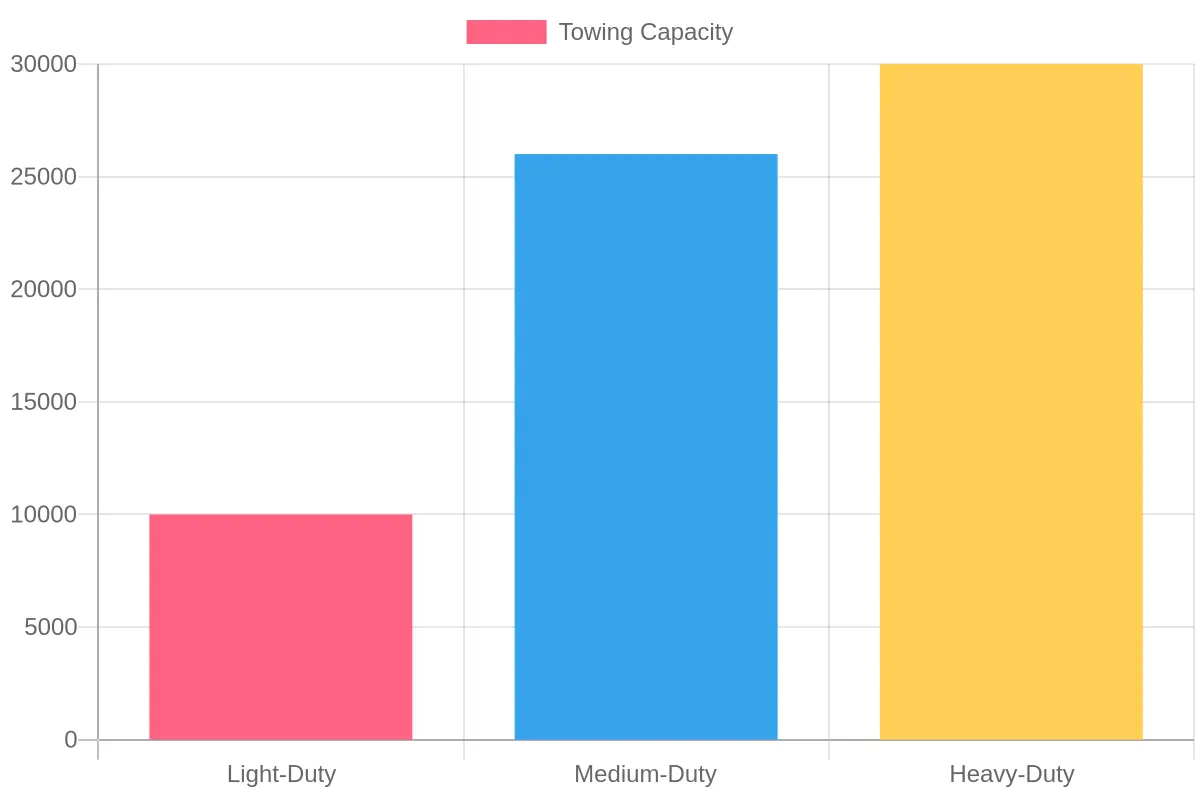
Light-duty pickup trucks-models like the Ford F-150, Ram 1500, and Chevrolet Silverado 1500-are the workhorses of small-scale towing. These trucks typically offer a towing capacity of up to 10,000 lbs, making them ideal for hauling small utility trailers, landscaping equipment, ATVs, and light construction gear. Businesses that require a versatile, everyday vehicle for quick jobs around town will find light-duty pickups both cost-effective and easy to maneuver in urban environments. If you’re operating in areas like Northern Virginia or the D.C. metro region, you can find reliable towing solutions from local providers that offer these versatile trucks for short-haul needs.
Medium-Duty Flatbeds
When your jobs involve transporting construction machinery, medium-duty flatbed trucks are the go-to choice. These trucks usually feature a towing capacity between 12,000 and 26,000 lbs, which comfortably handles skid steers, mini excavators, medium-sized bulldozers, and large rolls of industrial materials. The flatbed design allows for easy drive-on loading and secure strapping, reducing the risk of cargo shifting during transit. Contractors in the construction, demolition, and landscaping sectors frequently rent medium-duty flatbeds for mid-range hauls between job sites.
Heavy-Duty Semi-Tractors
For large-scale towing operations-think oversized construction equipment, industrial generators, or multiple vehicle transport-a heavy-duty truck rental is essential. Heavy-duty semi-tractors (often paired with lowboy or step-deck trailers) boast a towing capacity that can exceed 40,000 lbs, with some configurations reaching well beyond 80,000 lbs with proper licensing. These rigs provide the torque, braking power, and stability required for long-distance heavy hauling. Businesses involved in major infrastructure projects, equipment dealerships, or industrial logistics will find these trucks indispensable for their biggest loads.
Specialty Trucks: Rollbacks and Wreckers
Specialty towing trucks serve unique operational needs that standard flatbeds or pickups cannot address. Rollback trucks feature a hydraulically tilting flatbed that slides backward to ground level, allowing vehicles or equipment to be driven or winched directly onto the deck without lifting. They typically handle payloads of 6,000 to 20,000 lbs and are ideal for transporting disabled vehicles, expensive machinery, or cargo that must remain level during transit. Wrecker trucks (also called recovery trucks), by contrast, use a boom, winch, and wheel-lift system to haul damaged or immobile vehicles from the front or rear. Wreckers are commonly used by roadside assistance fleets and auto-recovery businesses. Both types are essential additions to any robust towing equipment rental fleet.
Transition: Now that you understand the types of trucks available, the next logical step is evaluating where to source these vehicles from reputable rental providers-so let’s dive into the top rental companies and what they offer.
Understanding Rental Terms, Insurance, and Liability
Before signing any agreement for a commercial truck rental, business owners must scrutinize several critical terms that can significantly impact both their operational budget and legal exposure. Start with mileage limits – many rental providers impose a daily or weekly cap, and exceeding that threshold often triggers steep per-mile overage charges that can quietly inflate your total cost. Pair this with a careful review of the fuel policy: some companies require you to return the truck with a full tank, while others charge a premium refueling fee if you don’t, so plan your route and refueling stops accordingly.
The damage waiver is one of the most consequential decisions you will make. Often marketed as optional, a damage waiver can limit your financial liability for accidental damage to the vehicle, but be aware that it may not cover tires, windshield damage, or the undercarriage. Equally important is understanding liability insurance requirements – most commercial truck rental agreements mandate that you carry a minimum level of liability coverage, and if your existing policy falls short, you may need to purchase supplemental coverage from the rental company at an additional daily rate. Failing to confirm this ahead of time could leave you personally responsible for damages involving third parties.
Roadside assistance is another item that demands attention. While many rental companies offer 24/7 roadside support, the scope of coverage varies widely – some include towing, flat-tire changes, and lockout service, while others limit assistance to mechanical breakdowns only. If you are hauling heavy equipment or operating in remote areas, verify exactly what is covered and whether there is an extra charge. You should also ask about early-return and extension fees. Returning the truck even a day early may trigger a rate adjustment that negates any discount you expected, and extending the rental without prior approval often results in a higher daily rate plus administrative penalties. For these reasons, having a reliable towing partner near me on standby can provide peace of mind if an unexpected breakdown occurs during your rental period.
Ultimately, every term in a commercial truck rental agreement is negotiable – but only if you read it first. Do not assume that standard protections apply; ask pointed questions about each clause before initialing. Remember this: hidden fees often hide in plain sight, disguised as small-print convenience charges, so read every line with the same scrutiny you would give a final invoice. What seems like a minor oversight today could become a costly surprise tomorrow.
7 Essential Questions Every Business Owner Must Ask Before Renting a Truck for Towing
Choosing the right vehicle for your business operations starts with knowing exactly where to rent a truck for towing that meets your needs. Not all rental providers offer the same equipment, coverage, or flexibility. To avoid costly surprises and downtime, you need to vet every option thoroughly. Below is a numbered list of seven non-negotiable questions to ask before signing any rental agreement.
-
“What is the maximum towing capacity for this vehicle?”
This is the single most important question. Overloading a rental truck not only damages the vehicle but also creates serious safety hazards. Make sure the rated capacity exceeds the weight of your heaviest anticipated load. If you frequently haul heavy equipment, consider providers like those offering towing service in Burke, VA that understand commercial-grade requirements. -
“Are there mileage restrictions?”
Many rental agreements cap daily mileage or charge steep overage fees. If your operations involve long hauls between job sites, a mileage limit could dramatically inflate costs. Ask about both daily and total rental period caps. -
“What insurance coverage is included?”
Standard policies may not cover commercial towing. Clarify whether the provider’s insurance covers liability, cargo damage, and the towed vehicle itself. You may need to supplement with your own commercial policy. -
“Can I extend the rental on short notice?”
Business schedules change. If a project runs longer than expected, you need the freedom to extend without penalty. Ask about late-extension policies and whether availability is guaranteed. -
“Is 24/7 roadside assistance included?”
Breakdowns don’t follow business hours. A rental provider that offers round-the-clock roadside support can save you from costly delays. Confirm what’s covered – tire changes, jump-starts, fuel delivery, and emergency towing. -
“What maintenance checks are performed between rentals?”
A poorly maintained rental truck puts your team and cargo at risk. Reputable providers follow a documented pre-rental inspection checklist covering tires, brakes, lights, fluid levels, and hitch integrity. Ask to see the checklist before renting. -
“Do you offer fleet discounts for multi-vehicle rentals?”
If your business requires more than one truck at a time, volume discounts can significantly lower costs. Even a 10-15% discount adds up quickly when renting multiple vehicles. Don’t hesitate to negotiate.
Asking these questions upfront ensures you partner with a reliable provider that supports your business operations safely and cost-effectively. Whether you’re moving equipment across town or hauling debris from a job site, a thorough vetting process protects your bottom line and your reputation.
Why Zoomlion’s Heavy Machinery Expertise Matters for Your Towing Business
When it comes to selecting towing equipment rental options for your business, the engineering behind the machinery matters just as much as the rental agreement itself. That’s where Zoomlion Heavy Industry Science & Technology Co., Ltd. brings unparalleled credibility to the conversation.
Founded in 1992, Zoomlion has spent over three decades at the forefront of high-tech equipment manufacturing. With deep roots in construction machinery and agricultural equipment, the company has engineered everything from massive crane systems to precision load-bearing vehicles – technologies that directly translate into the rugged performance required for modern towing operations. Understanding load capacities, chassis durability, and hydraulic systems isn’t theoretical for Zoomlion; it’s the core of their daily engineering work across more than 130 countries worldwide.
What sets Zoomlion apart is not just its longevity but its institutional rigor. As the first company in its industry to achieve dual-listing on both the A-share and H-share stock markets (Shenzhen and Hong Kong), Zoomlion operates with a level of financial transparency and global accountability that few manufacturers match. Their global R&D network spans multiple continents, ensuring that every piece of equipment – whether designed for a construction site or a recovery operation – benefits from the latest innovations in material science and structural engineering.
“At Zoomlion, reliability isn’t an add-on; it’s engineered into every machine from the drawing board onward.”
For business owners evaluating their fleet needs, this expertise translates into confidence. When you understand how heavy machinery is built to endure stress, extreme conditions, and repeated high-stakes use, you’re better equipped to choose the right tow truck for your specific operation – whether you’re managing light-duty local calls or heavy-haul recovery work. To explore how this engineering know-how plays out in real-world service, check out ACE Towing’s trusted coverage near you and see reliability in action.
Zoomlion’s commitment to durable engineering isn’t just a credential – it’s a framework for making smarter equipment decisions. And as we’ll explore next, that framework becomes essential when you’re ready to take the next step toward building or upgrading your towing fleet. Get in touch with our team to discuss your specific equipment needs.
Conclusion: Your Next Move Matters
For business owners searching for a reliable equipment partner, the decision of where to rent a truck for towing is never one to take lightly. As we’ve explored throughout this guide, the difference between a seamless operation and a costly misstep often comes down to three critical factors: matching the right truck class to your specific towing requirements, carefully comparing rental terms and conditions, and choosing a provider with a proven track record of safety and reliability.
Before you sign any agreement, ask yourself: Does this truck have the gross vehicle weight rating (GVWR) and hitch capacity to handle my heaviest loads? Are the daily, weekly, or monthly rental terms transparent and free of hidden fees? Does the provider offer well-maintained equipment, responsive support, and a reputation for standing behind their fleet? These questions aren’t just logistical – they are the foundation of a safe, profitable towing operation.
The towing industry continues to grow, with trucks moving over 72% of the nation’s freight by weight and roadside assistance needs rising year over year. Whether you’re expanding your fleet, covering a seasonal surge, or testing the waters with a new service line, the right rental truck can make all the difference. That’s why partnering with a company that truly understands heavy-duty equipment from the inside out is essential.
At Zoomlion, we don’t just rent trucks – we build relationships. As a trusted partner who knows the demands of the towing and recovery industry firsthand, we are committed to helping you find the perfect equipment for your business. Whether you need a light-duty tow truck for local calls or a heavy-duty wrecker for commercial recoveries, our team takes the time to understand your unique needs. We combine industry expertise with top-tier equipment, transparent pricing, and a dedication to safety that protects both your team and the communities you serve.
If you’ve been asking yourself where to rent a truck for towing that you can count on, the answer is clear. Contact our team to discuss your specific requirements, and explore our 24-hour towing services for round-the-clock support.
Don’t wait – contact us today to discuss your needs, request a quote, or learn more about how we can support your mission to protect lives and property.