
Introduction
As a business owner, managing everyday operations can be daunting-especially when unforeseen events disrupt your workflow. Imagine a scenario where your delivery vehicle suddenly breaks down, leaving you stranded and your orders piling up. You call a towing service, but the frustration mounts when you realize it could take much longer than anticipated for the tow truck to arrive. This situation brings us to the question: why do tow trucks take so long?
Long wait times can pose significant challenges to businesses, causing losses in revenue and customer satisfaction. The drivers behind these delays can vary widely-from heavy traffic and severe weather conditions to the availability of towing services in the area. As you navigate your business, understanding the factors that contribute to wait times promotes better emergency preparedness. It’s crucial to explore the intricacies of towing services, especially in busy urban landscapes like Washington D.C. and the surrounding areas. In this article, we’ll delve deeper into the reasons behind towing delays and offer insights that can help you make informed decisions.
For those needing swift assistance in crisis situations, exploring reliable options like Washington D.C. towing services and towing companies in Arlington can be beneficial to your business operations. Understanding these dynamics can empower you to act quickly and efficiently during a breakdown, ensuring your business runs as smoothly as possible.
Common Reasons for Delayed Tow Truck Responses
As a business owner relying on tow truck services, it’s essential to understand that delays can occur for various reasons. Here are some of the common factors that can contribute to extended response times:
-
Traffic Conditions: Tow trucks often face the same road conditions as regular vehicles. Heavy traffic, road construction, and accident congestion can lead to significant delays in response time.
-
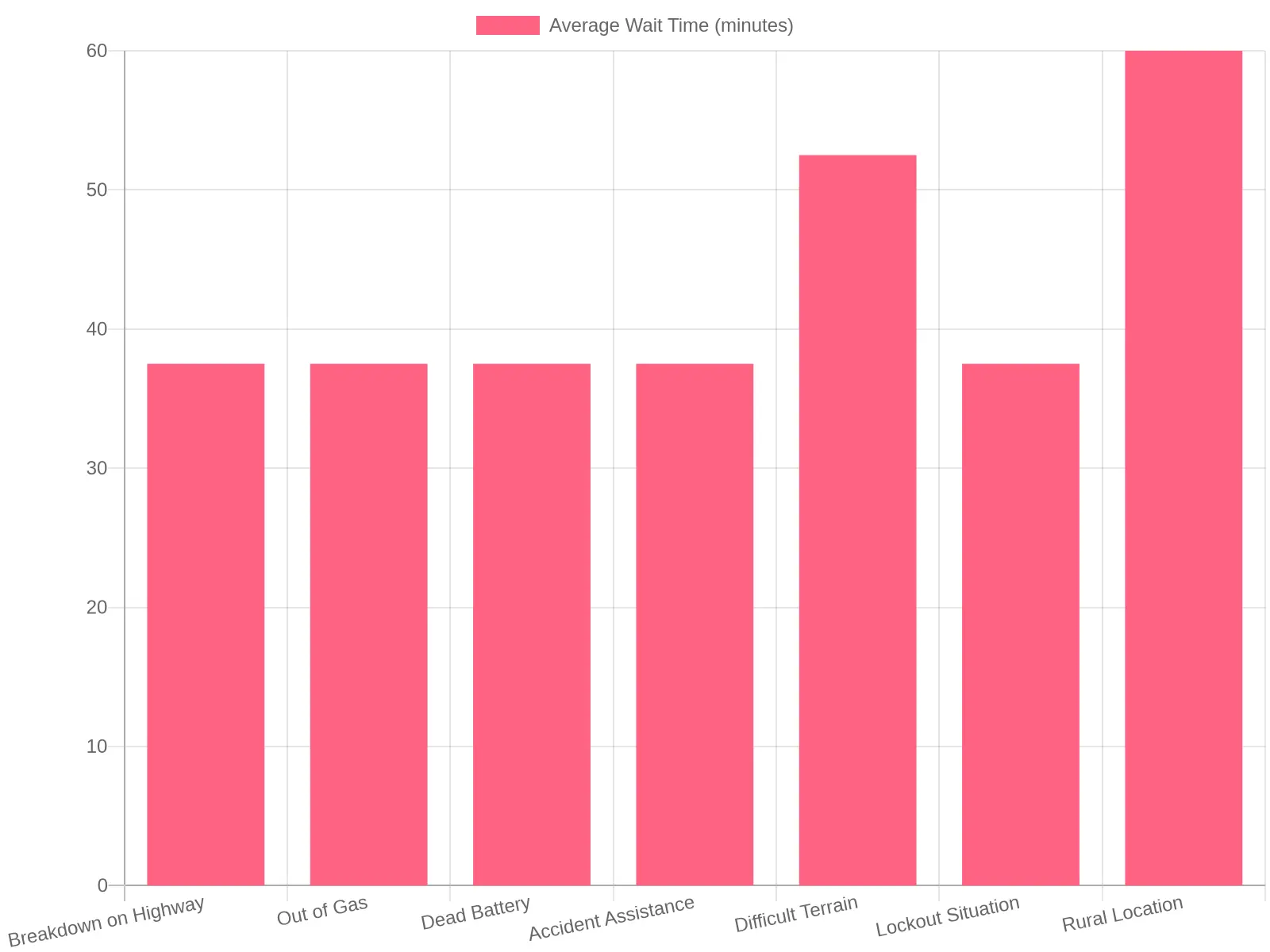
Distance to the Vehicle: The time it takes for a tow truck to reach a stranded vehicle can vary depending on how far away the nearest truck is located. In urban environments, response times may average around 30 minutes, while rural areas could see longer waits.
-
Equipment Readiness: Tow trucks must be properly equipped and maintained for effective service. Mechanical issues or inadequate equipment can lead to delayed dispatch.
-
Prioritization of Calls: Towing companies often prioritize calls based on urgency and severity. Emergency situations receive immediate attention, which may delay responses to non-urgent requests.
-
Weather Conditions: Adverse weather, such as rain or snow, can slow down towing response times due to safety concerns for both the drivers and the tow trucks.
Understanding these factors can help set realistic expectations and prepare accordingly. If you need immediate assistance, consider calling an efficient towing service such as Ace Towing or exploring their range of services for quick solutions.
“Timely dispatch in the towing industry is often hindered by a variety of factors, including high call volumes and limited data on vehicle statuses. It’s essential for dispatchers to have access to real-time information to better meet customer expectations and optimize operational efficiency.”
- Source: Tow Command (Overcoming Hurdles: Navigating Challenges in the Towing Dispatch Industry)
Challenges in the Towing Industry
The towing industry faces significant challenges that directly impact wait times and the efficiency of service. Here are some key factors:
| Challenge | Description | Source |
|---|---|---|
| Timely Dispatch | The towing industry faces challenges with timely dispatching, especially in adverse weather conditions. | Direct Towing WA |
| Wait Times | Accurate real-time vehicle monitoring is crucial to reduce wait times by ensuring dispatchers know truck statuses instantly. | Any Car Towing |
| Weather Conditions | Winter poses significant challenges with long wait times and high demand for towing services under difficult weather conditions. | Tow Professional |
| Operational Efficiency | Streamlining dispatch processes can help in maintaining operational efficiency, reducing delays, and improving overall service. | Grammer Overview |
Visualizing the Challenges
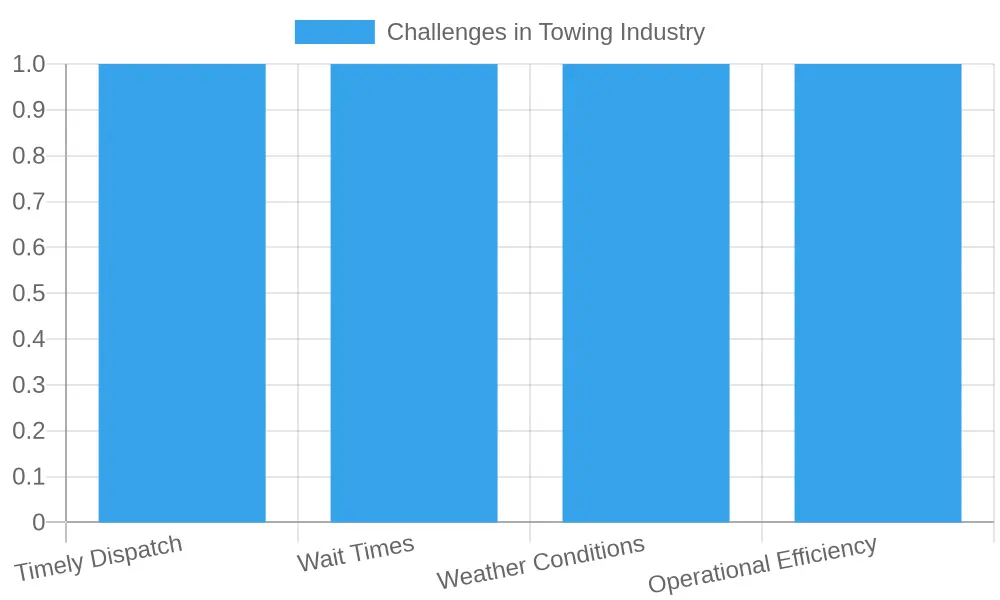
These insights highlight the struggles faced by towing professionals in managing wait times and ensuring efficient service delivery despite various challenges. For more information on towing services in Burke and towing solutions in Alexandria, check out our dedicated pages.
The Role of Tow Truck Operators
Tow truck operators play a crucial role in the automotive and roadside assistance industries. Their responsibilities extend beyond merely towing vehicles; they handle a variety of emergency situations, ensuring the safety and well-being of both drivers and passengers. Here’s a closer look at the responsibilities and challenges faced by tow truck operators that contribute to longer wait times.
Responsibilities of Tow Truck Operators
Tow truck operators are tasked with:
- Responding Quickly to Emergent Situations: They often receive calls for urgent assistance, which can include vehicle breakdowns, accidents, or illegal parking.
- Safety and Traffic Management: Operators must prioritize safety for themselves and others on the road. This includes managing traffic while hooked to a vehicle, particularly on busy highways.
- Technical Skills: Knowing how to maneuver different vehicle types and understanding various towing methods are essential, as some cases require specialized vehicles or techniques.
- Customer Service: Tow truck operators often serve as the frontline of customer interaction, providing information, reassurance, and assistance to those in distress.
Towing Challenges
The field of towing is rife with challenges that can extend response times:
- Unpredictability of Calls: Tow truck operators might spend long hours waiting for jobs that can sometimes culminate in multiple calls at once, making it tough to reach each location promptly.
- Complex Situations: Each towing situation is unique. Operators may face challenges such as difficult retrieval angles, vehicles in precarious positions, or road conditions that hinder access.
- Equipment Limitations: While many tow trucks are equipped with modern tools, not all equipment can handle every situation. Heavy-duty jobs may require specialized tow trucks, delaying response times.
- Training and Licensing Requirements: Tow truck operators must undergo extensive training and certification to ensure they’re equipped to handle emergencies safely. This can involve waiting for certifications to process before they can operate certain types of trucks.
- For example, in Washington, the requirements for becoming a Registered Tow Truck Operator involve meeting specific legal guidelines, which can lengthen the timeline for new operators to begin working.
- You can learn more about the licensing process from the Washington State Department of Labor and Industries here.
The Importance of Training and Equipment
The efficiency of tow truck operations heavily relies on adequate training and quality equipment:
- Training: Comprehensive training ensures that tow truck operators can assess situations quickly, use the right techniques, and follow safety protocols to mitigate risk effectively.
- To understand more about the importance of training, refer to this detailed resource on Tow Truck Driver Training.
- Essential Equipment: Proper equipment, such as winches, safety harnesses, and emergency vehicle lights, is vital for optimal performance in various towing scenarios. However, if operators do not have access to the right tools, it can result in significant delays.
- A comprehensive guide discussing the necessary equipment for tow truck businesses can be found here.
In conclusion, understanding the role of tow truck operators and the significant challenges they face is important, especially for business owners who depend on timely services. Appropriate training and high-quality equipment are paramount to ensuring efficiency in this crucial industry.
Regional Differences in Response Times for Tow Truck Services
Geographical differences significantly impact the response times of tow truck services, creating notable disparities between urban and rural areas. These variations are influenced by factors such as population density, road infrastructure, and the distribution of towing resources.
Urban Areas
In urban settings, tow truck response times are generally faster due to several key factors:
- Higher Density of Tow Trucks: Urban environments have a greater concentration of towing companies, which allows for quicker dispatching of services. Response times often range from 15 to 25 minutes, depending on traffic and location source.
- Proximity of Roads and Traffic: Urban locations typically feature well-established road networks that are easily accessible. However, traffic congestion can sometimes hinder quick service.
- Competitive Market: The abundance of towing services in cities leads to a competitive market, prompting companies to improve their efficiency and reduce wait times.
Rural Areas
Conversely, rural areas present unique challenges that often result in longer response times:
- Limited Tow Truck Availability: The scarcity of towing services means that less frequent dispatching can lead to average wait times of 55 minutes to over 2 hours, depending on the distance to the nearest towing company source.
- Road Accessibility Issues: Rural roads are often less developed and can be harder to navigate, particularly in adverse weather conditions, leading to delays.
- Distance Between Locations: The physical distance between breakdown sites and towing businesses is generally greater in rural areas, compounding response time challenges.
Comparative Overview
To provide a clearer understanding, the following table summarizes average response times across different geographical settings:
| Area Type | Average Response Time |
|---|---|
| Urban | 15-25 minutes |
| Suburban | 25-35 minutes |
| Rural | 55-120 minutes |
For business owners who rely on prompt towing services, understanding these regional differences is crucial. Urban companies may benefit from faster response times, while those in rural areas should prepare for potential delays when relying on towing services. Contact a local towing company to understand how geographical factors might affect service in your area.
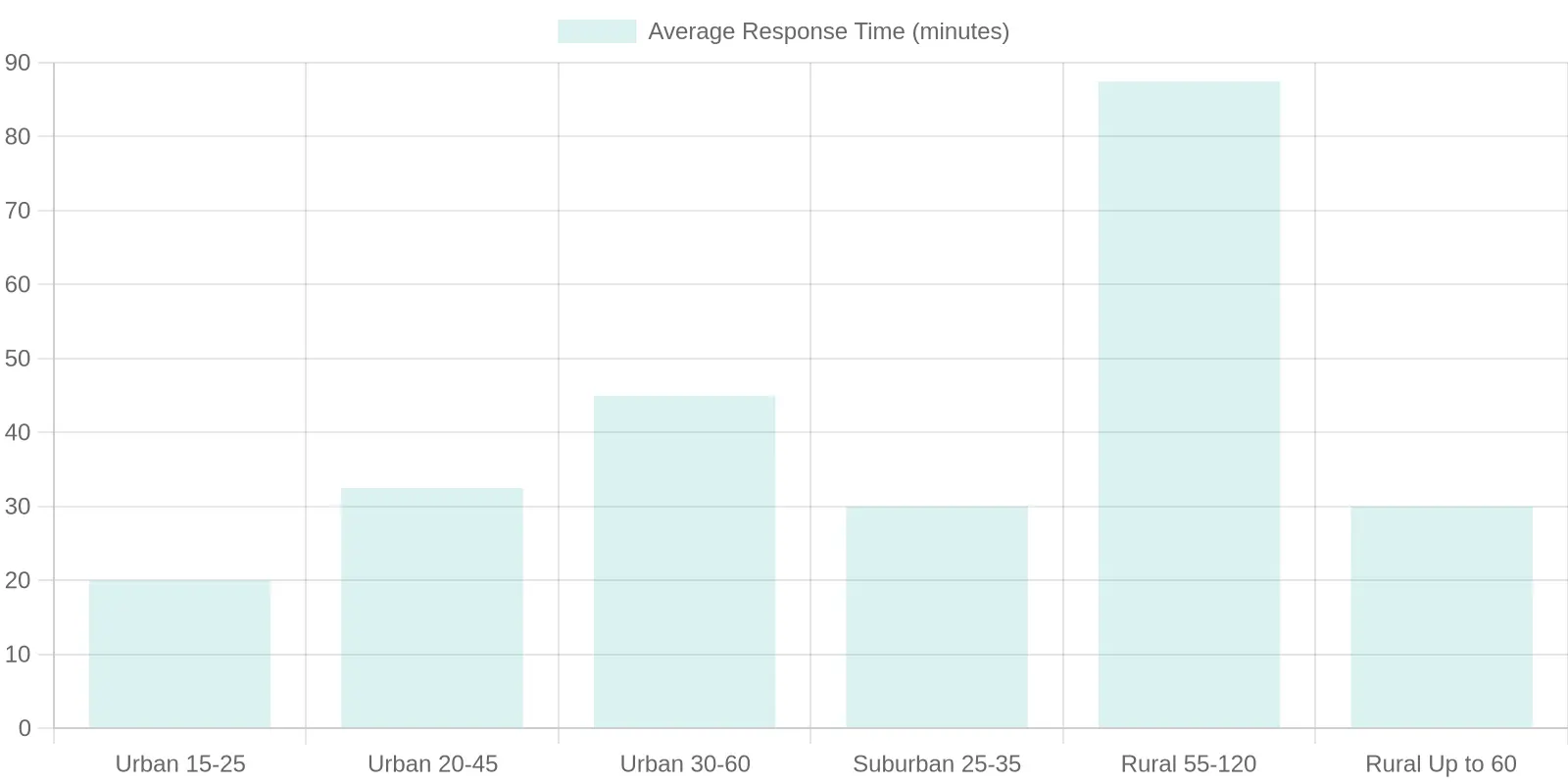
Average response times inform customers about the expectations based on their location.
Average Response Times for Tow Truck Services
Understanding the average response times for tow truck services can be crucial for business owners when evaluating towing companies. Here is a comparison of average response times across urban and rural settings based on the most recent data:
| Setting | Average Response Time |
|---|---|
| Urban | 28 minutes |
| Rural | 55 minutes |
The data indicates that tow trucks in urban areas have a significantly shorter response time compared to their rural counterparts. This difference can be attributed to several factors:
- Traffic Conditions: Urban areas tend to have better traffic management, which facilitates quicker dispatching.
- Accessibility: Tow trucks can navigate urban environments more easily, while rural areas may lack direct routes to breakdown locations.
- Availability of Services: Urban regions usually have a higher number of towing companies, increasing the likelihood of a quicker response.
For business owners considering towing services, it’s vital to keep these differences in mind. You can find more information about local tow services through these links: Burke Towing Service and Washington DC Towing.
Preparing for Towing Situations: Actionable Tips for Business Owners
As a business owner, being unprepared for towing situations can lead to significant delays and loss of productivity. Here are several actionable tips to help you improve your preparedness and shorten wait times when you encounter a towing incident:
1. Establish Relationships with Reliable Towing Services
- Research Local Services: Identify and establish relationships with trustworthy towing services in your area. Finding a reliable partner will ensure quicker response times when you need help. Services like Burke Towing are available for immediate assistance.
- Maintain Contact Details: Keep the contact information of these towing services readily available in multiple locations (e.g., employee handbooks, on company vehicles). This proactive measure will speed up the process of contacting them when a towing situation arises.
2. Prepare Your Vehicles
- Regular Maintenance Checks: Ensure that all company vehicles are in good working condition. Regular checks on tires, brakes, and lights can prevent breakdowns that may require towing. Consider this an investment in your business operations that enhances overall efficiency.
- Emergency Kits: Equip each vehicle with an emergency kit that includes basic tools, a first-aid kit, and necessities like water and snacks. This will help your employees manage minor issues while waiting for towing services, ultimately reducing wait time frustration.
3. Educate Employees on Protocols
- Train Staff on Towing Procedures: Provide training for your staff on what to do during a towing situation, including how to assess the problem and communicate the necessary information to the towing company.
- Situational Awareness: Encourage employees to be aware of their surroundings while driving and report any vehicle issues promptly. Actively addressing potential problems can prevent the occurrence of towing.
4. Use Technology for Faster Communication
- Utilize Mobile Apps: Many towing services offer apps that allow for quick reporting of vehicle issues and direct communication. Ensure that your employees have access to these tools to expedite the process.
- Document Regularly: Keep a log of any vehicle issues and towing incidents that occur. This data can help you analyze patterns and improve your overall vehicle preparedness over time.
5. Plan for Worst-Case Scenarios
- Emergency Procedures: Develop a formal emergency procedure for towing situations that outlines responsibilities and actions to take during vehicle failures. Educating your team on specific steps can help maintain order during stressful incidents.
- Transportation Alternatives: Consider establishing relationships with local taxi or rideshare companies as an alternative for employees while waiting for a tow. This will ensure that business operations can continue with minimal disruption.
Being proactive about towing preparedness can alleviate stressful situations and ensure that your business remains operational even when unexpected issues arise. Following these tips will contribute to an efficient and well-organized response when towing services are needed. This makes your business not only more resilient but also enhances your reputation for reliability.
For more about reliable towing services, check out our towing services in Washington DC or discuss your needs by contacting our towing company.
Understanding Wait Times and Customer Satisfaction in Towing Services
A significant aspect of the towing industry is the relationship between wait times and customer satisfaction. Emerging research indicates that for every additional minute a customer waits beyond their expected time, their satisfaction decreases markedly. This trend is particularly relevant in the context of towing services, where customers are often in distressing situations.
The Impact of Wait Times on Satisfaction
Statistics reveal a sobering link:
- 0 minutes wait time results in a 100% satisfaction score.
- After 10 minutes, satisfaction drops to 92%.
- At 20 minutes, it further decreases to 84%.
- By 30 minutes, satisfaction has plummeted to 76%.
To visualize this connection between wait times and customer satisfaction, the following chart illustrates these statistics:
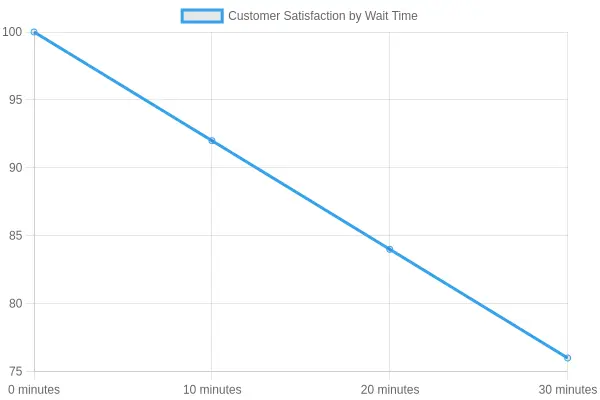
Table of Data Points
| Wait Time (Minutes) | Customer Satisfaction (%) |
|---|---|
| 0 | 100 |
| 10 | 92 |
| 20 | 84 |
| 30 | 76 |
Conclusion
For business owners in the towing industry, recognizing the direct correlation between wait times and customer satisfaction is crucial. Implementing strategies that minimize response times can not only improve customer happiness but also enhance the overall service reputation. For further insights, you can learn more about towing services in Burke and explore towing options in Alexandria.
Conclusion: Take Action for a Prompt Towing Solution
In today’s fast-paced business environment, the importance of prompt towing services cannot be overstated. Delays in getting a tow truck can lead to major disruptions, costing businesses time and money, and potentially jeopardizing the safety of employees and assets. As we’ve discussed, businesses must leverage effective towing solutions that prioritize quick response times and reliability to minimize operational downtime.
Numerous sources highlight that reliable towing services enhance operational efficiency, allowing businesses to continue their operations smoothly without interruptions. For instance, the importance of commercial towing services plays a crucial role in effective logistics management and safe transportation of vehicles, which is essential for protecting not only assets but also human lives. Learn more about the impact of commercial towing.
It is vital for business owners to take action and ensure they have a dependable towing partner at their disposal. If you find yourself needing prompt towing support, don’t hesitate to contact Zoomlion for immediate assistance. By prioritizing quick service, you protect your business, your employees, and your investments. Ensure that your operational efficiency remains a top priority by choosing the right towing service today!