
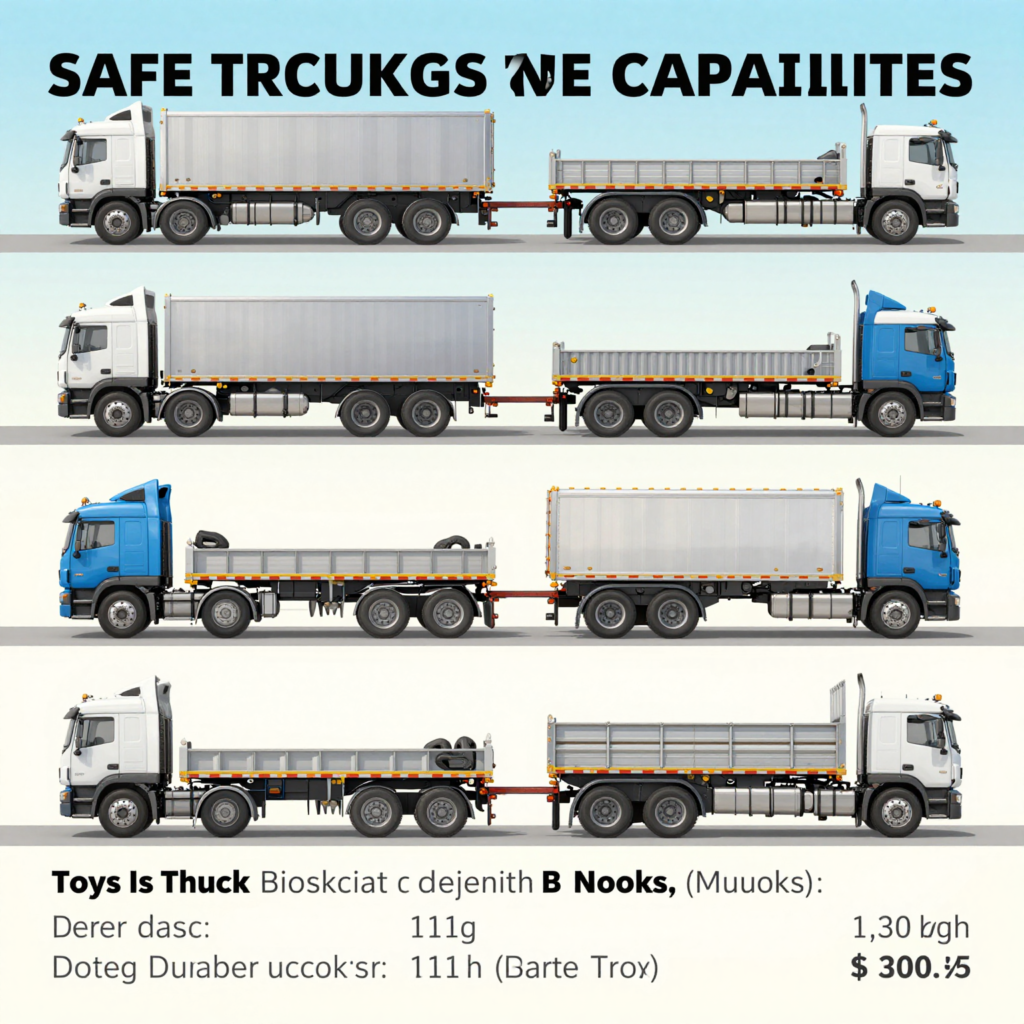
In the world of business, ensuring that your vehicles are not only efficient but also safe is paramount, particularly when it comes to understanding the tow capacity of a truck. The tow capacity dictates how much weight your truck can effectively handle without compromising performance or safety. For business owners relying on trucks for transportation, knowing this capacity can prevent potential accidents and costly repairs, thereby improving operational efficiency. Furthermore, adhering to tow capacity regulations ensures compliance with legal standards, which can also protect your business from liabilities. Whether you’re in need of a reliable towing service in Burke or looking for a dedicated fleet for your logistics, understanding your truck’s tow capacity is the cornerstone of making informed decisions that enhance both safety and productivity.

Understanding Tow Capacity: What It Is and Why It Matters
Tow capacity, often referred to as towing capacity, is the maximum weight a truck can safely pull when equipped with the proper hitch. This important specification plays a significant role for truck owners, both in terms of safety and vehicle performance.
How is Tow Capacity Determined?
Tow capacity is primarily determined by several factors, including:
- Engine Power: More powerful engines can typically tow heavier loads.
- Transmission and Axle Ratings: These components also influence a truck’s ability to handle various weights effectively.
- Suspension System: A robust suspension system is crucial for maintaining stability while towing.
- Braking System: Effective brakes are vital for stopping safely when towing heavy trailers.
- Frame Strength: The vehicle’s structure must be capable of handling the stress of towing.
Significance for Truck Owners
Understanding tow capacity is critical for several reasons:
- Safety: Exceeding tow capacity increases risks such as brake failure and engine overheating. This can lead to dangerous situations on the road.
- Legal Compliance: Towing beyond the rated capacity may result in fines and legal implications for truck owners.
- Vehicle Longevity: Adhering to tow limits prevents excessive wear and tear on critical components, ensuring better performance and longevity of the truck.
Truck owners should refer to the owner’s manual or the manufacturer’s specifications, typically found on a sticker inside the driver’s door jamb, to determine their specific vehicle’s tow capacity.
For more information regarding towing services, check out Burke Towing Service or Manassas Towing.
Key Benefits of Understanding a Truck’s Tow Capacity for Business Owners
Understanding a truck’s tow capacity is crucial for business owners, providing several benefits that directly impact safety, compliance, and efficiency:
1. Safety First
- Prevention of Accidents: Knowing the tow capacity helps prevent overloading, which can lead to mechanical failures and accidents.
- Reduced Risks: Properly matched loads enhance vehicle stability and reduce the likelihood of rollovers or other dangerous situations, ultimately safeguarding drivers and cargo.
2. Regulatory Compliance
- Meeting Legal Requirements: Many jurisdictions have laws dictating vehicle size and weight limits. Understanding tow capacity ensures compliance, avoiding potential fines and legal issues.
- Insurance Implications: Compliance with towing regulations can affect insurance rates and coverage. Failing to adhere to these could result in denial of claims.
3. Operational Efficiency
- Cost Savings: Businesses that monitor tow capacities report 28% lower maintenance costs. By avoiding mechanical breakdowns, companies can reduce downtime and associated costs.
- Optimized Fuel Economy: Operating within tow capacity maximizes fuel efficiency, resulting in lower operational costs.
In conclusion, understanding a truck’s tow capacity not only enhances safety and compliance but also optimizes the overall efficiency of business operations. For more insights on safe towing practices, you can learn more here.
| Truck Type | Tow Capacity (lbs) | Tow Capacity (tons) |
|---|---|---|
| Light-Duty Trucks (e.g., Ford F-150, Chevrolet Silverado 1500) | 10,000 – 14,000 | 4.5 – 6.3 |
| Medium-Duty Trucks (e.g., Freightliner Business Class M2, International ProStar) | 15,000 – 30,000 | 6.8 – 13.6 |
| Heavy-Duty Trucks (e.g., Peterbilt 579, Kenworth T680) | Up to 80,000 | 36.3 |
Keep in mind that these capacities can vary based on specific configurations, engine power, and other factors. To enhance your understanding of truck towing capacities and find the right option for your needs, consider consulting the vehicle’s owner manual or learn more about towing options in your area.
If you would like more information on towing services, check out our towing service in Burke.
How to Find the Tow Capacity of Your Truck
Determining the towing capacity of your truck is essential for business owners who need to transport large loads safely and legally. Here’s a step-by-step guide to help you ascertain your truck’s towing capacity effectively:
Step 1: Consult the Owner’s Manual
- Locate the Owner’s Manual: The owner’s manual is your best source for vehicle specifications, including towing capacity. If you don’t have the manual, it may be available online on the manufacturer’s website.
- Find the Specifications Section: Look for the section titled ‘Towing Capacity’ or ‘Specifications.’ Here, you will typically find key figures such as the Gross Vehicle Weight Rating (GVWR) and Gross Combined Weight Rating (GCWR). These numbers are crucial in calculating your truck’s towing capacity.
Step 2: Check the VIN Placard
- Locate the VIN Placard: This placard is generally found on the driver’s side door jamb. It confirms important specifications such as GVWR, GCWR, and the vehicle’s weight limits.
- Understand the Ratings: The towing capacity is calculated by subtracting the GVWR (the maximum weight the vehicle can carry) from the GCWR.
Step 3: Analyze Vehicle Specifications
- Evaluate Engine Power and Configuration: The towing capacity can vary depending on engine type, transmission choice, and other configurations. Higher horsepower typically translates to greater towing capabilities. For instance, a truck like the 2025 Ford F-150 could have a maximum towing capacity of up to 14,000 lbs when properly equipped (Truck Trend).
- Consider Cargo and Passengers: Remember to account for the weight of any passengers and cargo within the truck. The total weight must not exceed the specified limits for safe towing.
Step 4: Use Online Tools
- Utilize Towing Calculators: Many reputable websites and manufacturers provide online calculators to estimate towing capacities. Tools like the ones from Car and Driver can simplify this process considerably.
Step 5: Professional Guidance
- Seek Assistance from Towing Professionals: If you remain unsure, consider reaching out to a towing service for advice. They can guide you in ensuring your truck is appropriate for your desired towing tasks. For instance, if you’re located in Virginia, you may contact a local service to assist with specifics.
By following these steps, you can confidently determine your truck’s towing capacity and ensure safe, efficient towing operations for your business.
User Experiences with Overweight Towing: Common Problems and Solutions
Towing beyond your vehicle’s specified limits can lead to a series of serious problems, as highlighted by various user experiences. Here’s a summary of common issues faced and effective solutions suggested by actual users in the towing community.
Common Challenges
-
Loss of Control: Many drivers experience a significant reduction in handling, especially during turns. Reports from drivers indicate that when towing heavy trailers, vehicles may become less responsive and more challenging to control, often leading to swaying and unpredictable movements.
-
Increased Stopping Distances: Users have noted that the braking distance increases dramatically with overweight loads, which can result in dangerous situations during sudden stops. This risk has been quantified, as the National Highway Traffic Safety Administration (NHTSA) confirms: “overweight towing significantly increases the risk of crashes due to reduced vehicle control and longer stopping distances.”
-
Mechanical Failures: Drivers often report mechanical failures such as premature brake wear, suspension issues, and even total axle failures. For instance, one user recounted a disastrous experience where towing a 30,000-pound trailer with a truck rated for 15,000 pounds led to catastrophic suspension failure.
-
Increased Wear and Tear: Regular feedback from towing users indicates that exceeding weight limits leads to accelerated degradation of vehicle components, particularly the transmission and brake systems. Consumer Reports identified that vehicles towed over capacity are 3.4 times more likely to experience transmission failures.
Suggested Solutions
-
Proper Load Distribution: One of the most emphasized solutions from the towing community is ensuring that the load is distributed evenly. Many users recommend positioning heavier items toward the front of the trailer to prevent swaying and improve handling.
-
Upgrading Equipment: Users have found that upgrading to a higher-capacity tow vehicle or installing additional braking systems can significantly improve towing performance and safety. The use of weight-distributing hitches and sway control devices has also been highlighted.
-
Regular Maintenance Checks: Maintaining your vehicle’s condition through regular inspections becomes crucial when towing heavy loads. Drivers suggest routine checks of the braking system and suspension components to identify wear before it becomes critical.
-
Adhering to Manufacturer Specifications: The most frequently repeated advice from seasoned drivers is to always adhere to the manufacturer’s towing capacities. This is crucial not only for safety but also to avoid potential legal ramifications, such as fines or insurance claims being denied due to overweight towing.
Conclusion
User feedback clearly underscores the risks associated with overweight towing, ranging from diminished safety on the road to costly repairs. Solutions like proper load management, vehicle upgrades, and regular maintenance can help mitigate many of these risks, promoting safer travel experiences. For more recommendations and towing services in your area, consider checking out Burke Towing Service or Washington D.C. Towing.
This compilation of real-world experiences serves as a crucial reminder of the importance of towing responsibly and within safe weight limits to ensure both personal and public safety on the roads.
Comparing Towing Capacity of Truck Models
Understanding the towing capacity of trucks is essential for business owners who frequently haul heavy loads. Here’s a visual comparison of the towing capacities for some of the popular truck models in 2023:

Towing Capacity by Model
| Truck Model | Towing Capacity (lbs) |
|---|---|
| 2023 Ford Ranger | 7,500 |
| 2023 Chevrolet Silverado 2500HD | 13,000 |
| 2023 Ford F-250 Super Duty | 12,500 |
| 2023 Ram 2500 | 18,000 |
| 2023 GMC Sierra 2500HD | 12,500 |
Using this chart, you can assess which truck model best fits your towing needs. For further assistance, check out our towing services in Burke or Washington, D.C. area.
Importance of Adhering to Tow Capacity Limits
Adhering to tow capacity limits is critical for safe truck operation, especially for business owners who rely on their vehicles for transporting goods. A notable insight from Dr. Elena Rodriguez, a senior safety analyst at the National Highway Traffic Safety Administration, underscores this point:
“Adhering to tow capacity limits is not just a recommendation-it’s a fundamental requirement for safe operation. Exceeding your vehicle’s towing capacity compromises braking performance, steering control, and suspension integrity, significantly increasing the risk of loss-of-control accidents, especially on highways or in emergency maneuvers. Every year, hundreds of crashes are directly linked to overloaded towing setups. There is no such thing as ‘a little over’-even a small excess can have catastrophic consequences.”
This emphasizes the importance of understanding how to find the tow capacity of your truck.
For more information about reliable towing services, visit our pages on Burke Towing and Washington DC Towing.
Conclusion and Call to Action
Understanding the tow capacity of your truck is vital for ensuring safety and efficiency, especially for business owners who rely on towing services. Knowing this crucial information not only helps you select the right vehicle for the job but also prevents costly mistakes that could arise from overloading. Whether you’re transporting heavy equipment, vehicles, or materials, adhering to the tow capacity guidelines is essential for your operations.
We encourage you to take action today. By assessing your truck’s capacity and ensuring that you are compliant with these standards, you can protect your assets and achieve peace of mind. If you’re unsure about your truck’s tow capacity or need assistance in choosing the right towing solutions, contact us at Ace Towing. Our experts are ready to assist you in navigating your towing needs and making informed decisions. Don’t leave your towing capabilities to chance; let’s ensure that your towing operations are secure and effective!