
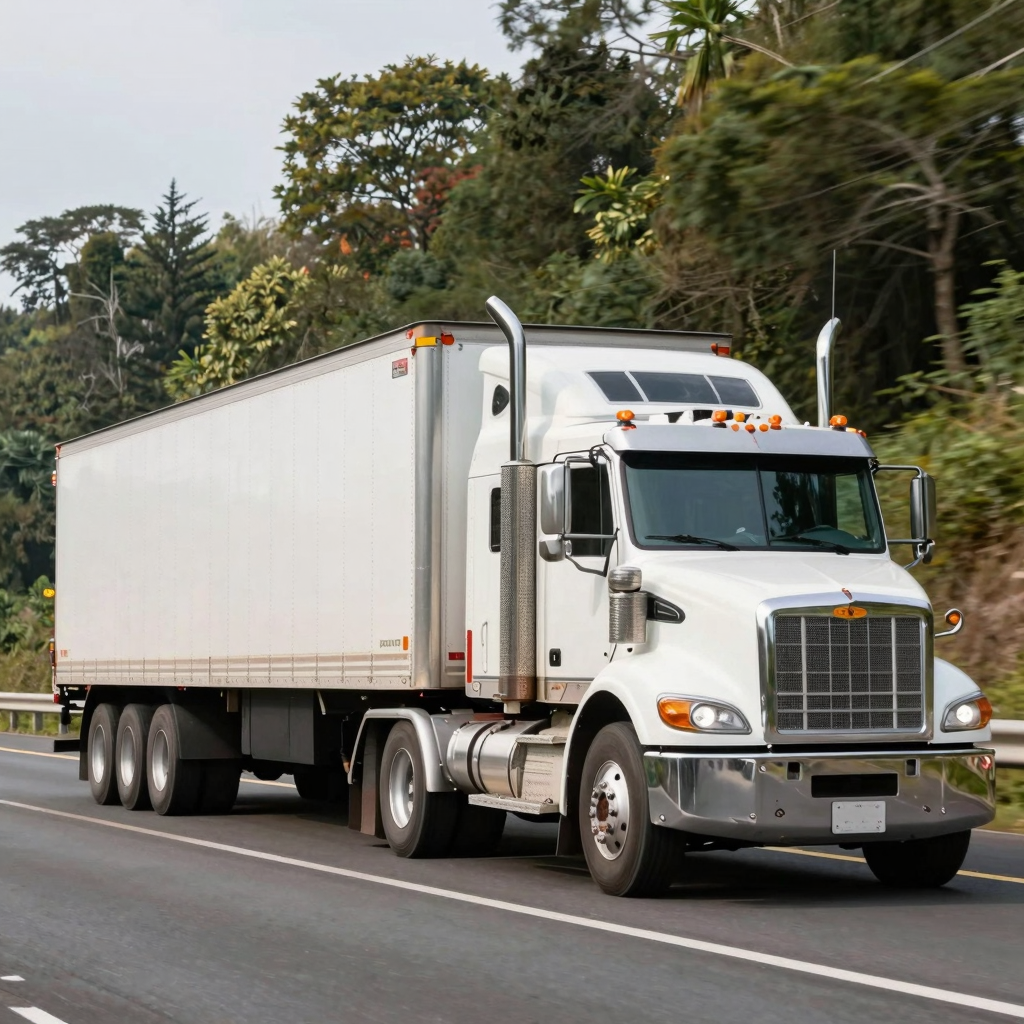
In the world of business, understanding the towing capacity of trucks is crucial not only for effective operation but also for ensuring safety and compliance. Towing capacity refers to the maximum weight a truck can safely tow, including trailers and other heavy equipment, and it significantly influences the efficiency of various business operations-from logistics to service delivery. Whether you’re a construction manager transporting heavy machinery or a utility provider moving equipment, knowing your truck’s towing capacity can save you time and money while reducing risks associated with overloading.
This article will guide business owners through the process of determining the towing capacity of their trucks correctly. We will discuss essential factors that play into calculating this capacity, how to find reliable specifications, and the importance of adhering to these limits for both vehicle longevity and operational safety. By the end of this article, you will be equipped with the knowledge necessary to maximize your fleet’s efficiency and performance. To explore more about reliable towing services in the area, don’t forget to check out our Burke Towing Services and Washington D.C. Towing Services for assistance.
Understanding Factors Influencing Truck Towing Capacity
When it comes to truck towing capacity, a range of factors significantly impact how much weight your truck can safely tow. Understanding these factors is crucial for business owners who rely on towing for work-related tasks. Here are the key elements that affect a truck’s towing capacity:
-
Engine Type
The engine is the heart of your truck and plays a vital role in towing. It’s not just about horsepower; the engine’s torque-especially at low RPMs-is critical for pulling heavy loads effectively from a standstill. A more powerful engine typically translates to higher towing capacity. -
Vehicle Weight
The Gross Vehicle Weight Rating (GVWR) is a vital number to consider. This rating includes the weight of the truck plus any cargo, passengers, and accessories. To calculate your truck’s towing capacity, subtract the vehicle’s curb weight from its GVWR. A lighter truck means more capacity available for towing. -
Axle Ratios
The axle ratio determines how much torque is delivered from the engine to the wheels. A lower axle ratio (for example, 3.31:1) can enhance fuel efficiency, while a higher ratio (like 4.10:1) can improve towing capacity, especially under heavy loads. Understanding your axle setup can help optimize performance based on your specific towing needs. -
Hitch Types
Different hitch types (such as receiver hitches or fifth-wheel hitches) can support varying amounts of weight. The strength and design of the hitch directly correlate with how much weight you can tow safely. Ensure that your hitch is compatible with both your vehicle and the trailer to maximize towing performance. -
Braking System
Strong braking systems are essential when towing, especially for heavy loads. A truck with better brakes can safely control larger trailers, reducing the risk of accidents. Ensure your vehicle’s brakes are rated for the combined weight of the truck and trailer. -
Suspension Design
A truck’s suspension system needs to be robust enough to handle additional weight when towing. A well-designed suspension allows for better control and comfort during towing, minimizing stress on your vehicle’s chassis. -
Tire Specifications
Tires contribute significantly to towing safety. Ensure that tires are rated for the appropriate load-bearing and are in good condition. Overloading tires beyond their capacity can lead to blowouts and accidents. -
Legal Weight Limits
Federal and state regulations set maximum weight limits for towing. Always adhere to these legal requirements to avoid penalties and ensure safety. Consult your vehicle’s manual or manufacturer website for specific towing ratings based on your truck’s configuration (e.g., Ford’s Towing Capacity Guide).
Understanding these factors is essential for optimizing your truck’s towing capacity and making informed decisions that enhance safety and efficiency in your business operations. For specialized towing assistance, consider professional services like Burke Towing Service or Manassas Towing for more guidance on maintaining your truck’s towing capabilities.
Comparing Towing Capacities of Popular Truck Models
When it comes to finding the right truck for your business, understanding towing capacity is crucial. Here’s a comparison of various popular truck models that are frequently used in business operations:
| Truck Model | Year | Towing Capacity (lbs) | Notes on Performance |
|---|---|---|---|
| Ford F-150 | 2024 | 14,000 | Equipped with a 3.5L V6 EcoBoost engine; offers best-in-class towing for its class when properly configured with the Max Trailer Tow Package. Excellent stability and braking performance under load. |
| Chevrolet Silverado 1500 | 2024 | 13,400 | Powered by a 6.2L V8 engine in high-output configuration; strong acceleration and robust transmission handling heavy loads. Offers advanced trailer-sensing technology for improved control. |
| Ram 1500 | 2024 | 12,750 | Features a 3.6L Pentastar V6 engine paired with an eight-speed automatic transmission; renowned for smooth ride quality and refined cabin even when towing. Limited to lower towing capacity compared to competitors due to engine choice. |
| Toyota Tundra | 2024 | 12,000 | Uses a 3.5L twin-turbo V6 engine; known for reliability and strong resale value. Towing capacity is competitive but falls short of top-tier rivals. Strong off-road capability complements work use. |
| GMC Sierra 1500 | 2024 | 14,000 | Available with a 3.0L turbo-diesel inline-six engine; delivers exceptional torque for consistent pulling power. Excellent fuel efficiency during towing and superior noise insulation in cab. |
For more information on towing services, learn more about our services in Burke and check out our Manassas towing options. Additionally, if you’re exploring towing capacity by specific truck types, it’s advised to contact a professional towing service.
The Visual Overview

This chart summarizes the towing capacities, providing a quick reference to help you choose the best truck model for your business needs.

How to Calculate Towing Capacity
Determining the right towing capacity for your truck is crucial for ensuring safe and efficient transport of cargo, whether it’s for your business or personal use. Understanding how to find towing capacity helps business owners prevent overloading their vehicles and adhere to safety regulations. Here’s a comprehensive step-by-step guide to help you calculate the towing capacity of your truck based on manufacturer specifications.
Step-by-Step Guide to Calculate Towing Capacity
- Understand Key Terminology
To begin with, it’s essential to grasp some crucial terms related to towing capacity:
- GVWR (Gross Vehicle Weight Rating): The maximum allowable weight of the vehicle combined with its maximum load (including passengers, cargo, and fuel).
- GCWR (Gross Combined Weight Rating): The maximum allowable weight of your truck plus any trailer it’s pulling.
- Curb Weight: The weight of the vehicle without any payload, fuel, or passengers.
- Towing Capacity: The maximum weight your truck can safely tow, as specified by the manufacturer.
- Locate the Manufacturer Specifications
- You can find your truck’s specifications in the manufacturer’s owner’s manual, typically located in the glove compartment. You can also check the vehicle’s specification label, which is usually positioned on the driver’s side door jamb. This label provides vital figures such as:
- GVWR
- GCWR
- Curb Weight
For instance, if you have a GCWR of 23,500 lbs and a curb weight of 9,000 lbs, you can use these figures in your calculations.
- Determine Current Vehicle Weight
- To calculate the towing capacity accurately, you need to determine your truck’s actual weight after considering passengers, cargo, and fuel. For example:
- If your truck’s curb weight is 9,000 lbs and you have 1,000 lbs of cargo and passengers, your current vehicle weight would total 10,000 lbs.
- Use the Towing Capacity Formula
-
The formula to calculate the towing capacity is as follows:
Towing Capacity = GCWR – Current Vehicle Weight
-
For example, using the figures mentioned earlier:
- GCWR = 23,500 lbs
- Current Vehicle Weight = 10,000 lbs
- Thus, Towing Capacity = 23,500 – 10,000 = 13,500 lbs.
- Validate with Manufacturer Recommendations
- Always compare your calculated towing capacity with the manufacturer’s specified towing capability. If your calculated towing capacity exceeds the manufacturer’s stated limits, adhere to their figures as they are based on extensive safety assessments.
- Consider Safety Margins and Regulations
- Avoid towing at or very near the maximum capacity for safety and performance reasons. Ensure compliance with any local laws regarding towing and associated equipment requirements.
Visual Guide to Towing Capacity Calculation
Towing Capacity Calculation

This chart illustrates a straightforward breakdown of towing capacity calculation and the associated weights involved. It visually represents the relationships between GVWR, GCWR, curb weight, and the calculated towing capacity.
Resources and Further Reading
- For deeper insights, you can refer to authoritative sources like the National Highway Traffic Safety Administration (NHTSA) for towing guidelines and safety recommendations.
- You may also check out TruckTack.com for tools and calculators that simplify the process of determining your vehicle’s towing capacity.
Understanding how to find towing capacity is not just about knowing the numbers; it’s about ensuring that you can transport your goods safely and effectively. By following these steps, business owners can confidently calculate their truck’s towing capacity and make informed decisions about their towing needs.
Understanding Towing Capacity: An Expert Insight
Understanding towing capacity is vital for business owners who rely on trucks and commercial vehicles. As an industry expert noted,
“For business owners who rely on trucks or commercial vehicles, understanding towing capacity is critical to avoid overloading, which can lead to mechanical failure, accidents, and legal penalties. Properly matching a vehicle’s towing capacity to job requirements-such as hauling trailers, equipment, or construction materials-ensures operational reliability and long-term cost savings.”
- The Balance Small Business
Why Towing Capacity Matters
Towing capacity refers to the maximum weight a vehicle can safely tow without risking mechanical failure. It’s essential for business owners to understand this capacity to ensure:
- Operational Safety: Exceeding the towing capacity can compromise vehicle safety, increase the risk of accidents, and lead to costly penalties.
- Cost Efficiency: Properly matching a vehicle’s capacity with the job can increase efficiency, allowing for more effective transportation of goods and less wear on vehicle components.
- Legal Compliance: Adhering to the specified towing limits can protect business owners from legal liabilities associated with overloading vehicles.
Conclusion
Overall, understanding towing capacity not only enhances safety and legal compliance but also improves operational effectiveness for business owners. For those looking to explore towing options, consider our Manassas towing services for reliable assistance and expertise.
User Reviews on Truck Towing Capacity: Real-Life Experiences of Business Owners
Truck towing capacity is a crucial factor for many businesses that rely on heavy-duty vehicles for their operations. User reviews often reflect real-world experiences, shedding light on how towing capacity impacts the efficiency and reliability of their operations. By examining various reviews and feedback, we can identify common themes and insights from business owners regarding towing capacity.
Towing Capacity Significance
Many business owners emphasize that accurate towing capacity is essential for effective fleet management. A survey indicated that over 82% of truck operators find that knowing their vehicle’s towing limits is imperative, as it minimizes breakdowns and prolongs vehicle life. For instance, a Texas fleet manager shared how utilizing a GPS-linked towing app helped them reduce their breakdown rate from 12% to under 3% in just six months. This application automatically checks the weight and capacity before dispatching, ensuring safety and reliability in operations.
Equipment Performance and Cost Saving
Several reviews highlight that trucks with higher towing capacities can significantly reduce the number of trips required for heavy loads. Operating at or above a 25-ton towing capacity allows businesses to accomplish tasks in one trip that would otherwise necessitate multiple trips. A mining fleet operator noted that utilizing a truck with a 25-ton capacity saved them approximately $1,200 per job in labor and logistics costs.
However, there’s a clear warning in the industry regarding exceeding specified towing limits. Instances of mechanical failure, higher fuel consumption, and safety issues were reported when vehicles were overloaded. For example, one business owner described a severe incident where an overloaded truck caused a critical axle failure, leading to missed deadlines and costly repairs.
The Role of Technology
The implementation of smart technology plays a pivotal role in assisting business owners in leveraging their trucks’ towing capacity effectively. Fleet operators utilizing real-time load monitoring systems reported that these technologies not only improved safety but also enhanced productivity. Equipment equipped with features such as sway control and load monitoring resulted in increased safety, reducing the risk of accidents.
Furthermore, many users appreciate innovations like integrated hydraulic systems, which enhance towing strength while providing automated diagnostics for maintenance. One fleet manager indicated that these systems not only offer easier handling but also provide data that informs operational decisions that comply with safety regulations.
Conclusion
The consensus among business owners is clear: understanding and utilizing towing capacity is vital for operational efficiency and cost management. As businesses invest in better technology and training, they experience not only reduced liability claims but enhanced customer trust. Clearly, towing capacity reviews reflect the complex needs of the industry, emphasizing the balance between capacity, safety, and cost-effectiveness. For fleet managers and owners, ensuring their vehicles meet the required specifications is no longer a luxury but a necessity for thriving in the competitive towing market.
For more insights into towing services, check out our towing services in Burke, VA or towing services in Alexandria.
Conclusion
Understanding towing capacity is crucial for businesses that rely on trucks for daily operations. It not only determines how much weight a vehicle can safely tow but also impacts overall efficiency, safety, and compliance with legal regulations. As highlighted throughout this article, towing capacity is influenced by various factors including engine power, vehicle weight, and the type of hitch used. Accurate knowledge of your vehicle’s towing capabilities enables business owners to optimize their operations by making informed decisions about load management and vehicle selection.
The Importance of Towing Capacity in Business
For industries such as logistics, construction, and emergency services, having the right towing capacity is paramount. As noted in sources like Business Logistics Today, a higher towing capacity can support quicker response times and improved resource management, which in turn minimizes downtime and maintains service continuity. Increased efficiency leads to cost savings, making it essential for business operations.
Final Thoughts and Call to Action
Are you aware of your trucks’ towing capacities? If you need assistance in understanding your vehicles’ specifications or are looking to upgrade your fleet for better efficiency, don’t hesitate to reach out. For detailed guidance on towing capacities or to receive a personalized quote, please visit our contact page. Our experts at Ace Towing are here to ensure your operations run smoothly and efficiently. Contact us today for more information!

Industry Standards for Towing Capacity by Truck Type
| Truck Type | Towing Capacity Range (lbs) | Common Use Cases | Notes |
|---|---|---|---|
| Light-Duty Trucks | 3,500 – 12,000 | Personal use, light hauling, urban delivery, small businesses | Ideal for city driving and short-distance transport; fuel-efficient and maneuverable. |
| Medium-Duty Trucks | 12,000 – 26,000 | Commercial logistics, construction, regional freight, utility services | Balances payload capacity and versatility; often used in fleet operations. |
| Heavy-Duty Trucks | 26,001+ | Long-haul freight, industrial hauling, large equipment transport, mining, military | Designed for sustained heavy loads; requires specialized training and maintenance. |
Source: SAE International – Vehicle Classification Standards
Source: U.S. Department of Transportation – Commercial Vehicle Safety Regulations
Source: European Commission – Vehicle Weight and Towing Limits (2024 Update)
Legal Considerations When Towing: A Guide for Business Owners
Understanding the legal requirements surrounding towing is essential for business owners operating in this industry. Not only does compliance ensure safety and efficiency, but it also protects you from potential lawsuits and fines. In this article, we’ll explore towing capacities, weight limits, safety regulations, and licensing requirements.
Towing Capacities and Weight Limits
One of the first considerations for any towing business is the towing capacity of the vehicles you employ. The Commercial Vehicle Safety Alliance (CVSA) provides guidelines for towing and recovery vehicles, emphasizing that all tow trucks must comply with both federal and state regulations regarding weight limits. The allowable weight limit is usually determined by the Gross Vehicle Weight Rating (GVWR) of the tow truck, which includes the weight of the truck plus the maximum allowable cargo and trailer weight.
For specific regulations, you can refer to the National Highway Traffic Safety Administration (NHTSA), which sets federal safety standards including maximum allowable weight limits based on axle capacity
(NHTSA Vehicle Weight Standards). Ignoring these weight restrictions can lead to severe penalties and can compromise safety on the roads.
Licensing and Safety Requirements
Starting a towing business requires meeting certain licensing standards. Most states mandate that operators possess a valid Commercial Driver’s License (CDL) to operate tow trucks. Depending on the weight of what you’re towing, you may need a specific class of CDL. For instance, a Class B CDL is typically required for most tow trucks (FMCSA CDL Requirements). Furthermore, you must ensure your trucks are up-to-date with safety equipment mandated by law, such as reflective markings and proper lighting.
State Regulations
Each state has different regulatory frameworks governing towing businesses. For example, California requires a specific “Tow Truck Operator” license, and businesses must maintain adequate insurance and liability coverage (CA DMV Towing Regulations). Failure to comply with these regulations can incur heavy fines and even legal action against your business.
Best Practices for Compliance
- Use Licensed Tow Trucks: Ensure all your vehicles are appropriately licensed and registered.
- Understand Weight Limits: Regularly familiarize yourself with the manufacturer’s specified towing limits.
- Secure Cargo Properly: Make sure all vehicles are adequately secured before towing to prevent accidents.
- Emergency Protocols: Follow regulations for emergency vehicle lighting and sound to ensure you remain compliant during operations.
By adhering to these regulations and best practices, your towing business will operate more efficiently and safely. For additional resources on towing services in your area, consider visiting Manassas Towing or Burke Towing Service.
Staying informed on legal considerations is not just good practice; it’s essential for preserving your business reputation and ensuring customer safety.