
Do I Need a CDL to Drive a Tow Truck?
Driving a tow truck may seem straightforward, but the regulations surrounding this type of vehicle can be quite complex. A common question that arises is, do you need a Commercial Driver’s License (CDL) to operate a tow truck? This question is especially significant for business owners in the towing industry, as it impacts their hiring practices and compliance with state regulations. Understanding whether a CDL is necessary can not only ensure the legality of operations but also enhance safety standards and professionalism within the industry. Whether you are planning to start a towing business or expand an existing one, having clarity on the licensing requirements can help you avoid legal pitfalls and maintain a solid reputation in your community. Learn more about our professional towing services in Burke or find out more about our offerings in Alexandria.
CDL Regulations for Tow Trucks by State
As a business owner in the towing industry, understanding the different Commercial Driver’s License (CDL) regulations across various states is crucial. Here’s a summary of state requirements, focusing on whether a CDL is necessary for driving tow trucks:
-
Class B CDL Required: Most states necessitate a Class B CDL to operate tow trucks that have a Gross Vehicle Weight Rating (GVWR) over 26,000 lbs. This requirement includes:
-
Alabama
-
Alaska
-
Arizona
-
Arkansas
-
California
-
Florida
-
Texas
-
Virginia
-
And others
-
Class A CDL Required: In certain states, a Class A CDL is needed if the tow truck is towing a vehicle that has a GVWR of over 10,000 lbs. This is less common but still important to note.
-
No CDL Required: There are no U.S. states that completely exempt the towing of vehicles from CDL requirements if the vehicle’s weight is over the specified limit.
For more detailed regulations and specifics by state, refer to Compendium of State Towing Regulations. Additionally, ensure compliance with federal regulations through the FMCSA.
The Necessity of a CDL in Towing
Operating a tow truck can be a rewarding and profitable venture for business owners in the towing industry. However, one critical aspect that cannot be overlooked is the necessity of obtaining a Commercial Driver’s License (CDL). This license not only fulfills legal requirements but also enhances the overall safety and efficiency of operations. Here are some reasons why having a CDL is essential for tow truck operators.
Legal Compliance
One of the primary reasons for obtaining a CDL when operating tow trucks is legal compliance. According to the Federal Motor Carrier Safety Administration (FMCSA), a CDL may be required if the Gross Combined Weight Rating (GCWR) of the tow truck and its towed vehicle exceeds 26,000 pounds, with the towed vehicle alone exceeding 10,000 pounds (FMCSA). Operating without the proper licensing can lead to serious legal repercussions, including fines and penalties.
Insurance Benefits
Having a CDL can also have significant implications for insurance. Insurance companies often view licensed commercial drivers as less of a risk than those without a CDL. This perception can result in lower premiums and better coverage options for tow truck operators. Insurance claims resulting from accidents while operating a tow truck without a CDL might face higher scrutiny, complicating the claims process and potentially leading to denial.
Operational Safety and Efficiency
From an operational standpoint, a CDL signifies more than just regulatory compliance; it also demonstrates that a driver possesses the necessary knowledge and skills to handle large towing vehicles safely. CDL training includes defensive driving techniques, vehicle inspection protocols, and managing hazardous situations-skills that are crucial for keeping both the driver and the public safe.
Tow trucks often navigate difficult environments and conditions, and a driver equipped with a CDL is well-prepared to tackle these challenges. For business owners, hiring drivers with a CDL can enhance the company’s reputation, assuring clients that their vehicles are in competent hands.
Conclusion
Ultimately, the necessity of a CDL in towing extends beyond just fulfilling a legal obligation. It encompasses improved insurance outcomes, operational safety, and enhanced business reputation. As a business owner in the towing industry, investing in a CDL for yourself and your drivers is an essential step towards ensuring a successful and compliant operation. For more on local towing services available in your area, check out our Burke Towing Service and Manassas Towing links, which highlight the importance of professionalism in towing.
The Importance of CDL Regulations for Towing Incidents
Understanding the necessity of a Commercial Driver’s License (CDL) is crucial for business owners in the towing industry, especially in light of recent statistics regarding unlicensed drivers and their impact on roadway safety. Towing vehicles often weigh significantly more than standard cars, and as such, they have different regulatory requirements to ensure safe operation.
Towing Incidents and Unlicensed Drivers
According to USClaims, unlicensed drivers are responsible for approximately 20% of all auto accidents. This alarming statistic includes a significant number of individuals who previously had their licenses suspended or revoked, revealing a troubling pattern associated with unlicensed driving. In Florida, specific reports note a high incidence of accidents involving unlicensed drivers, emphasizing the need for stringent regulations in the towing sector. For example, in 2023, unlicensed drivers accounted for about 9% of fatalities and serious injuries on the roads, indicating a serious risk to public safety and the necessity of proper licensing for drivers of heavy vehicles like tow trucks.
Trends and Statistics
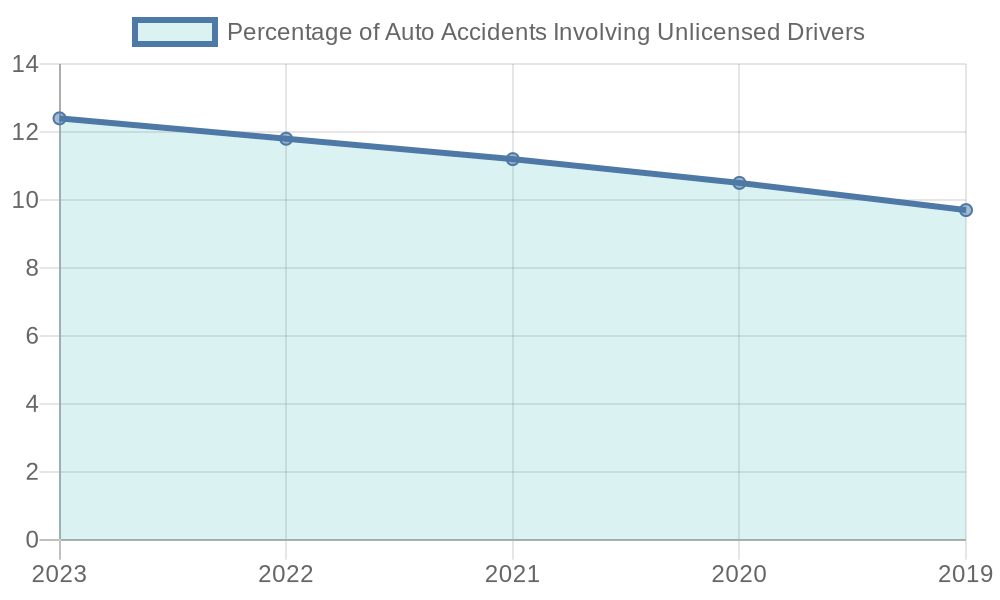
Here are some relevant statistics illustrating the toll unlicensed drivers take on road safety:
| Year | Percentage of Auto Accidents Involving Unlicensed Drivers | Source |
|---|---|---|
| 2023 | 12.4% | NHTSA |
| 2022 | 11.8% | NHTSA |
| 2021 | 11.2% | NHTSA |
| 2020 | 10.5% | NHTSA |
| 2019 | 9.7% | NHTSA |
The Case for CDL
Operating a tow truck without a CDL can expose a business to significant liabilities and safety risks. The Florida Department of Highway Safety and Motor Vehicles reported a comprehensive overview of traffic incidents, reinforcing the idea that regulatory compliance is critical to operational safety. Additionally, various articles emphasize that having drivers with proper qualifications boosts the legality and safety of towing operations.
A CDL is essential for drivers managing vehicles weighing over 26,001 pounds, including tow trucks. It ensures that drivers are adequately trained in handling larger, heavier vehicles, which is a substantial factor contributing to roadway safety.
Moreover, a CDL helps towing companies maintain appropriate liability insurance coverage and ensures compliance with federal and state regulations, impacting their ability to operate legitimately within their market. With an increase in towing incidents involving unlicensed drivers, ensuring all drivers have the correct licensing is more important than ever. To learn more about the significance of compliant towing services, you can visit our page on Burke Towing or explore Manassas Towing for further insights.
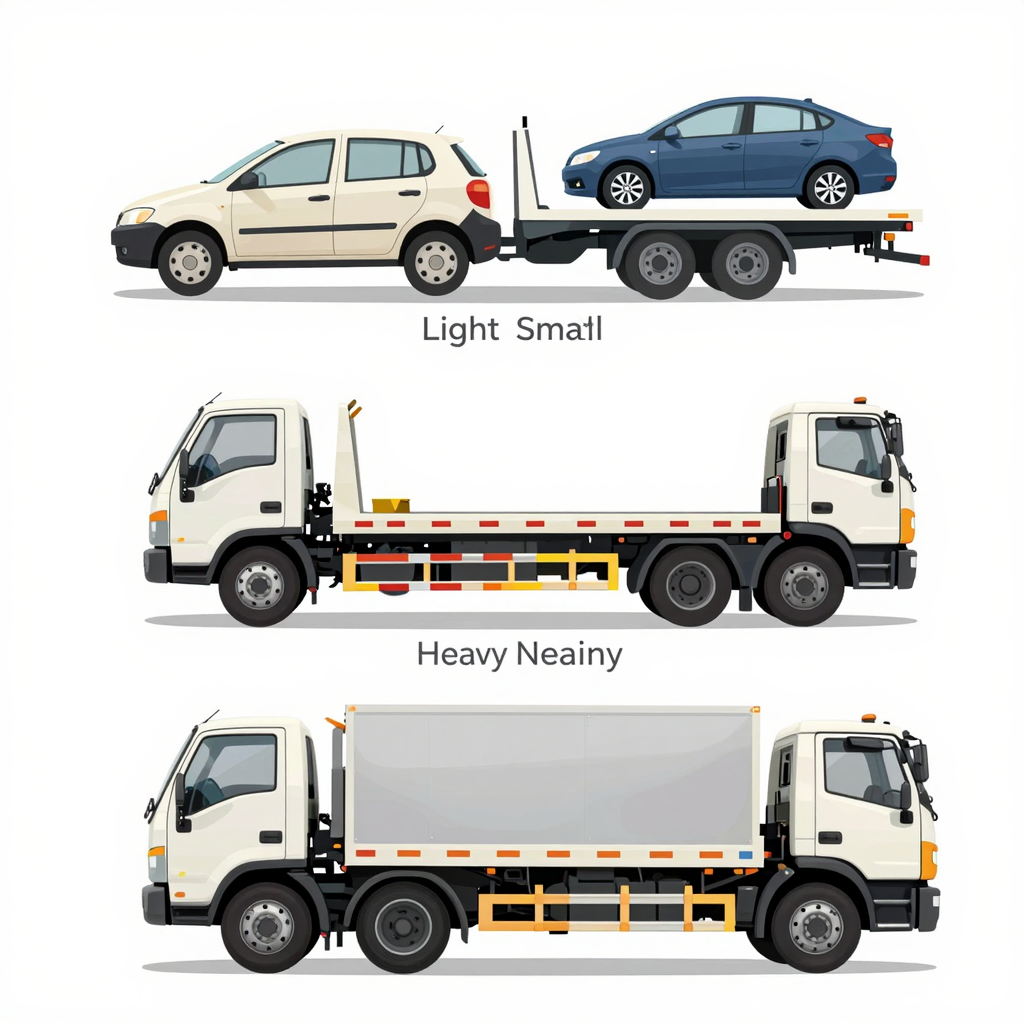
| Truck Type | Description | CDL Requirement (Based on Federal & State Regulations) |
|---|---|---|
| Light-Duty Tow Truck | Typically weighs under 26,000 pounds GVWR (Gross Vehicle Weight Rating). Used for towing passenger vehicles and small trucks. Commonly equipped with a winch or flatbed. | Regular State Driver’s License Required – No CDL needed if the vehicle is under 26,000 lbs GVWR and not used to transport hazardous materials or passengers. |
| Medium-Duty Tow Truck | Weighs between 26,001 and 33,000 pounds GVWR. Often used for towing larger vehicles like SUVs, light commercial vans, and small delivery trucks. May include dual rear wheels and stronger chassis. | CDL Class B Required – If the tow truck has a GVWR over 26,000 lbs and is used to tow another vehicle weighing more than 10,000 lbs, a CDL Class B is required in most states. |
| Heavy-Duty Tow Truck | Weighs over 33,000 pounds GVWR. Designed for towing large commercial vehicles such as semi-trucks, buses, and oversized equipment. Equipped with powerful winches, cranes, and specialized recovery systems. | CDL Class A Required – Required when operating a combination vehicle (e.g., tractor-trailer setup) or when the tow truck itself exceeds 26,000 lbs GVWR and is used to tow a vehicle over 10,000 lbs. In many cases, the total weight of the tow truck and towed vehicle exceeds 26,000 lbs, triggering the need for a Class A CDL. |
Note:
- The above classifications are based on federal guidelines from the U.S. Department of Transportation (DOT) and state-specific interpretations of the Federal Motor Carrier Safety Administration (FMCSA) regulations.
- Some states may have additional rules (e.g., requiring a CDL for certain types of wrecker operations even below 26,000 lbs if used commercially).
- Always verify local state DMV or transportation department regulations for exact requirements.
Sources:
- Federal Motor Carrier Safety Administration (FMCSA) – CDL Eligibility
- U.S. Department of Transportation – Vehicle Weight Definitions
- [State DMV Websites (e.g., California DMV, Texas DPS)](https://www.dmv.ca.gov/, https://www.dps.texas.gov/)
Potential Legal Risks of Driving Without a CDL
Operating a tow truck without a valid Commercial Driver’s License (CDL) can present significant legal risks that can greatly affect a business’s operations and reputation. It’s crucial for business owners in the towing industry to understand these ramifications.
Legal Penalties
Driving a tow truck without a CDL is considered a serious offense. Depending on the state, penalties may include:
- Fines: Civil penalties for operating without a CDL can range from $500 to $2,500, and in aggravated cases, fines can escalate to as much as $5,000 (source: Chicago DUI Lawyers).
- Jail Time: Depending on the severity and the number of violations, offenders may face jail time of up to six months, or even longer in some states (such as up to one year for aggravated cases in New York) (source: AllLaw).
- License Suspension: Offenders might also face a temporary suspension of their driving privileges, making it even more challenging to operate their business effectively.
Liability Issues
Business owners could also be held liable for any accidents or damages caused by unlicensed drivers. If an accident occurs involving a driver without a CDL, the legal responsibility may extend to the towing company itself, potentially resulting in:
- Civil Lawsuits: Victims injured in an accident may file lawsuits for damages, which could lead to significant financial losses for the business.
- Increased Insurance Costs: Insurance carriers may raise premiums or refuse coverage altogether if they find that a business is not complying with CDL regulations (source: Injury Relief).
Impact on Business Reputation
The ramifications of driving without a CDL can severely damage a business’s reputation. The following points illustrate this impact:
- Loss of Trust: Operating illegally erodes customer confidence. Regular patrons may choose to take their business elsewhere if they believe a company does not comply with legal standards.
- Negative Publicity: Legal troubles can attract media attention, leading to a negative public image that can be hard to rebuild.
In conclusion, the potential legal risks of operating a tow truck without a CDL are significant. Business owners must ensure that all their drivers are properly licensed to avoid hefty fines, legal liabilities, and the reputational damage that comes with non-compliance. For more information on towing services, you can check our Burke towing service or Arlington towing services.
Ensuring compliance not only protects the business legally but also fosters a trustworthy relationship with clients, ultimately contributing to long-term success in the towing industry.
“A Commercial Driver’s License (CDL) is not just a piece of paper; it represents the understanding and mastery of handling heavy vehicles. It’s crucial for maintaining safety and compliance in the towing industry.”
– Towing Industry Expert
Understanding the necessity of a CDL in the towing industry is pivotal for business owners. Federal and state regulations require that any tow truck operators possess a valid CDL, especially when handling larger vehicles and heavy loads.
For more detailed guidance on the legal requirements for tow truck operators, you can learn more here.
Conclusion
In conclusion, understanding the necessity of obtaining a Commercial Driver’s License (CDL) to operate a tow truck is crucial for business owners in the towing industry. If your tow truck has a Gross Combination Weight Rating (GCWR) of 26,001 pounds or more and is coupled with a towed vehicle that weighs more than 10,000 pounds, you will need a Class A CDL. In many states, a Class B CDL is also required for heavy-duty tow trucks designed for commercial vehicle towing due to their significantly higher weights. This requirement not only enhances safety but also ensures compliance with federal regulations, which can shield businesses from potential liabilities and legal issues.
Being well-informed about these licensing requirements can help business owners avoid costly penalties and ensure that their employees meet safety regulations. Additionally, possessing a CDL can also improve operational efficiency as drivers are more skilled and knowledgeable about handling larger vehicles, which can ultimately lead to better service for customers.
For business owners looking for guidance and support in navigating these requirements, Zoomlion is here to help. With our expertise in the towing industry, we can assist you in ensuring your fleet is compliant and well-equipped. Reach out to us for further assistance and learn more about obtaining the necessary licenses to keep your towing operations smooth and efficient. Contact Zoomlion today to elevate your towing business!
Additional Resources
For more information on towing services, feel free to explore our offerings in Burke Towing Service or Manassas Towing.
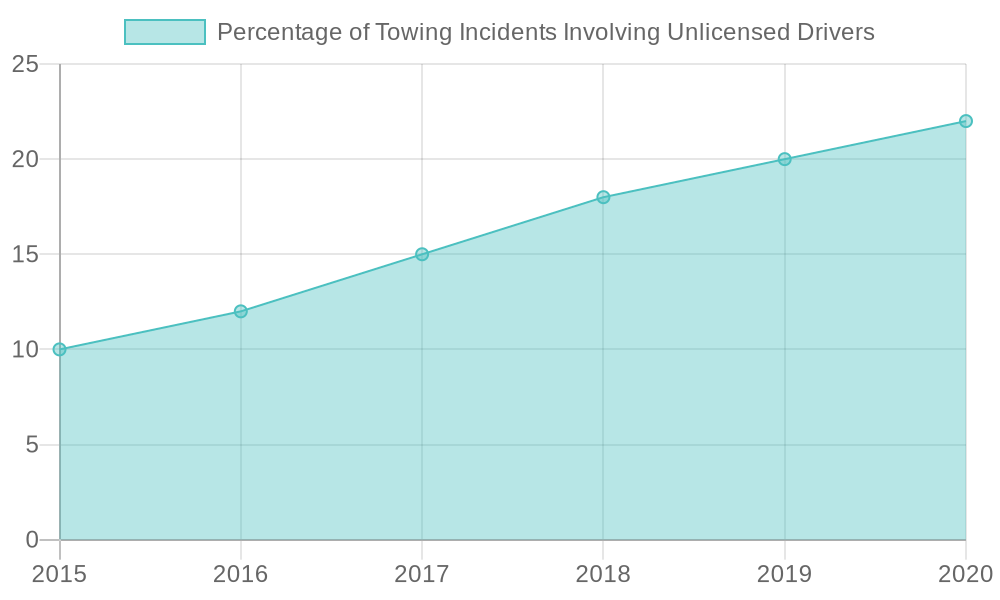
Chart illustrating the trend in towing incidents involving unlicensed drivers from 2015 to 2020.
| Year | Percentage of Towing Incidents Involving Unlicensed Drivers |
|---|---|
| 2015 | 10% |
| 2016 | 12% |
| 2017 | 15% |
| 2018 | 18% |
| 2019 | 20% |
| 2020 | 22% |
This chart highlights the troubling increase in incidents involving unlicensed drivers, emphasizing the critical need for proper licensing. Ensuring that all drivers are adequately licensed not only enhances safety on the roads but also protects towing companies and their liabilities. For more details on towing services, visit our Burke towing service and Manassas towing.