
Where Can I Rent a Truck to Tow a Trailer?
When it comes to operating a successful business in construction or agriculture, having the right equipment is vital. Selecting the appropriate truck rental for towing a trailer can significantly impact productivity and operational efficiency. Whether you’re transporting heavy equipment, building materials, or agricultural supplies, the specifications of your vehicles must align with your business needs.
Truck rental services play an essential role in facilitating these requirements. With a variety of options available, businesses can find vehicles with towing capacities specifically tailored for their operations. Popular rental companies like Enterprise and Penske provide heavy-duty trucks that can tow trailers efficiently, ensuring that businesses avoid costly downtimes and logistical challenges. These services offer flexible rental agreements, maintenance support, and even driver training programs, all designed to empower business owners with the confidence that their operations will run smoothly.
Ultimately, choosing the right truck rental for trailer towing is not just about having the right vehicle; it is about optimizing performance and ensuring that your business operates at its fullest potential. If you’re looking for reliable solutions, take the time to explore the comprehensive truck rental options available to fit your specific needs.
Common Reasons Businesses Might Need to Rent a Truck for Towing Trailers
Business owners often find themselves in situations where renting a truck for towing trailers becomes a necessity. Here are some common reasons:
-
Seasonal Demand: Many businesses experience fluctuations in their operational needs during peak seasons. Renting a truck ensures they have the necessary towing solutions during these high-demand periods without committing to a purchase.
-
Cost-Effectiveness: Investing in a truck specifically for towing can be prohibitively expensive. Truck rental services provide a more budget-friendly alternative, allowing businesses to allocate their resources more efficiently.
-
Specialized Towing Needs: Certain projects may require specific types of trailers or towing capacities. Renting a truck allows businesses to access the right equipment without the burden of ownership.
-
Short-Term Projects: Companies often take on short-term projects that require towing solutions, such as transporting heavy equipment or supplies. Renting provides flexibility for these temporary needs.
-
Maintenance and Repairs: If a business’s own towing vehicle is undergoing maintenance or repairs, renting a truck ensures continuity in operations without any delays.
For more tailored towing solutions, consider Ace Towing’s services in Burke or Manassas.
Types of Trucks Available for Rent
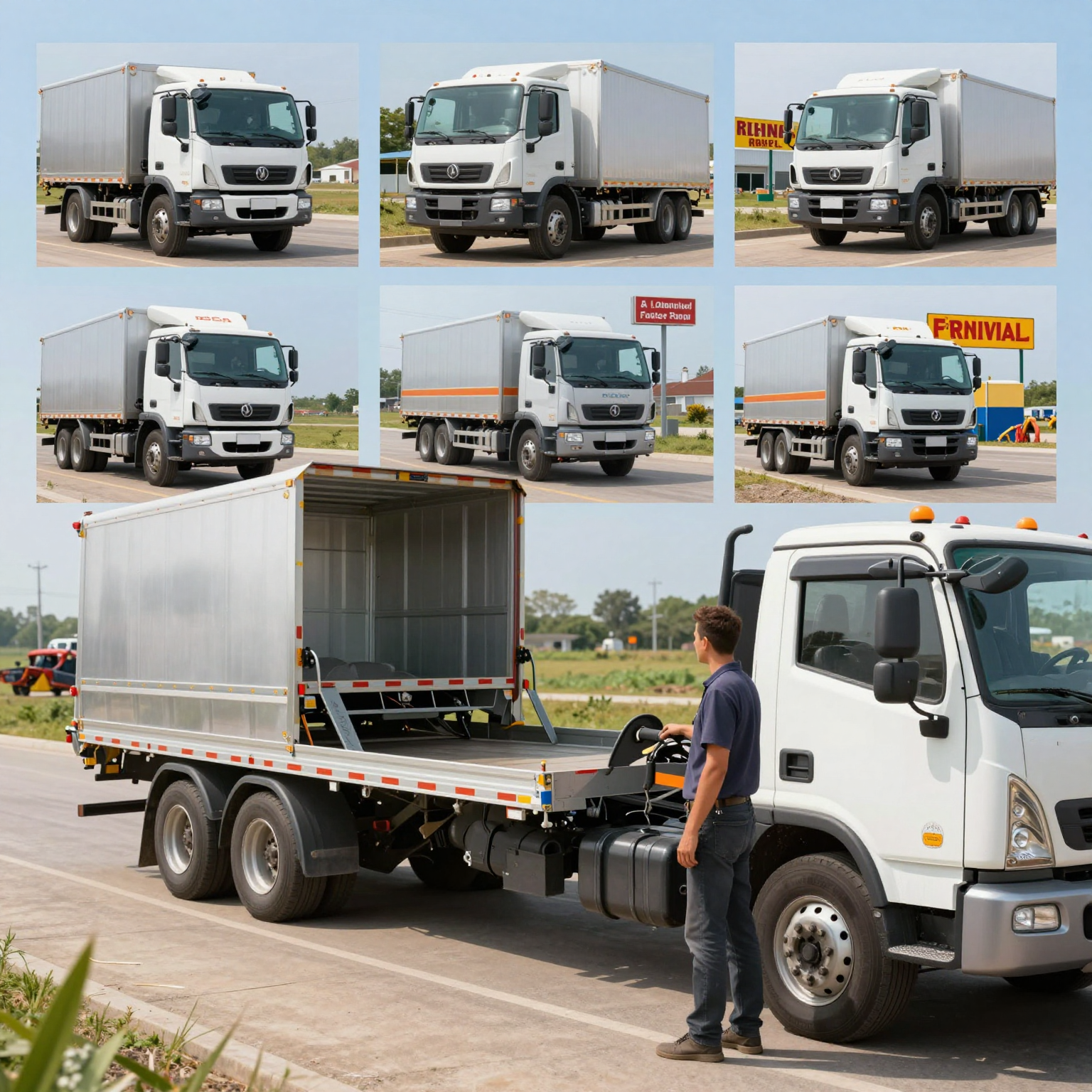
When it comes to towing trailers, businesses have several options for rental trucks, each designed to meet specific towing capabilities and operational needs. Below are some popular types of rental trucks suitable for towing:
1. Pickup Trucks
Pickup trucks are a versatile choice for towing due to their robust engine options and payload capacities. A midsize pickup can typically tow between 3,500 to 7,500 pounds depending on the model, such as the Ford F-150 or Chevrolet Silverado 1500, which offer enhanced towing packages. Features include:
- Durable Towing Systems: Designed for heavy loads with optional enhancements for specialized towing tasks.
- Cargo Space: Optimized bed designs for secure transport of cargo along with towing capacity.
2. Flatbed Trucks
Flatbed trucks are ideal for hauling oversized or irregularly shaped loads. They feature:
- Open Design: Makes loading and unloading easy without the constraints of sidewalls.
- High Loading Capacity: Capable of carrying weights anywhere from 4 tons to over 8 tons, depending on the model. For instance, the XDR 4X2 model has a robust design fitting for various commercial uses.
3. Box Trucks
Box trucks are another excellent option, especially for transporting goods securely. These trucks come with:
- Enclosed Space: Protects cargo from the elements during transport, making them suitable for distribution across different industries.
- Heavy-Duty Options: Models like the HOWO Cargo Van can support payloads of 5 to 8 tons, suitable for logistics and delivery operations.
Conclusion
When selecting the types of rental trucks for towing, consider your specific business needs, the weight of the trailers, and the type of cargo involved. For reliable towing services, check out our Burke Towing Services and Washington D.C. Towing options to ensure you’re covered during operations.
| Feature | Enterprise Truck Rental | U-Haul | Ryder | Penske |
|---|---|---|---|---|
| Services Offered | Commercial truck and van rentals for project-based, seasonal, and long-term needs; includes self-drive and managed fleet solutions. Offers electric and hybrid vehicles, automatic transmission options, and online booking with mobile app support. | Nationwide truck rental with self-drive options; offers moving trucks, trailers, and accessories (e.g., dollies, straps). Provides rental centers at over 20,000 locations including stores and dealerships. Includes trailer rental and delivery services. | Comprehensive logistics solutions: truck rental, fleet management, freight forwarding, supply chain consulting, and dedicated contract carriage. Offers both short- and long-term rentals for businesses. | Full-service truck rental with self-drive and managed fleet options. Provides truck and trailer rentals, fuel management, maintenance services, and GPS tracking. Offers rental packages tailored to business needs. |
| Pricing Model | Daily rates starting from approximately $476 in Watertown (based on compact van); varies by location, vehicle type, and rental duration. Discounts available for advance bookings and long-term rentals. No explicit mention of flat-rate or hourly pricing. | Hourly and daily rates based on truck size and rental duration. Pricing is transparent and often includes basic insurance. Additional fees may apply for mileage, fuel, and drop-off locations. Offers a “Move with Confidence” price guarantee. | Customized quotes based on business requirements; pricing depends on rental term, vehicle type, and service level. Typically used for commercial clients with negotiated contracts. | Custom pricing based on rental duration, equipment type, and services required. Often involves multi-day or monthly agreements. Offers volume discounts for fleet users. |
| Truck Types Available for Towing Trailers | Medium and large cargo vans; light-duty and medium-duty trucks suitable for towing small to medium trailers (up to 5,000 lbs). Specific models include box trucks and panel vans. | 10-ft, 13-ft, 16-ft, 20-ft, 26-ft, and 28-ft moving trucks; all designed for hauling trailers and household goods. Also offers utility trailers and enclosed trailers. | 10-ft to 53-ft dry vans, step vans, and flatbeds; includes trucks capable of towing up to 10,000 lbs. Specialized equipment such as refrigerated units and liftgates available. | 10-ft to 26-ft box trucks, straight trucks, and step vans; equipped for towing trailers up to 10,000 lbs. Offers heavy-duty and specialized trucks for commercial hauling. |
| Trailers Available | Not explicitly offered through Enterprise’s standard rental program. Focus is on trucks and vans. | Yes – includes open, enclosed, and utility trailers; also offers trailer delivery and pickup services. | Limited trailer availability; primarily focused on truck rental with optional trailer attachments. | Yes – offers various trailer types including enclosed, flatbed, and utility trailers. Available for rent alongside trucks. |
| Key Differentiators | Strong focus on business customers with flexible, long-term leasing options; robust digital platform; supports EV and hybrid fleets. | Largest network of rental locations; affordable pricing for personal moves; strong customer support and self-service tools. | Industry leader in fleet management and logistics integration; ideal for enterprise-level operations requiring end-to-end supply chain support. | Premium service provider with advanced technology (GPS, telematics), high-quality vehicles, and strong reliability for commercial use. |
Factors to Consider When Renting a Truck for Towing
Renting a truck for towing is a crucial task that requires careful consideration of several factors to ensure you choose the right vehicle for your needs. Here are the key elements to keep in mind:
1. Weight Capacity
When selecting a rental truck, you must consider its weight capacity. Different trucks have varying capacities that can range from 5,000 lbs for smaller models to over 30,000 lbs for heavy-duty options. Make sure to match your truck’s capacity with the weight of the trailer and load you plan to tow. Exceeding the truck’s weight capacity can lead to serious safety hazards and may even void your rental agreement. Consult with your rental provider for specific towing requirements. For example, light-duty trucks like the Ford F-150 can typically tow between 10,000 to 14,000 lbs, while heavy-duty models like the Freightliner M2 106 can handle 30,000 to 50,000 lbs.
2. Rental Duration
The duration of your rental can significantly affect the cost. Daily rates can vary widely, so consider how long you will need the truck. Many rental companies offer discounted rates for longer rentals, which can be a cost-effective option.
3. Insurance Options
Insurance is another critical factor. While basic coverage might be included, supplemental options such as Damage Waiver and Collision Damage Waiver (CDW) are often recommended for added protection against damage. Review the insurance options carefully to choose what best suits your needs. Learn more about insurance options here.
4. Additional Fees
Be aware of potential additional fees, such as fuel surcharges, mileage overages, charges for extra equipment like dollies, and one-way uses. Understanding these fees upfront ensures you won’t be surprised by unexpected costs upon return. Explore a complete guide to rental truck fees here.
In summary, considering these truck rental factors thoroughly can help ensure a smooth towing experience. Matching the truck’s capabilities with your towing requirements is essential for safety and efficiency.
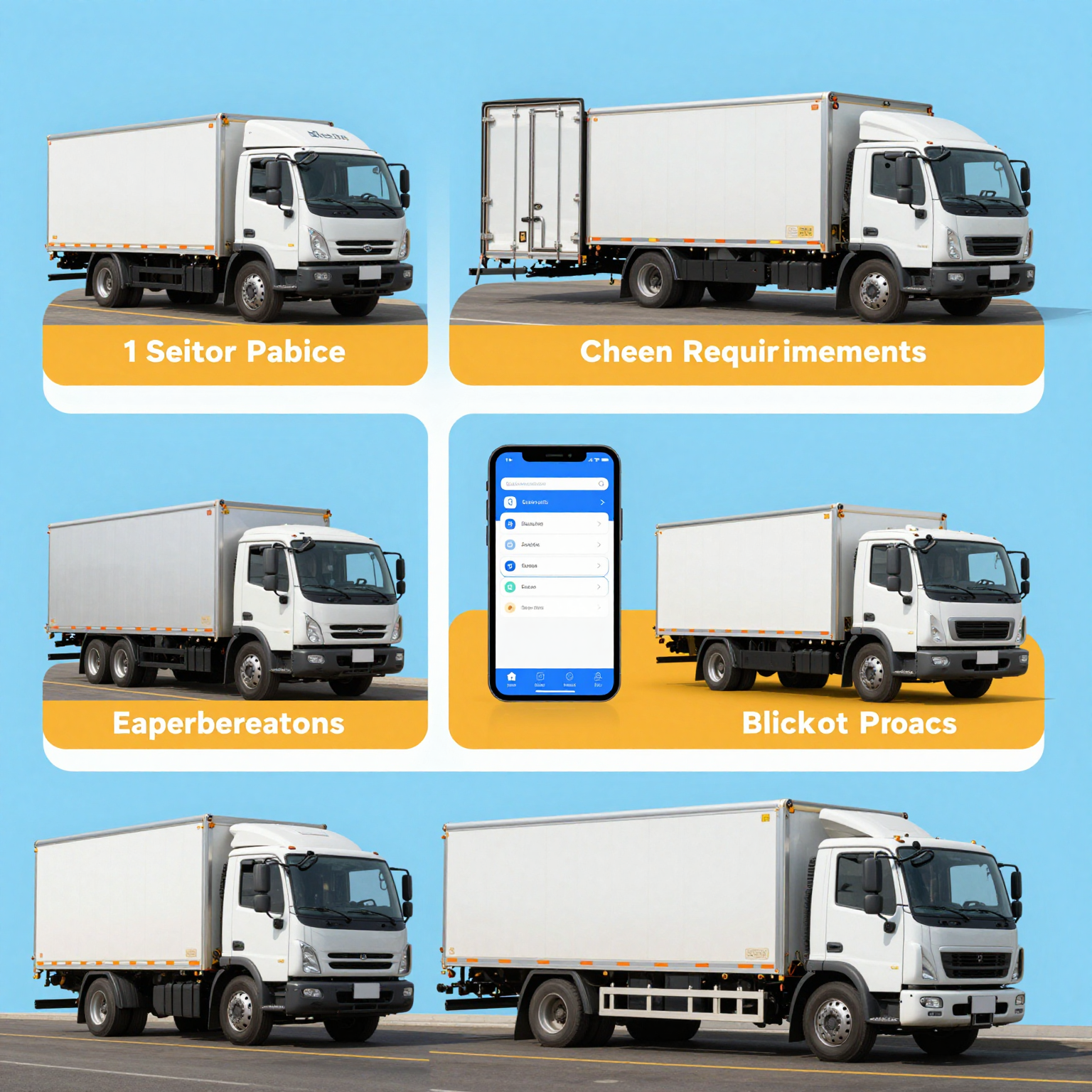
This infographic captures the essential steps involved in renting a truck specifically for towing a trailer, aimed at assisting business owners in understanding the entire process efficiently.
Safety Considerations While Towing
When towing a trailer, safety must always be a top priority, especially for businesses that rely on trailer towing to deliver goods or transport equipment. Here are essential safety tips and best practices to ensure safe towing:
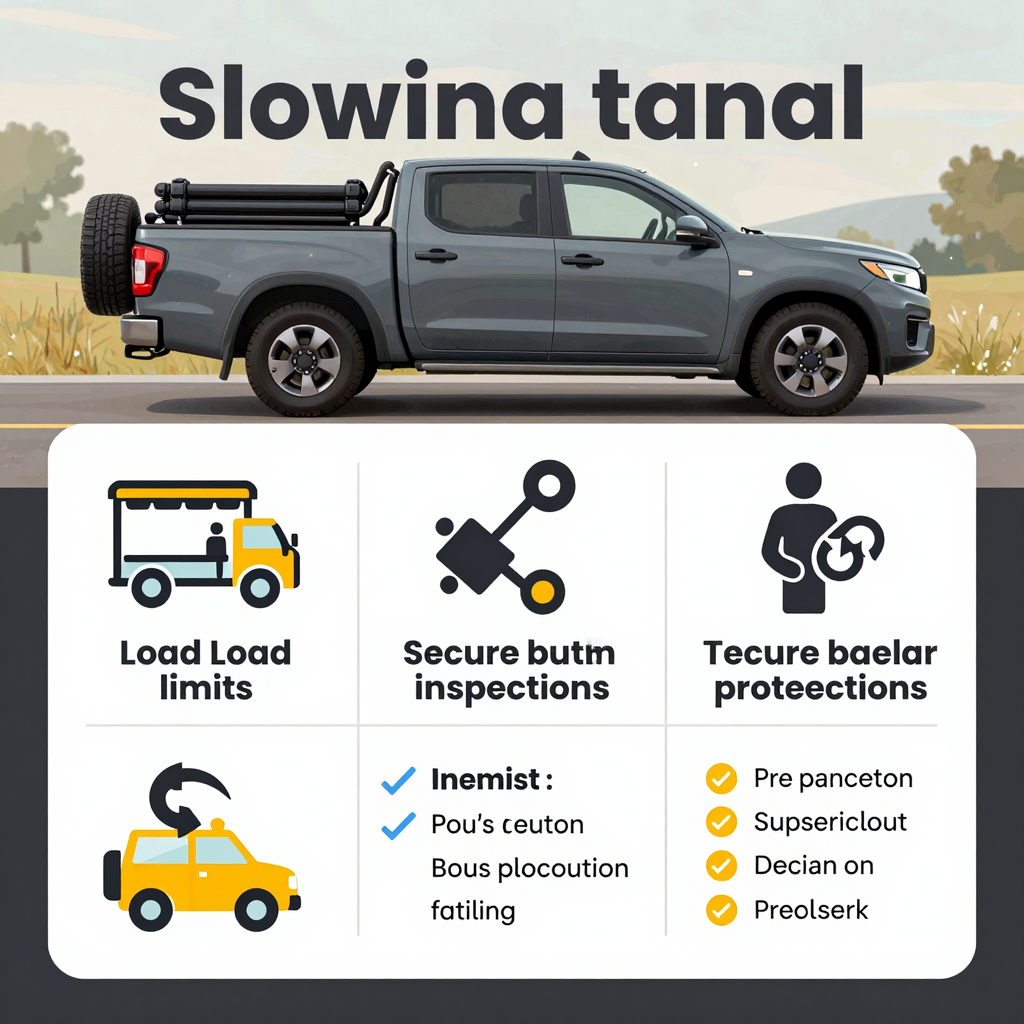
1. Perform Regular Vehicle Inspections
Before you even attach a trailer, conduct thorough inspections of your towing vehicle. Check the following components:
- Tires: Ensure they are properly inflated and in good condition.
- Brakes: Test brake function for both the towing vehicle and the trailer.
- Lights: Verify that all lights (brake lights, turn signals) are operational.
- Hitch: Inspect the hitch system for any wear or damage.
Regular inspections help reduce risks associated with towing. According to the U.S. Department of Transportation, a detailed checklist can minimize any mechanical failures on the road.
2. Know Your Load Limits
Understanding your vehicle’s towing capacity is crucial. Exceeding weight limits can lead to poor handling, increased stopping distances, and potential accidents. Monitor the Gross Combined Weight Rating (GCWR) and the Gross Vehicle Weight Rating (GVWR) to avoid common mistakes like overloading the trailer. Articles from Consumer Reports emphasize the significant dangers of improper load management.
3. Secure Your Hitch
The hitch and trailer connection is a critical point of safety during towing. Use the correct ball size and ensure that your hitch is properly secured. A loose or improperly attached hitch is one of the leading causes of trailer detachment accidents. The AAA outlines proficient methods for ensuring a secure hitching here.
4. Properly Load and Secure Cargo
Always ensure that your cargo is evenly distributed and securely fastened. Unsecured loads can shift during transit, leading to instability and rollovers. According to FMCSA’s 2024 Towing Safety Report, failure to secure loads is among the most common towing safety violations, significantly elevating the risk of accidents.
5. Be Aware of Towing Violations Statistics
Statistical data shows that certain towing safety violations occur more frequently and have a direct impact on accident rates. Here’s an overview of common violations:
| Towing Safety Violation | Frequency (Incidents per 1,000 Tows) | Correlation with Accident Risk (Relative Risk Ratio) | Key Impact on Accident Severity |
|---|---|---|---|
| Overloading the Trailer | 12.3 | 3.8x higher risk of accident | Increases likelihood of brake failure and loss of control |
| Improper Hitching or Coupling | 9.7 | 3.2x higher risk of accident | Often leads to trailer separation and collisions |
| Lack of Pre-Trip Vehicle Inspection | 15.6 | 4.1x higher risk of accident | Failure to detect mechanical issues increases crash probability |
| Unsecured or Improperly Loaded Cargo | 18.4 | 5.3x higher risk of accident | Causes load shift, leading to instability and rollovers |
In Conclusion
Towing safety is critical for businesses that regularly tow trailers. By following these best practices-conducting thorough vehicle inspections, respecting load limits, securing hitches, and ensuring proper cargo management-business owners not only protect their vehicles but also enhance the safety of roadways for everyone. For more about local towing services, contact our towing company today!
Renting a Truck to Tow a Trailer
When looking for a truck to tow a trailer, it’s important to choose a service that prioritizes safety and efficiency. Proper towing practices and equipment can make a significant difference in avoiding accidents and ensuring a smooth towing experience. As Dr. Lena Patel, Senior Road Safety Analyst at the National Road Safety Council, emphasizes:
“Improper towing practices are a leading cause of secondary crashes at accident scenes. Using outdated or non-compliant equipment significantly increases the risk of vehicle rollovers, load shifts, and worker injuries. Employers must ensure their crews use certified PPE and follow strict procedures-this isn’t just about compliance; it’s about saving lives.”
This highlights the need for businesses to ensure they rent trucks from companies that meet high safety standards. You can visit ACE Towing in Burke, VA or ACE Towing in Washington, DC for reliable truck rental options that comply with all necessary regulations.
Ensuring you have the right vehicle and equipment for towing not only protects your assets but also the safety of all road users.
In conclusion, renting the right truck for towing trailers is not just a matter of convenience; it is essential for ensuring safety and efficiency in your transportation needs. Business owners must understand the importance of choosing a vehicle that matches their specific towing requirements, whether it’s for carrying heavy equipment, vehicles, or other large loads. A well-suited tow truck ensures that both the towing and the towed vehicle operate smoothly, reducing the risk of accidents and damage.
Rental options, such as those offered by ACE Towing, provide flexibility without the burdens of maintenance and ownership. Renting also allows businesses to scale their operations based on immediate needs, optimizing operational costs by avoiding the commitment of purchasing a truck.
Ultimately, the right truck can significantly enhance your business’s efficiency and reliability. Don’t wait – contact us today to discuss your needs and find the perfect truck for your trailer towing!
Truck Rental FAQs for Towing Trailers
When it comes to renting trucks for towing trailers, business owners often have several questions. Here’s a comprehensive FAQ section to help guide you through the rental process.
1. Can I rent a truck specifically for towing a trailer?
Yes, many truck rental companies offer vehicles with the capability to tow trailers. It’s important to confirm towing eligibility with the rental provider.
2. What is the maximum towing capacity for rental trucks?
The towing capacity varies by model. Typically, medium and heavy-duty trucks (e.g., 16-foot and larger) can tow between 5,000 to 10,000 lbs, but always verify with your rental provider, as exceeding weight limits could damage the vehicle or void insurance coverage.
3. Do I need a special hitch to tow a trailer with a rental truck?
Yes, a proper trailer hitch must be installed for safe towing. Make sure it matches the truck’s specifications and towing capacity.
4. Are there any restrictions when towing with a rented truck?
Rental agreements often include restrictions. For example, unauthorized towing can lead to liability issues. Always read your rental agreement thoroughly.
5. What happens if I exceed the truck’s towing capacity?
Exceeding the towing capacity can lead to serious mechanical failure. Rental companies may charge for damages and deny insurance claims in such situations.
6. Can I tow a trailer with all rental trucks?
Not all trucks are suitable for towing. Specific models are designated for this purpose, and towing must usually be pre-approved.
7. Do I require special insurance for towing with a rental truck?
Check with your rental agency about insurance requirements. Some companies may require proof of additional insurance for towing.
For more information on truck rental services that can assist with towing, visit our contact page or explore our towing services in Burke.