
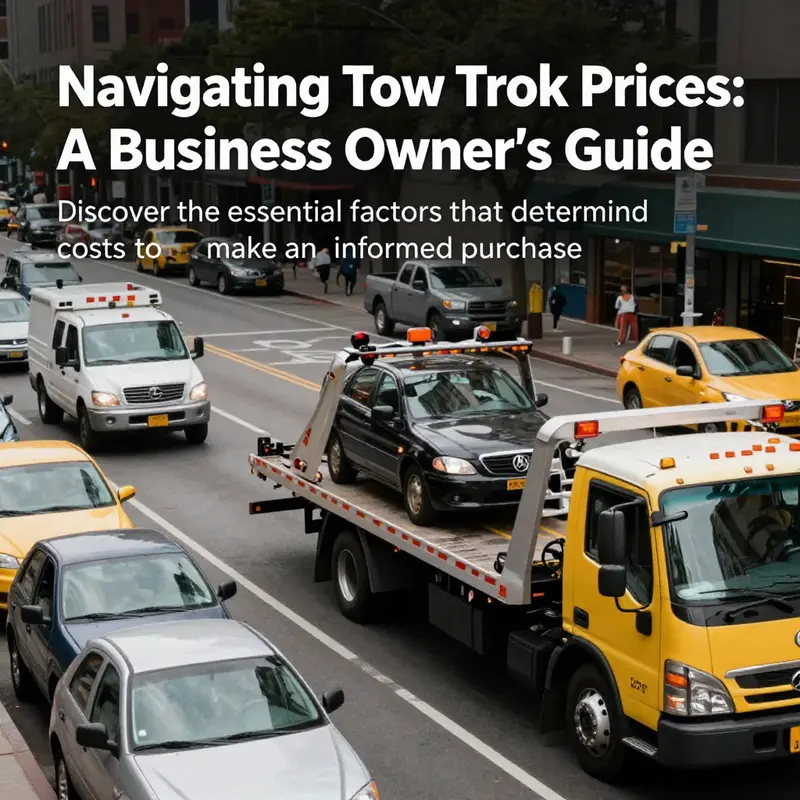
Purchasing a tow truck is a significant investment that can greatly enhance your business operations. Understanding the price variations based on truck types, features, and hidden costs is crucial for business owners. This article delves into the specifics of how much you should expect to pay for a tow truck, beginning with the different classifications available. We will then evaluate costs based on specific features and specifications, ultimately addressing the financial considerations and potential hidden costs that may arise. By the end, you’ll be well-equipped to make an informed decision when purchasing a tow truck for your business.
null
null
Tow Truck Dollars: Reading Price Tags Across Models, Features, and Real-World Use
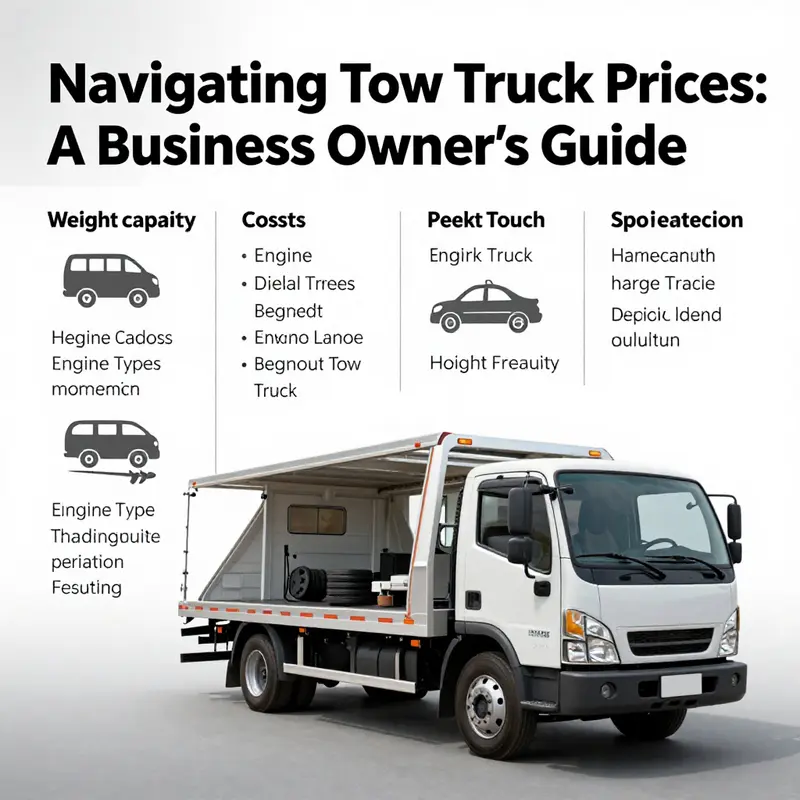
Pricing a tow truck isn’t a single number. It grows out of what you intend to do behind the wheel and how long you expect to operate the vehicle in a demanding service environment. If you run a roadside assistance fleet, your cost calculus will differ from a heavy recovery operation that handles multi-vehicle incidents. Market summaries reflect a broad spread, driven by model, weight capacity, condition, and configuration. For many buyers, the first fork in the road is whether to buy new or used, and what kind of chassis and lifting system fits the work. The numbers surfaced in recent market reports act as useful signposts: for light to medium duties, a 5 to 8 ton unit often sits in the mid to low thirties, though a wide spread exists from seller to seller. In another snapshot, similar trucks can range from roughly 15500 to 52900, underscoring how quickly configuration and provenance tilt the price envelope. These figures set expectations, but they also emphasize a crucial point: the sticker price is only the beginning of the total cost of ownership. Before you chase a bargain, you must map the work, the fuel and maintenance picture, and the long term risks and rewards of the purchase.
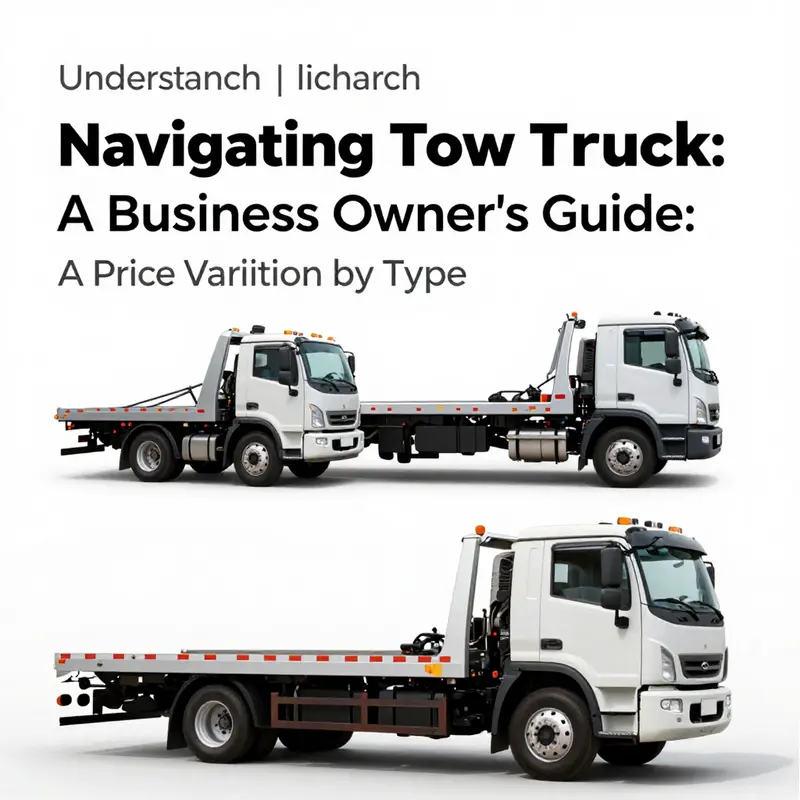
The heart of the decision rests on the type of tow truck you choose. Integrated units, flatbeds, and rotator configurations all deliver different core capabilities and costs. An integrated tow truck, built as a single robust machine with the tow apparatus integrated into the chassis, tends to deliver exceptional stability and high lifting capacity. That stability and strength come at a premium, because you’re paying for a purpose built, durable platform that reduces vibration, increases reliability in recovery operations, and tends to hold up better under high stress use. A flatbed, by contrast, emphasizes versatility. It can transport damaged or non operational vehicles without dragging them, which minimizes additional damage and simplifies documentation and insurance processes after a claim. The cost of a flatbed tends to be more predictable in some markets, especially when the platform is paired with mid range winches and hydraulic systems. The rotator, or rotary crane, represents a tier of its own: it enables lifting, rotating, and stabilizing heavy vehicles in complex recovery scenarios at accident scenes. Rotator trucks command a premium because of their advanced hydraulic architecture, crane reach, and the specialized training that operators require to manage them safely and effectively.
A concrete pricing example helps anchor expectations without locking you into a single narrative. A HOWO 4×2, 5-ton flatbed wrecker, widely cited in supplier listings, can range from around 18,000 to 39,800 per unit depending on configuration and included features. That spread illustrates how load capacity, drivetrain specifics, and ancillary equipment such as the winch pull rating, the length of the boom, and the presence of backup safety features push the number up or down. When you add a rotator or swap to an integrated design, you can see prices climbing quickly, not merely because the core lifting equipment becomes more sophisticated, but because the overall engineering demands more robust testing, higher grade hydraulics, and more stringent safety certifications. Yet even within the same tonnage class, newer models with better fuel efficiency, updated safety features, and compliance with current emissions standards can be more expensive initially, while offering lower operating costs over the vehicle’s life. A 2025 reference on used tow-truck parts reminds buyers that understanding axle load ratings, boom reach, and lift capacity is essential not only for price but for predictable performance and safety.
The broader buying landscape reinforces the need to balance upfront investment with long term performance. A cheaper unit may seem appealing, but if it falls short on lift capacity, has marginal hydraulic reliability, or requires frequent maintenance, the total cost of ownership may surpass a higher priced, better equipped model. On the other hand, a new truck may introduce the latest fuel saving technologies, advanced safety packages, and warranty protection that reduce downtime and repair costs in the early years. The decision then becomes a question of risk tolerance and operational profile: will you be operating in high traffic urban corridors with tight access, or in rural stretches where reliability and uptime are paramount? Each scenario nudges the price in a different direction, and each adds a layer of consideration that goes beyond the initial price tag.
For buyers who plan to build a fleet or replace aging equipment, thoughtful budgeting should include total cost of ownership: insurance, licensing, training, and ongoing maintenance. The size of your crew, the expected annual hours of operation, and the typical load profiles influence not only the initial purchase price but the ensuing fuel costs, parts availability, and downtime. A newer model with better fuel efficiency and modern safety certifications can reduce insurance premiums and retrofit expenses, yet you should still budget for periodic upgrades to align with updated emissions standards and industry safety practices. In short, the value proposition of a tow truck hinges not only on raw capacity but on how well its feature set aligns with your coverage area, incident mix, and crew capabilities.
If you want to tailor your search to a specific market or service area, a practical move is to compare how different configurations perform under similar conditions. For instance, a light to medium duty fleet might prioritize a flatbed’s versatility and a dependable winch, paired with a modest crane and straightforward hydraulics. A mid range operation could gain from a rotator’s multi gear versatility, but that comes with the need for more sophisticated operator training and maintenance. For service-area readers curious about regional options, you can explore a local perspective through a Washington DC tow-truck network example.
Finally a practical reality check remains crucial: even after you settle on a configuration and a rough price range, you should request formal quotes and, where possible, access to a full specification sheet. The detailed specs—axle load ratings, boom reach, lift capacity, hydraulic system pressures, and crane rotation angles—reveal the true operating envelope of each unit. These figures matter not only for price but for operator safety and efficiency on the road or at a recovery site. In the end, the question how much to buy a tow truck becomes a structured exercise in aligning capability with demand, comfort with risk, and a clear eyed view of total cost of ownership. The right choice supports rapid, reliable service while keeping maintenance from eroding profitability.
External reference for pricing context: https://www.alibaba.com/product-detail/WHOLESALE-WRECKER-TRUCK-4X2-5tons_1600743081887.html
Tow Truck True Cost: Balancing Sticker Price, Hidden Fees, and Long-Term Viability
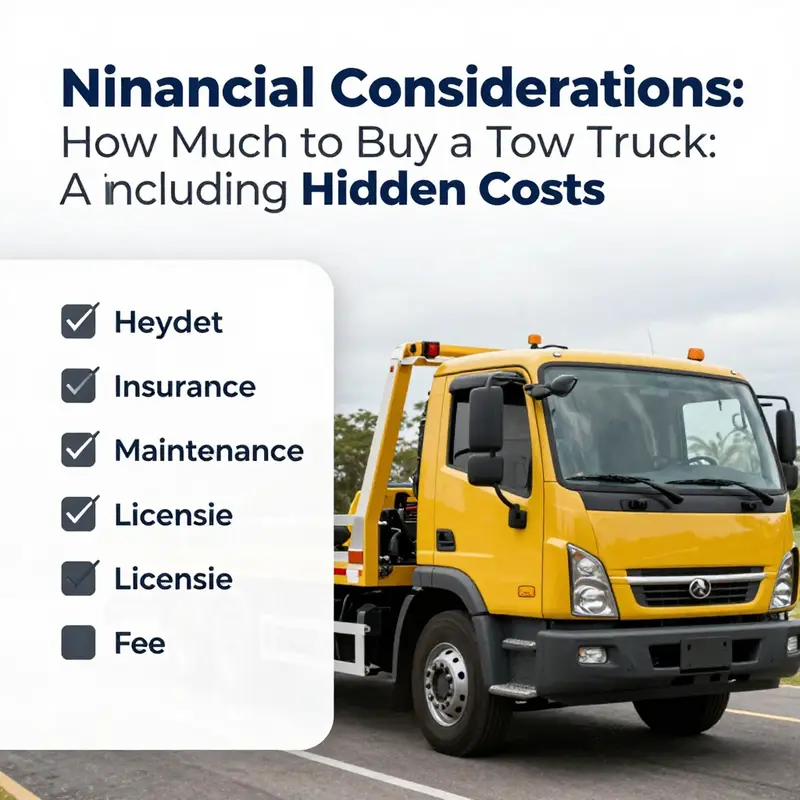
Buying a tow truck is a strategic decision that blends mechanical judgment with business planning. Too often, buyers focus on the sticker price and the immediate monthly note, then discover the real cost lives in the details: equipment that must work reliably, safety and communications that keep drivers compliant, and maintenance that preserves uptime. The numbers in the market reflect a broad spectrum. In the light-to-medium duty segment, these 5- to 8-ton models are the workhorses of roadside assistance and small-vehicle recovery. Depending on the market and the exact configuration, a new 5-ton to 8-ton winch tow truck has appeared in price ranges around $27,500 to $28,500 for a single unit in recent catalogs. Other sources show a wider spread, reporting similar trucks can be as low as $15,500 or as high as $52,900. Prices shift with the size of the winch, the mounting configuration, and how much of the auxiliary equipment comes standard. The takeaway is simple: you can’t rely on a single number to forecast your cash outlay, because the value of options and the terms you negotiate can swing the total well above or below the base figure.
For heavier work, the economics change in a meaningful way. Heavy-duty tow trucks, such as an 8×4 drive 50-ton model, enter a market where the sticker price and the total cost of ownership move in different realms. The literature suggests these behemoths command prices well beyond the light-to-medium category, and precise figures are typically defined through vendor consultation and customized quotes. The sheer capacity of a 50-ton unit means stronger components, more sophisticated hydraulics, and a cab-and-chassis package designed to sustain long, demanding shifts. In practical terms, the jump from 8 tons to 50 tons isn’t merely incremental; it represents a shift in operating footprint, insurance needs, maintenance cycles, and financing terms. If you’re contemplating this tier, the prudent path is to engage directly with manufacturers or distributors to map out a realistic price curve that aligns with anticipated utilization and revenue forecasts.
Beyond those two end-points lies a landscape of in-between options. Rollback flatbeds, for instance, offer versatility by carrying two vehicles and can span a carrying capacity of roughly 3 to 10 tons, depending on the specific chassis and equipment package. A 4×2 drive 5-ton model could appear as an economical alternative for shorter-range operations or for businesses expanding from purely on-call roadside service. Even here, the sticker price is only one piece of the equation. You’ll encounter a spectrum of configurations that affect payload, wheelbase, and the mounting of winches and dollies, all of which influence how effectively you can perform towing, recovery, and on-site service work. In short, the market presents a ladder of options, but the true decision rests on how you intend to deploy the asset, what your service area looks like, and how you plan to balance upfront costs with ongoing profitability.
Once you step away from the initial price tag, the conversation pivots to what many call the hidden costs—the invisible, recurring, and sometimes predictable expenses that shape your bottom line over the life of the truck. The base cost for a brand-new tow truck is only the starting point. In many cases, you’ll be facing a price range from $50,000 up to well over $150,000, depending on the size, capacity, and the brand’s engineering standards. That range is not a marketing trick; it reflects differences in torque curves, transmission choices, frame strength, hydraulic systems, and the sophistication of the vehicle’s integration with towing equipment. The higher end of the spectrum often corresponds to specialized configurations that optimize uptime in harsh or demanding environments, where even small reductions in downtime translate into meaningful revenue gains.
Hidden costs begin to accumulate almost as soon as you confirm a purchase and begin the setup. First, specialized equipment is essential and costly. Winches, towing straps, wheel lifts, towing dollies, and axle pads aren’t add-ons you can ignore. They are core to safe and efficient operations, and they tend to be a few thousand dollars apiece when you swap in premium gear. You may also need auxiliary equipment such as recovery pendants, snap hooks, chain binders, stabilizing jacks, and storage solutions in the cab or bed. The total for these essential tools can easily reach into the tens of thousands depending on the number of vehicles you anticipate handling and the efficiency targets you set.
Then there are safety and communications systems. Light bars, sirens, work lamps, and two-way radios aren’t optional in many jurisdictions; they are often required by regulations and internal safety standards. The cost of this category is cumulative. A well-equipped unit becomes a mobile command post capable of coordinating with dispatch, traffic control, and on-site responders. The more robust the communications network, the greater the upfront investment, but the payoff is smoother operations and better compliance with local rules. There’s also a need to consider digital record-keeping and telematics, which can add ongoing monthly or annual costs but improve maintenance scheduling and fuel management.
Maintenance costs form the third pillar of the hidden-cost framework. A tow truck’s engine, transmission, and hydraulics endure heavy loads. Diesel engines, in particular, demand attentive maintenance to protect fuel economy, emissions systems, and overall reliability. The long-term reliability of key components will significantly influence downtime, repair bills, and the truck’s resale value. Regular maintenance, timely part replacements, and a predictable service schedule are essential, yet they require a budget, staff time, and sometimes after-sales support agreements. The financial picture becomes clearer when you quantify maintenance on a per-mile or per-hour basis, then compare it to the projected utilization and revenue per mile. In practice, a fleet owner factors maintenance into monthly operating expenses as a fixed overhead that must be funded even during slower periods.
Driver training is another often-underappreciated line item. Heavy-duty towing involves specialized handling, winching techniques, and safety protocols that protect drivers, customers, and the equipment. Certification and ongoing training translate into time and money, but they also reduce the risk of accidents, which can be costly in their own right. A well-trained driver pool shortens job times, increases job completion rates, and improves customer satisfaction—factors that ultimately influence repeat business and profitability. With the total cost of ownership in mind, you’ll want to budget for initial training and periodic refreshers, along with potential reimbursements for certifications required by local regulations.
All of these factors—equipment, safety systems, maintenance, and training—interact with other financial considerations. Fuel efficiency, particularly in diesel models, plays a sizable role in ongoing costs. Insurance premiums reflect risk exposure tied to employment, liability, and fleet operations. Financing terms, taxes, and shipping costs can also tilt the economics more than you might expect. When you combine the sticker price with the hidden costs, the resulting figure tells a more accurate story of what owning a tow truck will cost and what it can earn. It’s not enough to know what you can borrow or what a vendor quotes you for the chassis; you must project total ownership over a horizon that matches your business plan, incorporating downtime, maintenance, and driver development.
For a practical look at regional options, you may explore local service pages such as the Washington DC area to understand market-specific pricing and service availability. Washington DC towing service offers insights into how fleets in dense urban environments balance capacity, response times, and regulatory compliance while negotiating with suppliers and service partners. This context helps align your purchase with the realities of your operating area and customer base. If you’re evaluating nearby markets or seeking a benchmark, a targeted inquiry into local options can illuminate what configuration and equipment package best fit the geography and demand patterns you expect to face.
External resource: Understanding Tow Truck Ownership Costs: A Complete Guide for Prospective Owners — https://www.towtruckowner.com/ownership-costs-guide
Final thoughts
Making an informed decision regarding the purchase of a tow truck involves understanding the various types and specifications and being cognizant of the financial implications, including potential hidden costs. As a business owner, prioritizing these considerations not only aids in keeping your budget in check but also ensures the truck selected meets the operational demands of your business. With this comprehensive understanding, you’re in a strong position to successfully invest in a tow truck that enhances both service offerings and profitability.