
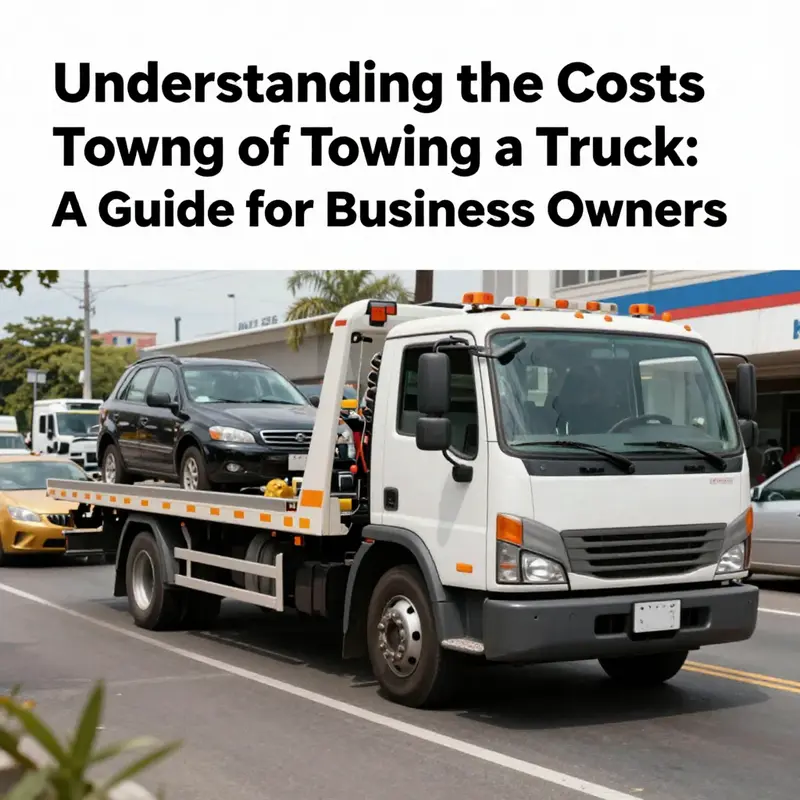
Towing a truck can often be an unexpected expense for businesses, making it essential to comprehend the various factors influencing costs. Understanding how distance, vehicle weight, location, and timing can affect tow truck prices will empower business owners to make informed decisions. This article delves into the essential components of towing costs: analyzing distance traveled, the impact of vehicle weight, and the influence of location and time on pricing. By grasping these critical elements, you will be better prepared to budget for towing services and ensure the continuity of your operations without sudden financial surprises.
The Mile Marker of Cost: How Distance Shapes the Price Tag When Tow Trucking a Truck
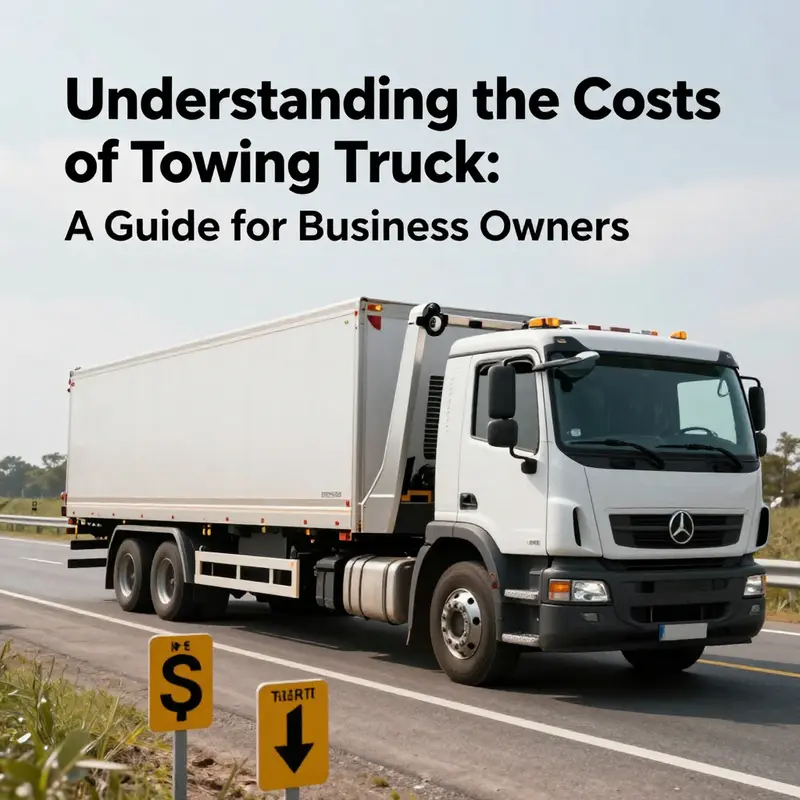
When a truck needs to be moved, the distance from its starting point to its destination sets the pace for what you will eventually pay. This is not just a general rule of thumb but the single most influential factor shaping the final bill. Towing companies typically structure the price as a base fee plus a per mile charge, or they may use a flat rate for shorter hauls. In practical terms, a short tow of roughly five miles often lands around seventy five dollars, where the base fee does most of the heavy lifting. But push that distance to fifty miles and the math changes quickly. Even in communities that aren t tightly clustered, the cumulative effect of the per mile charges pushes the total past three hundred dollars as distance grows. Some operators also use a hook and roll model, which means a fixed hookup fee plus a rate applied to each mile between the hook and the drop. The logic is simple on the surface: a longer trip costs more, because the tow truck is burning fuel, wearing tires, and consuming time that could otherwise be used for another call. The distance also interacts with other variables like the time of day and the place you are calling from, which can magnify the price without changing the distance itself. Urban centers tend to carry higher hourly rates due to traffic, demand, and operating costs, while rural routes can surprise a person with longer drives between service options and longer times on the road. After hours, the price can jump even when the distance stays the same, because emergency service and corridor closures require a premium. A five mile tow during regular hours might hover near the lower end of the spectrum, but the same distance late at night could feel closer to a midrange value once surcharges are added. The distance is not the only price driver though; it simply opens the door to all the other pricing mechanics. The weight and type of the vehicle you want moved matters because heavier trucks require stronger tow equipment and sometimes a different class of vehicle altogether. A compact sedan is far cheaper to tow than a heavy duty pickup or a commercial truck, and the difference in equipment needs translates into price. The industry reflects this in the way rates scale with capacity: heavy duty wreckers capable of handling substantial loads require specialized gear and trained operators, and those assets come with higher operating costs that are passed along to customers. While you may not see the exact specifications at every operator, you can sense the impact in the price you pay when the truck on the hook is larger than a standard passenger car. Historical listings and industry chatter point to the scale of equipment involved in large scale or specialized tows. For instance, heavy duty recoveries can be built around equipment able to manage tens of tons and beyond, with services priced accordingly to reflect the investment in machine power and crew expertise. The weight category you are dealing with often translates into a higher base rate or a higher per mile charge, regardless of the distance, because the road time is not the only resource being consumed. Location and time of day also intersect with the vehicle type. If you are in an area with fewer tow providers, the scarcity of options can push base fees up and create a higher per mile price simply due to supply and demand. If a call comes in during a storm, or if access is restricted by obstacles at the pickup or drop site, the crew may need to mobilize more staff, take longer to secure the vehicle, or use additional equipment, all of which can add to the final number. In practice, you should expect to see a written estimate that lays out the base fee, the per mile rate, and any additional charges that could apply. This is especially important when your tow involves longer distances or after hours. If you want to glimpse how local conditions interact with distance, you can explore nearby options like a towing service in Washington, DC through local providers who publish their service details and pricing structures. For a sense of general pricing dynamics and the kinds of factors that typically appear on a bill, remember that longer hauls, after hours, rural routes, and heavy vehicles are all amplifiers of distance based costs. The most reliable approach is to contact a local towing service directly, describe the vehicle type and the distance, and request a detailed quote that itemizes base fees, per mile charges, and any possible surcharges. Being prepared with the exact pickup and drop locations, the vehicle weight class, and any special circumstances helps the dispatcher tailor a precise figure before you commit. If you can provide that information succinctly, you are less likely to encounter unexpected charges when the tow begins. An informed consumer pays attention to the distance as the primary currency, but remains vigilant for the other levers that can push the price higher. The more transparent the quote, the easier it is to compare options and avoid confusion when the tow begins. In the end, distance not only sets the pace for the journey of your truck but also frames the conversation you have with the towing provider, the options you consider, and the certainty you leave the scene with. For readers seeking additional context on how distance translates into cost across different scenarios, an external resource offers a broader snapshot of towing costs and how to interpret them. External resource: https://www.aaacarwrecker.com/towing-costs
The Weight of the Tow: How Vehicle Mass Shapes the Price of Moving a Truck
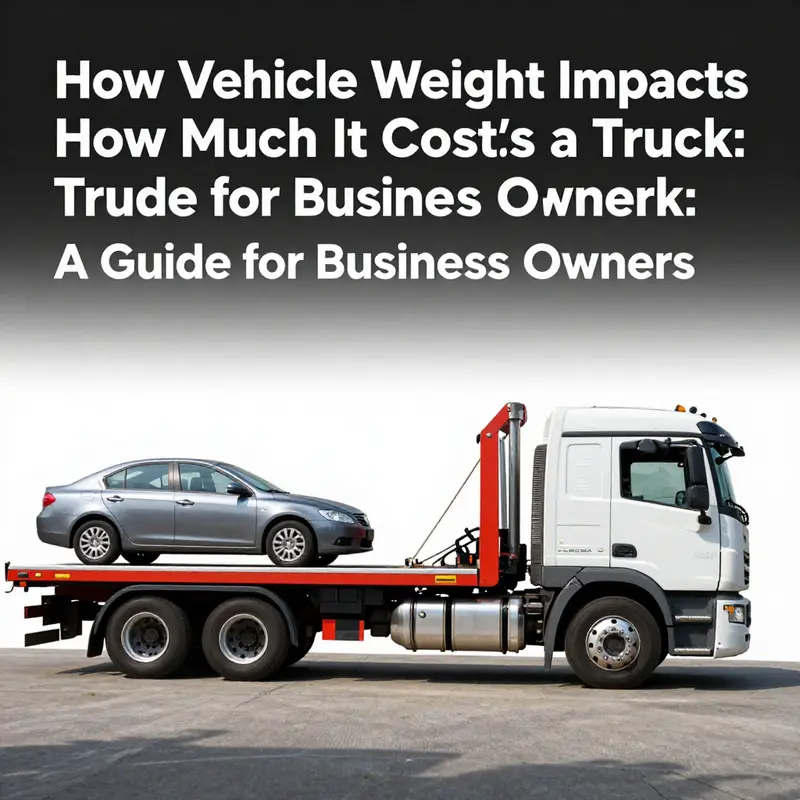
Weight is the quiet multiplier in the math of towing. It isn’t just a number on a spec sheet; it translates into equipment needs, safety protocols, and the time a tow crew must commit to a job. The heavier the vehicle, the more power you need from the tow truck, the more fuel that power will burn, and the more careful the crew must be to keep the recovery secure. Heavier loads demand bigger frames, stronger winches, higher-capacity hydraulics, and often more specialized gear to prevent damage during lift, transport, and the inevitable maneuvering through tight streets or uneven surfaces. In practical terms, weight drives the cost by pushing operations into a different tier of service, one that requires more planning, more personnel, and more sophisticated risk management.
Within the common pricing framework, tow prices usually hinge on a base fee plus a per-mile charge, or sometimes a flat rate for short distances. Weight tilts this balance. Light cars can be moved swiftly with equipment that is readily available across many service fleets, often keeping the overall bill modest for a short tow. As the vehicle mass climbs—tow trucks configured to handle heavier payloads, longer hooks, more secure rigging, and the potential need for multiple crew members—the initial hook-up time lengthens and the transport setup becomes more complex. The result is a higher base cost and, frequently, a higher per-mile rate as crews tackle the additional fuel burn and the extended time on the job. In real-world terms, a short 5-mile tow for a small car might hover around a modest figure, while moving a significantly heavier truck over dozens of miles can push the final price well into the hundreds, or even higher, depending on the route, the time of day, and the local market.
The scale of equipment matters as well. Heavy-duty wrecker capabilities can span a broad range, with some units designed to handle deeply overweight or oversized loads. The need for a recovery unit with ample engine power, reinforced chassis, and the right suspension support translates directly into higher operating costs. It is not just about lifting a heavier vehicle; it is about maintaining control through every phase of the tow, from lift to securement to highway travel. This is why weight-based pricing models are common. They acknowledge that two identical tows performed in different weight classes are not equal in time, risk, or resource consumption. A mid-sized truck may require a 15-ton-class recovery asset, while a truly heavy vehicle could necessitate a unit capable of much more than that, along with additional crew and longer setup times.
The relationship between weight and cost also interacts with risk management. Heavier vehicles carry more inertia, which increases the risk of surprise movements during sudden braking, turns, or rough road segments. Tow operators counter this with stronger safety systems, better tie-downs, and, when necessary, escort or route adjustments to avoid hazardous corridors. All of these measures add to the price, but they are essential for ensuring the load reaches its destination without damage to the vehicle or to others on the road. In some cases, the weight category also triggers permit requirements or specialized routing, adding yet another layer of potential fees.
From a pricing perspective, the weight effect commonly appears in tiered rates. A light vehicle may incur a base fee plus a low per-mile charge, while a vehicle in the mid-to-heavy range will be charged at a higher per-mile rate and possibly a higher base fee to reflect the longer hook-up and the more involved recovery process. When the weight crosses into the realm of very large or oversized vehicles, additional charges—such as permit fees or escort vehicles—may apply. These extras recognize the legal and logistical complexities of moving heavier, wider, or longer loads through certain jurisdictions.
For anyone facing a tow, the most practical steps start with transparency. Request a written estimate that specifies the base fee, the per-mile rate, and all potential add-ons—long-distance hauls, emergency service, waiting time, or specialized equipment. Knowing the weight category of your vehicle helps you gauge where you might land in the pricing spectrum and prepares you for conversations with the dispatcher about routing and timing. If you’re located in a particular area, you can explore local options to get a feel for the competitive landscape and common weight-related pricing, for instance by checking out a nearby local service like towing service in Washington DC. This can provide insight into how carriers in your region structure weight-based charges and what to expect when the clock starts after a breakdown or accident.
Understanding weight also invites a broader point about planning. If you know your vehicle’s mass will require a heavy-duty unit, consider factors beyond the immediate haul: the likelihood of a longer route, the potential need for an alternate pickup point, or the possibility of time-of-day premiums. The cost landscape changes with the hour, and the same weight category can be priced differently depending on urban density, traffic patterns, and the availability of higher-capacity equipment in the area. The bottom line is straightforward: weight amplifies complexity, and complexity translates into cost. By recognizing this link and preparing a detailed quote upfront, you can avoid surprises and ensure that the tow is carried out safely, efficiently, and with the least disruption possible to your plans.
External resource: https://www.fhwa.dot.gov
null
null
Final thoughts
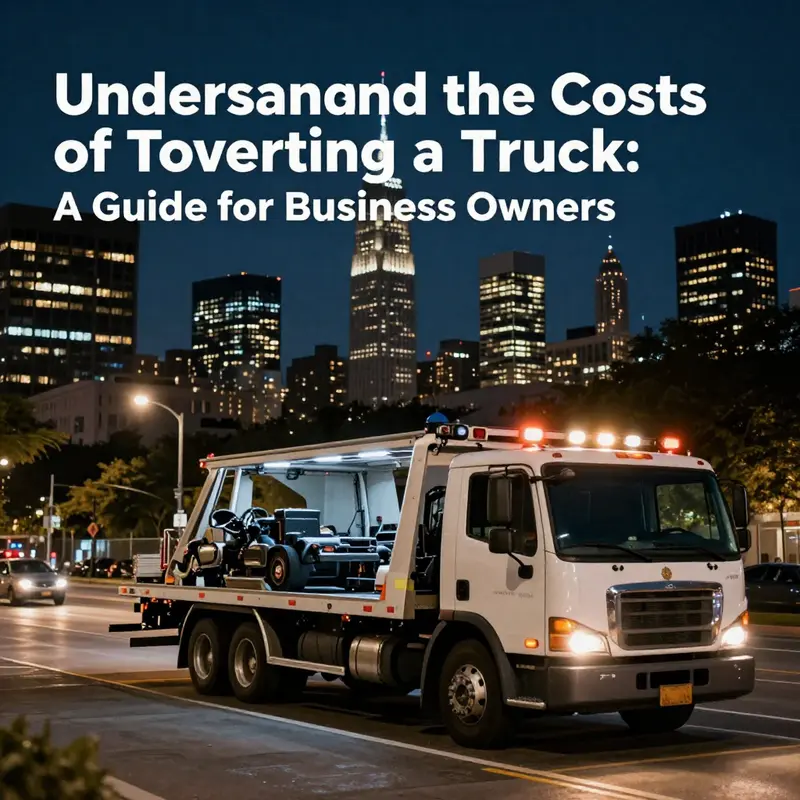
In summary, understanding how much it costs to tow a truck involves careful consideration of several key factors, including distance, vehicle weight, and the specific location and timing of the tow. Each aspect contributes significantly to the overall cost and can vary widely based on individual circumstances. By continuing to educate yourself and exploring the pricing structures of towing services, you can better anticipate expenses and make informed decisions that positively impact your business’s bottom line. Being prepared means having a clear plan for roadside emergencies to minimize disruption and costs.