
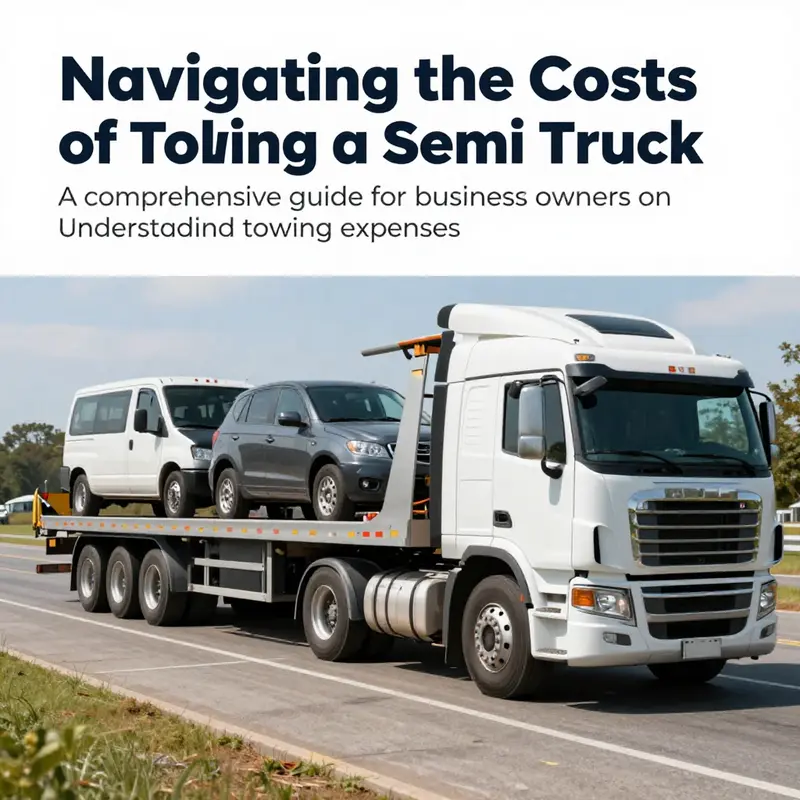
Towing a semi truck is not only a logistical hurdle but also a significant financial consideration for business owners. Various factors contribute to the overall towing cost, potentially impacting your operational budget. Understanding how these costs are structured can help you make informed decisions when faced with needing towing services. By exploring vital aspects like distance, vehicle type, and the nature of the service, you’ll gain insights that position your business for effective management of unexpected towing scenarios. This article will dive deep into the detailed costs involved and the factors influencing pricing, ensuring you’re well-prepared for any roadside emergencies.
Tow Costs in the Heavy Lane: Demystifying the Real Price of a Heavy-Duty Tow
When a heavy-duty truck breaks down on the highway, the final tow bill isn’t a single line item; it’s a composite of distance, weight, equipment, and on-scene labor that together determine the total. Understanding the pieces helps fleets prepare for the moment of need and avoid sticker shock when the invoice lands. Costs vary widely depending on location, how far the tow must travel, the truck’s weight and configuration, and the specific recovery steps required to complete the job safely and legally.
Distance traveled stands out as the largest driver of cost. Short tows within a metropolitan area may cluster around a base rate, while longer relocations can push the bill into the hundreds or thousands. Rural or remote locations often involve longer drives between service calls, higher travel costs, and fewer nearby providers, all of which raise the bottom line. Urban settings add different pressures: higher labor rates, congestion-related delays, and the need to manage traffic, permits, and stand-by time.
Weight and size of the vehicle are the next major factors. A tractor-trailer requires specialized towing equipment, stronger lifting gear, and a larger crew. Heavier loads demand longer booms, more robust stabilization, and sometimes multi-stage recoveries. The operation must balance safety, regulatory compliance, and speed, which can push up labor costs and equipment wear.
On-scene time and location further shape the total. After-hours calls, weekends, and holidays frequently carry surcharges to reflect the urgency and disruption to normal operations. Urban locations may introduce stand-by fees and traffic-management needs; rural calls can involve longer dispatch and travel times. Each element adds a layer to the final invoice, creating a cost mosaic rather than a single line item.
Beyond the mechanics of the move, the specific services required influence the price. If the truck only needs to be moved onto a carrier and secured, the charge will reflect basic crew hours and standard rigging. If recovery is necessary—winching from a ditch, stabilizing a rollover, or a collision with hazardous materials—the operation becomes more intricate and costly. These scenarios add additional personnel, risk assessment, and specialized containment or environmental steps. A seasoned tow operator should provide a written estimate that clearly breaks out base rate, mileage, time-based charges, and surcharges.
Market dynamics also shape pricing. Capacity, competition, and relationships with preferred providers can influence terms, with negotiated base fees or bundled mileage that smooth price variability for fleets with ongoing needs. The core principle remains: price reflects capability, risk, and the value of getting a vehicle back into service quickly and safely.
Practical note: Before any lift begins, request a written estimate itemizing base rate, mileage, time, and surcharges. Clarify what qualifies as long-distance transport, emergency response, or on-scene interventions, and ask about possible fees for winching, recovery from a ditch, or hazardous materials handling. A transparent quote reduces the risk of disputes after the tow is complete.
In summary, towing a heavy-duty vehicle is a composite cost driven by distance, weight, equipment, labor, and the safety measures required for a solid recovery. Planning ahead, securing estimates, and choosing providers with proven performance can yield steadier pricing and smoother operations when every minute counts.
Tow Pricing in the Heavy Lane: Decoding the Factors Behind a Semi’s Tow Cost
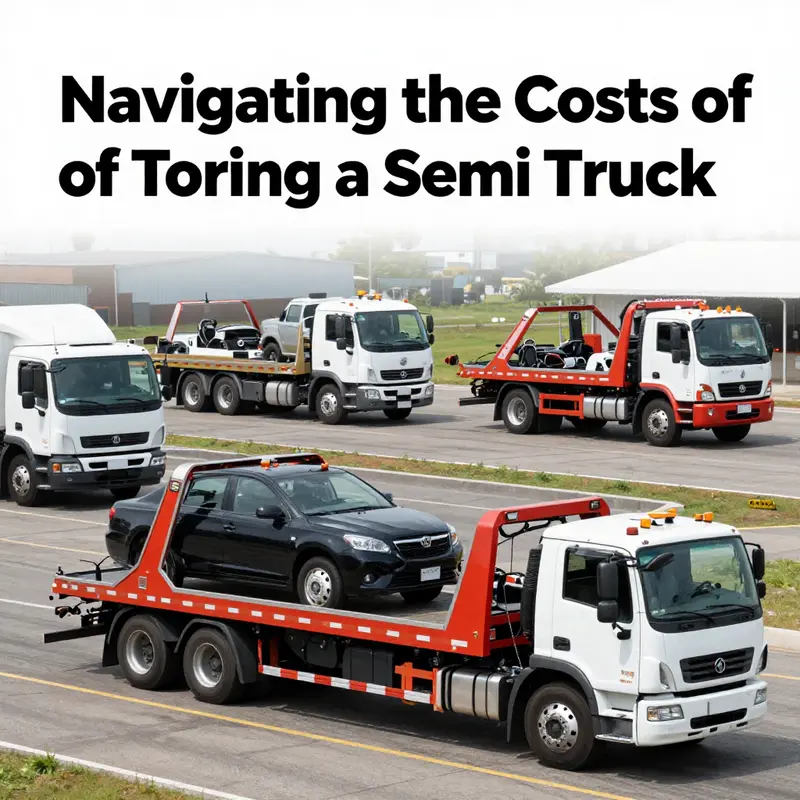
Pricing a tow for a semi truck is rarely a single number. It unfolds as a negotiation among distance, weight, urgency, and location. Each job carries a fingerprint, and the final bill reflects a balance of factors rather than a single figure.
Distance is the backbone of the math. Tow pricing typically uses a base fee plus a per-mile charge, or a flat rate for short moves. A 5- to 10-mile tow might cost a couple hundred dollars, while a 50-mile or longer move can exceed $500 and often reach or exceed $1,000 depending on terrain and conditions.
Weight and vehicle configuration matter. Heavier tractors require larger lifts, stronger stabilization, and more crew time, which drives up the price. Complex recoveries or precarious positions can add on-site hours and specialized equipment.
Urgency matters too. 24/7 dispatch and rapid response carry premiums, especially if time-sensitive delivery of the vehicle is needed or weather and traffic create added risk.
Location shapes the quote. Urban centers with higher operating costs can push prices up, while rural areas may add travel time but reduce on-site labor variability.
Service scope and contingencies form the fifth pillar. Add-ons like winching, environmental handling, or hazmat considerations increase the cost. Waiting time on-site and regulatory requirements may also influence the final figure.
A written estimate helps manage expectations: it should itemize base charges, per-mile charges, time-of-day surcharges, and potential add-ons. Reading the quote in the context of industry standards provides a framework for fair pricing and safer, faster service.
So, the price tag for moving a semi is a composite of distance, weight, urgency, location, and scope of service—not a single line item, but a careful balance of costs, risk, and reliability.
Final thoughts
Towing a semi truck presents unique challenges and considerations that are critical for any business owner to understand. By analyzing the costs involved and recognizing the factors that impact these prices, you can better prepare for unforeseen roadside incidents. From distance and vehicle specifications to timing and location, these elements collectively shape the financial landscape of towing services. Always seek detailed estimates and prepare for various contingencies, ensuring that your operations remain uninterrupted. Staying informed empowers business owners to navigate towing scenarios effectively and guard their bottom line.