
Navigating the world of tow trucks can be challenging, especially when you’re trying to balance cost and utility for your business needs. Understanding how much a tow truck costs is vital for business owners who rely on towing services or are considering investing in their own. This guide explores the varying costs associated with different types of tow trucks, the factors influencing these prices, and a comparative analysis of the options available on the market today. Each chapter will arm you with the knowledge necessary to make an investment decision that aligns with your operational goals.
Tow Truck Costs Revealed: How Type, Duty, and Distance Set the Price
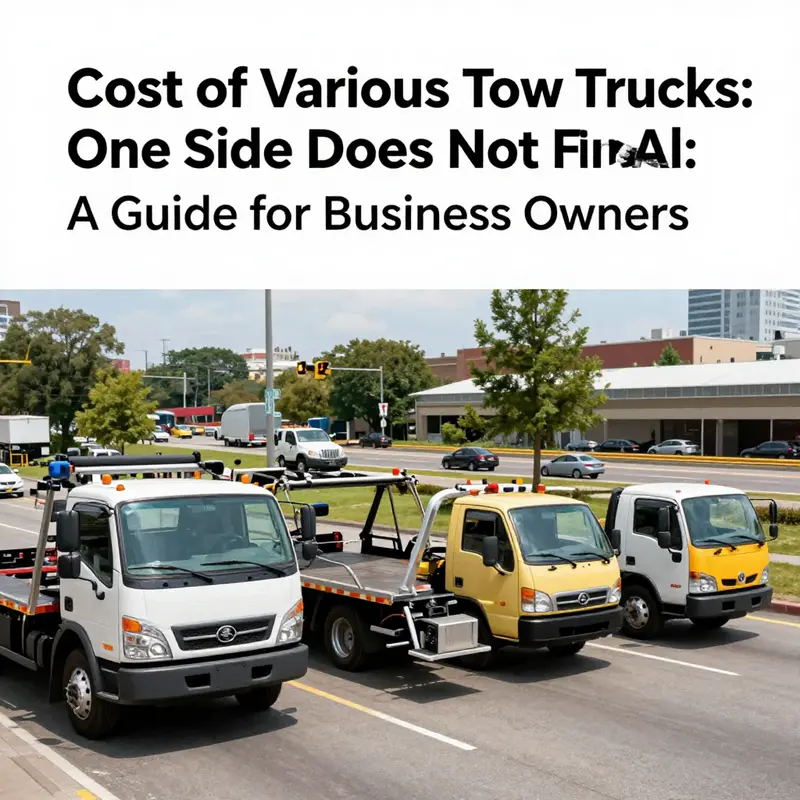
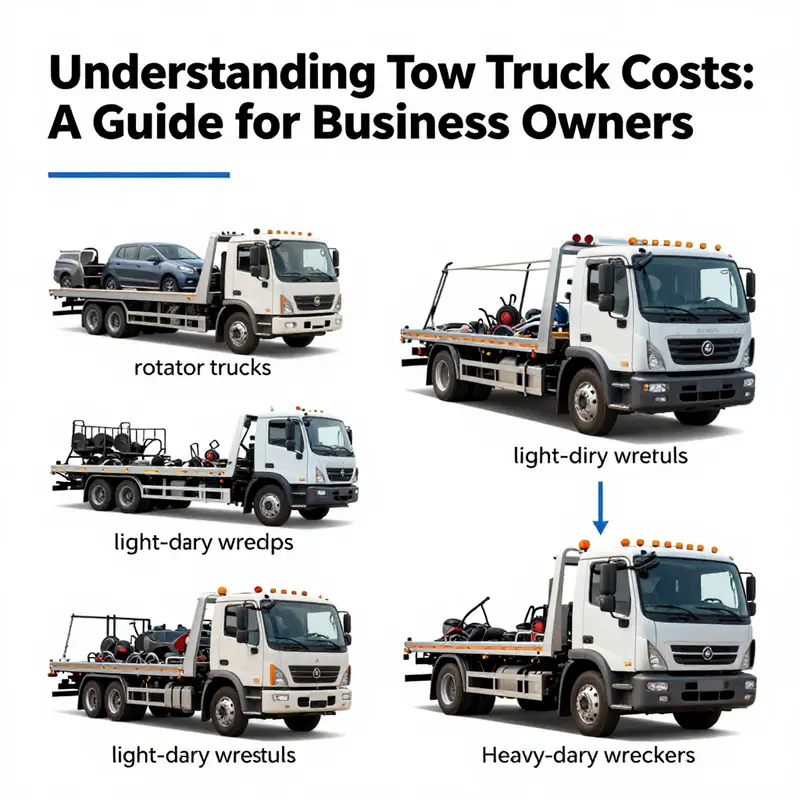
Pricing a tow truck is not a single number but a spectrum shaped by purpose, power, and the path a job must take. When a shop or fleet owner pins down the cost of acquiring or operating a tow truck, the first distinction is the machine’s type and capability. Rotator tow trucks, the most advanced and specialized on the market, carry a heavy upfront price tag because they are built to lift, tilt, and reposition vehicles from virtually any angle. Their price range typically runs from about $150,000 to well over $300,000, reflecting the rotating boom, extended reach, and the added complexity of maintenance and training required to operate them safely. For operators facing highway emergencies, overturned loads, or difficult off-road recoveries, that higher initial investment can translate into faster response times and the ability to handle a wider array of incidents. In contrast, flatbed tow trucks emphasize secure transport and versatility. They employ a hydraulically tilting bed that keeps the towed vehicle’s tires and undercarriage out of contact, minimizing damage risk and simplifying loading. Flatbeds usually fall in a more approachable price corridor, roughly $75,000 to $150,000 depending on specifications and features. They are often favored by shops dealing with modern cars, AWD vehicles, or low-clearance models where ground contact is a concern and maintenance tends toward predictable, long-term reliability. Then there are the lighter options that enter the market as entry-level or local-service choices. Light-duty wrecker trucks, designed for roadside assistance or short-distance towing, provide essential capability at a far lower price point. A representative example from the market shows prices around $15,990 for a four-ton capacity flatbed wrecker, illustrating how smaller operators or startup fleets can secure capable equipment without the heavy upfront burden. These machines are ideal for urban areas, one- or two-vehicle tow jobs, and daily service routes where volume is steady but payload remains within the lighter end of the spectrum. On the heavy end of the scale, heavy-duty wrecker trucks are built for large vehicles, mining operations, and industrial tasks. These rigs push into the higher end of the spectrum as well, with configurations that can reach tens of tons of towing capacity. A typical heavy-duty option may not publish a fixed price in public listings, but buyers can expect a range that commonly spans from six figures up to the lower multiple of six figures depending on configuration and added equipment. The decision to invest in a heavy-duty wrecker depends not only on the weight of tows but also on the kinds of loads the fleet expects to encounter, the terrain, and the service area. In practice, the choice among rotators, flatbeds, and wreckers is driven by the mix of daily tasks, risk profile, and the tacit costs of downtime if a vehicle cannot be recovered efficiently. It is here that the economics of a fleet must align with the intended use; a rotator, while costly, might pay off in a market with frequent overturned vehicles or high-velocity incident response, whereas a flatbed serves a broader range of cars with a lower maintenance overhead and increased payload safety. In tight urban markets, where space, accessibility, and pavement damage become critical considerations, a flatbed’s versatility can be a decisive factor; in contrast, a rotator’s specialized capability may be the only tool that can resolve certain emergency recoveries without delay. When contemplating the price of tow services themselves, buyers and fleet operators confront a layered pricing structure that extends beyond the purchase price of equipment. Detailed pricing results show that towing costs hinge on the vehicle’s size and weight, distance traveled, and local conditions, among other factors. Vehicle type matters; small vehicles—such as seven-seat cars or small vans—typically incur base towing fees in the $280 to $400 range for the first 10 kilometers (about 6 miles) on highways. Medium-sized vehicles, including eight- to nineteen-seat buses or two- to five-ton trucks, generally command a higher base fee, around $380 to $450 for the same initial distance. Large vehicles, by contrast, command higher base charges as weight and complexity rise, with price escalation tied to weight, required equipment, and labor. The exact numbers for the largest categories vary by market, but the trend is clear: bigger, heavier, or more complex payloads drive up the base rate at the outset. Beyond the base rate, mileage charges accumulate with distance. For example, a typical five-mile tow might start at a modest premium, such as about $75 for a short local hop, while longer journeys—like a 50-mile tow—can push the bill well beyond $300, depending on the region and the time of day. The time of day and location matter too. Emergency or off-hours towing—nighttime, weekends, holidays—often carries premium charges to reflect the convenience and urgency demanded by customers in distress. Vehicle type and weight further affect costs because heavier or more uniquely configured vehicles require special rigging, longer hooks, or additional crew, which adds both time and labor costs to the job. In short, there is no universal price tag for towing or for the trucks that perform the work. The market rewards flexibility and preparedness. Fleet managers weigh the thrill of having a rotator for extreme recoveries against the steady value of a flatbed for everyday transport, and they calibrate staffing, insurance, and maintenance to the expected mixture of calls in their service area. For those seeking real-time, up-to-date pricing and equipment options, a practical route is to consult supplier listings and manufacturer sites that reflect current market conditions. In evaluating options, one can also look to regional and local service pages that tailor pricing to their community needs; for instance, local markets in dense urban centers often experience different cost landscapes compared with rural routes, where travel time and road conditions influence both price and turnaround. For local readers exploring nearby services, a practical starting point is to examine regional pages that discuss towing capabilities and rates in their area, such as Washington DC towing resources. washington-dc-towing. As always, for broad listings and specs, commercial buyers should consult established trade sources and manufacturer listings. External resources can provide deeper context on equipment offerings and regional price variations, such as Made-in-China.com, which aggregates supplier data and product specifications to help buyers compare options across markets. External resource: Made-in-China.com.
Factors Impacting How Much a Tow Truck Costs
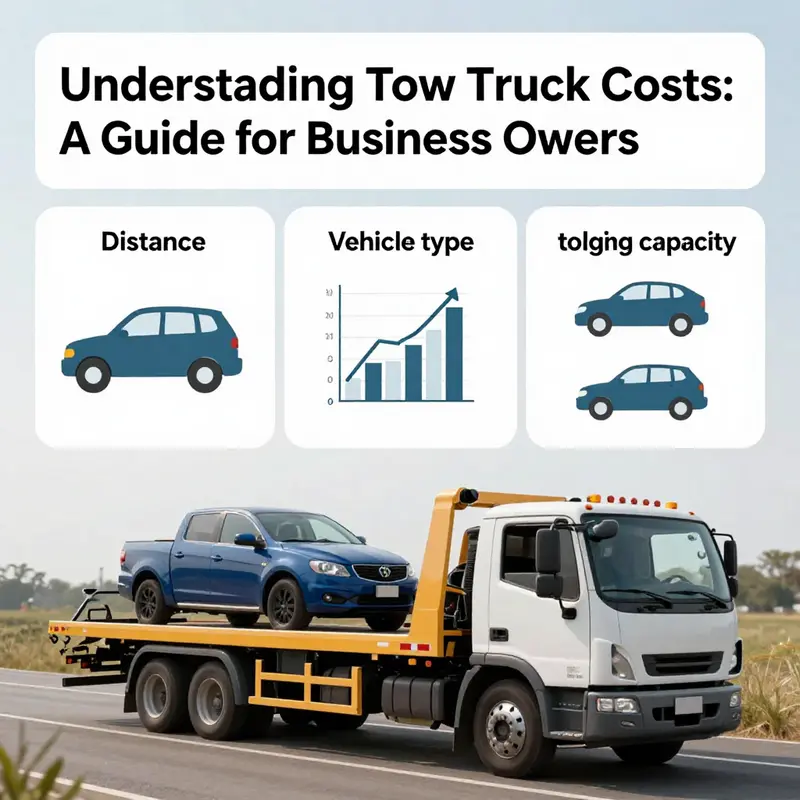
The price of a tow truck is never a single number drawn from a single source of truth. It is the sum of many decisions, specifications, and practical constraints that unfold long before a vehicle is loaded, strapped, or winched back onto a carrier. For anyone weighing an investment in a tow fleet, the question isn’t simply what a unit costs at purchase. It is what the unit will cost to own, operate, and stay compliant with local rules over its working life. As a result, the leading drivers of cost cluster around the type and size of the truck, the capacity it must deliver, the gear that accompanies it, and the broader environment in which it will operate. In more concrete terms, the most obvious distinction is between light-duty, medium-duty, and heavy-duty configurations. Light-duty wrecker trucks are designed for cars and small vans, where the mechanical load is modest and the operational footprint can be smaller. Heavy-duty wreckers are built for large commercial vehicles, buses, or even trucks used in mining and construction settings. The price gap between these categories often reflects the scale of the lifting, the strength of the frame, and the sophistication of stabilization systems. A light-duty model can be purchased or refurbished at a far lower entry point than a heavy-duty rig, but it carries limits that will reappear as you scale up to higher-volume work. The contrast between these classes shapes the financial planning of a shop, a fleet, or a single-operator business. There is no substitute for defining the actual jobs expected of the truck and then working backward to the required specifications in order to avoid overpaying for capabilities that will go unused. A deliberate, needs-driven approach helps prevent the common pitfall of chasing the latest features when the work is still primarily tire-change, jump-start, or roadside assist.\n\nBeyond the basic categories, towing capacity itself becomes a central driver of cost. The required lifting capability dictates the configuration of the boom, the length of the stabilizers, and the strength of the hydraulics. A unit tasked with moving only passenger cars and light trailers will not require the same thick-walled frame or the same hydraulic reach as a machine designed to lift heavy commercial vehicles, highway wrecks, or overturned trailers. This is where the investor begins to see price bands emerge. The higher the capacity and the more specialized the design, the steeper the upfront price and the greater the potential for ongoing maintenance needs. Equipment and accessories form a second, equally potent lever. Even within a given class, the choice of winches, wheel lifts, axle pads, towing dollies, and safety systems can add thousands to tens of thousands of dollars to the sticker price. Each option delivers tangible value–safer handling, reduced risk of tire or undercarriage damage, faster loading, and improved on-scene efficiency–but the cost-to-benefit ratio shifts with the types of calls a shop expects to handle. It is not unusual for a fleet to balance a robust base purchase with selectively chosen upgrades that align with the most frequent tasks. The result is a tailored machine that does not overbuild for the job at hand, yet remains capable of expanding as demand grows.\n\nBrand and model line matters as a separate cost component. The market tends to price premium for established manufacturers that bring long-standing reliability, parts availability, and dealer support. A well-supported, newer model in a recognized brand family may carry a higher initial price, but it can translate into lower long-run maintenance costs and easier resale when the time comes to refresh equipment. Conversely, a no-frills or less widely supported option might deliver a lower upfront figure but funnel more money into downtime, repairs, and missing spare parts. Age and condition complete the trio of purchase-price considerations. A new unit carries the certainty of warranty coverage and the latest safety standards, yet it commands a higher price. A used unit, properly inspected and repurposed, can offer substantial savings, but owners must weigh the potential for accelerated depreciation, potential hidden wear, and the likelihood of more frequent maintenance as the vehicle accumulates miles. The decision between new and used is fundamentally a risk versus reward calculation about reliability, uptime, and the value of peace of mind.\n\nAnother layer comes from the regulatory and market context. Local regulations can shape the design and equipment demands of tow trucks, from lighting and signaling to safety and environmental requirements. Regions with stricter on-road standards or more demanding insurance regimes may push costs upward in the form of compliance, better tires, enhanced reflectivity, and upgraded safety packages. At the same time, market demand affects pricing pressure. In a city with a high towing volume or a shortage of service providers, you may see higher service rates on longer tows or after-hours calls. In quieter markets, the same tasks may cost less on the clock but require a longer horizon of engagement to achieve a sustainable return on investment. For the buyer, this means that the same configuration can carry different price tags depending on where the truck will operate and how often it will be deployed.\n\nOperational costs – maintenance, insurance, fuel, and ongoing repairs – are the other side of the coin. A heavy-duty wrecker with a high-capacity boom and numerous ancillary systems will demand more frequent maintenance, higher insurance premiums, and greater fuel consumption than a lighter unit. The total cost of ownership thus becomes a balancing act: upfront purchase price versus lifetime operating costs and the expected work mix over the vehicle’s working life. Prospective buyers often perform a simple, practical exercise: outline the typical job mix, estimate annual mileage, and map out the maintenance schedule against a projected depreciation curve. This helps separate the noise of sticker price from the disciplined calculus of return on investment.\n\nFor readers exploring their options, a local frame of reference can be especially revealing. In our region, the price spectrum mirrors the global patterns described above. A basic, entry-level configuration – one designed for ambulatory roadside tasks and light duty – will sit well below the heavy-duty options and rotators, which command much higher prices due to their specialized capabilities. In practice, most buyers discover that the best value rests not in chasing the most powerful machine but in aligning equipment with the actual job flow. A careful assessment of the anticipated workload, the typical vehicle mix, and the geographic spillover of calls helps ensure the chosen truck matches needs without padding cost with unneeded capabilities. And as a practical note, local suppliers and dealers often offer tailored packages featuring warranty terms, service plans, and financing options that can further influence the total cost of ownership. For readers who want a sense of the local nuance in pricing, see our Washington DC tow truck page for context on regional expectations and service models. washington-dc-tow-truck\n\nIn sum, while the sticker price marks the entry point, the true cost of owning and operating a tow truck hinges on how well the combined package – capacity, gear, brand strength, age, regulatory alignment, and ongoing costs – fits the job. Thoughtful specifications paired with disciplined maintenance and realistic utilization plans will yield a fleet that remains both affordable and effective across years of demanding use. For those seeking a deeper, data-backed framework on initial purchase prices, ongoing expenses, and essential equipment, a comprehensive resource offers a structured overview and practical guidance. External resource: https://www.towtruck.com/ownership-costs-guide
null
null
Final thoughts
Understanding the cost of tow trucks is not merely about the price tag but encompasses various factors that influence your investment. As explored in our chapters, different types of tow trucks serve distinct purposes and come with varying pricing depending on their specifications and usage capabilities. Business owners should assess their needs, evaluate the costs, and consider long-term benefits before making a decision. Armed with this knowledge, you’ll be in a strong position to select the right tow truck that aligns with your company’s goals and operations.