
Navigating the financial landscape of the towing industry is crucial for business owners, especially when it comes to understanding the compensation of tow truck drivers. This knowledge not only aids in budgeting but also in attracting and retaining quality staff. As salaries can vary significantly based on geography and job specialization, exploring these differences is essential. The following chapters delve into the regional salary disparities for tow truck drivers in both Canada and the United States, and discuss the various factors that impact driver compensation, including job type and experience levels. This comprehensive view aims to equip business owners with the insights needed to foster a successful towing operation.
Wages Across the Maple Landscape: A Coastal-to-Coastal Look at Tow Truck Driver Pay in Canada
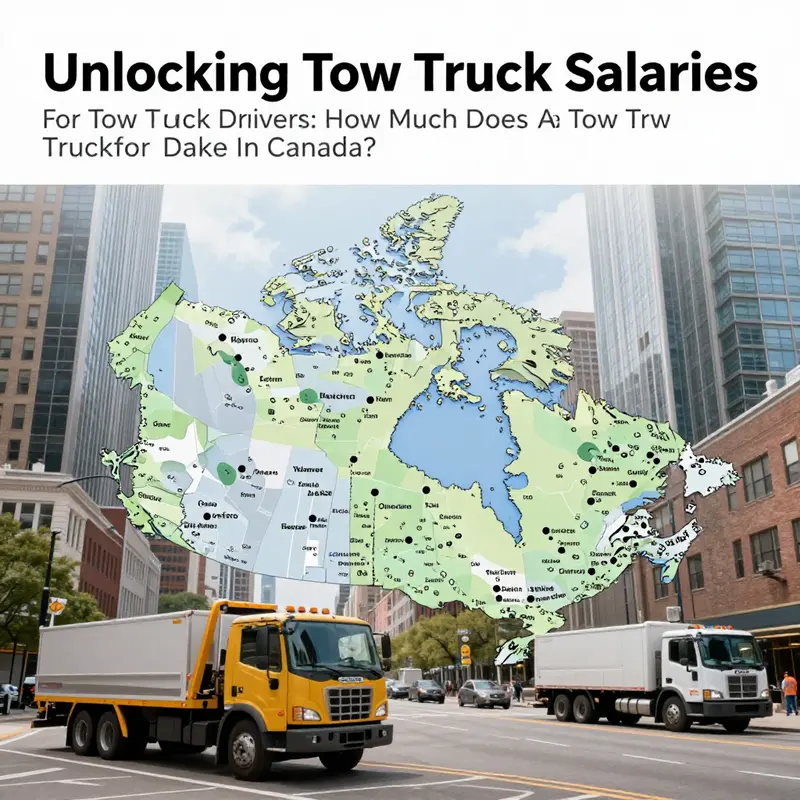
Tow truck driving sits at the intersection of mobility, safety, and service. In Canada, this role is essential for clearing jams after accidents, assisting stranded motorists in the dead of winter, and supporting fleets that keep commerce moving. Yet the money that comes with the job is not the same from coast to coast. The most recent data place the national average at about $17.75 per hour as of December 2025, drawn from hundreds of reported salaries. That figure provides a baseline, but it masks a spectrum of realities that shift with province, city, and the specific work a driver takes on.
In British Columbia, average pay edges slightly above the national figure, around $17.85 per hour. This premium reflects a mix of urban centers, rising living costs, and demand in dense metropolitan corridors. In Richmond, a city known for its busy roads and proximal markets, reported rates push higher still—around $24.06 per hour—demonstrating how proximity to major urban activity can widen the gap between the regional norm and the pay drivers actually see on the ground.
Alberta paints a contrasting picture. The provincial average sits at roughly $16.01 per hour, about 10% below the national average. That may sound discouraging, but Alberta’s compensation landscape is far from uniform. In oil-adjacent hubs like Fort McMurray and Calgary, the market rewards specialized work and on-call readiness with higher rates. Some postings in these pockets have shown earnings climbing toward the mid to high $20s per hour, and in select cases exceptional roles can reach around $45 per hour. Those earnings signals are not the steady drumbeat everywhere, but they illustrate that high-demand markets can offer meaningful upside for drivers who bring specialized skills and flexibility.
Ontario also presents a split picture. Thunder Bay reports around $26.53 per hour, a level well above the national baseline, driven by geographic remoteness and local demand. Ottawa sits near $25.19 per hour, reflecting the capital region’s robust service ecosystem and busy highway networks that generate steady call volumes. Edmonton, in Alberta, anchors another notable Canadian market with about $24.05 per hour, a reminder that city-scale demand and fleet competition can elevate pay even when the provincial average trends lower.
Taken together, these provincial and city-level figures reveal a broader logic: earnings rise where demand meets a relatively tight labor supply, and where the job demands more than basic roadside assistance. The pay premium often tracks the complexity of the work, the severity and frequency of incidents, and the willingness of employers to offer shift differentials or on-call premiums. For example, a driver who handles heavy-duty recoveries or accident scenes, or who participates in more challenging operations such as flatbed towing, tends to command higher rates. Those specialized roles may explain why some postings advertise $36–$45 per hour in particular circumstances, even though the typical pay for routine roadside towing remains closer to the provincial averages.
Another layer shaping compensation is the employment arrangement itself. Larger fleets with formal on-call systems and defined overtime rules can produce steadier, higher aggregate earnings for drivers who sign up for night shifts, weekend work, or long-haul assignments. Smaller operators, by contrast, may offer more flexible schedules and closer-knit teams, but with pay that rises and falls with the number of calls and the driver’s ability to capitalize on busy periods. The practical reality of the job—unpredictable hours, weather extremes, and the physical demands of towing and recovery—often means that the real value of the work comes from the combination of rate per hour and the amount of time spent responding to service calls. In markets with harsh winters and high incident rates, the total compensation picture can tilt toward more consistent on-call income, even if base hourly rates look modest on paper.
The picture for a prospective driver seeking to optimize earnings in Canada blends geography with strategy. If regional demand is strongest in coastal and metropolitan zones, moving toward a city with a robust fleet and a higher volume of incidents can improve chances of premium shifts and faster career progression. Yet the cost of living in those areas must be weighed against the pay. The data suggest the highest earning potential is not merely a function of one or two dollars more per hour; it is about entering a market where the employer values the skill set you bring and where your schedule and specialization align with the busiest hours. Safety training, certification in heavier equipment, and the ability to manage complex recoveries are levers that often translate into higher pay over time.
For readers aiming to gauge real-time opportunities and salary ranges, it helps to cross-check current postings in the local market. Listings will reflect market dynamics as fleets expand, shift patterns change, and new contracts come online. When evaluating a potential role, consider not only the hourly wage but also the stability of shifts, on-call premiums, overtime eligibility, and the potential for growth through specialized assignments or leadership roles within a fleet. These factors collectively determine whether a given posting represents present pay or a step toward higher earnings in the near future. The regional map then becomes a personalized plan: identify markets with strong incident volumes and limited driver saturation, pursue the training that enables you to tackle more demanding recoveries, and align your schedule with the shifts that carry the highest premiums.
For context and further exploration of opportunities, you can explore the ACE Towing Service page as a stepping-stone to understanding how a typical towing operation organizes its staffing and shifts. ace-towing-service. For a broader view of current openings and live salary data, consult Indeed’s Canada listings to see how the market is evolving in real time. Indeed Canada Tow Truck Driver Jobs.
Regional Pay Trails: How Tow Truck Driver Wages Shift Across the United States and What It Means for Your Earning Potential
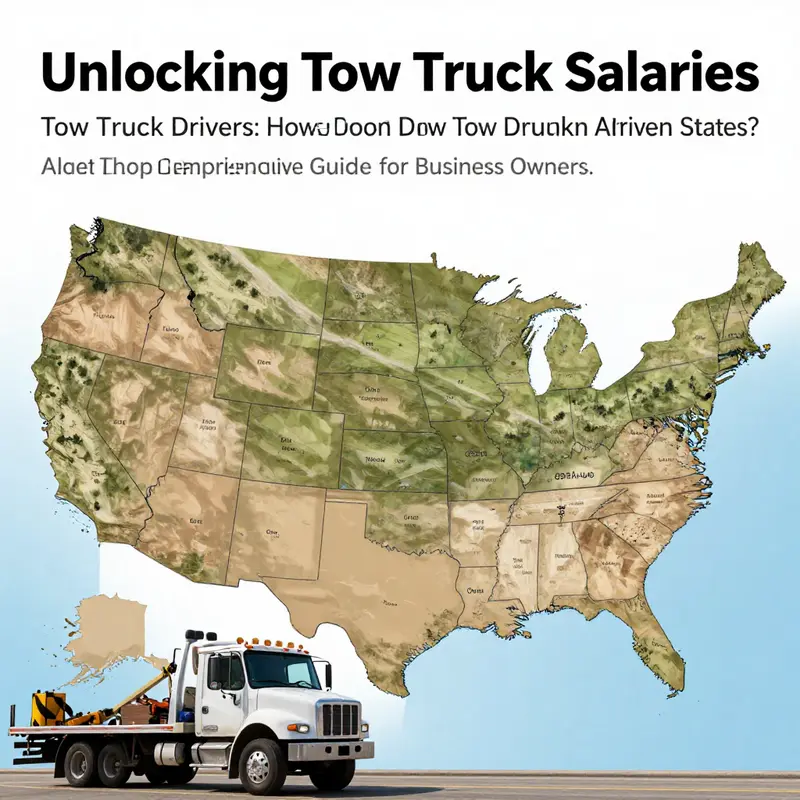
Wages for tow truck drivers in the United States do not follow a single national line. They rise and fall with regional demand, cost of living, urban density, and the mix of services a shop or fleet offers. The picture that emerges from recent data is not one of uniform pay but a map of pockets where the job pays more or less, depending on where you drive, what you move, and who you work for. For someone weighing a career in towing, that regional mosaic matters almost as much as the hours you log behind the wheel.
At the broadest level, surveys and salary aggregators place the U.S. tow truck driver wage somewhere in the mid- to upper-half of the spectrum for skilled, on-call roadside work. Indeed data collected through 2025 show that the national average hourly wage for tow truck drivers can be around the mid-teens, with the December snapshot listing roughly $15.51 per hour. That baseline reflects a field that often blends entry level positions with longer hours and varying shift premiums. Yet the same body of data also points to higher floors and higher ceilings when you zoom in on specific markets or specializations. When you factor in the more typical full-time schedule—about 40 hours a week—the average hovers closer to the low to mid-twenties per hour, equating to around $44,000 a year in many urban or high-demand settings. And in specialized roles, especially those involving heavy-duty towing, semi trucks, or flatbed operations, earnings can climb toward six figures annually in the right mix of hours, equipment, and contracts.
Another way to frame the picture is to note that one employer listing on Indeed once highlighted a rate of about $26 per hour, which sits roughly 31 percent above the national average. This illustrates a larger truth: large fleets, private towing firms, or companies with heavy on-call demand may post higher hourly rates than smaller outfits or regions with softer demand. This is not merely about luck or a lucky contract; it is the consequence of business models, urban infrastructure needs, and the speed at which a shop can respond to a breakdown or accident in a dense metro area.
Region matters in a more concrete way when you compare metropolitan hubs to more rural areas. In the United States, big-city metro areas with congested roads, frequent incidents, and a higher concentration of clinics, hospitals, and commercial services tend to generate more towing work around the clock. That elevated demand can push the effective hourly wage higher, particularly for drivers who work nights or early mornings when on-call demand spikes. Conversely, rural or smaller-market settings may offer steadier but slower-paced workloads and, in some cases, lower starting pay. The balance between urgent, time-sensitive calls and predictable daytime shifts shapes not only the pay but the rhythm of a tow truck driver’s week.
Experience and specialization further peel back layers of this regional story. New entrants often start near the lower end of the spectrum, with annual compensation that lands around the low forty thousands once benefits and overtime are accounted for. As drivers gain time on the road and attributes that matter to employers—truck-specific certifications, proficiency with recovery tools, or knowledge of flatbed operations—hourly rates tend to rise. In high-demand locations or for drivers who handle complex recoveries, pay scales can leap, and some seasoned professionals in specialized fleets may exceed fifty thousand dollars in annual pay even before bonuses or profit-sharing. This is especially true for those who operate heavier equipment or coordinate multi-vehicle recoveries, where the skill set translates into significant value for the company and its customers.
All of this points to a practical takeaway for anyone evaluating a tow truck career in the United States: the pay you can expect is highly contextual. If your goal is to maximize hourly wages, direct your attention to large metropolitan markets, to fleets that handle heavy-duty and long-haul towing, and to shifts that cover weekends and overnight hours when demand tends to spike. If you prioritize stability and a predictable schedule, you might find a comfortable niche in smaller cities or regional hubs where the workload is steady but the premium on on-call time is less intense. Either path requires understanding the local market, the type of towing you want to do, and the employer you choose to join.
To get a concrete sense of the current landscape, it helps to anchor your expectations to real-world figures from regional job data and similar sources. For a view that reflects the diversity of roles—ranging from roadside assistance to heavy-duty recovery—look to a combination of city-specific postings and nationwide aggregators. And if you want to see a practical example of how a single market can shape pay, consider the Washington DC area, where a variety of service providers illustrate the premium attached to dense urban demand. towing-service-washington-dc offers a snapshot of the kind of local demand that can translate into higher hourly rates for qualified drivers.
Ultimately, the regional wage differences for tow truck drivers in the United States reflect more than a single number. They reflect a spectrum shaped by city size, road networks, on-call requirements, and the type of towing work you perform. While the national averages give a baseline, the stories that lie behind the figures reveal a profession where opportunity travels with you—if you know where to look and what to specialize in. For those charting a career path, it is worth plotting the regional map against your own goals for hours, lifestyle, and income, and then choosing a region and type of work that aligns with your ambitions. As with most skilled trades, the pay is real, but it is the combination of expertise, location, and schedule that determines the final number you see on your paycheck. External data and ongoing market reports continue to refine this evolving picture, so staying informed is part of the job itself. For ongoing regional insights, you can consult industry salary resources such as Indeed, which periodically publish updated figures for tow truck driver roles: https://www.indeed.com/salaries/tow-truck-driver-salary
The Pay Puzzle: How Job Type, Experience, and Geography Shape Tow Truck Driver Earnings
Wages for tow truck drivers do not come from a single formula. They are the product of a complex mix of job type, experience, the city or region, and the size or priorities of the employer. This means two drivers with the same title can see very different paychecks, depending on what they actually do, where they work, and how their employer structures compensation. A practical way to understand this is to move from general headlines to the daily realities that drive every paycheck. When people ask how much a tow truck driver makes, they are really asking how far geography, specialization, and career length push earnings up or down over the course of a year, a career, or a season. Across borders, the differences can be striking, yet certain patterns emerge that help illuminate the numbers behind the headlines.
In Canada, the landscape shows substantial regional variation. The national average is a little under eighteen dollars per hour, but the outliers tell a more nuanced story. In British Columbia, the average sits at about $17.85 per hour, which mirrors the national figure, yet pockets of higher pay exist. In Richmond, for example, drivers routinely report around $24 per hour, nearly a 36 percent premium over the national average. That premium isn’t just about living costs; it reflects a sharper demand for towing services in denser urban centers, where delays, incidents, and the need for rapid response create continual work streams that can push wages higher for those on the road more often.
Alberta presents a different paradox. On one hand, the provincial average sits around $16 per hour, which is noticeably below the national figure. On the other hand, certain assignments—particularly in oil-rich areas like Fort McMurray or Calgary—offer rates that can rise dramatically, with some postings reaching up to roughly $45 per hour. Those elevated rates are tied to the specialized demands of heavy equipment and critical, off-peak callouts that require particular training and readiness. The result is a pay map where averages can mislead if you don’t factor in the job type and location. In other urban centers such as Thunder Bay or Ottawa, wages can climb toward the mid to high twenties per hour, with Edmonton hovering in the mid- to upper-twenties depending on the employer and shift structure. The reality is that monthly salary ranges can span from roughly $4,000 to $8,000 in many Canadian markets, which translates to about $18.50 to $36.70 per hour for full-time, consistent work.
Across the border in the United States, the numbers illustrate both stronger average pay and broader dispersion, driven by the size of the market and the diversity of towing roles. A typical American tow truck driver can expect an average hourly wage in the low to mid-twenties, but the Detailed Research results point to an average around $26.11 per hour for the sector as a whole, with a wide annual range that reflects heavy-duty and specialized towing as well as geographic demand. That breadth matters because some drivers focus on commercial or heavy-duty towing, which tends to command premium rates and can push annual earnings much higher than the median. With that specialization, annual salaries can stretch from well under $30,000 for entry-level, casual work to six-figure totals for seasoned drivers with high demand routes, specialized equipment, or leadership roles within a company. The variability is a reminder that the job title alone does not determine outcomes; the actual duties and the scale of operations matter as much as the hours put in.
Internationally, the story broadens further still. In other English-speaking regions, such as Australia, the economics skew toward a different cadence—weekly wages can provide a more stable sense of the paycheck. For instance, in New South Wales, the average weekly wage sits around $1,264, with a range from roughly $692 to $2,100 per week. That spread reflects not only experience and specialized work but also the structure of shifts, on-call requirements, and the intensity of local demand. What these numbers share with North American data is a core truth: geography matters. The local economy, the density of traffic incidents, the presence of oil and gas operations, and the availability of fast-response fleets all shape how much a tow truck driver can earn in a given place.
Beyond geography, the kind of work matters just as much as where you live. Job type ranges from light-duty roadside assists to heavy-duty, long-haul recovery, flatbed operations, and specialized wrecker work. Each category carries its own pay profile. Heavy-duty operations and flatbed assignments typically require more training, longer certs, and sometimes additional licenses, all of which signal higher pay and better benefits from employers who rely on these skills to meet demanding customer needs. In turn, the employer’s size and resources influence compensation as well. Larger outfits, particularly those with expansive fleets or who operate around the clock, often offer benefits, performance incentives, or overtime opportunities that can lift total compensation beyond what smaller shops can provide. In some Canadian shops, the combination of a competitive base wage with incentive structures or performance bonuses helps push monthly earnings beyond the baseline, especially for drivers who handle a steady stream of calls and maintain high response times.
Experience is the quiet multiplier in this equation. A driver who has weathered a few harsh winter nights, logged countless on-call shifts, and navigated a broad mix of incidents builds a reputation that translates into steadier work and, often, higher premiums. The most experienced operators bring not only speed and efficiency but also reliability, which translates into better on-call schedules, higher tip potential, and more opportunities at premium-rate jobs. In practice, this means a new driver might start near the regional average, but with time, the combination of efficiency, safety record, and diversified skill set can move earnings into higher brackets, particularly if they transition into specialized roles, such as heavy-duty towing or operating advanced tow equipment.
For readers seeking a foothold in the field or trying to compare markets, the path is practical. Understand the local demand, the typical shift structure, and the prevalent types of towing operations in a given area. The most reliable way to gauge real-world pay is to review current job listings and wage reports from recognized labor sources, and to talk with drivers in the markets of interest. When evaluating opportunities, consider not just the hourly rate but the overall compensation package, including benefits, overtime availability, on-call differentials, and the stability of the employer’s fleet. And for those curious about how local markets relate to broader nationwide trends, a quick look at a regional service page can offer context about typical on-the-ground conditions, schedules, and expectations. Washington DC, for example, has a local service landscape that can illuminate how urban demand and municipal requirements influence pay. Learn more about local service options through a dedicated Washington DC tow truck service page, which reflects how city-scale operations shape earnings for technicians on the ground. Washington DC towing service.
Ultimately, the pay puzzle for tow truck drivers comes down to aligning your focus with market realities: the right job type, the right level of experience, and the right geographic fit. As labor markets shift, staying informed through reputable wage reports remains essential. For credible, up-to-date guidance on pay ranges across provinces, states, and regions, consult official labor statistics and industry salary reports. A foundational resource is the Government of Canada’s Job Bank, which tracks wage information across occupations and locales and can help set expectations as you explore opportunities and negotiate terms. External resource: https://www.jobbank.gc.ca.
Final thoughts
Understanding the salary landscape for tow truck drivers is pivotal for any business owner in the towing industry. By recognizing the regional differences in pay across Canada and the United States, as well as the factors that influence these salaries, owners can make informed decisions that enhance their business operations. Competitive compensation not only attracts skilled drivers but also fosters employee retention, ultimately leading to a more successful towing service. Thus, staying updated on these trends and making adjustments as necessary is key to maintaining a competitive edge in this niche market.