
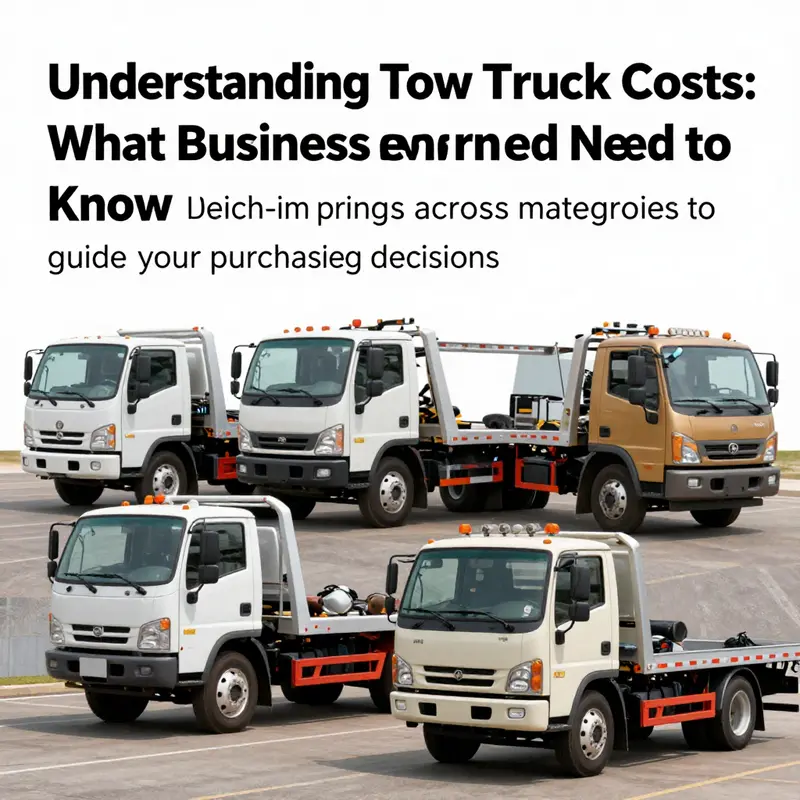
For business owners looking to invest in tow trucks, understanding the cost dynamics is crucial. The price of tow trucks varies significantly based on their size, capacity, and configuration. Whether you need a light-duty truck for roadside assistance, a medium-duty model for professional towing services, or a heavy-duty unit for larger vehicles, this guide will provide you with clear pricing insights to help you make informed decisions. Each chapter below will delve into the specific characteristics and costs associated with different classes of tow trucks, ensuring you grasp the full scope of your options.
Pocket-Power on the Move: Pricing and Specs for Light-Duty Tow Trucks
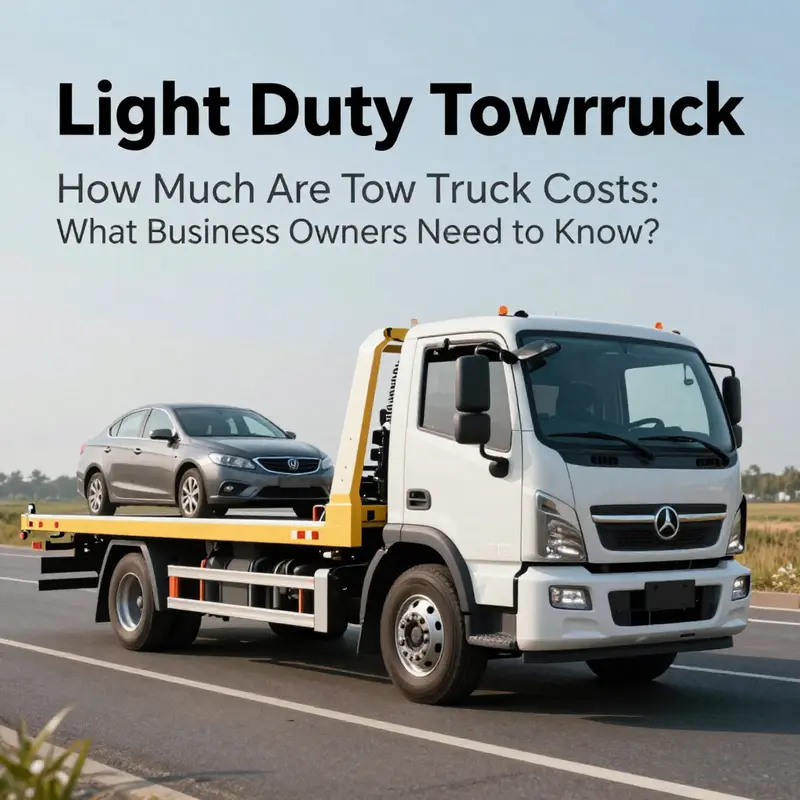
Light-duty tow trucks sit at the practical edge of professional recovery work. They are built to haul motorcycles, compact cars, and small pickups, yet they carry the heavy responsibility of enabling a quick, safe roadside response. These machines generally offer towing capacities from about 3 to 10 tons, a range that suits the majority of everyday incidents without the bulk and expense of heavier wreckers. Because the aim is reliability, maneuverability, and versatility in tight city streets, pricing follows a different curve from the big-class tow rigs. Price points for light-duty units reflect not only the basic chassis and engine but also how the vehicle is configured and equipped to handle common roadside challenges. In many markets, a practical band for new, properly configured light-duty tow trucks falls roughly between twenty-five thousand and sixty thousand dollars. That spread covers a spectrum of configurations—from flatbeds to wheel-lift designs—and different hydraulic setups and add-ons that influence performance, safety, and ease of use. It’s worth noting that lower prices often appear with pared-down configurations or basic new builds, while higher figures accompany advanced hydraulics, larger winches, enhanced control systems, or extended service life. For buyers who consider used units, there can be further savings, but the trade-offs include wear, potential parts scarcity, and the risk of missing out on contemporary safety or efficiency features. In other words, the sticker price is only part of the total cost of ownership. When a unit enters service, diesel consumption, maintenance intervals, and the availability of local service networks all shape ongoing expenses. The differences among light-duty models come down to configuration and quality, not just appearance. A flatbed’s benefits can include damage-free loading and a broader range of recovery tasks, while a wheel-lift design can offer speed and simplicity for certain roadside operations. The hydraulic system’s sophistication, the durability of the winch, and the robustness of the chassis all push price in one direction or another. Higher-price options often incorporate more reliable, sometimes imported, components for critical systems. For example, valves and cylinders sourced from established manufacturers can improve reliability and uptime, but they also contribute to price. The result is a nuanced calculation: a seemingly modest upcharge for a well-made hydraulic assembly can translate into fewer service calls, less downtime, and warmer customer feedback in a time-crunched workday. Quality and reliability matter as much as raw power. After-sales service networks, the ease of sourcing spare parts, and the presence of a clear warranty can tip the scales when choosing between two similarly equipped trucks. Warranties in this category commonly hover around one year, but coverage length and the breadth of inclusions vary by manufacturer and region. In urban areas, the ability to source parts locally and to schedule timely maintenance is often as decisive as the features on the hauler itself. When evaluating options, it helps to think beyond the upfront price and to consider the total cost of ownership over the vehicle’s lifecycle, including maintenance, insurance, licensing, and potential downtime. For readers seeking more context on regional options and dealer networks, a nearby perspective can be found at this local resource: tow-truck-washington-dc. The takeaway is simple: light-duty tow trucks provide a practical entry point into professional recovery work, with pricing shaped by configuration, quality, and where you source service and parts. As fleets grow or cycles of demand shift, the economics of upgrading within the light-duty class become an important bet—balancing initial expenditure against long-term reliability and responsiveness in a crowded service landscape. For reference beyond market notes, manufacturers’ pages and official product catalogs offer deeper technical specifications and build options that reflect the precise configuration choices discussed above. External resource: https://www.foton.com.cn/en/vehicle/tow-truck/
Medium-Duty Tow Trucks: What Pros Really Pay for Reliable Recovery Power
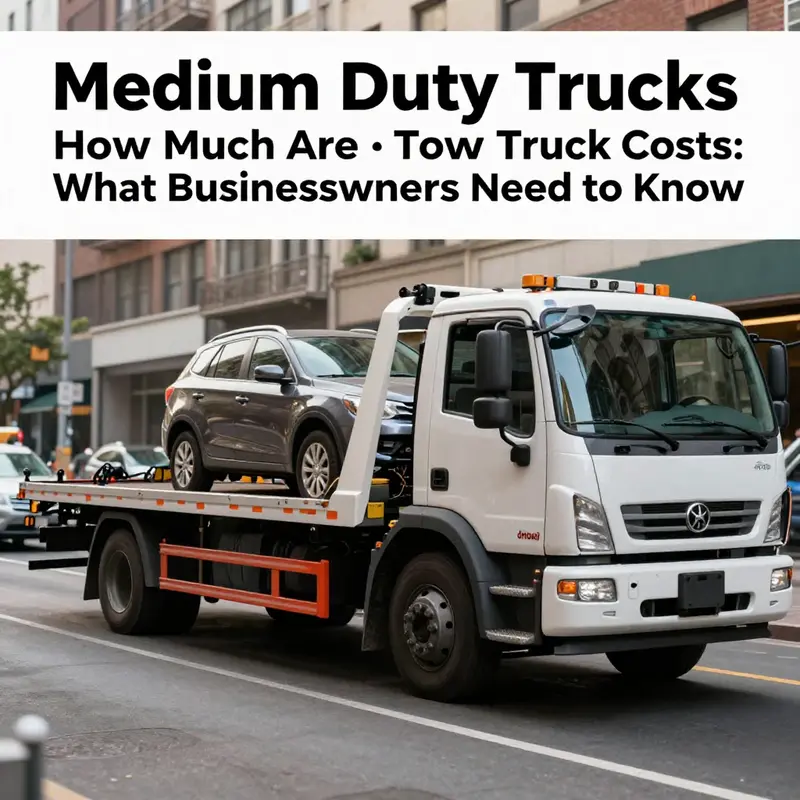
When fleets size up a medium-duty tow truck, they are weighing more than the sticker price. These machines, typically 5 to 8 tons, occupy a practical middle ground between small roadside help and heavier recoveries. They must be nimble enough to operate through crowded urban streets yet rugged enough for daily use, with intuitive controls so crews can work quickly. For professional operators, uptime, parts availability, and service networks often matter as much as the initial cost. The right unit helps a fleet meet demand with minimal downtime, translating into faster response times, improved customer satisfaction, and a healthier bottom line. The decision therefore centers on how the truck’s configuration—whether it relies on a winch, a flatbed, or a rollback body—fits the typical call mix, vehicle types, and terrain the team encounters day after day.
Pricing, of course, mirrors that diversity of use. Market data show a broad spectrum. On the low end, some listings surface basic, entry-level options that can dip into a few thousand dollars, especially for stripped units or models sourced from overseas with limited warranties. Conversely, for professional-ready medium-duty configurations, the numbers push higher, and the value proposition shifts toward reliability and long-term cost control. In widely cited ranges, new medium-duty setups with common recovery packages can span from the low thousands into the mid-teens or low-twenties, depending on whether a winch, a flatbed, or a rollback body is installed and what auxiliary equipment accompanies the rig. More conservative, bulk, or regional pricing cues sometimes place typical professional options in the high teens to the low twenty-thousands per unit, reflecting axle choices, hydraulic systems, safety gear, and the level of OEM compliance or warranty attached to the purchase. It is important to acknowledge that regional economics, shipping, import duties, and local dealer support can push the final price beyond the base figure, shaping both availability and total ownership costs.
Beyond the price tag, choosing a configuration amounts to forecasting how a truck will perform under pressure. A winch-equipped model tends to excel in rapid roadside recoveries and lifting heavier loads, while a flatbed favors careful handling of damaged vehicles and easier loading in tight spaces. Rollbacks can offer a balance but remain less common in some markets. In dense urban regions where response times are critical and streets are narrow, maneuverability and serviceability can outweigh sheer pulling power. For fleets operating in such markets, the broader ecosystem matters, including whether the supplier can deliver properly certified components and whether local regulations require right-hand-drive variants or specific compliance features. To gain regional perspective, consider reviewing local listings such as Washington DC tow-truck options, which illustrate how fleets tailor medium-duty units to a busy, high-demand environment. Washington DC tow-truck listings.
As buyers map price against performance, total cost of ownership becomes a central consideration. Spare parts availability, the density of trained technicians, and the expected service intervals all shape uptime and maintenance expenditures. Medium-duty fleets common to professional work share components with other commercial platforms, which can simplify parts sourcing and workforce training. Nevertheless, when units are imported or sourced from overseas suppliers, buyers should factor freight, duties, and any required compliance upgrades that may be necessary to operate legally and safely in their jurisdiction. That reality underscores the value of a reliable local network for routine maintenance, warranty work, and timely repairs, because a cheaper initial price can quickly give way to higher recurring costs if service is sparse.
For organizations eyeing growth without overextending capital, used or refurbished medium-duty units can offer compelling reliability, provided they come with a documented service history and a clean maintenance record. Financing or leasing options can distribute cost over time, smoothing cash flow in line with call volume and revenue cycles. Regardless of path, a rigorous pre-purchase inspection is essential: verify the integrity of lifting systems, hydraulic lines, chassis condition, electrical controls, and braking performance; request load-testing data where possible; and confirm that the unit complies with local safety standards. In the end, medium-duty tow trucks are not just about purchase price. They are about how well the machine integrates with a fleet’s operations, how quickly it returns to service after each call, and how smoothly it supports the crews who rely on it.
External resource: https://www.alibaba.com/product-detail/Medium-Duty-Tow-Truck-For-Sale-995_1601722478877.html?spm=a2700.123456.0.0.1a7b4c1eQvWYkR
Heavy-Duty Tow Trucks: The True Price of Lifting Giants
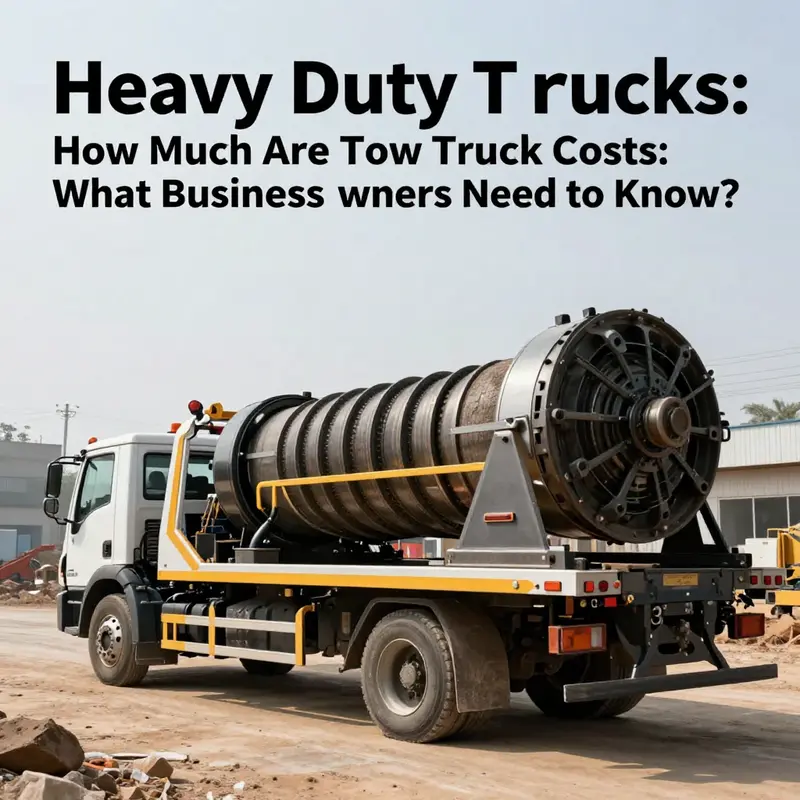
When fleets start sizing up heavy-duty tow trucks, they are weighing more than a price tag. These machines are built to lift, winch, and stabilize some of the heaviest work on the road—semi-trailers, buses, and large construction equipment that demand more than a simple roadside pull. Price often maps directly to capacity, but it is also shaped by engine power, hydraulic systems, chassis integration, and the sophistication of safety and control features. In practical terms, a 30-ton or 50-ton wrecker commands a premium because it is engineered for speed under demanding duty cycles, with reinforced frames, high-capacity booms, and advanced stabilization systems that keep recoveries controlled in high-stakes environments. The result is a spectrum where small but capable light-duty enhancements sit on one end and purpose-built, high-capacity recoveries sit on the other, a spectrum that fleet buyers must navigate before signing a contract that will matter for years of heavy use.
New heavy-duty units tend to anchor the high end of pricing, commonly landing in a broad range from the mid six figures to well over two hundred thousand dollars. The spread reflects how each truck is tailored for a specific mission: the higher the recovery capacity, the more robust the drivetrain, the more integrated the towing and lifting systems, and the more elaborate the electronics that coordinate winches, hydraulics, and safety interlocks. Buyers investing in 30-ton or 50-ton configurations typically justify the cost with the promise of rapid response during highway incidents, reliable long-term uptime, and less downtime spent neck-deep in repairs while on the clock. This premium tier is also where manufacturers emphasize durability, serviceability, and long-term support, which can translate into lower total ownership costs over the vehicle’s life.
For buyers watching the budget, certified pre-owned units offer a compelling middle ground. A well-chosen used heavy-duty tow truck can often deliver 20 to 40 percent savings versus a new unit, while still providing meaningful warranties and a solid service history. The arithmetic is attractive: a fleet can allocate resources to maintenance, training, and parts networks without sacrificing the capacity needed for demanding tasks. The caveat is clear, though: pre-owned units must be thoroughly evaluated for remaining lifecycle, structural integrity, and the availability of replacement parts and service coverage. Without careful due diligence, the cost gap can swing back toward hidden expenses from earlier wear, accelerated component replacement, or uneven performance during peak demand.
Beyond the traditional buy-new-or-buy-used decision, marketplace options and global sourcing add further layers of complexity. In some markets, new units are advertised with price anchors around the six-figure mark, while other regions expose lower-capacity models at substantially reduced ticket prices—yet these may come with longer lead times, greater maintenance needs, or limited after-sales support. It is essential to weigh freight, import duties, local taxes, and the strength of regional service networks against the purchase price. The overarching message is that valuation for large-vehicle recovery is a balance between upfront cost, reliability, and the ability to keep the fleet operating when demand is highest.
In real-world terms, the decision comes down to the mission profile and geographic context. Highway crash scenes, rollovers, and remote recoveries demand chassis rigidity, proven safety gear, and a level of integration that makes the recovery process safer and more predictable. Integrated towing mechanisms, robust booms, and efficient winches are not optional luxuries; they are the core tools that determine how quickly a unit can restore normal traffic flow and minimize risk to operators. The most capable options are characterized by customization options that align with a fleet’s unique needs, paired with a service network that can support preventive maintenance, spare parts stocking, and operator training. Those elements—uptime, safety, and after-sales support—often prove more valuable over the life of the truck than a few percentage points shaved off the initial price.
For fleet planners, a practical approach begins with a clear capacity target and a realistic work plan. If large-vehicle recoveries are a frequent obligation, investing in a higher-capacity unit with strong support makes sense. If heavy-duty tasks are episodic, a certified pre-owned model with a meticulous inspection can bridge the gap between capability and cost. In every case, engaging directly with manufacturers or trusted suppliers to discuss chassis integration, safety systems, and after-sales service helps ensure the final choice withstands the real-world rigors of recovery work. For local context in a city network, consider proximity to service centers and response times; for more on practical service options in a given area, see the local tow-truck service Washington, DC resource. tow-truck service Washington, DC.
External information on market dynamics and pricing in global supply chains can provide broader context for these decisions. For an additional external resource, explore the market-level pricing landscape at https://www.alibaba.com/product-detail/New-Units-Range-from-75000-to-over_1600098479552.html.
Final thoughts
Understanding the varying costs of tow trucks is imperative for business owners seeking to enter the towing industry or expand their fleet. From the affordability of light-duty trucks to the significant investment required for heavy-duty models, recognizing your specific needs will allow you to make well-informed financial decisions. Each category serves a distinct purpose and can ultimately shape the success of your business in the towing landscape. Evaluate your operational demands and budget accordingly to ensure you choose the right tow truck for your needs.