
For business owners in the towing industry, understanding the cost of tow trucks is crucial for budgeting and operational efficiency. Costs can vary based on truck type, size, and specialized features. In this guide, we will delve into the various categories of tow trucks, starting with light-duty options that cater to general transportation needs, moving on to heavy-duty models designed for commercial applications, and concluding with specialized trucks equipped for unique operational demands. Each chapter will provide insights into pricing and factors influencing costs, helping you make well-informed decisions for your business.
The Price of Everyday Rescue: Understanding Light-Duty Tow Trucks and What They Cost
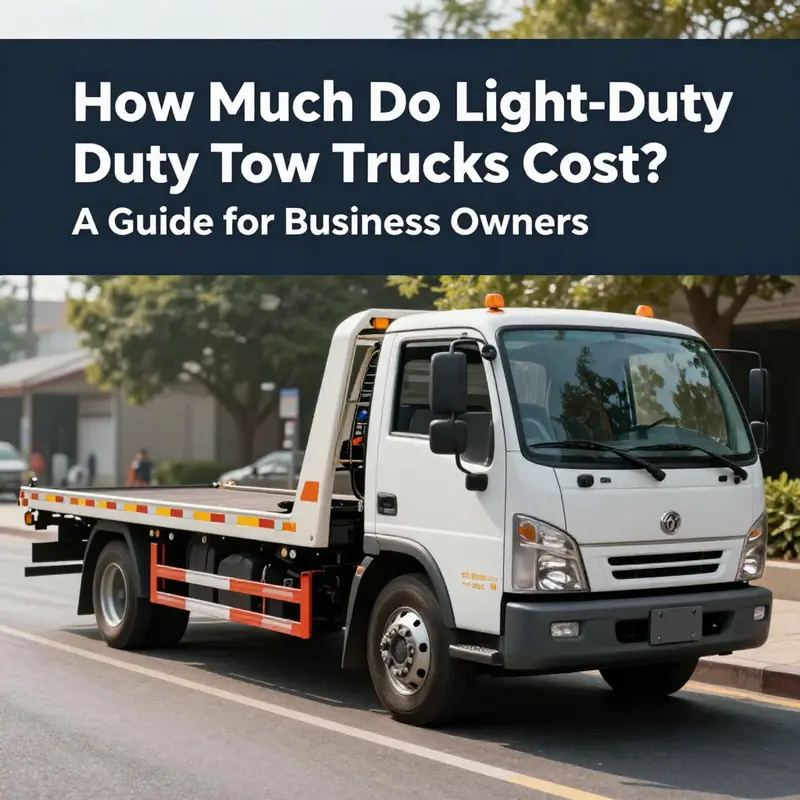
Pricing a light-duty tow truck is a study in how affordability meets capability. These compact, versatile machines are designed to move passenger cars, small SUVs, and light vans, often with a flatbed or a basic wheel-lift setup. The key question buyers ask is not only what the sticker price is, but what that price buys in terms of weight capacity, daily utility, and the kind of service network that backs a machine after it leaves the showroom. In market terms, light-duty tow trucks sit in a wide band that reflects the inevitable trade-offs between price, payload, and added features. When we speak of light-duty, the typical range clusters around 3 to 7 tons of towing capacity, with some models inching into the 4 to 9 metric ton spectrum. That capacity bracket makes them well suited for routine breakdowns, municipal pull operations, roadside assistance, and small-vehicle recovery, all without venturing into the heft and expense of heavy-duty gear. The way a truck is built within that range—whether it relies on a flatbed, a wheeled tow setup, or a telescoping arm—has a meaningful impact on price, because each configuration brings its own hydraulics, winches, and control systems. A flatbed, for example, adds length and surface sophistication that helps protect damaged cars but also costs more than a simpler wheel-lift. Meanwhile, a wheeled tow or a compact wrecker may come in at a lower price point, yet sacrifice some of the versatility that fleets rely on when faced with varied roadside scenarios. The balance of capacity and capability is central to understanding why no single number tells the whole story.
From a pricing perspective, light-duty tow trucks typically start around twenty thousand dollars for the most basic, new entries in the 3–7 ton category. For many buyers, especially small fleets or municipal operators, the range climbs to about forty thousand dollars as the baseline when added equipment, better hydraulics, improved winches, enhanced lighting, and more robust suspension are included. It is common to see configurations that push toward the mid-range or higher into the fifty-thousand-dollar territory when a 7-ton flatbed is paired with a telescopic arm and a comprehensive on-board control system. The upper end of the light-duty spectrum can encroach on the lower end of heavy-duty territory when a customer asks for specialized features such as enhanced rotation, longer flatbeds, or advanced diagnostics and telematics.
A crucial nuance is that many listings do not publish a fixed price. Some manufacturers and dealers prefer to tailor quotes to the customer’s location, delivery plans, and exact configuration. Shipping costs, import duties, and logistical timelines can all tilt the final figure. For buyers evaluating options, this means a quote is often more informative than a price tag pulled from a catalog. New versus used also reshapes the math. While a fresh unit offers the benefit of warranty and the latest safety systems, a used light-duty tow truck can present substantial savings, typically in the lower end of the range, albeit with higher maintenance risk and a shorter horizon for warranty coverage. In practice, buyers who need to stretch capital might explore late-model used gear, while those prioritizing reliability and lower risk of downtime lean toward new units.
The decision is rarely about raw weight alone. Fleet operators weigh the typical jobs—whether the work involves breakdown towing in city streets, busier suburban corridors, or rural routes—and match that to both the expected wear and the cost of parts and service. A compact, well-equipped light-duty model with a robust hydraulic system and a dependable winch may justify a higher upfront price because it minimizes spare-parts inventory, reduces downtime, and lowers per-tow labor costs over time. Conversely, a leaner setup can work for fleets whose daily work involves short distances and predictable vehicles. In all cases, the real value is found in the synergy between what the truck can do and how efficiently it can do it, day after day.
For readers curious about local availability and service expectations, a practical lens is to look at nearby providers who describe their light-duty support explicitly. For example, a page dedicated to Washington DC tow-truck service offers a window into how local networks price and service these machines, which helps translate national-price ranges into real-world numbers on the ground. See Washington DC tow-truck service for a concrete sense of what service coverage, turnaround times, and regional overhead look like in practice.
Ultimately, the sticker price is only part of the story. Buyers should couple price with total cost of ownership: warranty terms, maintenance cadence, spare parts accessibility, and the dealer’s after-sales support. It’s also wise to request a baseline configuration and a few quotes to compare how much value is baked into the price through features like additional lighting, extended flatbed length, or a more powerful winch. The light-duty category is wide enough to accommodate very modest budgets and very capable setups alike, and the right choice hinges on aligning the truck’s capability with the operator’s typical tasks, geographic context, and financial approach.
External resource for broader market ranges: https://www.alibaba.com/product-detail/JMC-Light-Duty-3-7ton-Road-Truck_1600768822778.html
Internal reference: Washington DC tow-truck service
Heavy-Duty Tow Trucks: Unpacking the True Price of Power, Precision, and Emergency Readiness
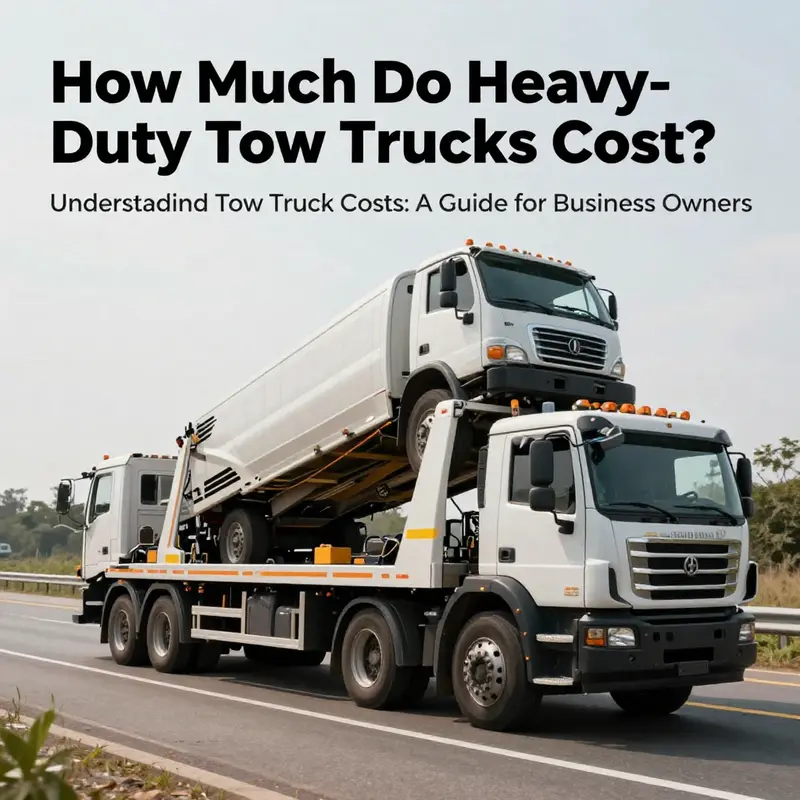
Heavy-duty tow trucks sit at the intersection of engineering and urgent service. They are the machines fleets call when accidents block lanes, when a semi-trailer loses a wheel, or when a bus won’t move. The price tag reflects more than a sticker on the hood. It includes reliability, resilience, and the ability to operate at highway speeds and in poor visibility. Buyers must translate needs into capacity, hydraulic power, and operator safety features. The choices span basic, rebuildable chassis to precision instruments designed for recovery in challenging terrain. Understanding how pricing works means looking past sticker numbers to the layered realities of performance, maintenance, and compliance. In essence, the cost is a function of the truck’s intended role, the environment in which it will work, and the level of sophistication required.
Standard heavy-duty tow trucks with an integrated towing mechanism typically fall in the 75,000 to 150,000 dollar range. They are built to recover stranded cars, haul trailers, and perform on-site winching without a separate trailer bed. For many fleets, this category represents a balance between capability and capital outlay. The exact price depends on the drivetrain, the length of the wheelbase, the capacity of the winch, and the complexity of the mounting hardware. Investors weigh whether extra gears or faster hydraulic cycles justify the higher upfront cost, particularly when the unit will face daily wear.
Rotator tow trucks, with a 360-degree rotating boom, represent the upper echelon of versatility. They can lift overturned vehicles, access vehicles in tight medians, and stabilize wrecks under traffic. The engineering required to deliver those features drives prices upward. Typical rotators range from roughly 150,000 to 300,000 dollars, sometimes more for premium cab configurations and extended reach. Along with the upgrade in lifting power comes higher maintenance, specialized training for operators, and additional insurance considerations. The price premium mirrors the demand the equipment fulfills during major incidents, when seconds count and crews must adapt to unpredictable scenes.
New flatbed tow trucks, prized for secure transport, still price within the 75,000 to 150,000 dollar band, though high-end layouts with advanced tilting mechanisms can push beyond. A tilting, wheel-lift compatible bed reduces the risk of further damage to towed vehicles and simplifies unloading on uneven surfaces. Flatbeds also support longer wheelbases, heavier engines, and complex control systems. The modularity of these rigs means fleets can tailor equipment to the typical job mix—cars, light trucks, or heavier crossovers—without paying for features irrelevant to daily use.
Used or certified pre-owned units offer substantial savings, often 20% to 40% off new pricing. The trade-off is a shorter remaining lifespan, less warranty protection, and a tighter window for parts availability. Buyers should scrutinize the truck’s history, maintenance records, hydraulic components, and the condition of the winch and radio systems. For many operations, a gently used heavy-duty truck paired with a plan for phased upgrades can deliver a reliable workhorse without the bite of a brand-new price tag.
Beyond the base configuration, several factors shape total cost. The vehicle’s weight and tow capacity dictate the underlying chassis and drive system, while specialized features—rotating booms, extendable arms, and high-capacity winches—increase the price. Brand and dealer networks influence the cost of service after the sale, including warranties and scheduled maintenance. New buyers must consider financing, insurance, fuel use during idle time, and the cost of training operators to handle high-pressure scenes safely. Upkeep matters as much as purchase price; a sound maintenance plan protects uptime and the long-term return on investment.
Planning a purchase requires mapping staffing needs to service demand. A fleet that operates in busy corridors or highway environments benefits from rotator capability but must also budget for crew training and incident-response protocols. Even a basic heavy-duty unit incurs ongoing costs for tires, hydraulics, oil, and replacement parts. When these variables are forecasted and priced, the financial picture becomes clearer: spending more upfront can reduce downtime and increase the fleet’s ability to respond quickly, which is both a safety decision and a revenue protection strategy. For a practical sense of how these trucks fit into daily operations in a city setting, see DC tow truck service.
External resource: https://www.alibaba.com/showroom/heavy-duty-tow-trucks.html
Beyond the Price Tag: Navigating the Price Spectrum of Specialized Tow Trucks
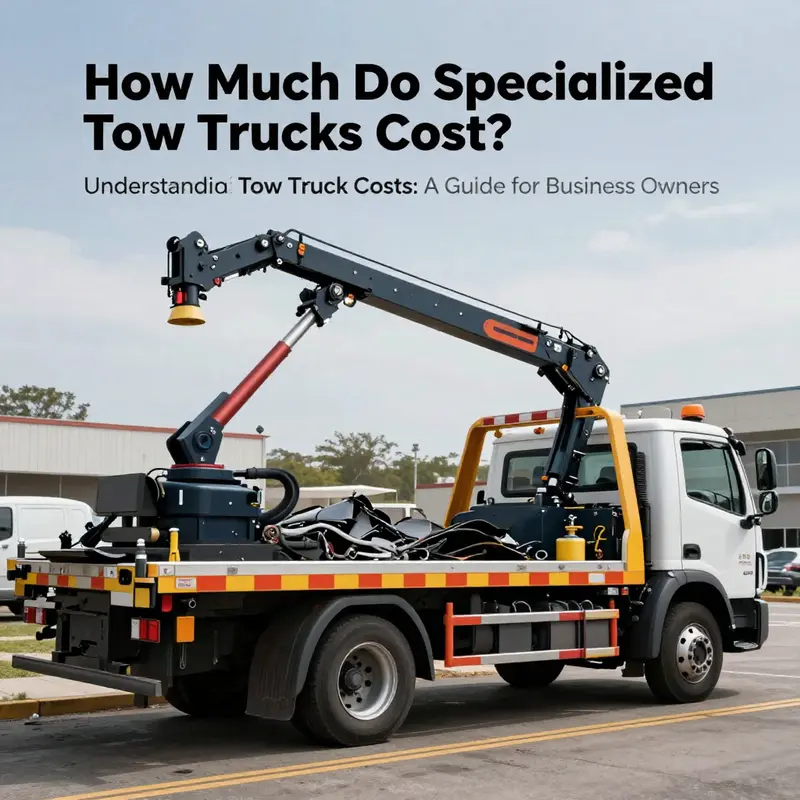
The cost of specialized tow trucks is shaped by a clear ladder of size, capacity, features, and the exact duties they are meant to perform. From compact light-duty rigs designed to haul damaged or non-running cars to heavy-duty machines that can recover large commercial vehicles in hazardous settings, price points reflect the complexity of the task. For many fleets, the question isn’t just what a truck costs today, but what it will save in downtime, safety risk, and worker fatigue over its service life. In practical terms, the light end of the market begins with basic, smaller tow rigs and flatbeds that can handle passenger cars and small SUVs. A new, entry-level setup with essential equipment can start in the mid-twenties of thousands of dollars and rise toward the upper end of the fifty-thousand-dollar range as optional safety features and hydraulics are added. A four-ton flatbed, common for everyday recoveries, frequently appears in price discussions around the low two figures—roughly sixteen thousand dollars in some markets when configured with lean specifications. It’s a reminder that, even at the low end, the choice between a basic, weather-resistant frame and a more capable, tilt-and-load platform matters for the job you expect to do most often. The pricing conversation broadens quickly once the scope expands to heavier and more specialized work. Rotator trucks, with 360-degree rotating booms that can lift vehicles in awkward positions on highways or at accident scenes, are priced in the four-figure range of hundreds of thousands. In many regions, buyers should expect a range roughly from one hundred fifty thousand dollars up to three hundred thousand dollars, depending on torque, control systems, reach, and the sophistication of the stabilization and safety features. These are not mere boxes on wheels; they are highly engineered systems whose hydraulic networks, boom geometry, and crew safety provisions justify the premium on performance and reliability under pressure. The most extreme category—the heavy-duty, multi-purpose wreckers designed to recover very large vehicles—commands even higher figures. In certain markets, a 50-ton capacity wrecker can run into the seven-figure territory, with prices around the one-point-one-seven million dollar mark reflecting extraordinary strength, redundancy, and regional maintenance ecosystems. Although such prices emphasize capability, they also underscore how maintenance, spare parts availability, and after-sales support contribute to the total cost of ownership over a long service life. Beyond the headline numbers, a spectrum of influence arises from the more mundane factors. Vehicle weight and towing capacity set the ceiling for what a given chassis can safely and legally handle, while specialized features—like rotating booms, extendable arms, tilting flatbeds, and high-end hydraulics—add both value and cost. Brand reputation and the strength of the dealer network matter, because buyers weigh not only the equipment alone but the confidence that parts, service, and technicians will be available when needed. The decision between new and used equipment compounds the considerations. A used truck can present substantial savings—often in the range of thirty to one hundred thousand dollars—yet it carries higher maintenance risk and shorter warranty protection. Regions differ further, with currency, import duties, and local labor costs shaping the final price tag. In this sense, the same heavy-duty unit can be a different investment depending on where it is purchased and maintained. A practical way to conceptualize the calculus is to imagine a ladder of use cases. For daily, routine recoveries of small and mid-size vehicles, a light-duty configuration with a flatbed or standard tow setup is often the most cost-efficient path, provided it includes the essential safety and control features for steady operation. For fleets that encounter overturned cars, highway incidents, or the need to recover oversized vehicles, rotator capabilities become a strategic asset, even when the upfront cost is substantial. And for operators tasked with the most demanding demands—large trucks, buses, or multi-axle configurations—the investment into a high-capacity, highly reliable solution can be justified by the complexity of the task and the safety margins it creates, especially in high-stress environments. For readers seeking localized guidance, regional assessments are invaluable. Local providers can illuminate real-time pricing, delivery timelines, and service support that align with the specific operating conditions a fleet faces in their area. In Washington, DC, for example, conversations about pricing naturally incorporate the availability of nearby service networks and the responsiveness of technicians who can reach accident scenes rapidly. For those exploring options in that region, a practical step is to explore local service listings and samples of regional coverage through their preferred providers, such as Washington, DC tow truck services. This approach helps ground the numbers in actual operational realities rather than abstract ranges. When real-time pricing and availability matter most, direct quotes from suppliers and dealers remain the most reliable path to a precise figure. The wide spectrum described here is not merely a theoretical map; it is the practical framework fleets use to align equipment capability with expected duty cycles, maintenance capacity, and the strategic value of reduced downtime. Paying attention to training is also vital. Specialized equipment demands appropriate instruction, safety protocols, and ongoing certification to ensure operators can exploit the full potential of the machine while protecting themselves and the vehicle being towed. The result is a cost picture that is not only a reflection of the sticker price but a broader view of lifecycle costs, service quality, and the ability to respond quickly and safely on the road. For a broader industry context and to compare trends in equipment pricing and availability, researchers and practitioners often consult broader automotive and fleet resources. External resource: https://www.autonews.com
Final thoughts
The costs of tow trucks vary extensively based on type, capacity, and specialization, reflecting the diverse needs within the towing industry. Light-duty trucks serve basic transportation requirements, while heavy-duty trucks are built for demanding recovery scenarios. Specialized models, equipped with advanced features, command premium prices due to their unique capabilities. Understanding these variances enables business owners to make strategic purchases that align with their operational needs, ultimately leading to improved service delivery.