
When considering the purchase of a tow truck, business owners often face several questions regarding cost and value. A tow truck is not just a vehicle; it represents an investment in your business’s service capabilities and operational efficiency. Understanding the various pricing structures associated with different classes of tow trucks is essential for making an informed decision. This article breaks down the costs across different types of tow trucks and explores market variability, ensuring you grasp the broad spectrum of what to expect financially when making this crucial investment.
The Price of Rescue on Wheels: Navigating Tow Truck Classes and What They Cost
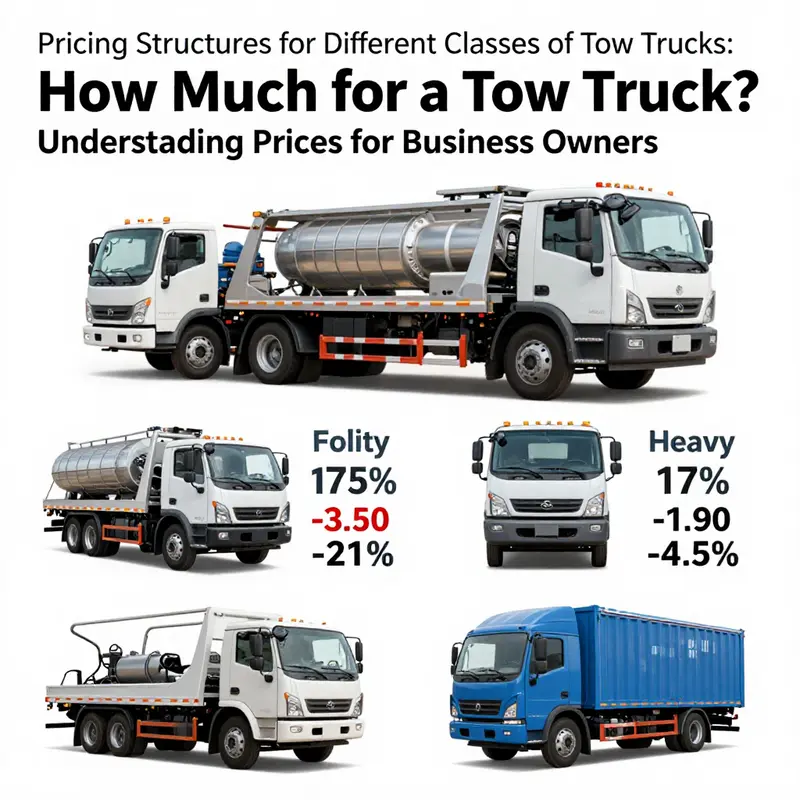
The decision to obtain a tow truck goes beyond a single price tag. It is a careful weighing of duty cycles, terrain, payloads, and the kinds of emergencies a fleet is designed to handle. The price spectrum stretches from modest starter grade machines to multi ton behemoths capable of recovering vehicles from precarious angles or waterlogged ditches. To illuminate this landscape consider how each class of tow truck aligns with specific tasks, safety considerations, and long term costs. In the end price is the reflection of capability plus the ongoing costs of maintenance, training, and fuel, and understanding that relationship is how a buyer avoids overpaying for functions they won’t use while underinvesting in essential performance when it really matters.
For many operators the first decision point is size and capacity. Light duty units often described by their five ton range sit at the entry point of professional towing. They are nimble enough for congested urban streets and capable of handling smaller vehicles with a straightforward winch or a simple flatbed setup. The market tends to price these in a broad band from adventurous lean used options around the low tens of thousands to more modern feature rich configurations approaching the mid range. In practice a buyer can expect a spectrum around roughly eleven thousand to thirty six thousand dollars with prices depending on bed type, lift capability, added safety systems, and the general condition of the chassis and drivetrain. The appeal is clear: lower upfront cost, quicker return on investment, and a manageable footprint for operators who primarily serve city streets and small to mid sized vehicles.
Beyond light duty the middle tier of the market targets versatility. Medium duty tow trucks those in the five to eight ton class tend to command higher up front prices as a reflection of their broader capability and the reliability required for more frequent callouts. A typical market range sits around the upper twenty thousands to mid twenty five thousand dollars with many examples clustering near the middle of the spectrum. These machines often pair a robust winch with a more substantial frame, enabling safer engagement with heavier cars or light commercial vehicles. They are well suited for fleets that must balance urban access with occasional interstate or regional recoveries, where the extra pulling power and improved hydraulic systems translate into faster, safer recoveries and lower on-the-job risk. The incremental cost here reflects not just capacity but durability, serviceability, and the ability to sustain a higher utilization rate without rising maintenance costs per mile.
Stepping up again, heavy duty tow trucks commonly configured as eight-by-four chassis with significant tonnage and a specialized setup for heavy lifts enter a distinctly different economic terrain. Entry points for these workhorses begin somewhere around forty thousand dollars and can climb to seventy thousand dollars or more depending on how the vehicle is equipped and the brand lineage. This price band captures features that matter in serious recovery work: higher torque, more robust drivetrain components, enhanced control systems, and larger hydraulic assemblies. These are the machines that service fleet operators who regularly respond to multi-vehicle pileups, heavy-duty wrecks, or recovery in demanding environments. Their higher upfront cost is often balanced by longer service lives under heavy use and by the capacity to complete difficult jobs more efficiently, which lowers the number of hours spent on each assignment and reduces insurance risk through consistent performance.
There is also a class at which many fleets take note for its unique blend of value and capability: the large or specialized category, which includes 15-ton flatbed rollback configurations. In this segment, price ranges can be surprisingly wide, from roughly sixteen thousand to nearly thirty thousand dollars. The gap in this range reflects differences in bed design, hydraulic reach, roll-back mechanisms, and the overall modularity of the unit. Some buyers prize the flatbed’s ground-contact-free transport ability, which reduces the risk of causing additional damage during loading and unloading, especially for low-clearance vehicles or those with AWD systems. Others may lean toward rollback features that simplify the loading process and expand the types of vehicles that can be recovered. Either way, the value proposition hinges on the balance between upfront cost and the breadth of tasks the truck can credibly handle on a routine basis.
But the pricing story does not stop with the mid-range and the big-ticket purchases. For the most demanding operations, rotator tow trucks the pinnacle of recovery capability bring a price tag that is almost a different universe. With rotating booms capable of 360-degree positioning, these machines can lift overturned cars or place vehicles in tight orientations that would be impossible with standard frames. The market typically places rotators in a higher echelon, often in the range of one hundred fifty thousand dollars to three hundred thousand dollars, or more. The reasons for such premium pricing are straightforward: the rotable boom requires advanced hydraulic systems, sophisticated control software, and a level of operator skill that demands rigorous training. The footprint of a rotator is larger, fuel consumption is heavier, and maintenance is more complex; all of these factors contribute to total cost of ownership that extends far beyond the initial purchase price.
In parallel with outright purchase costs, there is the question of how a buyer integrates new equipment into a fleet or a business model. New flatbeds, for instance, often sit in a mid-to-high range depending on size and specifications. The intuitive appeal of a new flatbed is the combination of reliability and safety assurances that come from factory warranties and the latest hydraulic control systems. The mid-to-high pricing envelope captures the peace of mind that a brand-new unit offers, plus lower risk of hidden maintenance costs in the early years. Self-loader tow trucks the Class 3s and beyond also fit into a broad spectrum, but their price is less about a single feature and more about the optimization of the GVWR (gross vehicle weight rating) and the targeted use case. Self-loaders are frequently positioned as cost-effective solutions for fleets that require dependable general towing and the flexibility to scale up operations with relative ease. The exact numbers here reflect the cumulative effect of chassis strength, loading geometry, and the specific configuration a buyer chooses to deploy.
What binds all these varieties together is not merely the sticker price but how the price translates into long-term operating costs and value. A lower upfront price may yield lower monthly payments, but it can also entail higher maintenance costs, shorter life cycles, and more frequent downtime. Conversely, a higher initial investment buys deeper reliability, more efficient recoveries, and, potentially, lower risk exposure on high-stakes jobs. Fuel efficiency, parts availability, and the ease of finding skilled technicians to service the unit directly affect ownership costs. A fleet that prioritizes frequent, heavy-duty recoveries will often benefit from investing in a rotator or a heavy-duty recovery unit if the workload justifies the capex. For a shop that handles casual roadside assist calls and occasional vehicle recoveries, a well-maintained light- or medium-duty unit could deliver the best return on investment over the same horizon.
To contextualize these decisions in everyday terms, imagine evaluating a real-world quote. The numbers you see will reflect not only the base price of the chassis and the bed or boom but the add-ons that support safe, compliant operation. Features such as anti-lock braking systems, tire pressure monitoring, load-sensing hydraulics, and operator safety interlocks can push the price upward but markedly improve resilience and safety. Similarly, the choice of warranty length, maintenance plans, and training packages forms part of the total cost of ownership that you will be paying over the life of the vehicle. These considerations are not mere perks; they shape uptime, crew safety, and the bottom line of a towing operation.
For buyers working in geographically dense areas, the local market adds another layer of complexity. Availability, the cadence of demand, and the proximity of service centers influence the effective price once delivery and maintenance logistics are considered. A unit purchased far from a service hub may incur higher transport costs or longer downtime for repairs, and these factors can tilt the calculus toward a different class or configuration than a buyer would choose in a more well served market. In practice the decision becomes a blend of current demand, expected utilization, and the financial flexibility to absorb the inevitable maintenance and resale considerations over the life of the truck.
As buyers move from curiosity to concrete quotes, a practical step is to map needs against performance rather than price alone. Start by outlining typical call types, peak hours, and response requirements. Do you often contend with urban narrow lanes and low-clearance spaces, or do you face wide boulevards and rural backroads where a rotator reach or a heavy-duty frame makes sense? Will you operate a small, single-vehicle fleet or an expansive operation with multiple units and on-call crews? Addressing these questions early guides the selection toward a class that suits the work rather than chasing every bell and whistle in the market. It also informs negotiations with dealers who will often tailor configurations to your workload, offering financing, maintenance packages, and training options that optimize total cost of ownership across years of operation.
For readers seeking local context, it can be useful to explore how nearby fleets approach these decisions. In a market like ours, service coverage and local availability of skilled technicians frequently shape what buyers are willing to invest upfront. A practical glance at regional options reveals how a well-supported local operator can maximize the value of a given class. If you are evaluating in the Washington, DC area, you may find it helpful to review local service options and how fleets manage their on-call coverage and rapid-response needs. Tow Truck Washington DC can serve as a starting point to understand the service ecosystem and the kind of commitments your chosen class may require.
Finally the broader landscape of pricing is not a single fixed ladder. It changes with technology, market demand, and the economics of maintenance. A rotator price might seem prohibitive until you factor in the rapid response capability, reduced call-back times, and the potential to handle the most challenging recoveries with fewer specialist contractors. A light-duty unit can be aggressively priced, but if it fails on a critical night when you’re handling back-to-back calls the cost of downtime quickly eclipses the savings on the sticker price. In the end the best path is one of disciplined evaluation, a clear view of what tasks you must perform, a realistic forecast of usage, and a thoughtful estimate of the ongoing costs that keep the truck on the road. The numbers in the market, the ranges across light, medium, heavy, large/specialized, and rotator configurations, are guides not guarantees; they illuminate where a given choice lands on the spectrum of capability and cost, helping buyers decide how to balance initial expense with long-term reliability, safety, and performance for anyone building or upgrading a towing operation the goal is not to chase the most expensive unit but to secure the right tool for the job at the right price with the resources to keep it operating when every moment counts.
External reference for broader pricing dynamics in towing services: https://www.thebalancesmb.com/how-much-do-towing-services-cost-4126963
What It Really Costs to Move a City on Wheels: Navigating Variability in Tow Truck Pricing
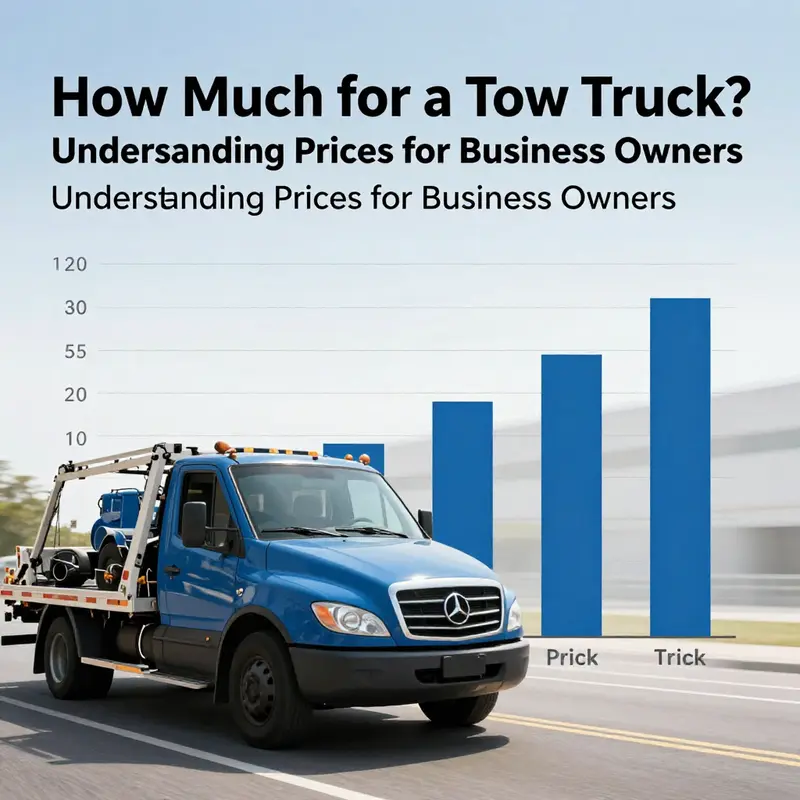
Price is rarely a single number in the world of tow trucks. It is a spectrum shaped by what the vehicle is built to do, how much it can lift, how it moves the unit safely, and how much support a buyer will need after the sale. For someone starting a fleet or expanding a roadside service, those numbers matter as much as the stories of quick recoveries and reliable service. The market for tow trucks is not monolithic. It stretches from compact, light-duty units designed for narrow alleys and quick assists to heavy, specialized rotators that can stabilize and recover vehicles in the most demanding scenes. The variability becomes a practical map. Small, light-duty models that can haul modest payloads and maneuver through traffic sit in a broad range of roughly eleven thousand to thirty-six thousand dollars, depending on the brand, the hydraulic sophistication, the tilting bed, and the extra safety features that are bundled with the truck. In the same family but with more capability, mid-range machines that handle five to eight tons of gross vehicle weight typically hover around twenty-seven and a half to twenty-eight and a half thousand dollars per unit when new, a narrow band that reflects ongoing production costs and the value of a ready-to-work chassis, winch, and mounting hardware. Movement into heavier service expands the price gap quickly. Heavy-duty tow trucks—those built on eight-wheel configurations or with fifty-ton potential—start near forty thousand dollars and can rise to seventy thousand or more, depending on how the engine, transmission, drive system, and recovery equipment are configured. Then there is the top tier: rotator tow trucks. These machines, designed to lift and stabilize vehicles from awkward positions and overturned scenes, rarely come cheap. A rotator can easily fall into a price range from about one hundred fifty thousand dollars to three hundred thousand dollars or more, reflecting the complexity of the rotation mechanism, the precision hydraulics, safety controls, and operator training required to deploy them safely in real-world recoveries. The numbers above conveniently illustrate a simple truth: there is a tool for every job, and the job itself dictates the price ceiling. Yet price alone does not tell the whole story. A flatbed, for example, carries its own logic. It is widely regarded as the safest method for transporting modern, high-value, or low-clearance vehicles because the bed tilts and slides to cradle the vehicle without dragging it across the ground. Flatbeds tend to sit in the middle to upper end of the market, sometimes nudging higher when the bed’s hydraulics and load ramps include additional stabilizers, wheel-lift devices, or integrated lighting for night operation. The same logic applies to other configurations, such as standard wheel-lift tow trucks or winch-only units, where the emphasis is on reach, grip strength, and speed. A five-ton to eight-ton winch model, widely used for general towing and roadside assistance, tends to be cost-effective given its balance of capacity and simplicity; the price tends to settle around twenty-seven to twenty-eight thousand dollars per unit, a range that reflects the reliability of the winch system, the quality of the mounting frame, and the vehicle’s durability in daily field use. Those bands help buyers calibrate expectations, but there are other, subtler forces that shape final pricing. The location of purchase and the prevailing logistics of delivery can tilt the numbers. Imports and regional supply chains matter, especially when fleets look to expand into urban areas where demand is volatile and the maintenance ecosystem is more complex. A used or refurbished unit can offer substantial savings, but it introduces another layer of considerations: the cost of inspection, the potential for hidden wear, and the reliability of the service network that will keep the machine compliant with safety standards and roadworthiness requirements. Even new units come with a package: warranties, financing options, and the price of training for operators and maintenance staff. A turnkey investment often includes warranty protection on critical components, sometimes extended service programs, and ongoing technical support. Training is not a mere checkbox; it translates into uptime, on-call readiness, and safer operations. The operator who understands how a winch, a hydraulic system, and the vehicle’s dynamics interact while loading, stabilizing, and transporting a vehicle is going to realize a part of the return on investment that goes beyond sticker price. In this sense, the economics of tow trucks must be weighed against the cost of ownership over time rather than a one-time purchase price. Maintenance cycles, spare parts availability, and the size of the service network can determine the true cost of ownership. A truck with a robust parts supply chain and a strong local service footprint can mitigate downtime, which is a hidden cost that sometimes dwarfs the initial price. For fleets that move into different service envelopes, one-off purchases can become a license to operate across varying terrains and conditions, but they also require careful budgeting for fuel, tires, hydraulics, and engine wear. The question then becomes not only how much a tow truck costs to buy, but how much it costs to own and operate across its expected life. In practical terms, the decision often hinges on anticipated usage. A fleet that expects a high volume of calls, particularly those involving difficult recoveries, is more likely to justify a rotator investment due to the speed and capability it adds in recovering a vehicle in hazardous or constrained positions. A city-based operation with a steady demand for routine roadside assistance might justify a mid-range flatbed or winch unit that balances daily reliability with lower upfront risk. The rental option matters as well, especially for smaller outfits, temporary surges in demand, or fleets validating a new service area. Short-term rental rates for light vehicles can be surprisingly accessible, with occasional daily rates trading in the fifty-five to ninety-one-dollar range. Such rates provide a test bed for service lines and geographic coverage without the long-term financial commitment of ownership. For a fleet contemplating expansion, this is a practical way to map routes, response times, and customer satisfaction before committing to a large purchase. The practical math becomes a blend of upfront price, maintenance costs, insurance, financing terms, and the expected frequency of use. It also factors in the cost of compliance—license fees, safety inspections, and operator training requirements that ensure the equipment can operate legally and safely in the jurisdictions where it serves. The city and state landscape affects this equation as well. Liability coverage, insurance premia, and regulatory demands differ by locale, and those differences can tilt the economics of ownership toward or away from certain configurations. Fleets working in high-traffic corridors may find that a dependable, easy-to-service unit pays off in reduced downtime, while operators in rural or remote regions may prioritize ruggedness and extended maintenance intervals. The economics are further refined by the decision to buy new versus used, to lease versus own, and to bundle the purchase with maintenance plans or service agreements that keep the machine in peak operating condition. Each option carries its own set of cash flows, tax considerations, and risk profiles. For readers considering a concrete path, there is value in anchoring the numbers to the types of jobs the fleet anticipates handling most often. If the main line of business is urban towing and incident response, a mid-range flatbed or winch truck may provide the best balance between price and performance. If the work involves severe recoveries, unstable loads, or overturned vehicles, a rotator becomes a strategic asset rather than a luxury, even though the initial price tag is steep. When all these variables are weighed, it becomes clear that the price of a tow truck is less a fix and more a function—of purpose, of place, and of the operator’s willingness to align capital expenditure with expected operational uptime. To ground this perspective in practical terms, a fleet can begin with a needs assessment: list the typical payload, the common types of calls, the distances traveled, and the environmental conditions. Then, map those needs onto the price bands described above, while adding a forecast for maintenance, insurance, and training costs. A single, simple calculation will not capture every nuance, but it will illuminate the most significant levers: capacity, safety, and efficiency. In urban settings, the ability to reach a scene quickly and to remove a vehicle without further damage often becomes the differentiator between a satisfied customer and a frustrated motorist. In rural settings, the key becomes reliability and the ability to function after exposure to varied weather and rough terrain. Finally, consider the broader ecosystem. Local fleets that maintain good relationships with service providers, training centers, and insurance partners tend to realize smoother operations and lower long-run costs. For readers curious about how those local dynamics translate into price realities, a visit to a regional service page can provide useful context on response times, licensing, and local standards. For example, a specific regional service page offers insights into how a tow operation positions itself to handle calls efficiently in a major metropolitan area—details that often reflect the practical constraints and opportunities that influence pricing and utilization. You can explore one such resource here: tow-truck-service-washington-dc, which gives a sense of how local conditions shape fleet choices and service expectations. While this chapter focuses on the spectrum of purchase and rental costs, it’s essential to recognize that the figures cited earlier are often starting points. Availability, seasonality, and market demand can nudge prices upward or downward. As markets evolve, buyers should stay in close touch with dealers, reassess the total cost of ownership periodically, and consider how new safety features or maintenance innovations could alter the math. In addition to the price bands, prospective buyers should review the external data that tracks global production and supply chain shifts, which can influence both new and used markets. For readers who want to dive deeper into engineered parts and manufacturing inputs that underpin these price differences, a broad overview of market listings and supplier catalogs offers a useful lens on price formation across different configurations. Ultimately, the decision to buy a tow truck is a strategic choice, not merely a transactional one. It rests on aligning the expected workload with the right tool, and then financing that tool in a way that supports steady uptime, predictable maintenance, and strong service continuity. The price you pay is a signal, but the value you gain is measured in fewer downtime events, quicker responses, and safer recoveries. External resources can provide broader market context and help calibrate price expectations beyond the immediate region. For more context on how markets price heavy equipment and the factors that drive price variability, see https://www.made-in-china.com/products/1124338488.html.
Final thoughts
Understanding how much a tow truck costs is crucial for any business owner considering an investment in this essential vehicle. The pricing varies by class, capacity, and manufacturer, indicating that it’s vital to assess your specific needs before making a purchase. Additionally, market variability suggests that comparing prices and availability across different regions can yield significant savings. Equipped with this knowledge, you can make an informed decision that aligns with your business objectives and financial considerations.