
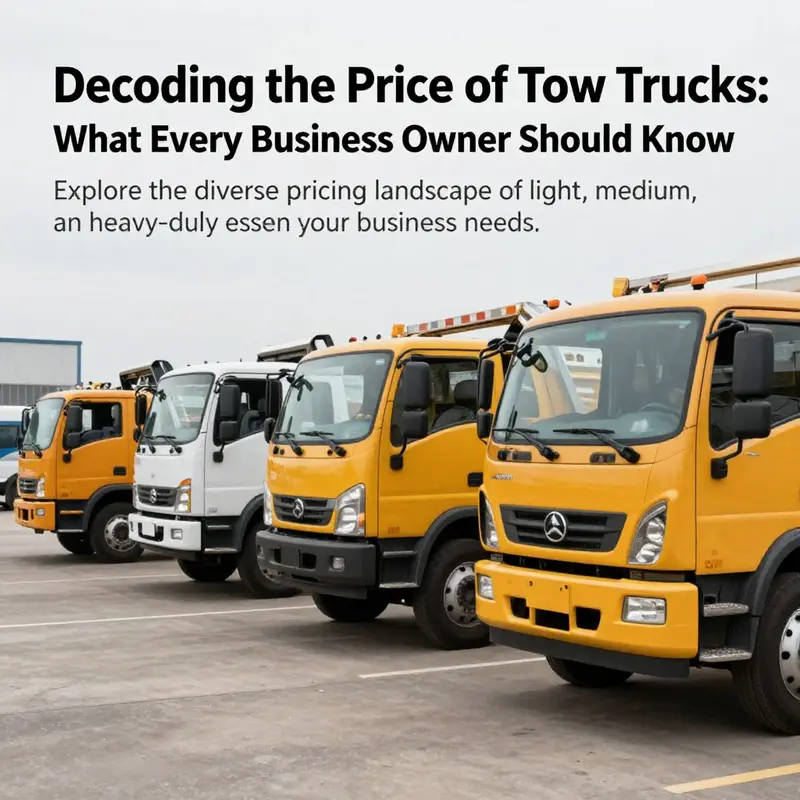
Understanding the cost of a tow truck is a crucial aspect for business owners considering entry or expansion in the towing industry. These vehicles are integral for roadside assistance, recovery operations, and fulfilling emergency needs for a wide range of clients. With costs varying significantly based on type, size, and specifications, it’s vital to grasp not only the fundamental price ranges but the factors influencing these costs. This article delves into a comprehensive overview, starting with the different categories of tow trucks and their corresponding prices, followed by an exploration of critical factors that affect these prices, such as location, equipment, and truck condition.
null
null
Price, Place, and Parts: How Location, Equipment, and Condition Shape Tow Truck Costs
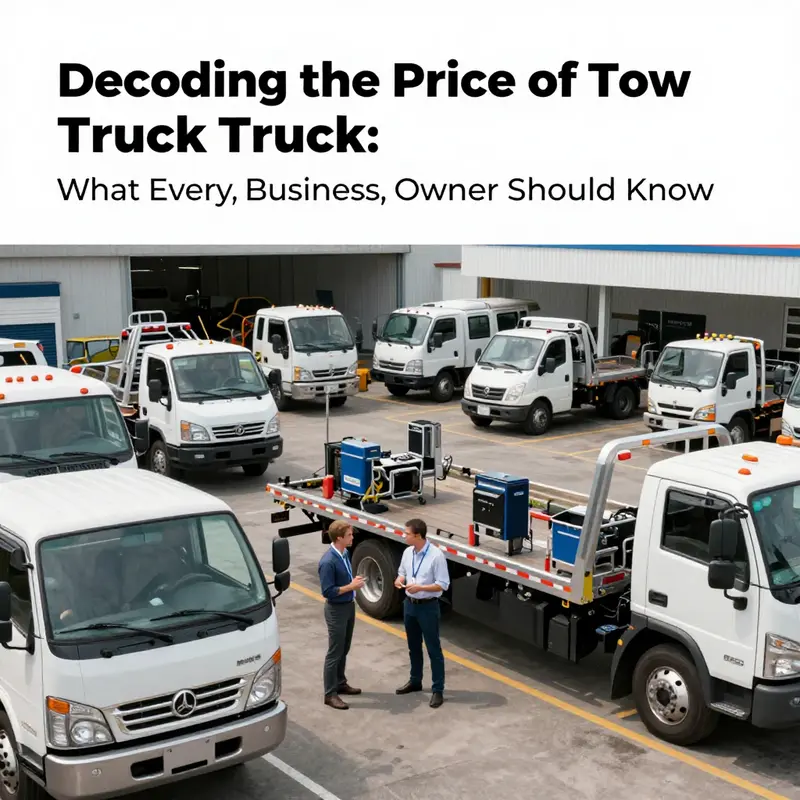
Cost in the tow truck market is driven by three interlocking factors: location, equipment, and condition.
Location affects price through local labor costs, demand, and regulatory requirements, so a truck in a dense urban market often carries higher upfront costs and higher ongoing expenses than a rural unit.
Equipment choice—ranging from light-duty to heavy-duty configurations and including options like advanced wheel lifts, larger winches, and durable hydraulics—shapes both sticker price and long-term value, because capabilities can reduce outsourcing, increase uptime, and expand service offerings.
Condition (new, used, or rebuilt) determines the initial price and risk profile: new units carry warranty protection and the longest anticipated service life, used units offer cost savings but require due diligence, and rebuilt units balance lower price against potential reliability concerns.
Financing terms, delivery and installation charges, maintenance contracts, taxes, and insurance premiums all color the final number, and regional differences in parts supply and service networks can tilt total cost of ownership.
A practical approach is to start from the expected job profile and lifecycle costs, not the catalog MSRP, and to align configuration and financing with anticipated workload and local market realities. In effect, price is a function of where the asset lives, what it can do, and what condition it carries across its life.
Final thoughts
In summary, the price of a tow truck is greatly influenced by its type, specifications, and the myriad of factors impacting its costs, from location to equipment condition. Business owners must consider these aspects when planning their investment in tow trucks, ensuring they select the right vehicle that fits their operational needs and budget. A thorough understanding of these dynamics not only prepares business owners to make informed financial decisions but also empowers them to provide essential services in the competitive towing market.