
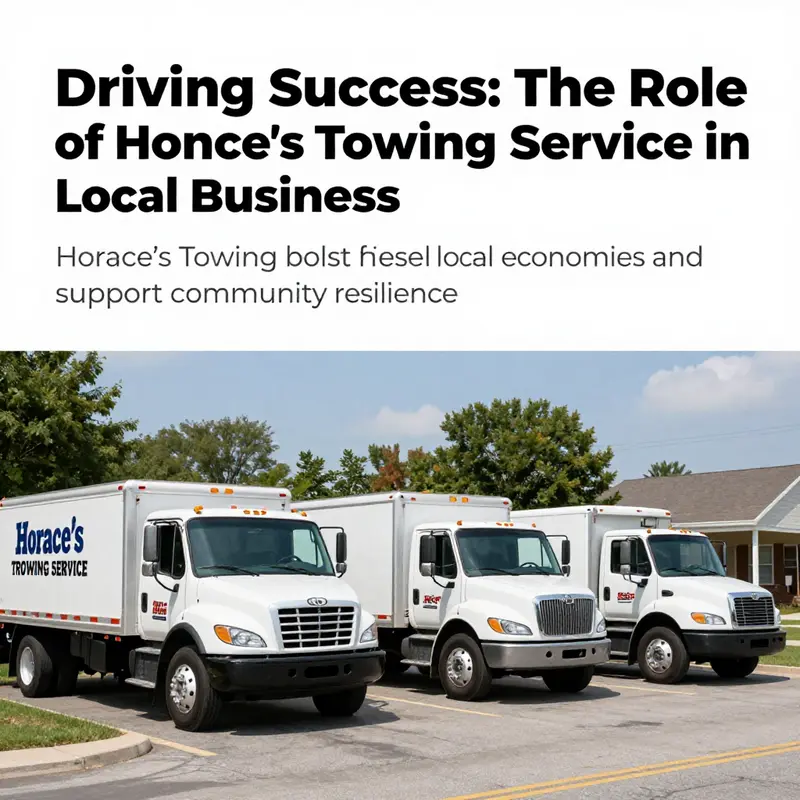
Horace’s Towing Service stands as a pillar of reliability in Chester, Virginia, providing essential towing and roadside assistance services. For business owners, the importance of fast and dependable towing services goes beyond mere convenience; it can directly impact operational efficiency and customer satisfaction. This article delves into the dynamic operations of Horace’s Towing Service, its significant contributions to community welfare, and what the future holds for the towing industry in Virginia. Each chapter will explore these facets, providing insights vital for business owners looking to ensure their vehicles are managed proactively.
Horace’s Towing Operations: Restoring Safety and Mobility Across Chester
Horace’s Towing Operations: Restoring Safety and Mobility Across Chester
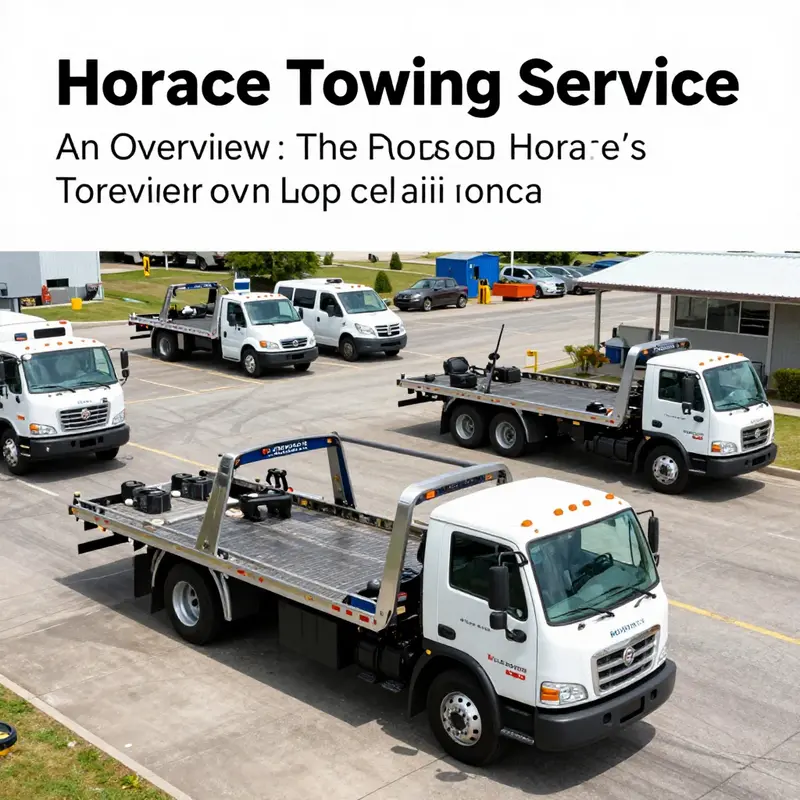
Horace’s Towing Service centers its work on a simple, practical mission: get people and vehicles moving again safely. Located at 1925 Old Bermuda Hundred Road in Chester, the team answers calls for breakdowns, collisions, and roadside mishaps. They combine local knowledge with specialized equipment and a clear process to deliver dependable results. The address and local phone number help residents reach help quickly, and the company’s online listings reinforce its local presence.
When a call comes in, the operation begins with rapid assessment. Dispatch collects location, vehicle type, and incident details. This initial step sets the tone for safe, efficient response. The dispatcher matches job requirements to the right truck, then relays necessary safety advice to the caller. Clear communication at this stage reduces on-scene risk and speeds arrival.
Technically, their fleet centers on versatile tow trucks fitted with a rear-mounted crane and a ring-and-chain lifting system. This setup differs from classic hook-and-chain approaches. The ring-and-chain allows the operator to cradle axles or wheels with more control. That gentler lift reduces stress on chassis and trim. Vehicles with lower ground clearance or delicate bodywork benefit especially. Operators can adapt the rig to many vehicle shapes, which shrinks the chance of secondary damage during loading.
The crane also improves access. It reaches into tight spaces, making recoveries possible from alleys, curbside parking, and narrow driveways. This reach reduces the need for complex maneuvers or additional equipment. Faster, more direct recoveries cut service time and lower operational cost. The streamlined method also decreases fuel consumption while towing, because the rig minimizes drag and encourages stable hauling. Those efficiencies matter for crew safety, environmental impact, and pricing stability for customers.
Beyond hardware, operational discipline shapes service quality. Crews follow systematic safety protocols from arrival to handoff. That includes securing the scene, setting up warning devices, inspecting vehicle stability, and briefing any involved parties. During winching or lifting, operators coordinate clearly with spotters to avoid surprises. The company trains staff on these protocols, ensuring consistent behavior across shifts. Ongoing training covers equipment use, recovery techniques, and customer interaction skills.
Customer experience is central. A helpful attitude and steady updates ease stressful situations. Drivers and owners often face confusion and time pressure after breakdowns. Horace’s crews provide concise explanations about options and timelines. They discuss whether on-the-spot repairs are possible, or if towing is required. When a tow is necessary, crews outline destination choices and any available service centers. This transparency builds trust and reduces friction at the roadside.
Insurance and compliance are woven into daily routines. Proper documentation accompanies most tows. Crew members log vehicle condition, mileage, and any visible damage before transport. These records protect customers and the company in case questions arise later. The operation also stays current with local regulations, licensing, and insurance standards. That compliance supports smooth handoffs to recovery yards or service shops.
Efficiency extends to scheduling and fleet upkeep. Preventive maintenance on trucks and cranes keeps downtime rare. Regular checks on winches, hydraulics, chains, and lights ensure readiness. When a truck goes out of service, backup vehicles and cross-trained staff cover scheduled and emergency calls. This redundancy preserves response times and limits disruption to customers.
The service works closely with local stakeholders. Police departments, parking authorities, and repair shops are regular partners. Coordinated responses at accident scenes speed clearances. The company’s familiarity with local routes and lot layouts shortens travel times. That local knowledge turns into measurable benefits: reduced wait times and faster traffic flow restoration after incidents.
Technology supports operations as well. Digital dispatch tools track trucks, display job details, and log arrival times. These systems help managers allocate resources dynamically. They also let customers receive more accurate ETAs. Online listings and a basic website provide contact details and service descriptions, which help the community find help fast during stressful moments.
Price transparency and fair estimates guide many interactions. For common services like light-duty towing or lockouts, crews provide clear quotes. When special equipment or extended recoveries are needed, technicians explain cost drivers. That openness reduces surprises at payment time and fosters better long-term relationships with repeat customers.
Community reputation grows through consistent performance and reliable response. Customer reviews emphasize prompt arrival, professional crew conduct, and careful handling of vehicles. That word-of-mouth trust makes the company a default choice for many local drivers.
For readers who want a quick look at the company’s local listing, see the Horace’s Towing page on AceX for a concise profile and contact options: https://acex-towing.com/horaces-towing/.
For mapping and detailed location information, Horace’s Towing Service is listed on MapQuest, which offers directions and additional business details: https://www.mapquest.com/places/horaces-towing-service-1925-old-bermuda-hundred-road-richmond-va/4683207.
How Horace’s Towing Strengthens Community Trust Through Care and Engagement
Horace’s Towing has become more than a roadside responder in Chester, Virginia. It acts as a touchpoint between people and the mobility they rely on. The business treats each call as a chance to restore calm, preserve value, and reinforce a local sense of reliability. This chapter explores how careful handling, consistent communication, and visible community involvement combine to shape the company’s strong reputation.
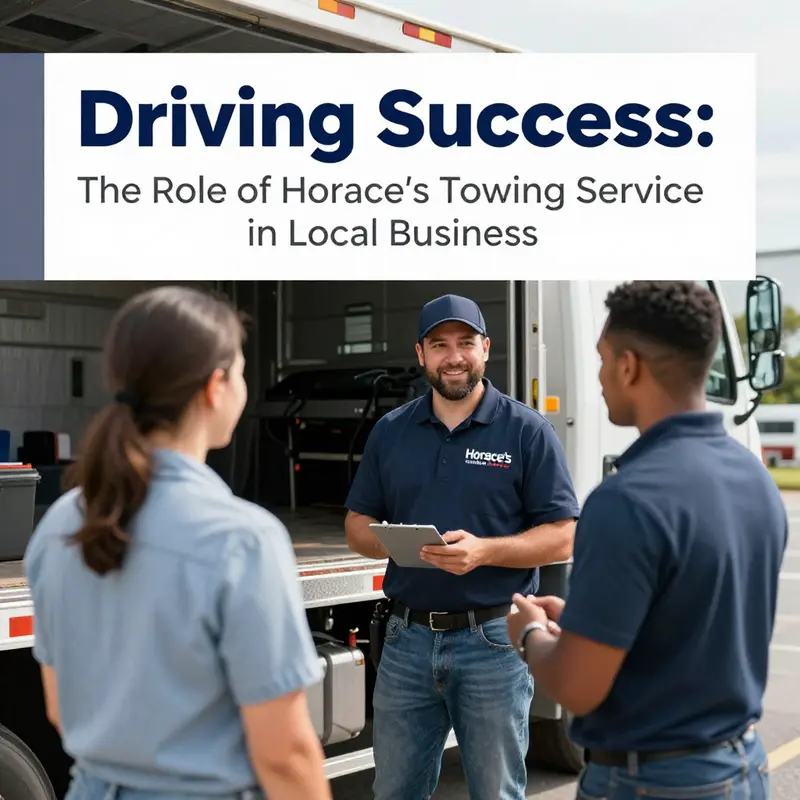
Drivers who face a breakdown often arrive at the scene with stress and uncertainty. Horace’s team responds not only with equipment, but with a calm professionalism that matters. Personnel are noted for punctual arrivals and polite, direct communication. They explain options clearly and set realistic expectations about timing and costs. That steady clarity reduces anxiety in practical ways. It also builds trust, because customers leave with a practical understanding of what to expect next.
Respect for vehicles is a clear throughline in customer accounts. When an antique car required towing, the crew showed meticulous attention. They took measures to protect trim, secure delicate parts, and transport the vehicle without hurried maneuvers. This kind of care signals respect for more than metal. It honors the sentimental and financial value owners place in their vehicles. By preserving that value, Horace’s Towing earns loyalty that goes beyond a one-time service.
Consistency is another pillar of community trust. Quick response times are important, but repeatable performance is what cements a reputation. Neighbors talk, and consistent positive experiences ripple outward. When a team shows up on time and leaves a job site tidy, those details circulate through word of mouth. Local businesses and residents begin to think of the company as dependable. That perception invites further engagement from property managers, event coordinators, and drivers alike.
Customer engagement extends into how the company communicates after a job. Follow-up calls and polite check-ins signal that a job finished well matters to the provider. These brief touches give customers an opportunity to report lingering concerns. They also present a chance for the company to adjust its practice based on feedback. Taking that extra step converts transactional interactions into relationships built on mutual respect.
Visible participation in the community shapes reputation, too. A towing company that sponsors a local event or supports a charity shows it values the neighborhood. Whether the involvement is modest or prominent, it adds context to a business’s presence. People begin to view the company as a stakeholder in local wellbeing rather than an anonymous vendor operating only when trouble arises.
Training and personnel conduct are essential components of public perception. When staff handle difficult scenes with empathy and safety-first habits, they project competence. That competence reassures drivers and other onlookers during stressful incidents. Moreover, professional behavior tends to reduce the likelihood of damage, disputes, or negative reviews. Customers remember how they were treated long after the tow is complete.
Transparent pricing and clear policies reduce friction in customer encounters. When drivers understand charges before work begins, surprises are avoided. Transparent policies about wait times, mileage, and liability help customers make informed decisions. Clear policies, paired with courteous explanations, show respect for customers’ finances and time. This respect is a simple but profound method of engagement that supports lasting trust.
Digital presence plays a supporting role in community engagement. Accurate address and contact details, visible on local listings and the company website, make it easy for customers to reach help when they need it. Online profiles that include recent reviews and photos provide social proof. Potential customers often check these resources before placing a call. A consistent, honest online portrayal aligns expectations with real-world service and reassures users about reliability.
Handling special requests with care also elevates community standing. Whether moving a classic car or coordinating with a repair shop, the company’s willingness to adapt shows they value individual needs. That flexibility creates advocates who will recommend the company to friends and family. Recommendations from trusted people in the community carry more weight than advertising. They are the currency of local reputation.
Safety and regulatory compliance are behind-the-scenes commitments that matter publicly. When a company adheres to local safety standards, it prevents accidents and fosters confidence. Customers may not see all the training and paperwork, but they notice safe practices at the scene. Those practices protect people and property, and they reinforce the idea that the business is responsible and professional.
In sum, Horace’s Towing demonstrates that community impact is built from reliable action, thoughtful communication, and respect for customers’ concerns. By treating each tow as both a technical task and an opportunity to support someone in need, the company deepens local ties. Those ties grow into a reputation that helps the business thrive, and helps the community feel safer on the road. For a closer look at the company’s local profile, see this overview of Horace’s Towing.
For recent customer feedback and community reviews, view the latest posts on Yelp: https://www.yelp.com/biz/horaces-towing-service
Horace’s Towing: Steering Chester Tow Services into Virginia’s Next Era
Horace’s Towing: Steering Chester Tow Services into Virginia’s Next Era
Horace’s Towing Service sits at a practical crossroads. Based in Chester, Virginia, the company already fills a vital niche. Drivers rely on quick light-duty tows, tire changes, and lockout assistance. That core competence creates a durable foundation for what comes next. The broader towing industry in Virginia is evolving rapidly. For Horace’s, adaptation will mean blending proven customer care with smart investments in technology, training, and sustainability.
The first step is to extend the reliability that customers praise online into predictable modern systems. Prompt response times and courteous technicians remain essential. But response alone will not suffice. Customers expect transparency. They want to see estimated arrival times and progress updates. To meet that expectation, many tow operators adopt GPS-dispatched fleets and mobile interfaces that show real-time ETAs. These tools reduce uncertainty and improve dispatcher decision-making. When a call comes in, a GPS-backed dispatch system matches the closest capable truck to the job. That reduces travel time and fuel waste. For a business operating from 1925 Old Bermuda Hundred Rd, this efficiency translates directly to better margins and quicker help for stranded motorists.
Mobile apps and messaging platforms are another natural extension. A lightweight app that accepts service requests, displays arrival windows, and allows simple payments makes roadside incidents less stressful. It also captures data. Data informs decisions about fleet size, peak hours, and staffing. Used carefully, data helps Horace’s schedule overnight coverage, prepare for seasonal patterns, and prioritize training for common call types.
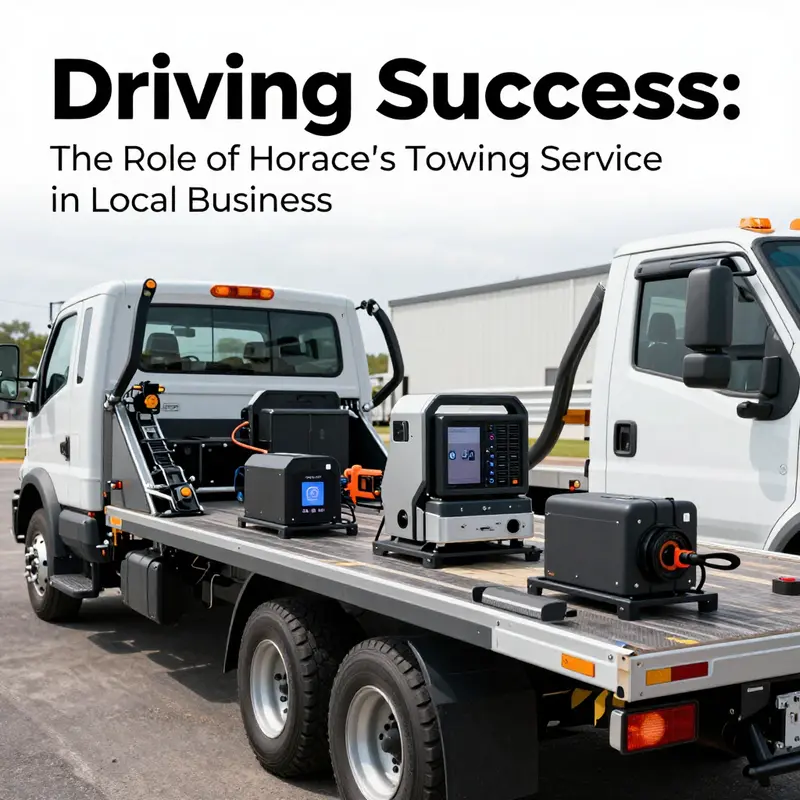
Electric vehicles present a larger operational shift. EVs are already appearing on Virginia roads in growing numbers. They require different handling than internal combustion vehicles. High-voltage battery systems demand specialized safety protocols. Flatbed approaches and wheel-lift methods may need adjustment to prevent battery damage. Tow technicians will need training in EV disconnect procedures and in recognizing when a vehicle must be routed to a qualified EV service center. Proactive investment in EV-safe equipment and training will position Horace’s ahead of the curve. It will also open new revenue streams, as insurers and fleet managers seek vendors able to handle electrified vehicles safely.
Sustainability considerations will shape fleet upgrades and operational choices. Many towing companies explore lower-emission towing alternatives and fuel optimization strategies. Hybrid or alternative-fuel tow trucks reduce local emissions and operating costs. Route optimization software trims miles and fuel consumption. Small steps, like switching to energy-efficient shop lighting and recycled parts for non-safety repairs, add up. For a community-minded operator, these choices also strengthen local reputation and align with municipal sustainability goals.
Regulatory change and municipal partnerships will affect how towing businesses operate. Virginia jurisdictions increasingly coordinate with private operators during road incidents. Tow companies that cultivate relationships with local police, fire, and emergency management agencies gain faster access to contracted work. They also influence local policy discussions around clearance times and safe towing practices. Establishing consistent compliance programs ensures Horace’s meets evolving licensing, insurance, and safety standards. That avoids fines and maintains trust with municipal partners.
Customer service remains the differentiator that technology cannot replace. Walk-up service quality, vehicle handling, and technician demeanor shape word-of-mouth more than any app. A reliable phone line staffed by trained dispatchers still matters. Maintaining a human touch while adding digital conveniences is the right balance. Training modules that combine technical skills and customer empathy help crews manage stressful roadside situations calmly. Those interactions convert first-time customers into repeat clients and long-term advocates.
Marketing and visibility will shift alongside service improvements. Online profiles and local review sites matter in acquisition. A clear, up-to-date web presence supports search discovery and reduces friction when customers need help. Community engagement, sponsorships, and local outreach strengthen brand recognition. Participating in county safety events or offering educational workshops on roadside safety builds trust. These community moves also create referral pathways with local mechanics and insurers.
Operational resilience matters too. A diversified service mix—light towing, winching, lockouts, and minor roadside repairs—smooths revenue across seasons. Strategic partnerships with repair shops and car dealerships create steady referral flows. Cross-training technicians to perform basic diagnostics helps resolve some calls on site, avoiding unnecessary tows. That saves time for customers and increases on-call capacity.
Finally, measured growth preserves the qualities that define Horace’s. Expanding the fleet should match demonstrable demand. New trucks should include the latest safety features and, when feasible, lower-emission options. Investment in training must track new vehicle technologies, such as advanced driver-assistance systems and EV components. Financial planning that phases upgrades over time protects cash flow while modernizing operations.
Horace’s Towing has the community reputation and local knowledge to thrive amid industry change. By integrating GPS-enabled dispatching, mobile customer interfaces, EV-safe handling, and sustainable operations, the company can keep its customer-first ethos intact. Partnerships with local agencies and repair shops will extend operational reach. Clear communication, staff training, and incremental fleet upgrades will ensure reliability for Chester drivers and beyond.
For a deeper look at Horace’s local profile and services, see this overview on Acex: Horace’s Towing profile on Acex.
Horace’s ongoing website provides current contact details and service information: http://horacestowing.com
Final thoughts
Horace’s Towing Service not only fills a critical gap in vehicle recovery and roadside assistance but also showcases how effective service delivery can enhance customer relationships and bolster community resilience. For business owners, understanding the role that Horace’s Towing plays can help capitalize on ensuring operational effectiveness and prompt assistance during emergencies, contributing to a robust local economy. As the towing landscape evolves, staying informed about advancements and community engagement practices will be essential for all businesses reliant on vehicular operations.