
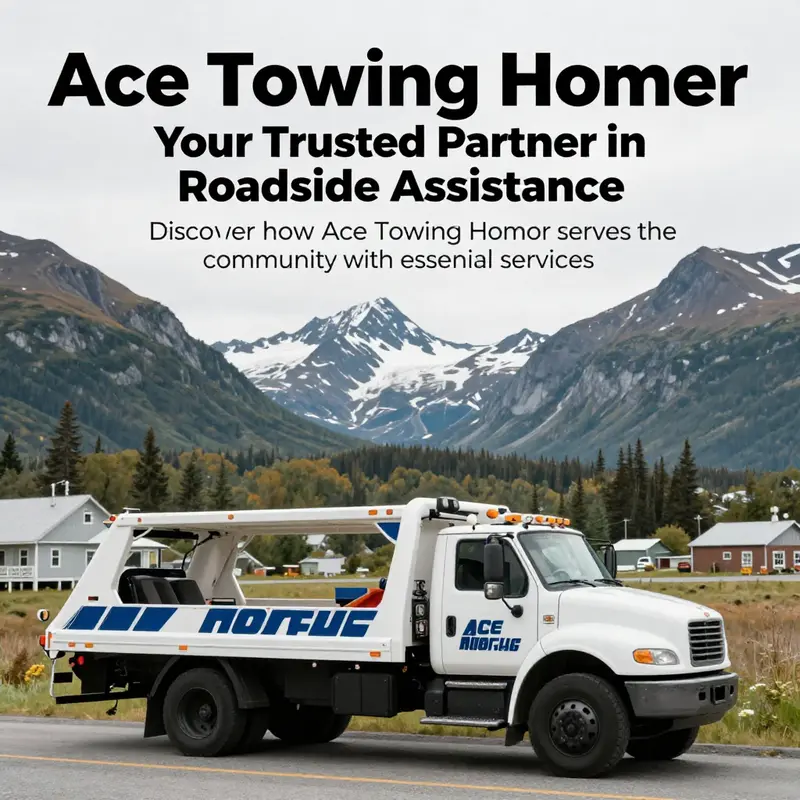
In Homer, Alaska, Ace Towing has established itself as a pivotal service for both residents and visitors, providing essential roadside assistance and towing services. The company’s extensive offerings—from long-distance towing to fuel delivery—underscore their dedication to the community. This article explores three key dimensions of Ace Towing: the comprehensive range of services they provide, their significant impact on the local community, and their reputation as reflected in customer feedback. By examining these aspects, we gain a holistic understanding of how Ace Towing Homer stands out as a reliable partner for those in need of assistance.
Complete Roadside Care: Ace Towing Homer’s Range of Services for Alaska’s Drivers
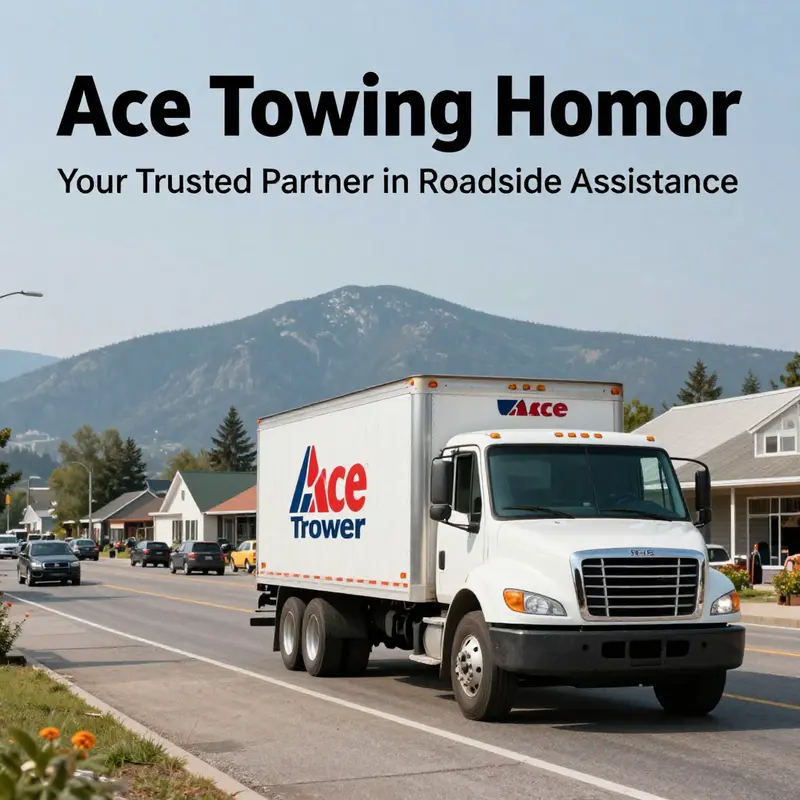
Ace Towing Homer delivers a set of towing and roadside assistance services built for the realities of life on the Kenai Peninsula. From short trips into town to long hauls across remote stretches, their team handles situations that local drivers meet every day. The offerings are broad, but the focus remains simple: respond quickly, protect vehicles, and get people moving safely.
When a vehicle needs to be moved, the right tow method matters. Ace Towing Homer provides both long and short-distance towing. Short-distance tows handle roadside mishaps and runs to nearby shops. Long-distance towing covers extended transfers between communities, often necessary in Southcentral Alaska. These services are designed to bridge gaps when roads and weather make alternatives unreliable. Drivers who must move a car safely across distance find this versatility essential.
Flatbed towing is an important part of that versatility. Vehicles with heavy damage, lowered suspensions, or unstable frames require secure transport. A flatbed keeps a vehicle level and off the pavement, preventing further harm during transit. For drivers who want minimal risk, flatbed hauling is the best option. Ace Towing Homer keeps the right equipment on hand for these needs and trains operators to load and secure vehicles properly.
The Alaskan environment creates scenarios not seen elsewhere. Snow, mud, and steep shorelines turn routine drives into complex rescues. Winchouts are a staple service here. Whether a truck slides into a snowbank or a compact car sinks into wet ground near the spit, a powered winch and an experienced operator can retrieve vehicles without causing additional damage. Winchouts require careful rigging and situational judgment. The crews at Ace Towing Homer prioritize safe anchor points, correct cable angles, and clear communication during every recovery.
Some roadside incidents are simple, but urgency is still key. Jumpstarts get drivers moving when batteries die unexpectedly. Technicians arrive equipped with jump packs and the know-how to assess battery health. If a battery is beyond help, the crew can recommend options and arrange transport. Tire services are similarly immediate. A flat on a cold, remote road is more than an inconvenience. Technicians change tires and fit spares when available. They can also advise on durable replacements that suit local driving conditions.
Lockouts and fuel delivery round out the practical services that keep people on the road. Lockouts require patience and precision. The goal is entry without damage, whether a key is left inside or a modern key fob fails. Fuel delivery prevents long waits in freezing temperatures or under Alaska’s unpredictable skies. A technician brings the needed amount to reach a safe destination or a nearby station. These responses are about comfort and safety, not just convenience.
Not every vehicle needs repair or towing. Sometimes disposal is the answer. Junk car removal offers homeowners and property managers a quick way to clear unusable vehicles. Ace Towing Homer handles the logistics of removal and title transfer. Removing a derelict vehicle can free up space and simplify insurance questions. The team approaches each removal with attention to paperwork and environmental considerations.
Professionalism and experience shape every call. The crew includes trained specialists such as an automotive collision expert who oversees complex recoveries and interactions with repair providers. This experience matters after accidents. Proper stabilization, minimal additional damage during transport, and accurate communication with repair shops save time and expense. Crews document conditions and provide clear handoffs to auto shops and customers.
Beyond technical skill, a local presence influences how services are delivered. Being based near Homer Spit Road and operating within the 99603 area code gives the company a deep understanding of local routes, seasonal hazards, and timing. This local knowledge reduces response times and improves decision-making in tricky recoveries. When roads freeze over or tides affect shoulder conditions, crews adapt their plans based on experience rather than guesswork.
Communication also plays a key role. Callers get a clear assessment of arrival times and service options. The company maintains lines for rapid dispatch and provides transparent pricing when possible. This clarity matters in stressful moments, such as incidents after dark or during foul weather. When customers know what to expect, they make calmer, safer choices while waiting for help.
Equipment readiness is equally important. A reliable fleet with flatbeds, winch-capable trucks, the right rigging, and jump packs reduces the chances of delays. Regular maintenance of tow vehicles keeps them dependable under heavy use. Crews inspect hardware and test systems to prevent failures during recoveries. This attention to detail minimizes complications in remote or extreme conditions.
Safety for the driver, passengers, and crew is a constant priority. Technicians wear protective gear and follow protocols on busy roads or unstable terrain. They use signage and positioning to create safe work zones. For recoveries on sloped or wet surfaces, they calculate load forces and confirm anchor integrity. Following these safety practices keeps risks low during what can otherwise be dangerous operations.
Customer care extends beyond the technical callout. The team helps customers coordinate with insurers and repair shops when necessary. They document incidents with clear notes and photographs. This information assists in claims and repairs. After an accident, having a tow provider who can communicate with multiple parties simplifies recovery and shortens the overall process.
The combination of services, equipment, and local knowledge creates real advantages for Homer drivers. Whether a tourist runs out of fuel near the spit, a resident needs a long tow to a distant shop, or a vehicle requires delicate extraction from soft ground, the company brings the necessary tools and experience. That consistency builds trust within the community.
If you need a quick reference while traveling, the company lists contact options and dispatch details. For locals, keeping their number close at hand reduces the stress of unexpected breakdowns. Additional information and logistical details can be found on their local service page, such as the Ace Towing near me overview.
For perspective on the company’s reputation and recent customer experiences, consult local listings and review platforms. They reflect how crews perform under real conditions and how well the team meets community expectations. For a direct look at reviews and user feedback, see the Ace Towing Homer profile on Yelp: https://www.yelp.com/biz/ace-towing-homer-alaska
How Ace Towing Homer Anchors Community Safety, Jobs, and Local Resilience
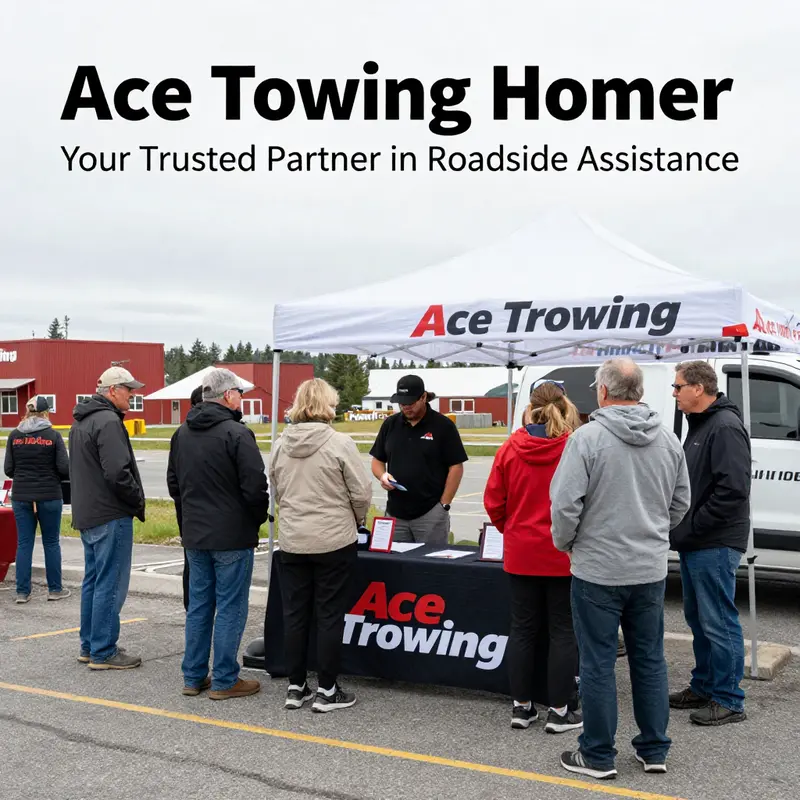
Ace Towing Homer plays a role that reaches beyond moving vehicles. In a place like Homer, Alaska, a dependable towing service is more than convenience. It is an essential thread in daily life and emergency response, a contributor to the local economy, and a partner in keeping roads and communities safe. While detailed impact reports specific to the company are not publicly available, the functions and relationships typical of a well-run local towing business make it possible to paint a clear picture of meaningful community impact.
When a vehicle fails on the Sterling Highway or along the scenic stretches near Homer Spit Road, the response is immediate and practical. Towing and recovery services handle accidents and breakdowns, clear hazards, and restore traffic flow. That immediate response reduces secondary collisions and prevents long traffic delays. It also limits the environmental damage that can occur when fluid leaks or stranded vehicles are left unattended. Through dependable emergency work, the company helps maintain a safer roadway network for residents and visitors alike.
Beyond roadside rescues, the company’s local knowledge proves invaluable. Drivers and operators who know Homer’s weather patterns and seasonal traffic can make faster, safer decisions. They anticipate the problems that arise in icy or muddy conditions, on narrow coastal roads, or when large tour buses appear during busy seasons. This local expertise shortens response times and reduces the risk of further incidents. For a community where tourism and commercial fishing bring fluctuating traffic volumes, that knowledge is an unsung asset.
Employment is another clear area of impact. A towing operation needs trained drivers, dispatchers, mechanics, and administrative staff. Each role offers a source of steady income for local residents. Wages paid to employees support households and local businesses. When a business hires locally, it creates a multiplier effect: payroll dollars move into grocery stores, housing, and services across Homer. Even if the exact number of jobs is small, the presence of reliable local employment strengthens the town’s economic fabric.
The purchasing choices a towing company makes also circulate money in the local economy. Fuel, vehicle parts, insurance, and equipment maintenance often come from nearby vendors. Local garages, parts suppliers, and fuel providers benefit when a towing operation sources nearby. These business-to-business relationships reinforce a network of commerce rooted in the community. In smaller economies, such connections help keep independent shops viable and create a more resilient local supply chain.
Beyond direct commerce, tow operators frequently intersect with other community institutions. They work alongside law enforcement, fire services, hospitals, and municipal road crews. These partnerships matter in emergencies. Quick collaboration can mean faster scene management and better outcomes for people involved. Coordination with public agencies also fosters mutual trust. First responders rely on experienced recovery teams to manage wreckage and clear scenes safely, reducing the time emergency lanes or scenic overlooks remain closed.
There is also a civic dimension. Local businesses often show up at school fundraisers, sports events, and community festivals. Sponsorships and donations may be modest, but they are visible signs of engagement. A towing company that supports youth programs or local charities helps reinforce social bonds. Even participation in town clean-ups or safety fairs strengthens community cohesion. While specific records of such activity for this operation are not publicly documented, these forms of local contribution are common and impactful.
Environmental considerations add another layer to local influence. Services such as junk car removal and proper disposal of abandoned vehicles matter in a coastal town. Removing derelict cars reduces pollution risks and helps reclaim public space. When wreckage is handled responsibly, hazardous fluids are contained, and recyclable materials are sorted, the community benefits from improved aesthetics and reduced environmental threats. Responsible disposal practices demonstrate stewardship and align business operation with local conservation values.
The tourism economy in Homer also sees benefits. Visitors come for fishing, art, birding, and the famous Spit. When tourists face a vehicle breakdown, quick and courteous service can determine whether a trip continues or dissolves into frustration. Reliable roadside assistance supports the visitor experience and helps protect Homer’s reputation as a welcoming destination. In that way, the towing provider contributes indirectly to the town’s hospitality sector and the livelihoods that depend on seasonal visitation.
Reputation and trust are central to this local influence. Word of mouth matters here. Positive interactions at roadside scenes, clear communication during stressful moments, and fair pricing build trust. Over time, trust becomes a community asset. People feel safer traveling, knowing help is nearby and reliable. For local businesses that plan deliveries or for residents commuting in winter, that layer of certainty affects everyday decisions.
Safety training and professional standards influence local outcomes too. A company committed to regular training and well-maintained equipment reduces the chance of mishaps during recoveries. Proper training protects both workers and those they assist. It also reduces liability for the town when professional teams follow safety protocols at accident scenes. Investment in staff training is therefore an investment in community well-being.
Finally, there is the less tangible contribution: community resilience. When disasters strike—major storms, islanding events, or large accidents—having dependable, local recovery services accelerates recovery. Clearing vehicles, restoring access, and helping stranded residents are actions that, while operational, underpin a community’s ability to bounce back. In places where mutual aid and neighbor-to-neighbor support matter, businesses that can respond quickly become part of the resilience network.
To learn more about local business involvement and community resources in Homer, residents and researchers can consult local civic organizations. For example, the Homer Chamber of Commerce maintains information about business activities and local initiatives that shape economic and social life: https://www.homerchamber.org
For direct inquiries or to request specific information about services, community programs, or local engagement, the company provides a way to reach them through their contact page. If you need immediate assistance or want to discuss partnership opportunities, visit the contact towing company page here: contact towing company.
Taken as a whole, a locally rooted towing operation contributes to safety, employment, economic circulation, environmental stewardship, visitor experience, and resilience. Even in the absence of a formal impact report, these functions create a web of positive effects felt across daily life in Homer.
How Local Trust Shapes Ace Towing Homer’s Reputation
How Ace Towing Built Local Trust
Ace Towing in Homer has become more than a roadside helper. It functions as a dependable presence for residents and visitors. That reputation grew slowly and deliberately. Owners and operators who live in the area bring local knowledge and a personal stake to every call. That connection to place shows in how people describe their experiences: fast arrival, clear pricing, and respectful crews.
Community roots matter. When the people running a company are also your neighbors, expectations change. Accountability rises. Customers expect honesty, and Ace Towing’s longstanding presence creates repeated chances to meet those expectations. Reviews and word-of-mouth repeatedly point to responsiveness. In a place where weather and geography can complicate a simple tow, arriving quickly matters. Customers often single out the short wait times during stressful moments, including night calls and roadside emergencies.
Transparent pricing is another recurring theme. People appreciate clear estimates and upfront conversation about costs. That reduces uncertainty, and customers frequently mention not being surprised by hidden fees. For a service that often comes during vulnerable moments, clear pricing shifts the interaction from transactional to reassuring. Staff explain options and costs before work begins. That habit builds trust faster than any marketing message.
Professionalism and human connection form the backbone of the company’s reputation. Many reviewers note how courteous staff reduce tension. Simple behaviors—listening to the customer, explaining what will happen, and treating vehicles with care—leave a strong impression. These are small acts, but repeated consistently they become the business’s signature. In Homer, where communities are tight-knit, those small acts are remembered.
Reliability and versatility also appear in feedback. Customers highlight a wide range of services handled with the same attention. Whether a vehicle needs a short tow into town, a long-distance haul, a winchout from a remote road, or a jumpstart in the early hours, callers say the team adapts. This ability to handle many scenarios deepens the sense that the company can be counted on, whatever the circumstance.
The operational evidence of that reliability is the combination of prompt responses and practical skills. Callers describe crews that assess situations quickly and choose the safest, most efficient course of action. That competence matters for preserving property and ensuring personal safety. When customers feel safe handing over their keys, it reinforces a positive loop: a good experience becomes a review, and that review helps the next customer choose with confidence.
Feedback does more than praise; it guides improvement. Ace Towing treats customer input as a resource. Reports about long waits or unclear communication are used to adjust schedules and refine front-line training. Praise for specific technicians translates into recognition and reinforces the behaviors the business wants to repeat. In short, feedback becomes part of daily operations. It is not merely stored but applied.
One practical example is how emergency response protocols evolve. When multiple customers mentioned rapid assistance as essential, the company prioritized dispatch efficiency and route planning. When others highlighted the need for clearer pricing information over the phone, Ace Towing tightened its script for initial calls. Small operational changes like these reduce friction and prevent negative experiences from repeating.
Visible responsiveness also creates strong referral patterns. Locals recommend the company to visiting friends and to seasonal workers. That organic marketing is powerful in a community where personal recommendations carry weight. Because owners are lifetime residents, those referrals often come with extra assurance. Recommenders can vouch for both the service and the people behind it. That human endorsement strengthens the brand locally.
Reputation management extends beyond direct service. How Ace Towing handles difficult situations affects public perception. When a complicated recovery or an accident requires time, crews who communicate clearly help manage expectations. Customers often recall not only the final outcome but the process—how well they were kept informed and treated. Honest, calm communication during a stressful event minimizes disagreements and leads to the more positive reviews that define the company’s public image.
Online platforms capture a snapshot of this community sentiment. Reviews consistently praise punctuality and courteous conduct. They also offer constructive criticism that helps the company refine its approach. The interplay between online feedback and on-the-ground service improvements forms a virtuous cycle. Each satisfied customer becomes a potential source of future credibility.
Maintaining that cycle requires consistent standards and leadership that models the values of fairness and care. For Ace Towing, the leadership’s local ties help. When the people at the top are known in the community, their commitments carry weight. They are not anonymous executives; they are neighbors who answer calls and participate in local life. That visibility ties reputation to personal integrity.
Practical visibility matters too. The company’s location near Homer Spit Road places it within easy reach of many common service areas. That proximity reduces travel time and makes it easier to respond quickly. Customers note the advantage of a nearby provider who knows the roads and seasonal hazards. That local knowledge shapes both safety and efficiency.
Customer feedback also influences hiring and training. Positive comments about specific behaviors inform training priorities, while suggestions for improvement guide hiring choices. The company seeks people who can combine technical skill with empathy. That balance matters when a tow is more than a mechanical task: it is a human moment.
Public trust is fragile, but it grows when good experiences are frequent. In Homer, Ace Towing’s reputation has benefited from repeated positive encounters. Clear pricing, rapid response, and courteous staff are themes that echo through reviews. The company listens to criticism and converts it into operational improvements. Those actions perpetuate a strong local reputation.
For readers looking to understand why one provider stands out, the answer sits in consistent behaviors. Quick arrival times, honest communication about costs, and a respectful staff create a reliable profile. Local ownership and visible leadership cement that profile further. Over time, trust becomes the most valuable asset, influencing both daily calls and long-term community relationships.
For more information on their service model and hours of operation, see ace-24-hour-towing.
External reference: https://www.yelp.com/biz/ace-towing-homer-homer
Final thoughts
Ace Towing Homer encapsulates the essence of responsive and reliable service in the towing industry. Their vast array of services addresses the unique needs of the Homer community, while their customer feedback illustrates their commitment to excellence. In understanding Ace Towing’s impact, it becomes clear how integral they are in providing peace of mind to those in need of roadside assistance. Their family-like service philosophy sets a benchmark for others in the industry, ensuring that they are well-positioned for years to come.