
Introduction
Understanding towing capacity is an essential aspect of vehicle management that business owners cannot afford to overlook. Whether you’re in construction, event planning, or logistics, towing capacity directly impacts your operations, efficiency, and safety. It defines how much weight your vehicle can safely tow, and misjudging this figure can lead to disastrous consequences, including damaging your equipment or putting your team at risk on the road.
For many business owners, misconceptions about towing capacity often stem from a lack of knowledge regarding vehicle specifications. For instance, one might assume that the towing capacity of a truck includes its own weight-a dangerous assumption that could lead to exceeding safety limits. In fact, towing over the rated capacity can result in serious accidents, costly fines, and significant repairs. Thus, it is crucial to accurately assess what towing capacity entails and how it affects your operations.
By gaining a thorough understanding of your vehicle’s towing capabilities, you can make informed decisions that enhance productivity and safety. Business owners who prioritize this knowledge will not only streamline their operations but also protect their investments. To learn more about how specific towing services operate in your area, check out our towing service in Burke or explore our Washington D.C. towing services.
Understanding Towing Capacity
Towing capacity refers to the maximum weight that a vehicle can safely pull, encompassing trailers, boats, and other loads. This measurement is crucial for ensuring both safety and compliance with vehicle specifications. For business owners involved in towing services, understanding this concept is vital as it impacts equipment selection, operational safety, and overall business efficiency.
Definition and Importance
Towing capacity is not just about the numerical limits on a vehicle; it reflects the vehicle’s customized design, engineering limits, and how it’s configured. Factors that influence a vehicle’s towing capability include:
- Engine Power: More horsepower typically allows for greater towing capacity.
- Frame Strength: A sturdy frame provides better load-bearing capabilities.
- Braking System: Effective brakes ensure safe stopping power under load.
For business owners, understanding towing capacity can prevent overloading, which can lead to equipment failure, accidents, and hefty penalties. It’s essential for ensuring that the combined weight of the vehicle, trailer, and loads (Gross Combined Vehicle Weight Rating, or GCVWR) remains within safe limits.
How Towing Capacity is Calculated
Calculating towing capacity can be nuanced. The general formula involves:
- Identifying Gross Vehicle Weight Rating (GVWR): This is the maximum weight a vehicle can handle, including its own weight and any cargo.
- Determining Curb Weight: This refers to the vehicle’s weight without any additional cargo or passengers.
- Calculating Payload: This is the weight of any cargo or passengers that can be carried within the vehicle.
- Using GCVWR: Finally, subtract the vehicle’s curb weight and payload from the GCVWR to get the maximum towing capacity.
For example, if a truck has a GVWR of 12,000 lbs, and its curb weight is 6,000 lbs with an additional payload of 1,000 lbs, the calculation would be:
- GCVWR: 12,000 lbs
- Curb Weight + Payload: 6,000 lbs + 1,000 lbs = 7,000 lbs
- Maximum Towing Capacity: 12,000 lbs – 7,000 lbs = 5,000 lbs
This method ensures accurate understanding and maximizes safety for business operations that require towing.
Conclusion
For businesses reliant on towing capabilities, knowing how to assess and calculate towing capacity is not just a technical detail-it’s a fundamental aspect of safe and effective operations. Consider consulting with professionals like Ace Towing for precise service tailored to your needs, whether you’re in Burke or Washington, DC. Understanding and adhering to these specifications will increase safety and operational efficiency, ultimately protecting your assets and your bottom line.
When determining the towing capacity of a vehicle, especially for businesses, several critical factors must be considered to ensure safe and efficient operation. Understanding these elements can prevent damage to both the towing vehicle and the trailer, enhance safety standards, and comply with legal regulations.
1. Vehicle Weight (Curb Weight)
The weight of the towing vehicle plays a significant role in its towing capacity. Curb weight is the total weight of the vehicle when it’s ready to drive, including all fluids and a full tank of gas. The towing capacity must take this weight into account to ensure that the vehicle can handle additional loads without risking safety or functionality.
2. Gross Combined Vehicle Weight Rating (GCVWR)
GCVWR is the maximum weight that a vehicle can safely handle, including its weight and the weight of the trailer and all cargo combined. It’s essential for businesses to know their GCVWR to avoid exceeding safety limits. For details on calculating GCVWR, refer to this guide.
3. Payload Capacity
Payload capacity is the maximum weight that a vehicle can carry in its cabin and cargo area. When towing a trailer, the payload capacity can affect the overall towing safety, as having too heavy a load can compromise the vehicle’s performance and braking capabilities.
4. Trailer Weight
The weight of the trailer itself, plus the load it carries, directly influences towing capacity. Businesses must weigh the trailer and its cargo accurately, factoring in all loads to avoid overloading the towing vehicle. Specialized towing systems may help in calculating this effectively.
5. Hitch Type and Class
Different hitches are rated to tow different weights. The style and capacity of the hitch must match both the trailer and the towing vehicle to ensure compatibility and safety. A mismatch could lead to accidents or equipment failures.
6. Engine Power and Transmission Type
The engine’s horsepower and torque significantly affect towing ability. A powerful engine provides better acceleration while towing heavy loads, while the type of transmission influences gear shifts and overall driving comfort. It’s crucial for businesses to consider the engine specifications when evaluating vehicle options.
7. Braking System
The ability to safely stop while towing is vital. A vehicle’s braking system must be strong enough to manage the additional weight of the trailer. This includes considering the type of brakes installed (e.g., disc or drum) and whether the trailer itself has brakes.
8. Road Conditions and Terrain
Road conditions can impact towing capacity and performance. Steep inclines, rough terrains, and road surfaces can restrict how much weight a vehicle can safely tow. Businesses should assess typical driving conditions and adjust their towing plans accordingly.
9. Legal Restrictions
Finally, different regions have specific laws regarding towing capacities. Businesses must familiarize themselves with local regulations to ensure they remain compliant and safe while towing. For assistance with compliance issues, check out our Burke towing service.
In conclusion, evaluating these factors diligently ensures that vehicles can safely tow trailers, mitigate hazards on the road, and comply with regulations. Each business’s needs may differ, so taking the time to assess these factors will lead to better decision-making and safer operations.
Understanding Truck Weight and Towing Capacity
When it comes to towing, understanding the relationship between a truck’s weight and its towing capacity is crucial for business owners. This relationship can significantly impact the logistics involved in transporting goods and equipment.
The Basics of Truck Weight
The weight of a truck can be categorized into three main types:
- Curb Weight: This is the weight of the truck as it is, without any cargo or passengers. It includes all fluids and a full tank of gas.
- Gross Vehicle Weight Rating (GVWR): This indicates the maximum safe weight of the truck when fully loaded, including the weight of the vehicle itself, passengers, cargo, and any towed items.
- Gross Combined Weight Rating (GCWR): This is the maximum weight of both the truck and whatever it is towing.
Understanding these weight classifications is essential as they relate directly to what a truck can safely tow. For example, if a truck’s curb weight is 5,000 pounds and its GVWR is 7,500 pounds, the payload capacity is 2,500 pounds. However, if the truck is heavily loaded, this capacity diminishes, affecting how much it can tow.
Towing Capacity Explained
Towing capacity refers to the weight a truck can tow safely. This measurement is closely tied to the truck’s weight specifications. It’s calculated using the formula that involves subtracting the curb weight of the truck from its GCWR:
- Towing Capacity = GCWR – Curb Weight
This means a heavier truck will often have a greater towing capacity. For instance, consider two trucks: - Truck A: Curb weight of 5,500 lbs, GCWR of 10,000 lbs
- Truck B: Curb weight of 7,500 lbs, GCWR of 12,000 lbs
The towing capacities for the trucks follow:
- Truck A Towing Capacity: 10,000 lbs – 5,500 lbs = 4,500 lbs
- Truck B Towing Capacity: 12,000 lbs – 7,500 lbs = 4,500 lbs
Though both trucks can tow the same weight, Truck B is heavier, which implies sturdier construction and better stability while towing. This is crucial for business owners involved in operations that require consistent hauling of heavy equipment or materials.
Impact on Business Operations
For business owners, understanding the relationship between their truck’s weight and towing capacity can lead to efficiency and safety in operations. Key points to consider include:
- Regulatory Compliance: Ensure that the combined weight of your towing setup complies with state and federal regulations.
- Safety: A truck that’s too heavy for its load may suffer wear and tear more rapidly and can compromise safety.
- Costs: Optimize vehicle selection based on towing needs to minimize costs related to fuel and maintenance.
In conclusion, balancing truck weight with the desired towing capacity is paramount in ensuring not only operational efficiency but also safety on the roads. For more assistance in understanding towing options, consider Buys towing services in Burke, where you will find more resources available.
| Model | Truck Type | Maximum Towing Capacity (lbs) |
|---|---|---|
| Ford Ranger | Compact | 7,500 |
| Toyota Tacoma | Midsize | 6,500 |
| Ford F-150 | Full-Size | 13,500 |
| RAM 1500 | Full-Size | 12,800 |
| Chevrolet Silverado 3500HD | Heavy-Duty | 36,000 |
| Ford Super Duty | Heavy-Duty | 40,000 (gooseneck) |
This table provides a clear comparison of various truck types and their maximum towing capacities, helping business owners and consumers make informed decisions based on their towing needs. For more information on towing capacities, you can check out this useful resource. If you need professional towing services, feel free to contact our towing company!
Understanding Towing Capacity Regulations for Business Owners
For business owners involved in transportation, understanding the regulations regarding towing capacity is critical for ensuring compliance and safety. Towing capacity refers to the maximum weight that a vehicle can tow safely without compromising its structural integrity or performance. This capacity includes the weight of the trailer or load being towed and can also encompass the weight of the towing vehicle (often referred to as Gross Vehicle Weight Rating, or GVWR).
Key Regulations to Consider
- Tow Truck Operator Licensing: Different states and regions have regulations requiring that tow truck operators obtain specific licenses. For instance, the Tow Truck Act 2023 in Queensland, Australia, mandates driver accreditation to operate tow trucks; failure to comply may result in penalties.
- Insurance Requirements: Business owners must also assure that they hold appropriate insurance coverage. For example, regulations in Miami-Dade County explicitly outline the insurance necessary to operate a tow truck, ensuring that vehicles and loads are covered in case of incidents or accidents.
-
Safety Standards: Each jurisdiction may have specific safety standards that towing vehicles must meet. This includes regular inspections and maintenance protocols as outlined in various regulations, such as those in Ontario, Canada.
-
Weight Limitations: It’s essential for business owners to understand their vehicle’s GVWR when evaluating how much weight they can tow. Towing capacity does not merely hinge on the vehicle itself; it must also factor in the load’s weight when calculating permissible towing limits. For example:
- If a truck has a GVWR of 12,000 lbs and you have a trailer weighing 4,000 lbs, the truck’s towing capacity should be carefully calculated to ensure compliance.
Potential Consequences of Non-Compliance
Failure to adhere to towing regulations can lead to significant consequences, including fines, penalties, and even liability in the event of an accident. Thus, adhering to these regulations not only ensures the safety of operations but protects the business’s interests.
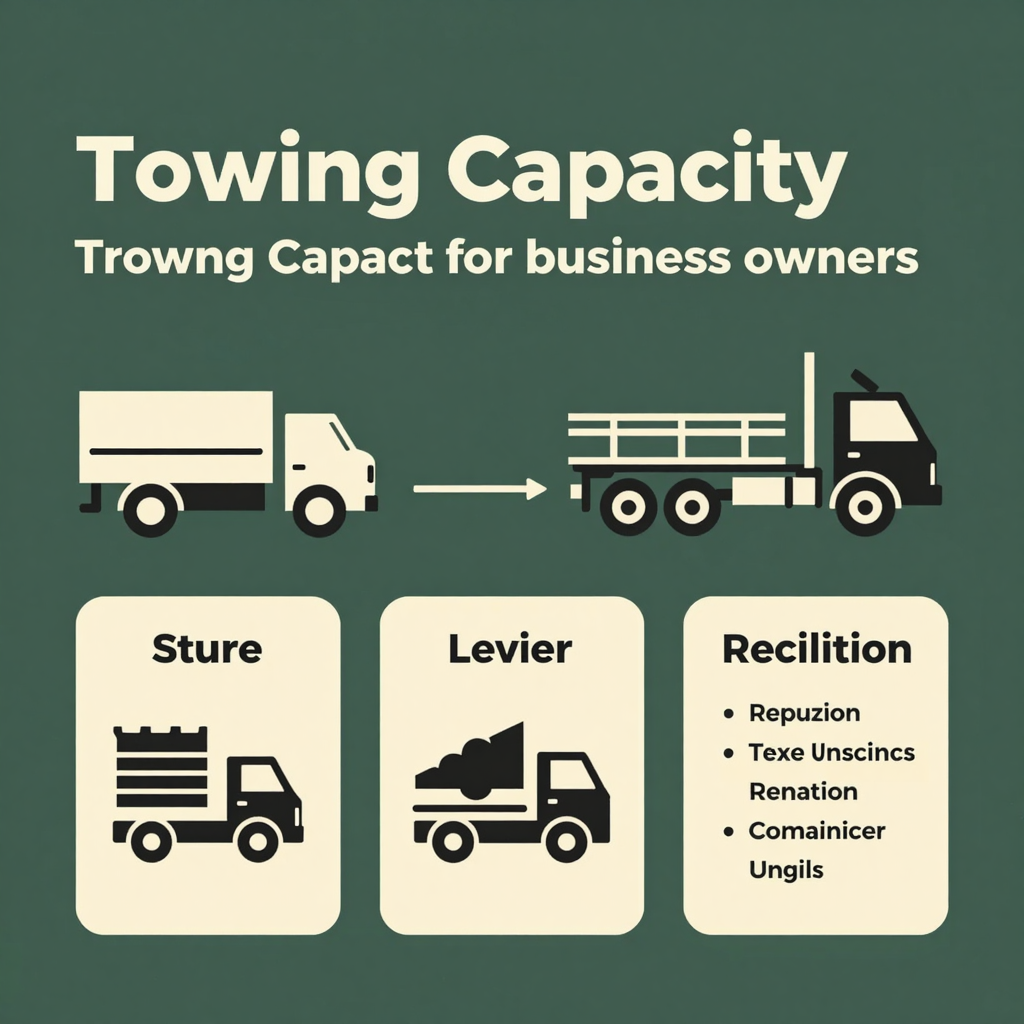
Visual Representation of Towing Regulations
Conclusion
Staying informed about local regulations regarding towing capacity is crucial for business owners. Regularly review and update knowledge on these regulations to maintain compliance and ensure safe towing practices. Relevant resources and further guidance can be sought from local regulatory bodies or industry associations specialized in towing services.

Understanding these regulations will navigate the complexities of towing operations effectively.
This overview of towing capacity regulations aims to provide essential information to help business owners stay compliant and safe.
“Understanding your vehicle’s towing capacity is crucial for safe towing. Many accidents occur simply because owners exceed their vehicle’s limits. Always consult your owner’s manual to know the exact capacity.”
- Michelle Sullivan, Towing Expert
For more information regarding safe towing practices and understanding your vehicle’s specifications, you can refer to our towing services in Burke or our Manassas services.
Common Misconceptions About Towing Capacity
When it comes to towing capacity, many business owners make critical errors that can lead to unsafe situations and financial repercussions. Understanding towing capacity is not merely about knowing the numbers; it also involves grasping what those numbers imply under real-world conditions. Here are some prevalent misconceptions that can affect business operations, along with relatable anecdotes to underline their significance.
Misconception 1: Towing Capacity Is Absolute
A dominant myth persists that the advertised towing capacity of a vehicle is a hard limit that can be pushed to the nth degree. However, sources like Isuzu Trucks clarify that actual towing capacity can be impacted by factors such as vehicle weight, terrain, and load distribution. For example, a local landscaping business owner bought a pickup truck with a 10,000-pound towing capacity, using it to tow a heavy trailer. He did not account for his crew’s weight and the loaded equipment in the truck bed. During a job, the truck struggled up a hill, leading to mechanical issues and downtime.
Misconception 2: You Can Upgrade Your Hitch for Extra Capacity
Another frequent error involves the belief that merely upgrading the hitch will increase the vehicle’s towing capacity. According to Andersen Hitches, this is a misconception. The vehicle’s construction and specification define its limits. A construction company owner thought that switching to a heavy-duty hitch would allow him to tow more than his truck could handle. Unfortunately, he ended up putting his truck and employees at risk, leading to an accident that could have been easily avoided.
Misconception 3: Towing Capacity Is Unaffected by Additional Cargo
Many business owners mistakenly assume that the towing capacity is only relevant for the trailer and ignores the weight they are carrying in their truck. A restaurant owner decided to tow a food trailer loaded with equipment while carrying a few extra boxes in her truck’s bed. She believed the truck could handle it since it was within the specified towing capacity. Suddenly, while navigating through a heavy traffic area, her truck overheated and lost brake efficiency because it was overloaded beyond its safe operational limits.
Misconception 4: Weight Distribution Doesn’t Matter
Weight distribution plays a crucial role in towing safety. A common belief is that as long as you are within the tow limits, you are good to go. Yet, poor weight distribution can lead to trailer sway and loss of control. A delivery service owner learned this the hard way when cargo was improperly loaded in the trailer, causing it to sway dangerously while making a turn. This incident not only endangered lives but also damaged the cargo and the truck.
Conclusion: The Importance of Accurate Knowledge
Educating yourself about the towing capacity of a vehicle isn’t merely a formality; it is fundamental to ensure safety and efficiency in operations. Miscalculations can lead to costly repairs, downtime, and severe accidents. To maintain operational integrity, business owners must seek reliable information and respect the limits defined by the manufacturers. For more insights on local towing services, consider Burke Towing Service or Washington DC Towing.
This careful cognizance about towing capacity can keep business operations running smoothly and, most importantly, safely.
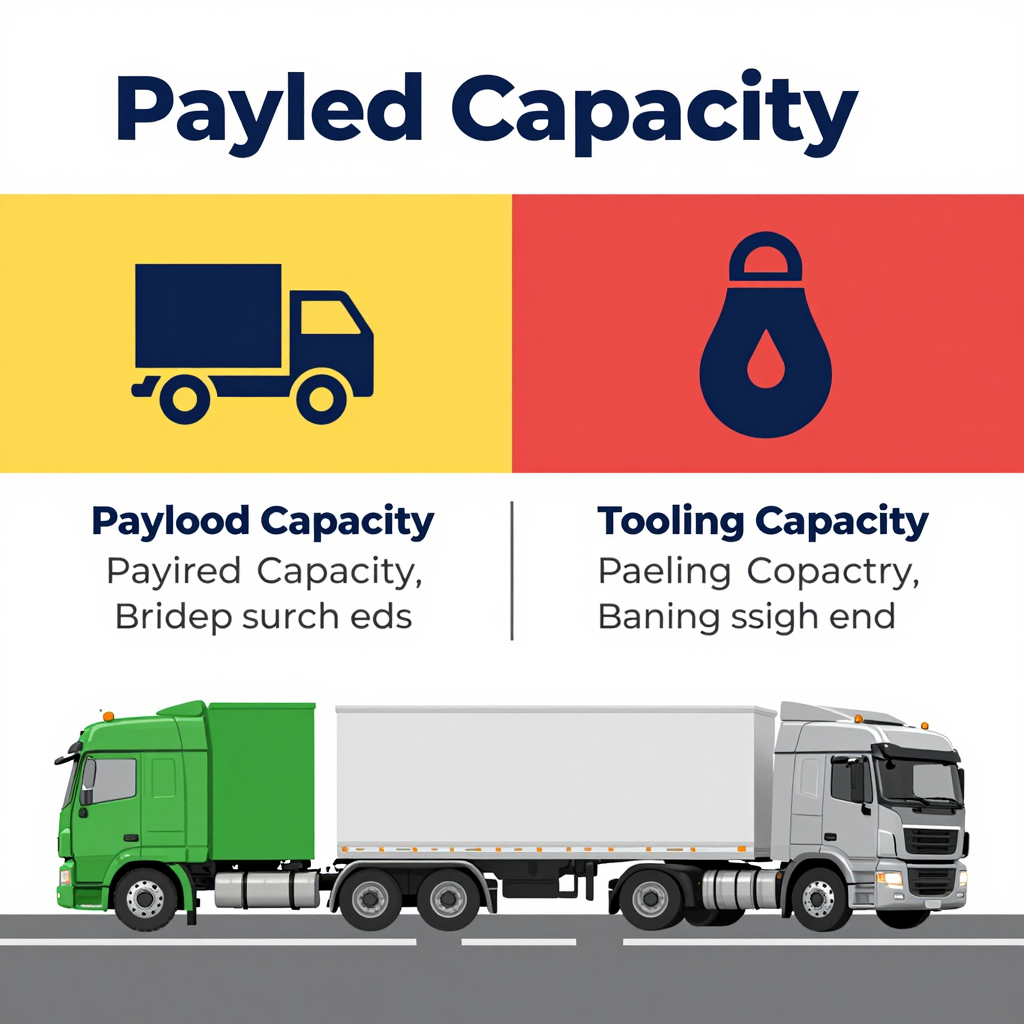
An infographic visually representing the difference between payload and towing capacity to enhance understanding for business owners. This image clarifies the concepts and their significance in the context of towing, particularly for those involved in business operations that require these metrics.
Conclusion: Understanding Towing Capacity Matters
Understanding your vehicle’s towing capacity is crucial for ensuring both safety and compliance, especially for business owners who rely on effective transportation. The towing capacity includes not only the weight of what you are towing but also the weight of the truck and any cargo it carries. Ignoring these limits can lead to severe consequences, including accidents due to overloading, legal liabilities, and increased costs related to repairs and insurance.
Recent statistics illustrate the gravity of this issue:
- China reports that over 80% of truck-related crashes result from overloading.
- Nigeria experienced over 10,000 crashes attributed to overloaded vehicles in 2023.
- India anticipates 12,000 deaths in 2025 caused by overloading issues.
In the world of towing, knowledge is more than just power; it’s safety and responsibility. A thorough understanding of your vehicle’s specifications, especially its towing capacity, helps in maintaining stability and reducing the risk of accidents. Moreover, it emphasizes the importance of making informed decisions regarding the loads you transport.
As you manage your business, consider regularly reviewing your towing practices and vehicle specifications. Understanding your towing capacity shouldn’t just be a one-time task, but an ongoing process to ensure operational safety and efficiency.
Call to Action
If you would like to learn more about towing capacity and ways to optimize your business’s transportation needs, don’t hesitate to reach out to us. Our team at Ace Towing is here to provide comprehensive support and solutions tailored to your requirements. Additionally, check out our Burke Towing Service for more information on how we can assist.
Chart: Overloading Related Crashes and Deaths by Country

This chart highlights overloading-related accidents in various countries, emphasizing the importance of adhering to towing capacity limits.