
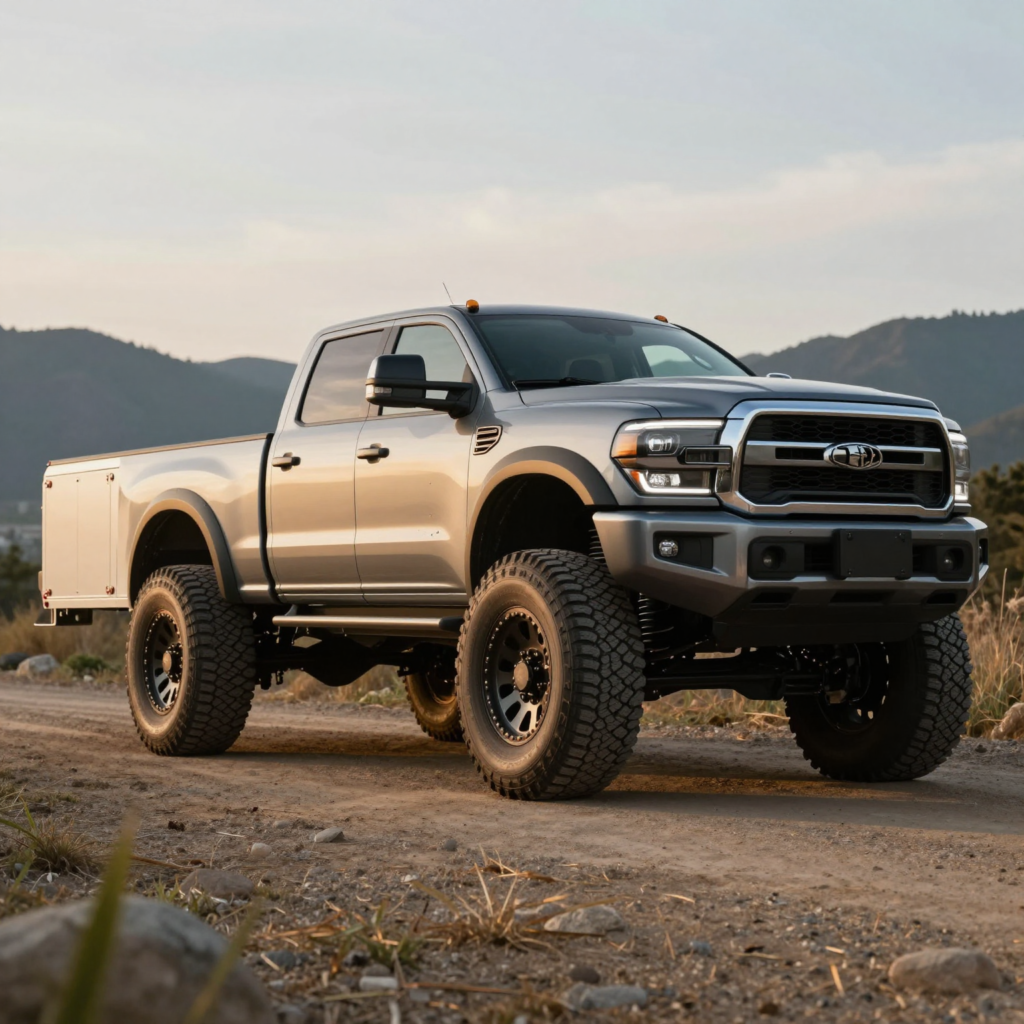
Introduction
Have you ever wondered how lifting a truck impacts its towing capacity? This question holds particular significance for business owners who rely on fleet vehicles to meet their daily operational needs. When considering modifications like lifting a truck, it’s crucial to understand the potential implications on towing performance. While a lifted truck may provide enhanced off-road capabilities and a commanding presence on the road, could it inadvertently compromise the very towing capacity that many businesses depend on? This exploration into the relationship between lifting a truck and its towing ability is more than just a technical inquiry; it directly affects efficiency and effectiveness in business operations. As we delve deeper, we will examine key factors that come into play, ensuring that business owners make informed decisions when it comes to their fleet vehicles. For those seeking reliable towing services, you can learn more about our offerings in the Washington DC area and explore how we can support your towing needs effectively.
Lifting trucks can be a popular modification, especially among business owners looking to enhance their vehicles for both performance and aesthetics. However, there are several misconceptions about how lifting affects towing capacity that can influence decisions. Here are some common myths:
-
Lifting Your Truck Doesn’t Affect Towing Capacity: Many believe that lifting a truck has negligible effects on towing capacity. In reality, a suspension lift raises the truck’s center of gravity, which can lead to decreased stability and complications while towing (source).
-
All Lifted Trucks Have the Same Towing Capabilities: It’s a misconception that all lifted trucks maintain the same level of towing capacity. The impact on towing varies based on the type and extent of the modifications, such as lift height and suspension changes (source).
-
Tire Size Doesn’t Matter: Some truck owners assume that only lifting affects towing capability, ignoring the role of oversized tires. Larger tires can change the truck’s gear ratio, leading to reduced towing power and efficiency (source).
-
You Can Always Exceed Manufacturer Towing Specs: Another common belief is that you can always exceed the manufacturer’s towing specifications with a lifted truck. This can be dangerous and is often misleading, as towing beyond specs can lead to mechanical failures and safety issues (source).
-
Handling is Not Affected: Many lift truck owners assume that handling remains unaffected. In fact, the higher center of gravity not only impacts towing but can also complicate handling, particularly in sharp turns or on uneven terrains (source).
Understanding these misconceptions is crucial for business owners who rely on their trucks for towing and want to ensure safe and efficient operations. To learn more about how modifications might impact your towing needs, check out our towing services in Alexandria or Burke Towing.
With accurate information and considerations, you can make informed decisions that align with your business’s operational demands.
Understanding the Impact of Lifting a Truck on Towing Capacity
When business owners consider lifting their trucks, whether for off-road capabilities or aesthetic improvements, it’s crucial to understand how these modifications impact towing capacity. Lifting a truck alters several dynamics, primarily weight distribution, suspension geometry, and may necessitate additional upgrades to maintain towing performance.
Weight Distribution
One of the primary effects of lifting a truck is the alteration of weight distribution. When a truck is lifted, the center of gravity is elevated. This can lead to an imbalance when towing, potentially causing the back of the truck to sag under heavy loads. Effective weight distribution is essential for safe towing; if the weight is not evenly distributed, it can compromise control and stability. According to a source from RealTruck, a suspension lift can significantly reduce towing capacity due to the changes in how weight is transferred across the vehicle.
Suspension Changes
Suspension modifications are common when lifting a vehicle. Lifting typically involves changing coil springs or leaf spring setups which can alter the handling characteristics of the vehicle. Softening of a truck’s suspension for off-road use can induce n sagging under load when towing, resulting in reduced contact between the tires and the road.
Furthermore, a higher suspension can lead to an increase in required hitch height, which may necessitate adjustments to the trailer setup. Failure to accommodate these changes can result in an unsafe towing scenario, impacting both vehicle performance and safety.
Potential Need for Upgrades
To mitigate the impact on towing capacity, business owners may need to consider a variety of upgrades. These might include:
- Airbag suspensions: Adding air helpers can prevent sagging under load and help maintain a level ride height.
- Weight distribution hitches: These can help distribute the weight of the trailer more evenly across the truck’s axle.
- Upgraded brakes and tires: Enhanced braking systems and appropriately sized tires for lifted trucks can improve overall towing stability.
It’s important to note that not all lifting methods affect towing capacity equally. For instance, leveling kits typically have a minimal impact on towing capabilities compared to more pronounced suspension lifts. As outlined by 777 Towing, each 2 inches of lift can result in a 10% deduction from the payload rating, which directly translates to your towing capabilities.
Conclusion
In summary, while lifting a truck can enhance its aesthetics and off-road capabilities, it’s crucial to carefully consider how these modifications impact towing capacity. Understanding changes in weight distribution, potential suspension changes, and necessary upgrades can help maintain safe and efficient towing performance. For business owners who rely on their trucks for towing purposes, maintaining compliance with the manufacturer’s towing limits and making appropriate adjustments after any lift is essential for safety and performance.
Towing Capacity Comparison: Standard vs. Lifted Truck
| Factor | Standard Truck | Lifted Truck |
|---|---|---|
| Towing Capacity | Up to 12,000 lbs | Reduced by 10%-30% |
| Weight | Generally weighs around 5,000 lbs | Often nears 6,500 lbs |
| Load Impact | Efficient braking and handling | Increased braking distance |
| Modifications | Minimal, factory standard | Suspension kits, larger tires |
| Center of Gravity | Lower, stable | Higher, less stability |
| Aerodynamics | Optimized for towing | Increased drag, more wind resistance |
Key Differences
- Towing Capacity: A lifted truck typically sees a reduction in its towing capacity, primarily due to the change in its height and center of mass. According to the data, it can lose anywhere from 10% to 30% of its original capacity post-lift.
- Weight Impact: A lifted truck often weighs more than its standard counterpart, affecting its overall towing efficiency.
- Load Impact: Braking distances increase with lifted trucks due to the change in weight distribution and center of gravity, which can impair handling.
- Modifications: Lifted trucks require more modifications, such as suspension upgrades, which can lead to changes in how they perform under load.
This comparison provides insight into how lifting a truck can affect its towing capabilities. For business owners looking to utilize trucks for towing purposes, it’s essential to balance performance with practical needs. For more details on towing services available, you may want to learn more about our Burke towing service or check out towing services in Arlington.
Legal Regulations Related to Truck Modifications
When it comes to truck modifications, especially those that enhance towing capabilities, business owners must navigate a complex landscape of legal regulations. These laws not only impact the truck’s performance but also impose responsibilities on owners to ensure safety and compliance.
Towing Capacities and Modification Regulations
Modifying a truck can significantly affect its towing capabilities. Changes such as lifting the vehicle or altering its suspension can lead to alterations in the truck’s center of gravity and weight distribution. It is essential for business owners to adhere to manufacturer specifications regarding towing capacities. Typically, the recommended tongue weight for towing should be between 10-15% of the total trailer weight, as this ensures optimum stability and handling during transport. Ignoring these specifications can expose businesses to legal liabilities should an accident occur source.
Truck modifications may require inspections and approvals. For instance, the Land Transport Authority outlines certain modifications that need certification to ensure they meet safety and emissions standards. Business owners are encouraged to consult local regulations to avoid penalties and ensure their modifications are compliant with the law. Structures, used to distribute weight from towed items, need to be designed according to safety guidelines to maintain structural integrity and overall performance source.
Safety Regulations for Protecting Lives and Property
Regulatory bodies enforce strict safety measures concerning truck modifications and towing operations. Some critical regulations include:
-
Weight Distribution: Employing weight-distribution hitches can minimize swaying and enhance stability. As per safety guidelines, keeping the total vehicle weight around 80% of its maximum towing capacity is recommended for safety during heavy towing operations.
-
Inspection Requirements: Many states mandate regular inspections for modified vehicles to ensure compliance with safety standards. This includes checking both the truck and any trailers involved in towing.
-
Driver Training: It’s vital for business owners to ensure their drivers are adequately trained in handling modified vehicles. Qualified drivers are less likely to make errors that could lead to accidents, furthering a company’s legal responsibilities and safeguarding both lives and property source.
Business owners should prioritize understanding these regulations to mitigate risks and enhance operational safety, ultimately protecting their assets and maintaining the integrity of their towing services. Compliance with such regulations not only safeguards the company against lawsuits but also establishes a reliable reputation within the industry.

For more information on safe towing and truck regulations, check out our services in Burke and Manassas.

User Testimonials on the Benefits of Lifting Trucks for Towing
“Since I lifted my Ford F-250 Super Duty, my towing experience has completely transformed! The upgraded suspension allows me to haul my 12,000-pound trailer with ease, and I’ve noticed a significant reduction in swaying, even on the highway. I primarily use my truck for towing horses to shows, and the extra height gives me more visibility and confidence on the road. It’s made my work not only easier but also safer for my horses. If you’re considering lifting your truck, I highly recommend it for any serious towing needs!”
- Mark T., Equine Business Owner
This testimonial underscores the real-world advantages of lifting a truck, particularly in terms of improved towing stability and capability. For business owners who rely on their trucks for heavy loads, investing in a lift kit can yield significant benefits. For instance, enhanced suspension not only supports heavier loads but also improves overall handling and safety while towing, making it a worthwhile consideration for those in various industries.
For more details on our towing services, learn about our Burke towing service or explore services in Washington, DC.
In conclusion, lifting a truck indeed has significant implications on its towing capacity and performance. Key factors to consider include the raised center of gravity that can lead to decreased stability and challenges during towing, especially when using substantial lift kits. Although minor leveling kits may cause just minimal reductions in towing capabilities, understanding the physics behind lift setups and proper engineering is vital for maintaining towing efficiency. Therefore, business owners who rely on reliable towing services must take these factors into account when modifying their vehicles. If you’re considering lifting your truck or want to understand how it affects your towing capabilities, don’t hesitate to reach out to us for expert assistance tailored to your vehicle needs. Together, we can ensure that your truck continues to perform optimally and meet your business’s requirements.
When it comes to lifting trucks, a common question among business owners and truck enthusiasts is how these modifications can impact towing capacity. Expert opinions on this topic are crucial for understanding the complexities involved. Here’s a summary of what industry professionals and mechanical engineers have noted regarding this issue.
The Basics of Lifting and Towing
Lifting a truck generally involves modifications to its suspension system, such as adding lift kits. According to experts from RealTruck, “suspension lifts can significantly reduce towing performance.” They note that while leveling kits might have a minimal effect on towing capacity, a full lift alters the truck’s center of gravity, often leading to less stability during towing operations.
Increased Height, Reduced Stability
One primary concern for lifted trucks is the increase in height, which raises the vehicle’s center of gravity. As highlighted by mechanical engineers from Trucks Only, this higher center of gravity “decreases stability,” making towing more challenging. The article stresses that drivers must remain mindful of their vehicle’s handling, especially when navigating turns or uneven terrain where the risks are elevated.
Towing Performance: A Physics Perspective
The physics behind lifted trucks can also play a significant role in shaping towing performance. An article from Lifted Trucks elaborates on how alterations from lift kits can increase wind resistance due to the truck’s higher profile, “which can multiply aerodynamic drag and adversely impact performance while towing.” It emphasizes that understanding the physics of towing with modifications is essential for maintaining optimal towing capacities.
Safety Considerations
From an engineering standpoint, safety is another critical factor. Lifted trucks typically require longer stopping distances, particularly when towing heavy loads. A guide from Lifted Trucks notes that “lifted trucks will have longer stopping distances, which increase when towing.” Therefore, drivers are advised to adopt cautious driving practices, allowing for more space during braking to ensure safety.
Conclusion
In summary, lifting a truck does affect its towing capacity, primarily through changes to the vehicle’s center of gravity, stability, aerodynamics, and required stopping distances. Thus, business owners and truck enthusiasts should consider these factors seriously before modifying their vehicles. For those looking to tow safely and efficiently with a lifted truck, it’s critical to consult with professionals and consider modifications that minimize adverse effects on towing capabilities.
For more detailed insights on towing services and related topics, check out our Burke Towing Services or Manassas Towing Options.
By understanding these elements, owners can make informed decisions and maximize their truck’s performance both on- and off-road.
Towing Capacity Trends in Trucks
Understanding the Impact of Modifications
As truck owners, especially business owners who rely on towing services, it’s crucial to understand how lifting a truck can affect its towing capacity. Over the years, advancements in truck design and engineering have led to significant increases in towing capacities. The table below illustrates key data points reflecting these trends, particularly focusing on popular models like the Ford F-150 over the years.
Towing Capacity Data Trends
Here’s a look at the towing capacity trends of the Ford F-150, highlighting the evolution from 2000 to 2023:
| Model | Year | Towing Capacity (lbs) | Notes | Source |
|---|---|---|---|---|
| Ford F-150 | 2000 | 5,000 | Baseline figure within the common 5,000-14,000 lb range observed for F-150s | source |
| Ford F-150 | 2015 | 12,200 | 2015-2020 F-150 towing capacity reported up to 12,200 lb | source |
| Ford F-150 | 2023 | 14,000 | Ultimate towing capacity with certain configurations (e.g., 3.5L EcoBoost) | source |
The increase in towing capacity is primarily due to advanced materials and engineering improvements that allow modern trucks to tow heavier loads without compromising safety.
Visual Representation of Data
Below is a chart that visually represents the trends in towing capacity for the Ford F-150:

This chart highlights significant improvements in towing capacity:
- 2000: Towing capacity starts at 5,000 lbs.
- 2015: Capacity increases to 12,200 lbs, showcasing substantial advancements.
- 2023: The latest figures reveal a peak capacity of 14,000 lbs, thanks to modernization in design and tech.
Understanding these trends helps business owners make informed decisions about which trucks are best suited for their towing needs. For more assistance, you can check out our towing services in Alexandria or find a reliable towing company in Washington, DC.