
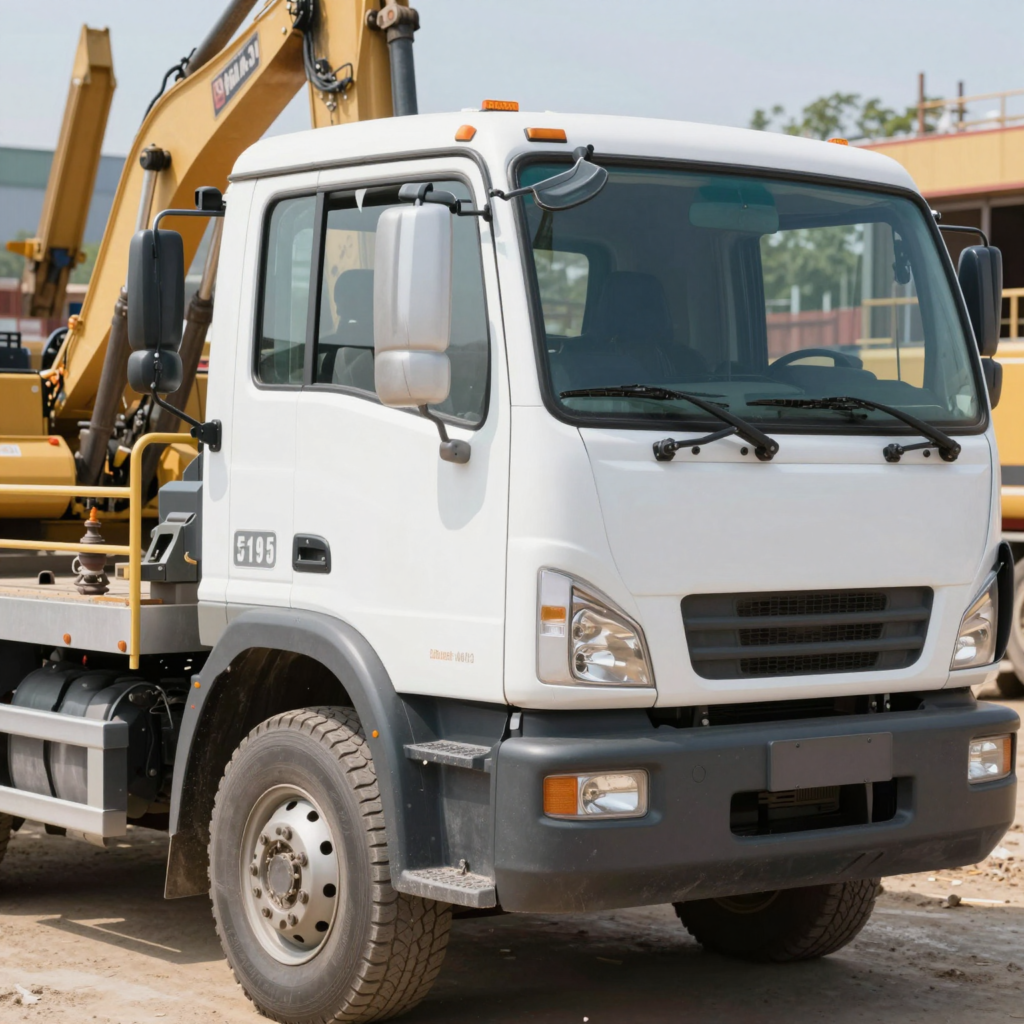
In the fast-paced world of construction and agriculture, having the right tools at your disposal is essential for success. A tow truck is not just a vehicle; it is a lifeline that can significantly enhance operational efficiency, minimize downtime, and provide crucial support in daily business operations. Whether moving heavy machinery or assisting in emergency breakdowns, owning a tow truck enables business owners in these industries to maintain smooth workflows and be prepared for unexpected challenges. Imagine a scenario where a critical piece of equipment fails onsite, leading to halted projects and financial losses. With a tow truck at your side, not only can you respond swiftly, but you can also save time and money that would otherwise be spent on external towing services. Investing in a tow truck not only reflects a commitment to your business but also empowers you to offer competitive services that can set you apart from others in the field. For those looking to explore options for towing services, discover more here and learn about local services in your area.
| Type | Average Price Range (USD) | Key Features |
|---|---|---|
| 5-8 Ton Winch Tow Truck | $18,000 – $39,800 | Equipped with a hydraulic winch system; typically 4×2 drive configuration; diesel-powered; suitable for light to medium-duty towing and recovery operations; often features reinforced frames and high-capacity winches; available in left-hand or right-hand drive; emission standards include Euro 2/3/4/5; brands include Sinotruk HOWO, JAC, and Dongfeng. |
| 10 Ton Rollback Flatbed Tow Truck | $15,500 – $52,900 | Features a rollback (crane-style) flatbed for lifting and transporting vehicles; designed for heavy-duty recovery; includes a powerful hydraulic lift system; typically equipped with a diesel engine and manual transmission; suitable for urban and roadside recovery; available in various configurations including single or dual axles; often used by tow companies and emergency services. |
| 2-Car Carrier Wheel Lift Rollback Flatbed Tow Truck | $15,500 – $29,000 | Designed to carry two vehicles simultaneously using a wheel-lift system; rollback flatbed allows secure loading; ideal for auto transporters and dealerships; features robust frame and hydraulic systems; commonly powered by diesel engines; standard configurations include 4×2 or 6×2 drive; built for durability and efficiency in commercial towing operations. |
Visual Comparison
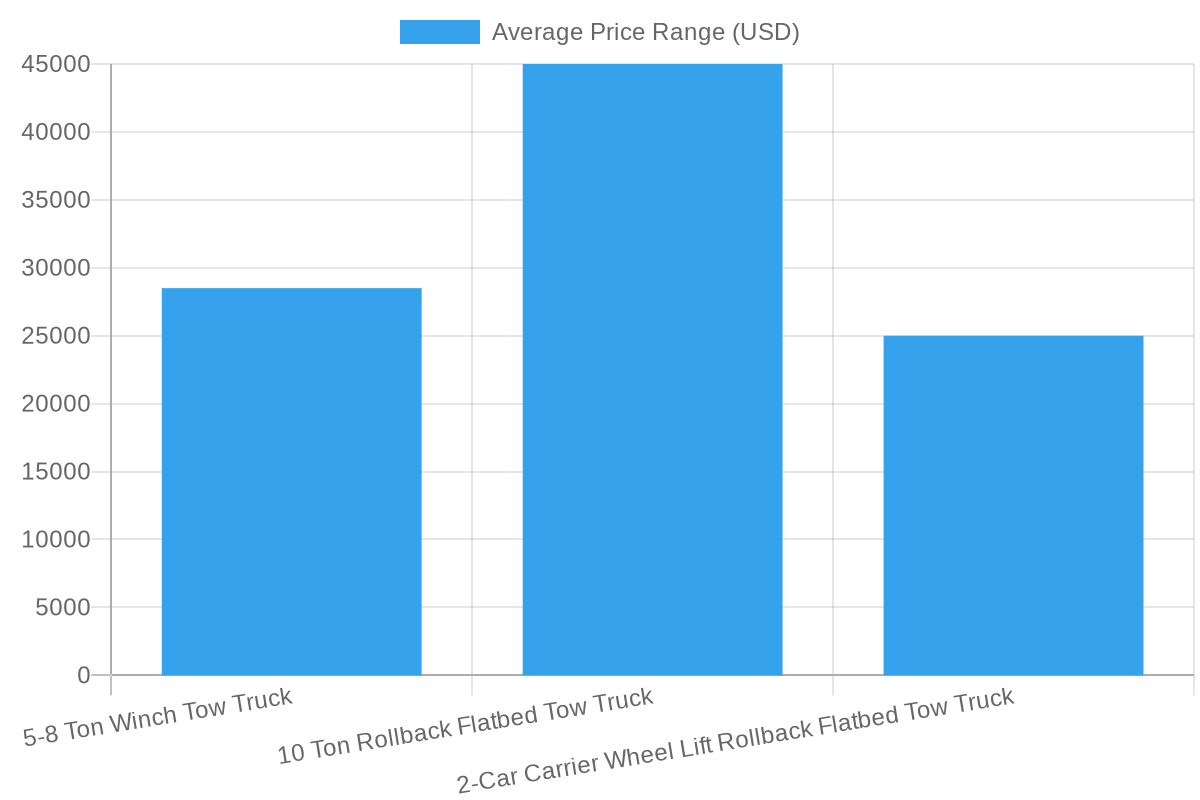
Sources: Alibaba.com, Made-in-China.com, and supplier listings from Jinan Quan Yu Import and Export Co., Ltd., Hubei Manten Automobile Co., Ltd., and Hubei Shenghui Special Automobile Co., Ltd. (as of May 2026).
Initial Costs of Purchasing a Tow Truck
Purchasing a tow truck involves several initial costs that business owners should consider to effectively evaluate their budgets. These costs vary significantly based on the price of the truck, financing options, and local regulations, encompassing down payments, sales taxes, registration fees, and additional expenses. Here’s a comprehensive breakdown:
Down Payments
Typically, the down payment for a tow truck can range from 10% to 20% of the total purchase price. For a new tow truck priced at approximately $20,000, the down payment would be between $2,000 and $4,000. Here’s how the down payments break down based on different truck prices:
| Price Range | Down Payment (10%) | Down Payment (20%) |
|---|---|---|
| $18,000 | $1,800 | $3,600 |
| $25,000 | $2,500 | $5,000 |
| $39,800 | $3,980 | $7,960 |
Taxes
In many states, buyers are required to pay sales tax on the vehicle price, typically ranging from 5% to 10%. For example, purchasing a $25,000 tow truck at a 7.5% sales tax rate would incur an additional $1,875 in taxes. Here are specific tax implications detailed in the following chart:
| Price Range | Sales Tax (7.5%) |
|---|---|
| $18,000 | $1,350 |
| $25,000 | $1,875 |
| $39,800 | $2,985 |
Registration and Fees
Business owners should also factor in registration and other associated fees. Registration often costs around $150 to $300 depending on the state. Additionally, other miscellaneous fees might include inspection, title transfer, and local permits, adding up to around $200 to $400 on average.
Total Initial Costs
Combining these various components gives prospective buyers a clearer picture of the financial requirements needed to launch their towing business. The total initial costs can quickly escalate based on the truck’s price and applicable taxes and fees:
- For a tow truck priced at $18,000, the total initial cost can reach approximately $5,750 (considering a 20% down payment) plus taxes and fees.
- For a $39,800 truck, that total can exceed $11,645 if similar conditions are considered.

Conclusion
Achieving clarity on the initial costs associated with purchasing a tow truck is crucial for business owners looking to enter the towing industry. Understanding these expenses allows for better financial planning and can significantly affect decisions on financing and operational viability. If you’re ready to take the next step, consider our towing services or contact our company for more insights on how to get started!

Ongoing Costs of Tow Truck Ownership
Owning a tow truck isn’t merely about the initial purchase price; ongoing costs are crucial to understand for long-term sustainability and profitability. Here, we delve into three main areas of ongoing expenses: maintenance, insurance, and fuel costs.
Maintenance Costs
Maintenance is perhaps the most significant ongoing cost for tow truck owners. The average annual maintenance expense for a tow truck is between $12,000 and $18,000, depending on the type of truck and usage. This figure encompasses various components, including:
- Routine Maintenance: This includes essential services like oil changes, brake inspections, and fluid checks, often costing between $8,000 and $12,000 annually.
- Major Repairs: Unforeseen breakdowns like engine or transmission issues can add substantial costs-expect to budget an additional $2,000 to $5,000 for unexpected repairs. Proper preventive maintenance can save cash in the long run; proactive upkeep can minimize long-term repair bills by up to 30%.
The frequent use of tow trucks can lead to higher wear and tear on parts, especially tires, with costs reaching up to $5,000 annually. To ensure longevity and efficiency, operators are encouraged to follow a strict maintenance schedule, including regular inspections of winches and hydraulic systems, which are critical for towing operations. Learn more about the preventive measures here.
Insurance Costs
Tow truck insurance is another crucial expense, generally ranging from $3,500 to $12,000 annually. This wide range depends on various factors:
- Type of Coverage: Basic liability coverage costs less than comprehensive coverage, which encompasses physical damage and cargo insurance.
- Business History: Operators with a clean driving record can often negotiate lower premiums, while those with more claims may see rates increase significantly.
Typically, a well-insured tow truck owner will pay between $6,000 and $10,000 per year, which is essential for protecting assets and ensuring compliance with local laws. Investing in safety measures such as GPS tracking and proper training can also help reduce insurance costs by up to 15%. For more information on insurance types, check out this guide on commercial vehicle insurance.
Fuel Costs
Fuel is a significant ongoing expense for tow truck operators, particularly with diesel fuel prices fluctuating. A well-maintained tow truck averages about 6 to 8 miles per gallon; with trucks often driven over 20,000 miles annually, fuel costs can range from $8,000 to $12,000 per year at a diesel price of approximately $4.25 per gallon.
To mitigate fuel costs, operators should consider:
- Driving Practices: Implementing fuel-efficient driving can reduce consumption.
- Alternative Fuels: Exploring options like compressed natural gas (CNG) can sometimes offer cost savings, albeit with higher initial setup costs.
Understanding these ongoing costs is vital for tow truck owners as they directly impact overall profitability. Ensuring rigorous maintenance, adequate insurance coverage, and efficient fuel management not only controls expenditures but also saves money over time, enabling businesses to thrive in the competitive towing industry.

This chart illustrates the total cost of owning a tow truck over five years, breaking down the various categories of expenses involved in the ownership experience.
Financing Options for Tow Trucks
Purchasing a tow truck is a significant investment for any business owner in the towing industry. It’s important to consider various financing options that can help you manage this expense effectively. Here, we will discuss some of the most common financing methods available:
1. Traditional Loans
One of the most popular financing options is securing a traditional loan from banks or credit unions.
- Terms: Typically range from 3 to 7 years.
- Interest Rates: Can vary widely, generally from 6% to 18%. According to recent data, the average interest rate has been around 10.5% in 2023.
- Loan Amounts: Average amounts for tow truck purchases can range from $25,000 to $200,000, depending on the model and specifications of the truck.
Obtaining a loan allows you to own the truck outright, which can be beneficial as it adds to your company’s assets.
2. Leasing Options
Leasing is another viable alternative, particularly for those who may want to minimize upfront costs.
- Lease Terms: These can be structured as short-term leases or lease-to-own agreements that allow you to build equity in the truck over time.
- Lower Upfront Costs: Typically, leasing requires less initial capital than purchasing outright. This can be an attractive option for new businesses.
- Tax Benefits: Lease payments may be deductible as a business expense.
Equipment finance companies often provide leasing options tailored specifically for commercial vehicles like tow trucks, potentially offering more flexibility than banks.
3. Grants
While direct grants for purchasing tow trucks are rare, some small business owners may qualify for state or local economic development programs. These programs occasionally provide incentives for businesses entering or expanding in the towing industry.
- SBA Loans: The Small Business Administration (SBA) does not directly fund grants for vehicles but does offer loan programs that can be applied toward vehicle purchases. Their 7(a) loan program can offer up to $5 million for various business needs, including buying a tow truck. This can be an advantageous route due to favorable terms like low down payments (10% or even lower) and extended repayment periods (up to 10 years).
In conclusion, securing financing for a tow truck purchase involves understanding your options. Whether you choose traditional loans, leasing agreements, or seek grants, each method has its benefits and complexities. It’s crucial to evaluate what best suits your financial situation and business goals. For more tailored advice, consider reaching out to experts like those at ACEX Towing to explore your local financing opportunities.
Conclusion: Investing in a Tow Truck
Purchasing a tow truck is a significant investment that can yield substantial returns for your business. As we’ve explored, the costs associated with a tow truck can range from approximately $5,000 to $150,000 for new units, depending on the type, brand, and features you choose. For instance, a quality rollback truck might cost around $12,000, while a small auxiliary tow truck can start at $5,000 and go upward, depending on specifications and configurations. Additionally, ongoing operational costs such as maintenance, insurance, and fuel must be factored into your budgeting considerations.
In evaluating this investment, consider not just the initial purchase price but also the potential revenue that an effective tow truck service can generate. For example, towing services generally charge between $75 to $450 based on various factors like distance and vehicle type, ensuring that a quality tow truck can quickly pay for itself through daily operations. The immediate earning potential combined with the essential nature of towing in emergency situations makes it a wise business decision that can bolster your bottom line.
With the market’s continued growth and the essential role tow services play in ensuring safe and efficient roadside assistance, the opportunity to invest in a tow truck has never been greater. If you’re ready to take the next step and ensure your business is equipped to meet demand, contact Zoomlion today for expert guidance on the right tow truck to suit your operational needs.
Don’t wait until demand spikes; prepare your business for success by investing in reliable towing solutions. Reach out now and secure your towing capabilities!
Considerations When Purchasing a Tow Truck
When business owners decide to purchase a tow truck, several critical factors must be weighed to ensure they make a sound investment. Here’s a list of key considerations that can help guide this important decision:
-
Type of Tow Truck
Identify the appropriate type of tow truck based on your business needs, such as flatbed, hook and chain, or wheel-lift trucks. Each type serves different purposes, so consider the most common towing jobs your business will handle. -
Brand Reliability
Research various brands known for producing tow trucks, such as Ford, Chevrolet, or Freightliner. Reliability and reputation in the industry can have long-term implications for maintenance and resale values. -
Cost and Finance Options
Understand the complete cost of the tow truck, including purchasing price, financing options, warranties, and insurance. Create a budget to help engage with financing companies or banks. -
Fuel Efficiency
Examine the fuel efficiency ratings and operational costs associated with your chosen models. An efficient truck can significantly reduce your overall expenses. -
Payload Capacity
Ensure the tow truck can handle the weight of the vehicles you expect to tow. Check the manufacturer’s specifications for maximum payload and towing capacities. -
Maintenance History (if used)
If purchasing a used truck, look into its maintenance history. Ascertain whether the vehicle has undergone regular servicing and any incidents that might affect its performance. -
Features and Equipment
Evaluate the features that come with the tow truck, such as towing equipment kits, hydraulic systems, and safety features to ensure they meet your operational requirements. -
Resale Value
Consider the potential resale value of the model you’re investing in. Some trucks depreciate faster than others, which can affect your return on investment when you decide to upgrade in the future. -
Local Market Demand
Research the demand for specific types of tow trucks in your area. Understanding local business requirements can better inform your purchasing decision. -
Compliance and Regulations
Be aware of local regulations and compliance requirements, such as licensing, insurance liabilities, and required equipment, to ensure you are legally operating your tow truck business. -
Warranty and Support
Investigate the warranty provided with the purchase and the availability of parts and service support in your region to prevent downtime.
By contemplating these factors, business owners can make informed decisions tailored to their operational needs and financial capabilities. For further assistance or to explore specific towing services available, learn more about our Burke Towing Service or explore options for Manassas Towing.
This careful analysis will help protect your investment and promote the long-term success of your towing business.
According to industry experts at the American Trucking Associations, “Tow trucks are indispensable assets for logistics and transportation businesses. They enable rapid response to vehicle breakdowns and accidents, minimizing downtime and lost revenue.” This emphasizes that effective towing services contribute significantly to business efficiency and overall customer satisfaction. For those investing in tow trucks, the benefits extend beyond simple recovery services; they enhance operational readiness in challenging situations.