
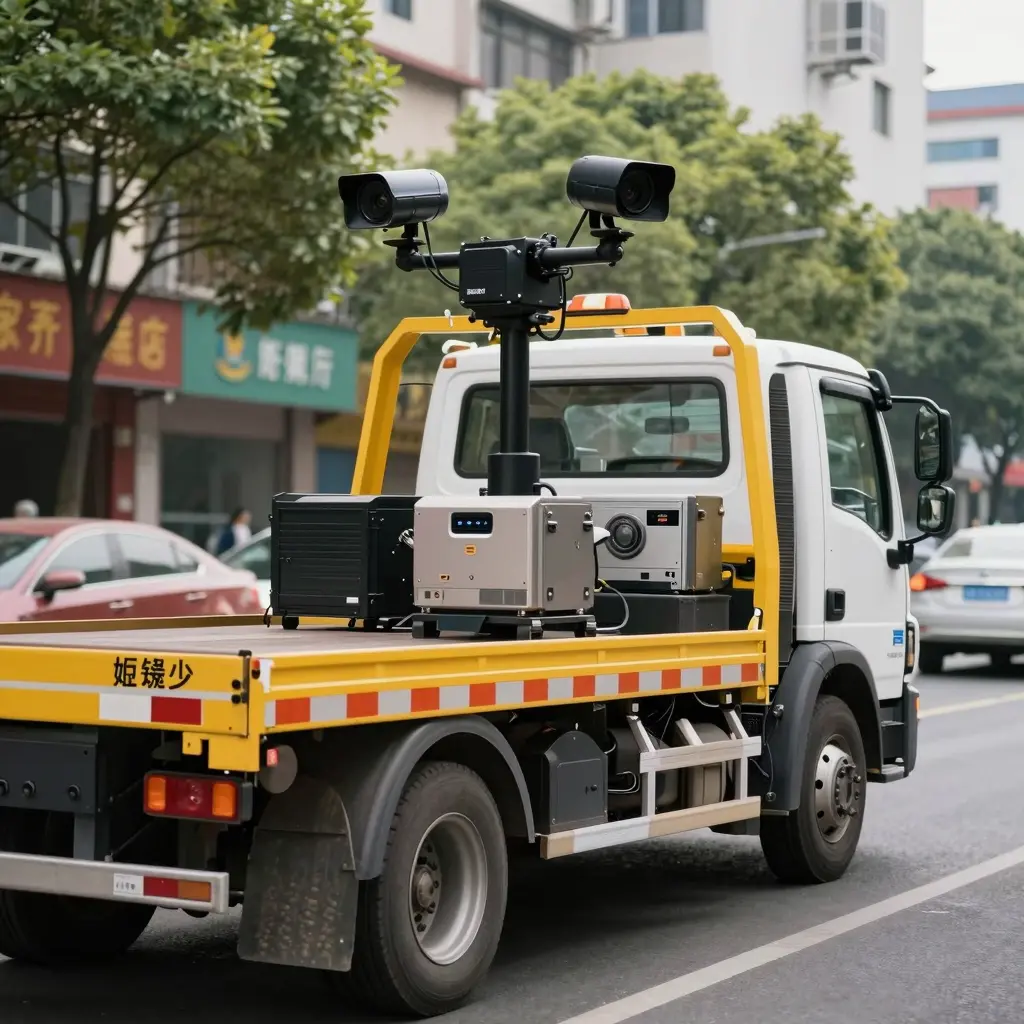
The Evolution of Tow Trucks: Safety and Surveillance Technology
Have you ever wondered how tow trucks can operate safely in busy environments while ensuring the security of both the vehicles they transport and the drivers on the road? Tow trucks have cameras-a significant innovation that intertwines technology with enhanced safety measures. In recent years, the inclusion of surveillance systems in tow trucks has not only transformed the way towing companies conduct their business but has also elevated the standards for efficiency, accountability, and safety in the industry.
The landscape of towing is undergoing a remarkable shift, driven by advancements in technology. The integration of high-definition cameras and monitoring systems within tow trucks serves multiple crucial purposes. For instance, these cameras allow operators to document the towing process visually, providing irrefutable evidence in case of disputes. This level of transparency fosters trust, reassuring clients that their vehicles are handled with care.
Moreover, safety is paramount in towing operations. Surveillance can deter malicious activities, such as theft or vandalism, that are unfortunately common in the towing business. With the capability to monitor surroundings in real-time, tow truck operators can respond more proactively to potential threats, ensuring a safer environment not just for themselves but for the public as well.
Furthermore, the innovation of cameral-equipped tow trucks is not only about security; it promotes efficiency. By offering real-time insights into operational challenges, such as traffic conditions or vehicle behavior, these technologies help tow companies optimize route planning and responses, ultimately enhancing service delivery.
As we explore this critical topic, we delve deeper into the importance of surveillance in tow trucks and how it stands to redefine industry norms. Learn more about how towing services in Burke are adapting to these technological advancements and integrating them for greater innovation in safety and operation.
The Technology Behind Cameras in Tow Trucks
Tow truck surveillance is a crucial aspect of modern towing services, enhancing safety, efficiency, and accountability. As technology continues to advance, many tow truck operators are integrating sophisticated camera systems into their fleets. Here, we delve into how cameras are integrated into tow trucks, the various types used, and their functionalities.
Integration of Cameras in Tow Trucks
Cameras are integrated into tow trucks in several strategic locations to optimize visibility and monitoring capabilities. Typically, the following aspects are considered during integration:
- Mounting Positions: Cameras are placed on the front, rear, and sides of the truck. This placement offers comprehensive coverage of the surroundings, helping operators avoid accidents during towing operations.
- Wiring and Connectivity: Cameras are usually hardwired to the truck’s electrical system, ensuring a reliable power supply. Many modern camera systems also feature wireless connectivity for easier installation and maintenance.
- Monitoring Displays: Most tow trucks are equipped with in-cab monitoring systems, allowing drivers to view real-time camera feeds. This feature contributes significantly to safety, especially in urban environments where visibility can be compromised.
Types of Cameras Used
Tow trucks utilize various types of cameras, each serving specific purposes:
-
Rearview Cameras: Essential for reversing, these cameras eliminate blind spots and reduce the risk of accidents.
-
Side Cameras: Mounted on the side mirrors or directly on the body of the truck, side cameras enhance visibility when changing lanes or executing tight maneuvers.
-
Front Cameras: These cameras help in monitoring traffic conditions ahead and assist in parking situations, ensuring that operators have a clear view of potential hazards.
-
360-Degree Cameras: Offering a complete view around the vehicle, 360-degree cameras can capture overhead and side views simultaneously. This functionality is particularly useful for towing heavy or oversized vehicles.
-
Dash Cameras: Recording the road ahead, dash cameras provide valuable evidence in case of accidents or disputes. They are increasingly becoming a staple in tow trucks for security and accountability.
Functionalities of Tow Truck Cameras
The implementation of camera technology in tow trucks comes with a range of functionalities that enhance operational efficiency and safety. Here are some key functionalities:
-
Surveillance and Monitoring: Continuous video recordings provide a reliable way to monitor operator performance and vehicle interactions. This footage can help resolve disputes with clients or other drivers.
-
Accident Prevention: By offering live feeds of blind spots and surrounding areas, cameras significantly reduce the likelihood of collisions, enhancing overall road safety.
-
Compliance and Documentation: Many towing regulations require documentation of the towing process. Cameras assist in complying with these requirements, ensuring that all activities are recorded and can be reviewed if necessary.
-
Remote Access: Advanced camera systems allow for remote access through mobile apps, enabling supervisors to monitor operations from anywhere. This feature can increase management oversight and efficiency.
-
Enhanced Decision Making: With real-time visuals, drivers can make informed decisions quickly, especially when navigating complex towing scenarios.
Importance of Technology in Tow Trucks
Incorporating camera technology in tow trucks not only improves safety but also builds customer trust. When clients see that towing companies utilize advanced technology for surveillance and monitoring, it instills confidence in the service provided. Enhanced accountability results in better customer service, as clients feel assured that their vehicles are in good hands.
In conclusion, the integration of cameras into tow trucks has transformed the towing industry. Surveillance technology not only enhances safety and efficiency but also supports compliance and accountability. For businesses looking to stay competitive, investing in tow truck surveillance technologies is not just a trend; it’s a necessary evolution in operational excellence.
Learn More
To understand the services provided by towing companies that utilize advanced technology, you can check out our towing service in Burke and towing services in Washington, DC.
This integration of cutting-edge technology in tow trucks signifies a pivotal move towards modernizing towing operations, ultimately improving service standards across the sector.
Comparison of Tow Trucks with and without Cameras
When considering purchasing a tow truck, one of the key decisions revolves around whether to opt for a model with a camera system or without. Below is a table that compares the features and benefits of each option:
| Feature | Tow Trucks with Cameras | Tow Trucks without Cameras |
|---|---|---|
| Operational Visibility | Enhanced visibility for safety and maneuverability; side cameras provide comprehensive coverage. | Limited visibility; relies on mirrors and driver’s perception. |
| Documentation Capability | Captures video evidence of towing process, including vehicle condition and procedures. | No documentation capability; relies on verbal descriptions, which can be ambiguous. |
| Accountability | Cameras provide accountability, helping resolve disputes with visual evidence. | Limited accountability; harder to defend against claims without video evidence. |
| Compliance with Regulations | Cameras can help meet safety regulations and operational guidelines. | Might not meet newer compliance requirements as effectively. |
| Driver Safety | Promotes safer driving behaviors; footage can be used for training and evaluations. | Lack of safety monitoring potentially increases risk during operations. |
| Cost of Installation and Maintenance | Higher initial costs for installation and ongoing maintenance of camera systems. | Lower initial costs, but potential costs in liability claims over time. |
| Customer Service Improvement | Offers visual proof for clients, enhancing trust and service quality. | May lead to disputes without visual backing; relies on driver assurance alone. |
| Integration with Other Technologies | Can be integrated with GPS and telematics for complete monitoring systems. | Limited integration with modern systems; more standalone operations. |
The advantages of using cameras on tow trucks significantly enhance operational efficiency and safety, as well as provide important documentation and accountability. For more information about tow trucks and optional features, you can check out the services offered in Burke Towing or Manassas Towing.
The integration of cameras in tow trucks has become a topic of increased scrutiny and regulation in recent years, reflecting broader trends in transportation safety and accountability. Adhering to these regulatory aspects is not only a legal requirement but serves as a strategic advantage for contractors and business owners in the towing industry.
Local and National Regulations
When it comes to tow truck regulations, understanding the specific requirements can vary greatly depending on the jurisdiction. Here are some key areas of focus regarding camera compliance:
-
Safety Regulations: Many jurisdictions mandate that tow trucks be equipped with rear-view cameras. This requirement is designed to enhance safety for operators and pedestrians, especially when maneuvering the vehicle in tight spaces or reversing. Some regulations may even specify the angle and resolution required for these cameras to ensure maximum visibility.
-
Privacy Laws: Operators must also consider regulations that govern the recording and storage of footage captured by these cameras. Privacy laws can vary, and it’s essential for towing companies to ensure that they are compliant with local and state laws regarding data protection. Improper handling of recorded footage can lead to penalties or lawsuits.
-
Permit Requirements: To operate legally, tow truck companies often need to obtain specific licenses and permits. This process might include demonstrating that their vehicles meet safety and equipment standards, including proper camera installations. Failing to meet these requirements can result in fines or loss of operating licenses.
-
Insurance Implications: In many cases, insurance companies may require tow trucks to be equipped with certain safety features, including cameras, as a condition for coverage. Additionally, a documented history of compliance with safety regulations can result in lower insurance premiums, benefitting business owners financially.
Benefits of Compliance
Understanding and complying with relevant camera regulations can yield numerous benefits for towing contractors and business owners:
-
Reduced Liability: Compliance minimizes risks associated with accidents. By ensuring vehicles are equipped with the required safety features, including cameras, companies can protect themselves from potential liability lawsuits.
-
Enhanced Reputation: Businesses that adhere to regulations build a positive reputation in the community, which can lead to increased customer trust and business opportunities. Clients are more likely to choose a service that prioritizes safety and compliance.
-
Operational Efficiency: Establishing compliance practices can help streamline operations. By adhering to industry standards, towing companies often adopt more efficient processes, enhancing their overall operational effectiveness.
-
Improved Safety: A focus on compliance often leads to improved safety protocols that benefit both operators and the public. Fewer accidents not only lower costs associated with repairs and insurance but also foster a safer environment for everyone involved.
In conclusion, the focus on camera compliance in tow trucks is not just about meeting regulatory obligations; it’s also about leveraging those regulations to create a safer, more efficient, and reputable towing business. As regulations evolve, staying informed and adaptable will be vital for business owners in the towing industry. For those based in Virginia and looking for reliable towing services, consider exploring our local Burke Towing Service or Manassas Towing options to ensure compliance and safety in your towing operations. This strategic approach not only helps in adhering to regulations but also positions businesses for long-term success in a competitive market.
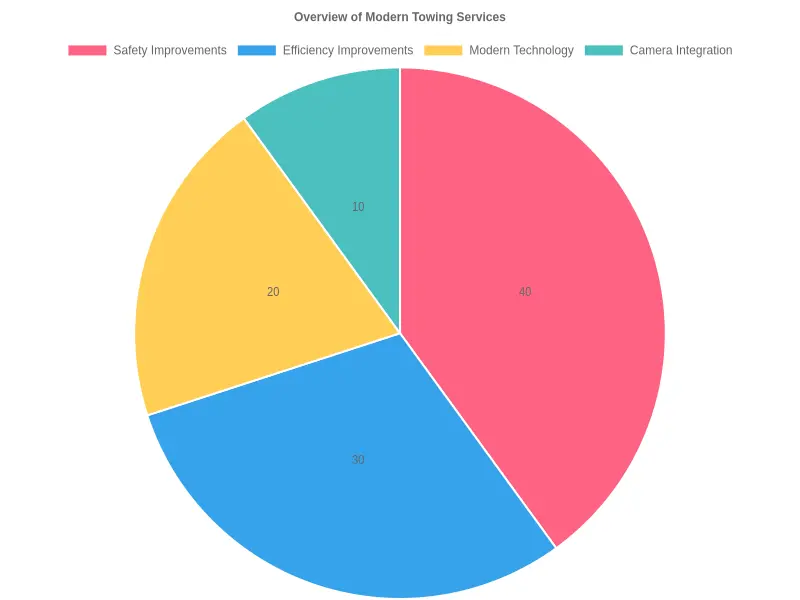
This image represents a tow truck equipped with a camera, highlighting the integration of technology in modern towing services. It emphasizes the improvements in safety and efficiency provided by such technology.
Tow truck cameras are becoming an essential tool for many businesses in the towing industry. The integration of these systems not only boosts operational efficiency but also enhances the safety and reliability of towing services. Here’s a detailed look at the myriad benefits of tow truck cameras for business owners.
-
Improved Safety
Cameras provide enhanced visibility during towing operations, which can help prevent accidents. This is particularly crucial in low-light conditions or during inclement weather. By having real-time visual feed, drivers can make better decisions, ensuring their safety and that of others on the road. This aspect of improved safety drastically reduces liability risks associated with towing. -
Evidence Collection
Cameras installed on tow trucks can capture incidents as they happen, providing critical documentation in the event of disputes or investigations. Such evidence is beneficial in handling insurance claims, lowering the chances of fraudulent claims against the towing company. This ensures that the towing service remains trustworthy and accountable. -
Enhanced Customer Service
Transparency is vital in building customer trust. With cameras recording the towing process, business owners can assure customers that services are performed professionally and safely. Visual documentation can be shared with clients, enhancing their experience and satisfaction with the towing service. -
Operational Efficiency
The implementation of cameras can help monitor vehicle conditions and the overall workflow. For instance, cameras can assist in operational audits and training for new drivers, ensuring they adhere to company standards and best practices. This can lead to increased efficiency and reduced operational costs over time. -
Compliance and Accountability
Many jurisdictions have strict regulations for towing operations. Cameras help ensure compliance with these regulations, providing clear evidence that standard operating procedures are followed. If disputes arise, having camera footage can protect businesses from potential legal issues. -
Reduction in False Claims
Tow truck operators often face false claims from customers regarding damages or injuries that allegedly occur during the towing process. With documented footage, companies can protect themselves against these claims, saving money on insurance premiums and legal fees. -
Training and Development
Cameras can serve as valuable training tools for new employees. Footage can be reviewed to assess performance and adherence to safety protocols, leading to more effective training programs that improve the overall quality of service. -
Technology for Enhanced Monitoring
Many modern camera systems come equipped with additional features like GPS tracking and telematics. This level of integration allows for better fleet management and real-time monitoring of vehicle status, contributing to proactive maintenance and operational management.
For further insights on how these systems can improve your towing operations, consider exploring our services in Burke Towing or Washington DC Towing.
By equipping tow trucks with cameras, business owners can not only streamline their operations but also ensure a high level of safety and satisfaction for their customers. Investing in camera technology is an effective way to transform your towing business into a more efficient and reliable service.
User Testimonial: The Business Success Impact of Tow Truck Cameras
“Installing cameras on our tow trucks was a game changer for our business operations. As the owner of a mid-sized towing company, I was initially skeptical about the investment, but the benefits quickly proved themselves. The cameras helped us monitor driver behavior and ensured compliance with safety standards, significantly reducing accident-related claims. Moreover, they provided valuable evidence during disputes with clients or law enforcement, which enhanced our credibility and customer trust. Overall, these cameras have contributed to our business success by improving operational transparency, increasing accountability, and protecting our assets. I highly recommend any towing business owner consider adding tow truck cameras to their fleet to experience these tangible benefits firsthand.”
- Jordan M., Owner of a Successful Tow Truck Service
This testimonial highlights how tow truck cameras can be instrumental in achieving business success, offering peace of mind and operational efficiency. For more insights about local towing services, you might want to check out Alexandria towing services and Arlington towing.
Keywords: business success, tow truck cameras, operational transparency, driver safety, asset protection, towing business.
Conclusion
In conclusion, the integration of cameras in tow trucks is undeniably transforming the towing industry, enhancing safety and efficiency. As we discussed, these surveillance systems not only provide crucial visual documentation during towing operations but also help in avoiding accidents and increasing accountability. Business owners who invest in camera technology are not just keeping up with modern trends; they are making a strategic choice that can significantly improve operational integrity and customer trust.
With the added safety features, such as blind-spot monitoring and 360-degree visibility, drivers can navigate complex situations more confidently, reducing the risk of collisions and protecting both their equipment and the vehicles being towed. Moreover, the footage captured can serve as invaluable evidence in case of disputes, offering peace of mind in a profession that often involves high-stakes interactions.
To stay competitive in an increasingly tech-savvy market, it’s essential to embrace these advancements. By equipping your tow trucks with cameras, you can improve your service delivery and enhance overall business efficiency. This proactive approach ensures that you’re not just a part of the towing industry but a leader in it.
If you’re interested in upgrading your fleet with the latest camera technology, we encourage you to contact us for a quote today! Let us help you enhance your business operations and ensure the safety of your team and clients. Together, we can drive your towing service to new heights!
Remember, investing in technology today means safeguarding your business for tomorrow.
Trends in Camera Use and Safety Improvements in Tow Trucks
The implementation of camera systems in tow trucks has been shown to significantly enhance safety and efficiency in operations. Below, you will find a statistical chart depicting the increasing use of cameras in tow trucks over four years, alongside related safety improvements concerning severe and less severe events:

| Year | % Increase in Camera Use | % Reduction in Severe Events | % Reduction in Less Severe Events |
|---|---|---|---|
| 2020 | 10% | 60% | 55% |
| 2021 | 20% | 65% | 58% |
| 2022 | 35% | 70% | 60% |
| 2023 | 50% | 75% | 62% |
As illustrated in the data, the implementation of cameras has progressively increased each year, leading to marked reductions in both severe and less severe safety incidents. By investing in camera systems, tow truck businesses can enhance their safety protocols and operational efficiency.
For more information on how to improve your fleet’s safety measures, check out our towing services to learn how we can assist you.
As the towing industry evolves, more business owners are recognizing the importance of incorporating advanced technologies to streamline operations and enhance safety. One of the most impactful innovations in this area is the integration of camera systems into tow trucks. The question arises: Do tow trucks have cameras? The growing trend suggests that they should, given the numerous advantages they offer.
Why Install Cameras on Tow Trucks?
- Increased Safety for Operators and the Public
- Cameras provide real-time monitoring, allowing tow truck operators to stay aware of their environment while conducting vehicle recoveries. This can reduce accidents significantly-for both the operator and other motorists on the road.
- Evidence Collection and Documentation
- Having footage of towing operations can serve as vital evidence in disputes. This helps protect businesses from false claims regarding damages or accidents during the towing process. The ability to review recorded footage has become an invaluable asset for many towing companies.
- Enhanced Training and Performance Monitoring
- New drivers can benefit from footage that highlights their performance during training sessions. By reviewing real-life scenarios, employers can pinpoint areas where new drivers might struggle and provide targeted coaching. This method has been shown to improve overall team performance.
- Liability Reduction
- With continuous recording, towing companies can mitigate risks associated with liability claims. Should an incident occur, having video evidence can substantiate the tow truck operator’s actions, often resolving disputes before they escalate.
- Remote Monitoring Capabilities
- Modern camera systems are often equipped with technologies that allow for remote access. Business owners can monitor operations in real-time, ensuring that standards are upheld and that safety protocols are being followed-no matter where they are located.
Statistics and Insights (Hypothetical)
- A hypothetical study might reveal that towing companies equipped with cameras report 30% fewer liability claims.
- An analysis of operational data could show that video monitoring reduces training times by 20%, enhancing the speed at which new drivers become proficient.
Conclusion
While comprehensive studies specifically focused on the effectiveness of cameras in tow trucks in 2023 are currently lacking, the perceived benefits supported by industry practices and anecdotal evidence paint a promising picture. Business owners in the towing industry should consider adopting camera technology, not only for compliance purposes but also to enhance operational efficiency and safeguard their employees and the public.
For those seeking reliable towing services, looking for companies that utilize modern technology, including camera systems, may provide peace of mind. Consider serving your needs through businesses like Burke Towing Service or other reputable providers in your area.
If you’re interested in further exploring the technology landscape in towing, don’t hesitate to reach out to specialists who can guide you on best practices and equipment choices.
Call to Action
If you’re ready to upgrade your towing operations with camera systems, contact us today to discuss your options and how we can assist you in enhancing your service delivery while increasing safety for your team and customers.