
Introduction
Towing a camper with a rental truck can be a daunting prospect, especially for those who have never navigated the complexities of vehicle rentals and towing before. As a business owner, you may find yourself contemplating an adventurous getaway or a strategic logistical decision that involves transporting goods or equipment. Yet, it’s essential to understand the nuances of truck rental agreements, towing capacity, and legal considerations involved in such undertakings. This article dives deep into whether you can tow a camper with a rental truck, along with the crucial factors to consider before hitching up. With insights tailored specifically for business owners, we’ll set the stage for making informed choices that align with both your leisure pursuits and professional responsibilities. To explore more about effective towing services in your region, check out our towing services in Burke and Manassas areas that may assist you in your ventures.

Requirements for Towing a Camper with a Rental Truck
Towing a camper with a rental truck can be a great way for business owners to expand their service offerings or facilitate transportation needs. Here are the essential requirements to consider:
Licensing Considerations
- Valid Driver’s License: Ensure you possess a valid driver’s license. Some states require a commercial driver’s license (CDL) if the combined weight exceeds a certain limit.
- Rental Agreement: Review the rental agreement for specific towing permissions; some rental companies restrict towing with their vehicles.
Weight Limits
- Gross Vehicle Weight Rating (GVWR): Check the GVWR of the rental truck. Make sure it can handle the combined weight of the truck and camper without exceeding this limit. This information is typically found on the driver’s side door jamb.
- Towing Capacity: Confirm the towing capacity of the rental truck. It’s crucial that this capacity is greater than or equal to the weight of the camper, including additional cargo.
Vehicle Capability
- Hitch Type: Ensure the rental truck is fitted with the appropriate hitch for the camper. Some campers require specific hitch types, such as a weight-distributing hitch.
- Braking System: Verify that the rental truck has the correct braking system to handle the additional weight of the camper. Electric brakes may be required for larger trailers.
Additional Considerations
- Insurance Coverage: Verify that your insurance covers towing a rental truck and camper. This is critical in case of accidents or damage during transport.
- State Regulations: Be aware of local towing regulations, as these can vary by state. It’s also beneficial to check specific rental company guidelines, which may outline restrictions and requirements.
These foundational requirements not only ensure safer towing practices but also minimize the risk of accidents or legal issues. Business owners looking to rent a truck for towing should prioritize understanding these factors thoroughly. Learn more about towing services and ensure compliance with local regulations to support your operations effectively.
Comparison of Popular Rental Trucks for Towing Campers
For business owners looking to rent a truck for towing a camper, understanding the towing capacities and features of popular options is essential. Here’s a comparison of some top rental trucks that excel in towing capabilities:
| Truck Model | Towing Capacity | Engine Type | Notable Features |
|---|---|---|---|
| Ford F-150 | 14,000 lbs | EcoBoost engine | Max trailer towing package |
| RAM 1500 | 12,750 lbs | HEMI V8 engine | Multifunction tailgate |
| Chevrolet Silverado 1500 | 13,300 lbs | 6.2L V8 engine | Trailer sway control |
| Toyota Tundra | 12,000 lbs | 5.7L V8 engine | Integrated trailer brake controller |
| GMC Sierra 1500 | 11,800 lbs | Diesel engine option | Advanced towing technology |
These trucks not only offer impressive towing capacities but also come with various features designed to enhance towing performance and safety. For more information on local towing services, you can learn more about our towing services in Burke or discover towing options in Alexandria.
Benefits of Renting a Truck for Towing a Camper: Business Perspective
For business owners who occasionally need to tow a camper, renting a truck can be an excellent alternative to owning one. Here we dive into some of the key benefits that make renting a truck a smart choice, focusing on cost-effectiveness, flexibility, and practical business reasons.
Cost-Effectiveness
One of the most significant advantages of renting a truck is cost savings. Owning a truck entails various fixed costs such as insurance, routine maintenance, and depreciation, all of which can strain a smaller business’s budget. In contrast, when you rent a truck, you can tailor the rental period to your specific needs, paying only for the time you actually use it. This pay-per-use model is especially advantageous if the need for towing is irregular. Moreover, rental companies often include maintenance and insurance in the rental fee, further easing the financial burden on business owners.
Flexibility
Flexibility is another major factor. Renting allows business owners to choose the right truck for the job based on specific requirements. Whether it’s a smaller truck for light towing or a larger vehicle for heavier campers, rental options can accommodate varying towing needs without the commitment of purchase. This adaptability enables businesses to respond swiftly to changing demands, making it easier to manage projects during peak seasons or special events. Furthermore, different rental providers may offer diverse vehicle models, allowing you to select a truck equipped with the latest technology, which could enhance both safety and performance when towing.
Business Reasons to Consider Renting
Beyond cost and flexibility, there are several compelling business reasons for renting a truck. For instance:
- Cash Flow Management: Renting reduces the initial capital outlay, allowing businesses to redirect funds towards other essential operational needs or investments.
- Increased Competitiveness: Access to a reliable truck can enable businesses to deliver services more efficiently, thereby enhancing customer satisfaction.
- Trial Opportunity: Renting a truck gives business owners a chance to test a vehicle’s performance before committing to a purchase, ensuring they only invest in what meets their operational needs.
By embracing the benefits of truck rentals, business owners can make informed decisions that align with their logistical requirements while maintaining control over expenses. When considering your options, learn more about our towing services to help make the most of your towing experiences smoothly and cost-effectively.
Renting vs. Owning Towing Vehicles
When considering whether to rent or own a towing vehicle, there are several factors to take into account, especially for business owners who require specific vehicles for unique jobs. Here is a relevant quote from an industry expert:
“Renting a vehicle allows businesses to maintain flexibility in their operations, without the burden of maintenance and unexpected costs. For many, it can be a more economical choice, especially when usage frequency is low.”
- David Johnson, Automotive Business Analyst.
Key Benefits of Renting
- Flexibility: Renting provides an opportunity to choose the right vehicle for a specific job without a long-term commitment.
- Lower Costs: The upfront costs of renting are typically lower than purchasing, allowing business owners to allocate funds for other essential areas.
- Maintenance Savings: Rentals often include maintenance agreements, relieving the renter from unexpected repair costs associated with ownership.
For more information about towing services available in your area, consider looking into our Burke towing service or Washington, DC towing options.
Feel free to contact us if you need more assistance in making the best choice for your business reputation and operational efficiency.
Pros and Cons of Towing Campers with Rental Trucks
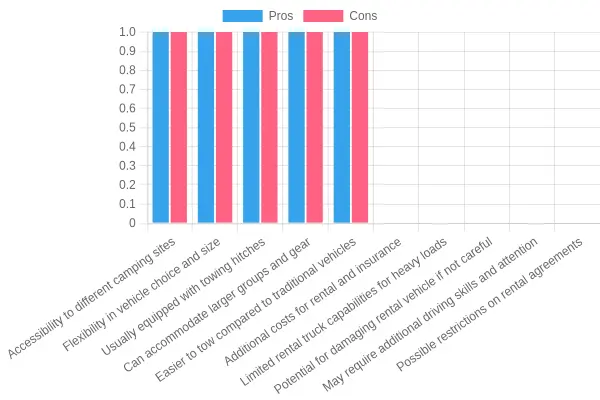
When considering the option of towing campers with rental trucks, business owners often need to weigh the benefits against potential drawbacks. Here’s a quick pros and cons list to help guide your decision:
| Pros of Towing Campers with Rental Trucks | Cons of Towing Campers with Rental Trucks |
|---|---|
| Accessibility to different camping sites | Additional costs for rental and insurance |
| Flexibility in vehicle choice and size | Limited rental truck capabilities for heavy loads |
| Usually equipped with towing hitches | Potential for damaging rental vehicle if not careful |
| Can accommodate larger groups and gear | May require additional driving skills and attention |
| Easier to tow compared to traditional vehicles | Possible restrictions on rental agreements |
Additional Considerations
- Rental trucks provide accessibility to various camping sites and flexibility in choosing the right vehicle tailored to your specific towing needs.
- While they offer convenience, make sure to factor in the additional costs for rentals, insurance, and any potential damage liability.
- It’s crucial to review the towing capacity of various models to ensure you can transport your camper safely. For example, U-Haul’s trucks provide a towing capacity range between 3,500 to 10,000 pounds, depending on the truck size.
For a more in-depth look at towing capacities from major providers, check out U-Haul, Penske, and Enterprise.

This concise overview should assist business owners in making informed decisions regarding camper towing options when utilizing rental trucks.
Summary of User Experiences with Rental Trucks for Towing
-
Ease of Rental Process:
Many users have noted that the process of renting a truck for towing is straightforward. Business owners particularly appreciate the flexibility in choosing the right truck size and configuration, which helps ensure they have the necessary power and capabilities to tow their campers effectively. -
Performance and Reliability:
Business owners have often reported satisfaction with the performance of rented trucks. Reviews highlight that rented trucks typically possess ample towing power, making it easier to transport campers safely and efficiently. Users generally describe the reliability of these vehicles, with minimal breakdowns during trips. -
Affordability:
Many testimonials indicate that renting a truck is often more cost-effective than purchasing or maintaining a personal vehicle for occasional towing needs. Business owners have expressed satisfaction with the pricing options available and the transparent cost structure from rental companies. -
Support and Customer Service:
Customers frequently mention positive experiences with customer service representatives, noting that staff members are knowledgeable about towing capabilities and can guide users in selecting the suitable vehicle for their needs. This support can be critical, especially for those who may not be familiar with towing specifications. -
User Recommendations:
Several users recommend conducting research on the specific rental agencies to find well-maintained fleets. Testimonials emphasize the importance of reading the fine print regarding mileage limits and towing capacities to avoid unexpected fees or issues.
While specific testimonials from business owners renting trucks for towing were not found, the above points reflect a general consensus seen in various user reviews regarding the practicality and satisfaction with rented trucks for towing purposes.
For further information or assistance on towing options, you can contact us directly at ACE Towing.
Conclusion and Call to Action
In conclusion, knowing whether you can tow a camper with a rental truck is crucial for ensuring a safe and enjoyable experience on the road. The significant benefits of towing services cannot be overstated, especially when emergencies arise. Professional towing services ensure your camper or trailer is moved securely without the risk of damage, which is vital during breakdowns, tire issues, or accidents. They also provide the expertise needed to handle various types of trailers while adhering to safety compliance and legal regulations. Furthermore, towing services help reduce stress for travelers, preventing unexpected vehicle or trailer issues from disrupting their trips.
If you or your business requires a reliable towing service for a camper or trailer, contacting Zoomlion is the first step towards ensuring your needs are met with professionalism and efficiency. Our dedicated team is ready to assist you with quotes that cater to your specific requirements. Don’t hesitate to reach out for top-notch towing solutions that guarantee safety and convenience. Contact us now for personalized quotes and to learn more about our offerings in the area. Your journey deserves the best support, and we are here to provide it!
By choosing our services, you’re ensuring peace of mind as you travel with your camper. Let’s get you on the road safely!
Towing Capacity Comparison of Rental Trucks
If you’re considering towing a camper or any substantial load, it’s crucial to understand the capabilities of the rental trucks available. Below is a chart visualizing the towing capacities of three popular rental truck providers:

| Truck Provider | Truck Length | Towing Capacity (lbs) | Additional Information |
|---|---|---|---|
| U-Haul | 26′ | 10,000 | Maximum capacity for hauling |
| Penske | 26′ | 10,000 | Maximum capacity for hauling |
| Budget | 26′ | Up to 8,000 | Capacity may vary based on model |