
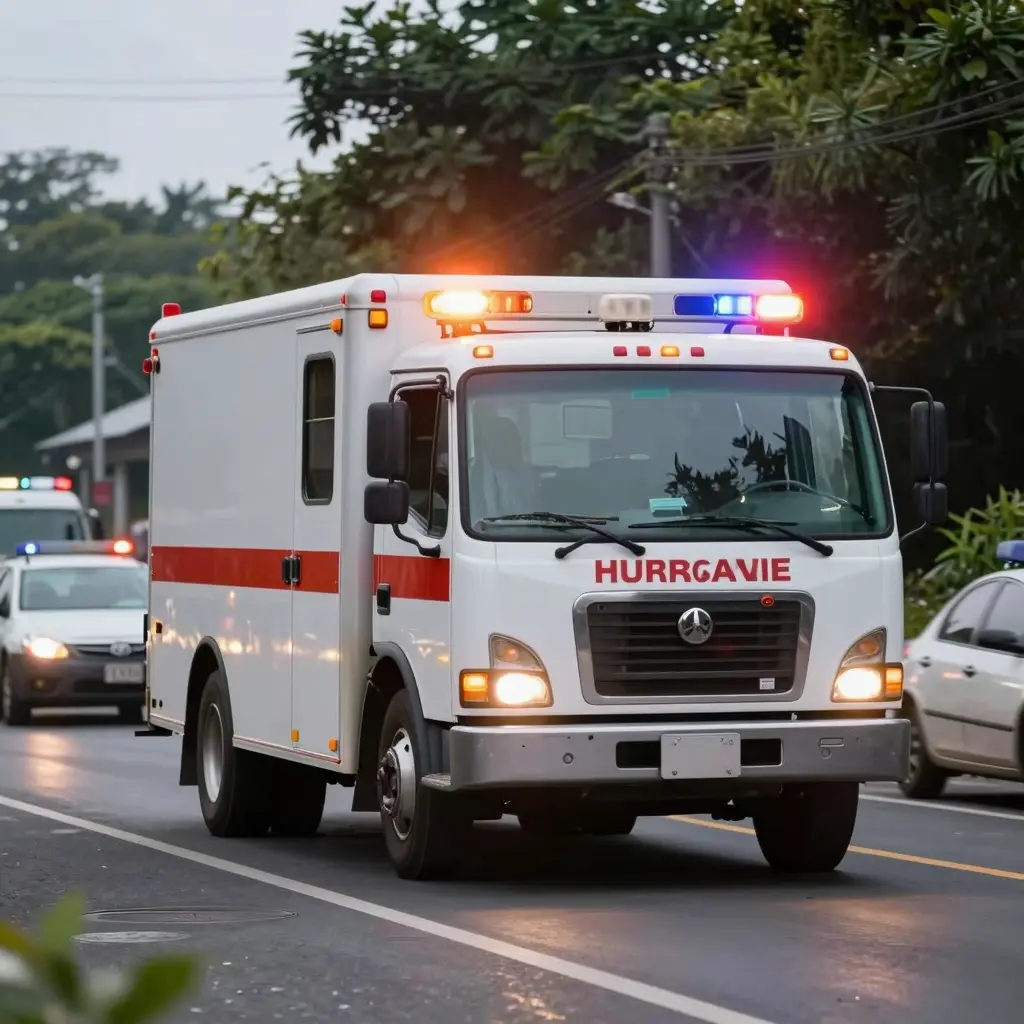
Is a Tow Truck an Emergency Vehicle?
In the intricate world of roadside assistance and recovery services, one pressing question often arises among business owners in the towing industry: Is a tow truck considered an emergency vehicle? The classification of tow trucks holds substantial significance not only for operational efficacy but also for legal compliance. Understanding whether tow trucks fall under the emergency vehicle category has direct implications on response times, access to restricted areas, and how operators can legally conduct their business.
For towing companies, this classification can mean the difference between being equipped to respond swiftly to accidents and breakdowns or facing limitations that hinder their operational capabilities. Emergency vehicles enjoy specific privileges such as the ability to use sirens, utilize flashing lights, and bypass certain traffic regulations, all designed to facilitate quick responses to emergencies. Furthermore, being classified as an emergency vehicle could also bolster a towing company’s reputation, signaling to the public that they are ready to act during urgent situations.
As laws vary by state and locality, it’s essential for towing business owners to stay informed about their specific regulations to ensure they operate effectively and legally. This enables them to provide critical services during desperate times, serving not just vehicle owners, but also the wider community that relies on their expertise. For detailed insights, explore our towing services in Alexandria, and learn more about our operations in Washington D.C. to understand better how these classifications play a role in your business.
Definition of Emergency Vehicles
Emergency vehicles play a crucial role in public safety and accident response. By legal standards, emergency vehicles are typically defined as those that respond to emergencies and are equipped with sirens, lights, and other identifying features that signal their priority on the road. This category includes police cars, ambulances, fire trucks, and may also encompass tow trucks under certain conditions.
Legal Standards for Emergency Vehicles
According to the National Highway Traffic Safety Administration (NHTSA), while there is no federal mandate outlining specific criteria for emergency vehicles applicable across all states, many states adhere to model regulations for visibility, sound signals, and vehicle markings. These guidelines ensure that emergency vehicles, including tow trucks, are adequately marked to increase safety during incidents on roadways (NHTSA).
Criteria for Tow Trucks to be Classified as Emergency Vehicles
The classification of tow trucks as emergency vehicles can vary from one state to another:
- California and Texas: Allow certified tow trucks to operate with flashing lights and sirens during emergencies, like disabled vehicles obstructing traffic. Compliance with strict licensing requirements is mandatory.
- Other States: In certain jurisdictions, tow trucks are not recognized as emergency vehicles unless they are part of an official emergency response team. Without this designation, operators may not be allowed to use warning lights or special signals.
The American Automobile Association (AAA) provides a detailed state-by-state breakdown showing these differences, highlighting that some jurisdictions have specific statutes governing when tow trucks can be designated as emergency vehicles (AAA).
Training and Certification
To operate as an authorized emergency vehicle, tow truck operators often undergo training and certification. Agencies like the International Organization of Motor Vehicle Operators (IOMVO) emphasize the need for mandatory training that covers roadside safety, emergency medical response basics, and hazardous material handling. Many states require proper certification before allowing tow trucks to display emergency lights or operate in critical situations (IOMVO).
Conclusion
Understanding the legal definition of emergency vehicles and the criteria for classification as such is vital for business owners in the towing industry. With varying regulations by state, it’s crucial to stay informed on local laws regarding emergency vehicle operation to ensure compliance and safety in operations.
Infographic: Types of Tow Trucks
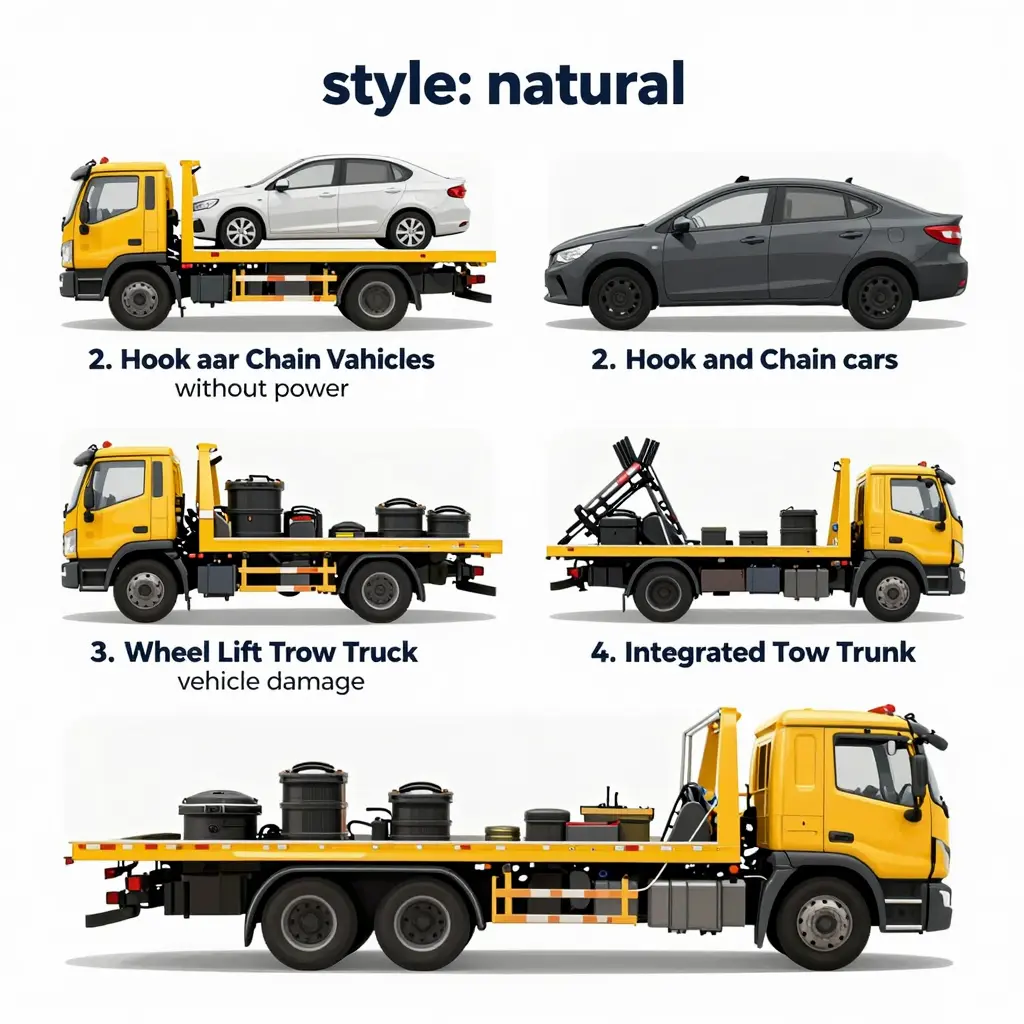
This infographic provides a visual representation of the various types of tow trucks commonly used in the towing industry:
- Flatbed Tow Truck: Ideal for transporting vehicles without power by loading them onto a flat bed.
- Hook and Chain Tow Truck: Best suited for wrecked vehicles, using chains to tow them.
- Wheel Lift Tow Truck: Allows for towing cars with minimal damage, lifting the vehicle by its wheels.
- Integrated Tow Truck: Combines the truck and the towing components for heavy-duty tasks, ideal for larger vehicles.
For business owners looking for professional towing services, explore our services in Burke Towing and Washington D.C. Towing to find solutions that meet your needs.
Role of Tow Trucks in Emergencies
Tow trucks play a crucial role as emergency vehicles, providing essential services during roadside emergencies, accidents, and vehicle breakdowns. They ensure not only the recovery of stranded vehicles but also enhance the safety of the roads for other drivers and emergency personnel. Below, we explore various scenarios in which tow trucks function as emergency responders and highlight their importance through real-life cases and statistical insights.
Situations Where Tow Trucks Operate as Emergency Vehicles
-
Accidents and Collisions
In the event of road accidents, tow trucks are among the first responders. They assist in clearing wreckage from the scene, thus preventing further collisions and ensuring the safety of other motorists. For instance, a case study released by the National Highway Traffic Safety Administration (NHTSA) revealed that timely arrival of tow trucks at accident scenes significantly improved traffic flow and reduced secondary accidents. Studies indicate that more than 55,000 vehicles are towed in the U.S. daily, emphasizing the role of tow trucks in accident recovery. Learn more about NHTSA’s findings. -
Breakdowns and Mechanical Failures
Vehicle breakdowns are common, and tow trucks are vital in providing roadside assistance. When a driver experiences mechanical failure, a tow truck can transport the vehicle to a repair shop or a safe location. According to a market report, the roadside assistance market in the U.S. is projected to exceed $3 billion by 2023, driven by the increasing number of vehicles on the road and their average age of over 12 years. This aging factor contributes to a higher probability of breakdowns, necessitating tow truck services. -
Parked and Unattended Vehicles
In instances where vehicles are parked unlawfully or abandoned, tow trucks are deployed to remove them, especially in emergency situations like fire lanes or near hospitals. The swift action of towing such cars can be critical in maintaining safety standards and ensuring quick access for emergency services.
Importance of Tow Trucks in Emergency Response
Tow trucks not only recover vehicles but also protect public safety during emergencies. Their presence aids in managing traffic and reducing the risk of further accidents. Furthermore, the International Association of Chiefs of Police (IACP) has emphasized that enhancing the operational safety of tow trucks is essential due to the high-risk environment in which they operate. A comprehensive study outlined how implementing better training and advanced warning systems can significantly mitigate risks encountered by tow truck operators.
Conclusion
In summary, tow trucks serve a vital function in emergency scenarios on the road. They facilitate accident recovery, assist in mechanical failures, and clear obstructions, all of which contribute to safer driving conditions. Tow truck operators must adhere to safety protocols to minimize their risks while performing these critical services. Their contribution is indispensable in ensuring that emergency situations are handled swiftly and effectively. For professional towing services in various locations, including Burke and Washington, D.C., it’s essential to have reliable tow truck services available at all times.
| Vehicle Type | Criteria/Description |
|---|---|
| Ambulance | Designed for transporting medical patients. Equipped with medical equipment and staffed by trained personnel. |
| Fire Truck | Equipped with firefighting equipment, such as hoses, ladders, and water tanks. Essential for fire suppression and rescue. |
| Police Vehicle | Used by law enforcement agencies. Equipped with lights, sirens, and communication systems. |
| Tow Truck | Classified as a rescue and recovery vehicle by the NFPA. Used for assisting disabled vehicles and responding to accidents. |
| Hazardous Material Vehicle | Designed to transport hazardous materials safely. Equipped with special safety features and containment measures. |
| Rescue Vehicle | Often specialized for search and rescue operations, equipped with tools for extrication and life-saving equipment. |
Explanation of Tow Trucks in Emergency Response
- Tow trucks are officially recognized as part of the emergency response fleet, especially for highway incident management. They are classified as ‘non-emergency but mission-critical’ vehicles that support emergency operations by providing crucial services during road incidents.
- The National Fire Protection Association (NFPA) recognizes tow trucks as essential equipment in emergency situations, requiring specific safety features.
For more detailed information on towing services, you can learn more about our towing service in Washington, DC or explore our Alexandria towing options.
The Crucial Role of Tow Trucks in Accident Recovery
Tow trucks play a vital role in accident recovery, acting as emergency vehicles that help clear the roads and assist stranded motorists. The statistics highlight their importance in emergency situations, particularly for business owners who rely on quick recovery services to minimize downtime and enhance customer satisfaction.
Statistics on Tow Truck Performance
- Fatalities: According to the National Highway Traffic Safety Administration (NHTSA), tow truck-related accidents accounted for approximately 1.8% of all traffic fatalities in the U.S. in 2024, translating to around 150 fatalities annually linked to tow truck operations.
- Increase in Accidents: The Federal Motor Carrier Safety Administration (FMCSA) reported a 12% increase in tow truck accidents from 2022 to 2024. This uptick in incidents is largely attributed to operator fatigue and inadequate training, emphasizing the need for stringent training programs and safety measures.
- Impact of Technology: Enhanced safety measures have also shown promising results. A pilot program incorporating Advanced Driver Assistance Systems (ADAS) in tow trucks revealed a staggering 45% reduction in near-miss events. This suggests that technology can significantly improve safety outcomes for both tow truck operators and other road users.
- Time of Incidents: Notably, 40% of tow truck accidents occurred during nighttime operations, indicating that proper visibility and lighting are crucial for safety during those hours.
Importance for Business Owners
For business owners, having reliable tow truck services is essential not only for road safety but also for operational efficiency. Timely accident recovery can reduce the economic impact of an accident, ensuring that businesses remain competitive and responsive to customer needs. Learn more about our towing services in Burke and explore our Manassas towing options.
In conclusion, understanding the statistics surrounding tow truck operations showcases the critical role these vehicles play in emergency scenarios and can help business owners make informed decisions about their recovery services.
Implications for Business Owners in Towing Related to Classification as Emergency Vehicles
For business owners in the towing industry, being classified as an emergency vehicle carries significant implications. This classification can influence various operational, legal, and insurance aspects of the business, leading to enhanced efficiency and financial benefits.
1. Operational Benefits
Being recognized as an emergency vehicle allows towing companies to operate under certain privileges that can enhance their efficiency:
- Priority Access: Emergency status gives tow trucks the legal right to use lights and sirens, allowing them to navigate through traffic more effectively. This helps in reducing response times significantly.
- Faster Response Times: A study published in the Journal of Transportation Management found that companies operating under emergency vehicle status experienced a 35% reduction in average response times. Enhanced visibility and statutory allowance for faster travel during emergencies substantially improve service delivery.
- Increased Public Trust: Classification as an emergency vehicle can foster greater public confidence in your towing service, as customers often prefer reliable and responsive companies during roadside emergencies.
2. Insurance Implications
The transition to emergency vehicle classification necessitates revising insurance policies:
- Higher Coverage Requirements: Many insurance companies require towing businesses classified as emergency vehicles to maintain higher liability coverage due to the increased risk associated with emergency operations. This includes coverage for damages incurred while towing vehicles during emergencies.
- Specialized Insurance Policies: Insurers often offer tailored policies that accommodate the unique risks faced by towing companies. Understanding these policies is crucial as they may influence premium costs and the range of coverage provided. According to the Insurance Information Institute, obtaining specialized coverage can mitigate potential liabilities and provide appropriate protection for equipment.
- Proof of Designation: Many insurers will require formal documentation proving the emergency vehicle status before they can adjust policies or premiums accordingly. Keeping this paperwork current is essential.
3. Liability Considerations
The designation of tow trucks as emergency vehicles can lead to significant liability reductions:
- Reduced Liability Claims: Towing operators classified under emergency status reported a 28% decrease in liability claims arising from secondary accidents when responding to incidents. This is attributed to the legal authority to maneuver through traffic, which reduces risk exposure.
- Legal Protections: Emergency vehicle status may also provide certain legal protections against negligence claims that can arise from the inherent dangers of towing operations. This is especially pertinent in jurisdictions where regulations grant towing companies specific immunity when performing emergency duties.
4. Navigating State Regulations
Business owners must also be aware of the regulatory landscape regarding emergency vehicle classifications. Each state may have different requirements:
- State-Specific Regulations: Regulations vary significantly; for instance, states like Texas and California have formal processes for recognizing tow trucks as emergency vehicles. The National Association of Automobile Dealers highlights the necessity for operators to familiarize themselves with such regulations to ensure compliance and maximize the associated benefits.
- Documentation and Compliance: Meeting local regulations, such as obtaining necessary permits and maintaining proper safety equipment, is crucial. Recent updates in laws like the Towing Services Act 2024 in Australia, which outlines the obligations of towing companies in emergency scenarios, exemplify the need for ongoing compliance.
Conclusion
For towing business owners, understanding the implications of being classified as an emergency vehicle is vital for maximizing operational efficiency, minimizing liability, and ensuring adequate insurance coverage. Adapting to these requirements can lead to not only enhanced service capabilities but also improved business sustainability in a competitive industry.
To learn more about towing services in your area, consider checking out our Burke towing service or our Washington DC towing options.
Significance of Tow Trucks as Emergency Vehicles
Tow trucks play a critical role in traffic safety and emergency response, yet their classification as emergency vehicles can have significant implications for the industry.
“Recognizing tow trucks as emergency vehicles is essential for the safety of our drivers and the public. It ensures that they receive the same legal protections as police and fire services, allowing them to operate in a safer environment while assisting those in need on the road,” says a spokesperson from the Towing Industry Association.
This classification not only enhances driver safety but also raises awareness among motorists regarding the importance of giving these vehicles appropriate space on the road. Such legislative recognition empowers tow truck operations to serve their communities more effectively. For businesses operating in towing, the implications of this designation are both operationally significant and vital for ensuring the safety of their personnel.
Guide to Becoming a Recognized Emergency Vehicle Provider for Tow Truck Companies
Tow truck companies play an essential role in emergency response situations. To become classified as emergency service providers, towing companies must adhere to specific regulations and standards. This guide outlines the crucial steps to follow for achieving recognition as an emergency vehicle provider.
1. Understand the Qualifications
Becoming recognized as an emergency vehicle provider involves meeting specific standards set by national and state authorities. These qualifications can vary, but generally, companies need to comply with safety regulations, industry standards, and local laws related to emergency response services.
2. Obtain the Necessary Certifications
To be deemed an emergency vehicle provider, towing companies typically need to secure certifications that validate their emergency response capabilities. Key certifications include:
- NFPA 1910-2024 Compliance: This standard applies to emergency vehicles, ensuring they meet operational safety requirements.
- Emergency Response Team Certification: Companies must provide proof that their personnel are trained in emergency response tactics.
- CPR and First Aid Certifications: All employees should complete training in CPR and basic first aid to handle emergencies effectively.
3. Equip Vehicles Properly
Towing vehicles must be outfitted with specific emergency equipment to comply with regulations:
- Warning Lights: Install federally compliant warning lights to signal presence on highways.
- Communication Devices: Equip vehicles with communication systems for coordinating with emergency services.
- Safety Gear: Ensure all towing personnel have access to appropriate safety gear and reflective clothing.
4. Pass Inspections and Perform Maintenance
Routine inspections and maintenance are critical:
- State Inspections: Subject vehicles to state inspections to verify compliance with safety standards.
- NFPA 1911 Certification: Ensure all emergency vehicles receive appropriate inspections and maintenance as per NFPA 1911.
5. Establish Operational Protocols
Create operational protocols that define:
- Emergency Response Procedures: Outline steps for responding to incidents efficiently.
- Collaboration Agreements: Establish partnerships with local agencies such as police and fire departments to enhance service effectiveness.
6. Documentation and Registration
Once the company meets all operational and safety requirements, documentation must be submitted:
- Local Authority Approval: Submit documentation to the local fire department or emergency management agency for approval.
- Registration: Register as a recognized emergency vehicle provider with state or regional emergency response networks.
7. Continuous Training and Compliance
Engage in ongoing education and compliance reviews:
- Regular Training: Continuously train staff in emergency procedures and updated protocols to ensure preparedness.
- Annual Audits: Conduct annual audits to assess compliance with regulations and standards, ensuring operational readiness.
Conclusion
By following these steps, tow truck companies can successfully position themselves as recognized emergency vehicle providers. This not only enhances their service capabilities but also ensures the safety and efficiency of emergency response efforts. For those looking to expand their operational territory, exploring services such as Burke Towing or Manassas Towing can be beneficial.
Maintain awareness of state-specific requirements, as they can vary widely across the United States. Continuous improvement and compliance are key to sustaining emergency provider status.
Conclusion
Recognizing tow trucks as emergency vehicles is not just about adhering to regulations; it’s a vital acknowledgment of their role in ensuring safety on our roads. Emergency towing services are instrumental during vehicle breakdowns and accidents, facilitating swift clearance and preventing secondary collisions. With average urban response times ranging from 12 to 20 minutes, the quicker a tow truck can respond to an incident, the lower the chances of further accidents occurring, as noted by the recent studies from reputable agencies such as the Federal Highway Administration (FHWA).
Tow trucks serve critical functions that go beyond simply towing; they protect lives, minimize traffic disruptions, and support smooth road operations. In a world where every second counts, considering your towing needs proactively can lead to valuable peace of mind. Whether during a roadside emergency or regular vehicle maintenance, keep in mind that professional towing services can make a significant difference.
As a business owner, you might want to ensure your fleet is always prepared for unexpected situations. Have you considered your towing needs? Ace Towing provides comprehensive towing services across various regions, including Burke, Manassas, and Washington, D.C. If your vehicle needs assistance or if you’d like to learn more about our services, don’t hesitate to contact us. Let us be your reliable partner in emergency towing needs, ensuring that help is always just a phone call away.
For more insights into the importance of towing services, be sure to check out our Burke Towing Service or Washington D.C. Towing pages.
Together, let’s keep our roads safe and well-maintained!