

Owning a tow truck is more than just a business opportunity; it’s a lifeline for those in emergency services. As a business owner in this critical field, having your own tow truck can mean the difference between success and failure. The ability to respond promptly to incidents not only helps your clients but also enhances your reputation in the community. In busy urban areas, where accidents and breakdowns are common, the demand for towing services skyrockets. This is why understanding how to own a tow truck is essential for those looking to establish or expand their tow truck business.
With the right equipment and a strategic approach, you can create a reliable service that people trust. Owning a tow truck equips you with the tools necessary to alleviate stress for those facing difficult situations on the road. Whether it’s a simple tire change or a complex vehicle recovery, your services will play a crucial role in aiding those in distress.
In this guide, we will delve into the necessary steps and considerations involved in effectively owning a tow truck, from understanding the legal requirements to managing operational costs. Furthermore, we will explore the advantages of having a well-equipped fleet that meets the diverse needs of the emergency services sector. If you’re ready to take the plunge into this rewarding field or simply want to refine your existing operations, this is the place to start. Let’s examine how you can turn your dream of owning a tow truck into a reality, ensuring you’re always ready to serve your community, especially in times of need.
For experienced service options, learn more about our Burke towing service or explore our Washington DC towing services to understand how professional operations can enhance your business.
Owning a tow truck brings numerous benefits for business owners, particularly in enhancing operational efficiency, maximizing revenue potential, and providing essential community support. Here’s a closer look at these advantages:
Operational Flexibility
- Control Over Service: As an owner-operator, you gain direct control over your schedule, allowing you to respond quickly to calls and manage operations without relying on third-party contractors.
- Custom Equipment: Owning a tow truck allows you to customize your vehicle to meet local demand, whether it’s adding a flatbed for luxury cars or a heavy-duty wrecker for larger vehicles. This customization enhances service reliability and customer satisfaction.
- Efficient Routing: With GPS and routing technology, owners can optimize travel paths, reducing fuel costs and improving overall operational efficiency.
Increased Revenue Potential
- Diverse Services: Beyond traditional towing, owning a truck lets you diversify your services with battery jumps, tire changes, and even mini-repairs, increasing your revenue streams.
- Stable Demand: Towing services are always in demand, regardless of economic climates, which means you can count on a steady income stream. Recurring contracts with insurance companies and municipalities can further solidify your income sources.
- Tax Benefits: Owning your vehicles opens up various tax deductions related to depreciation, maintenance, and fuel, which boosts overall profitability.
Support for Community Services
- Safety and Traffic Management: Tow trucks play a critical role in community safety, quickly clearing accidents to prevent secondary collisions, enabling emergency services to operate efficiently. This shows your commitment to community service and can enhance your business’s reputation.
- Job Creation: By operating your towing business, you contribute to local employment, creating job opportunities in your area.
In summary, owning a tow truck not only enhances business efficiency but also positions you as a vital service provider in your community. Learn more about our towing services to see how we can assist you further and impact your business positively.
Costs Involved in Owning a Tow Truck
Owning a tow truck involves various costs that can significantly impact your business’s profitability. Understanding these expenses helps you budget effectively and ensures your operation runs smoothly. Here are the key costs to consider:
1. Purchase Price
The purchase price of a tow truck can vary based on several factors such as the type and model of the truck. Here’s a breakdown of the costs:
- New Tow Trucks: Typically range from $50,000 to $150,000 depending on specifications and brand.
- Used Tow Trucks: Generally range from $20,000 to $75,000, depending on condition and mileage.
2. Insurance Costs
Insurance is a critical part of owning a tow truck, protecting your business against various risks. According to The Hartford, the average annual cost of tow truck insurance in 2023 is around $800 to $1,500 per vehicle. Factors influencing insurance costs include:
- Type of Tow Truck (flatbed vs. wrecker)
- Driver’s experience and claims history
- Business location
- Level of coverage selected
For instance, the Insurance Information Institute reported that many operators pay approximately $1,200 annually for commercial auto insurance, and coverage can increase if endorsing additional services like cargo insurance.
3. Maintenance and Repairs
Regular maintenance is essential for the longevity of your tow truck. Typical annual maintenance costs can include:
- Routine Maintenance: Approximately $1,000 to $2,500 depending on usage.
- Repairs: May vary widely based on the need and can average around $500 to $5,000 per year.
- Parts Replacement: Engine components, tires, and braking systems need periodic replacements, contributing to the overall costs.
4. Compliance Regulations
Adhering to local and federal regulations can incur additional costs:
- Licensing and Registration Fees: Typically range from $100 to $500 annually, based on locality.
- Safety Inspections: Regular inspections can cost around $150 to $300, depending on local requirements.
- Environmental Compliance: If applicable, there may be costs associated with meeting environmental standards.
Conclusion
Managing these costs effectively is crucial for any tow truck business. By understanding the financial implications and planning accordingly, you can enhance your profitability and ensure compliance. For those considering entering the towing industry, contact us for more information about our services.
Understanding the financial landscape of towing is essential. Visit our links for specific services: Burke Towing Service and DC Towing Service.
The Practical Utility of Owning a Tow Truck
Owning a tow truck can be an invaluable asset for any business owner involved in vehicle services or roadside assistance. A tow truck not only provides a means of transportation for disabled vehicles but also enhances your business’s reputation and reliability. In emergency situations, a tow truck can make a significant difference, showcasing your ability to respond quickly to clients in need.
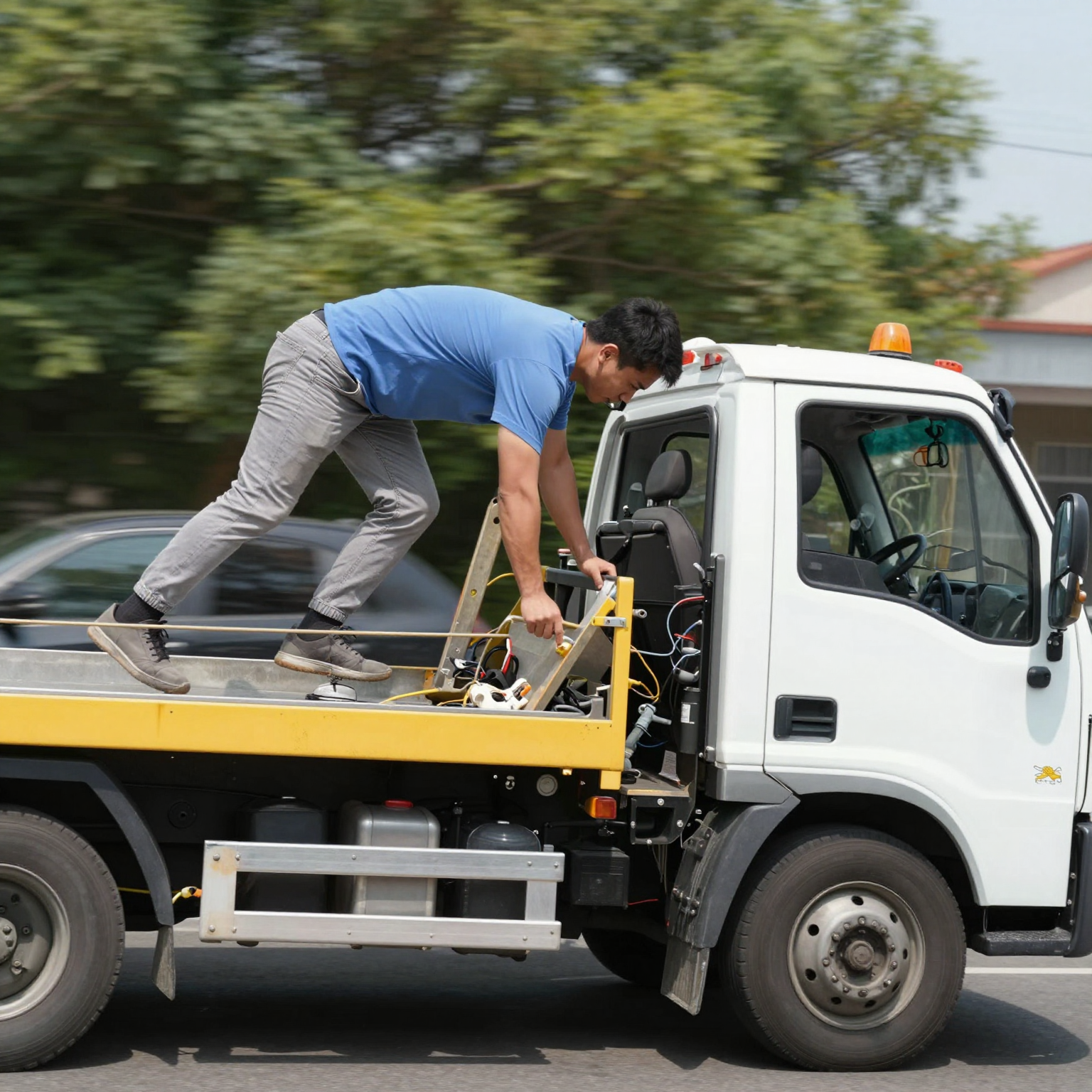
This image below illustrates a tow truck in action, demonstrating its crucial role during emergencies when assistance is most needed.
Benefits of Owning a Tow Truck:
- Increased Revenue Potential: With a tow truck, you can offer a variety of services, such as emergency towing, local and long-distance transport, and roadside assistance.
- Stronger Client Relationships: Quick response times can build trust with clients, leading to repeat business and referrals.
- 24/7 Availability: Providing 24-hour service ensures you’re available whenever your clients need assistance, further solidifying your position in the market.
To maximize your towing efficiency, consider partnerships with local businesses and integrate services, such as Washington DC towing services or Burke towing service. This expands your reach and offers comprehensive solutions to clients in need.
Legal Requirements and Licenses Needed for Towing Businesses
Starting a towing business involves adhering to various legal requirements and obtaining specific licenses and permits, which can vary significantly from state to state. Understanding these obligations is crucial to ensuring compliance and operating legally.
1. State and Local Business Licenses
Most states require towing businesses to secure a general business license. This license shows that the business is approved to operate within the state. The costs for obtaining this license generally range from $50 to $500. Local municipal permits may also apply, particularly if your business operates in certain areas or municipalities. Renew without fail to avoid violations.
2. Towing Service Licenses
In addition to general business licenses, many states require towing companies to hold a towing-specific license. This may involve meeting certain operational standards and passing background checks for the business owner and operators. Fees might range from $100 to $1,000, typically needing renewal every year or every couple of years depending on local regulations.
3. Vehicle Registration and Insurance Requirements
Towing vehicles must be registered according to state laws, including specific license plates associated with towing operations. The registration costs can vary by vehicle type, averaging between $50 and $300. On the insurance front:
- General Liability Insurance: Most states mandate this coverage to protect against potential lawsuits from accidents. The cost ranges from $1,000 to $5,000 annually.
- Commercial Auto Insurance: Required for all vehicles used in the towing business, with costs usually between $2,000 and $10,000 yearly.
- Workers’ Compensation Insurance: If you employ drivers, this insurance is often a legal requirement. Its costs can vary, averaging around $1,000 to $8,000 annually.
4. Compliance with Federal Regulations
Certain federal laws also impact towing operations, especially if the business involves interstate transport. For example, under the U.S. Coast Guard’s Subchapter M regulations (effective July 19, 2023), certain towing vessels must obtain a Certificate of Inspection (COI) to prove safety compliance. It’s essential for towing companies involved in larger operations or those capable of carrying hazardous materials to abide by these federal standards.
5. Safety and Operational Standards
Many states enforce safety standards which might include personal protective equipment (PPE) for towing workers, training programs, and equipment specifications. Failure to comply with these safety standards could lead to fines or suspension of licenses.
Overview of Costs
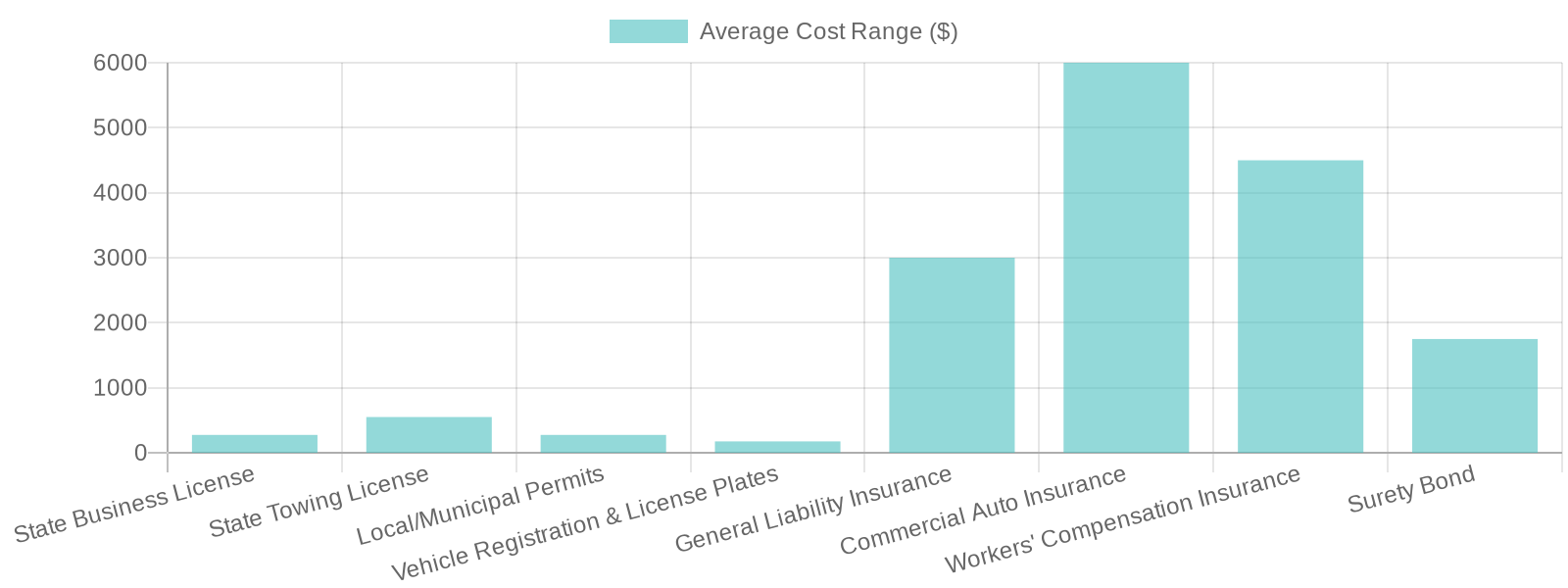
Here’s a comprehensive overview of the expected average costs based on current industry data:
| Item | Description | Average Cost Range |
|---|---|---|
| State Business License | General operational license | $50 – $500 |
| State Towing License | Specific towing authorization | $100 – $1,000 |
| Local Permits | Additional operational licenses | $50 – $500 |
| Vehicle Registration | Registration for towing vehicles | $50 – $300 |
| General Liability Insurance | Coverage for third-party claims | $1,000 – $5,000/year |
| Commercial Auto Insurance | Liability coverage for vehicles | $2,000 – $10,000/year |
| Workers’ Compensation Insurance | Required if employing staff | $1,000 – $8,000/year |
| Surety Bond | Required in some states | $500 – $3,000/year |
Understanding these requirements not only ensures legal compliance but also establishes your business credibility in the competitive towing industry. For more specifics and guidance on how to operate within the legal framework, it’s always a good idea to consult your state’s Department of Motor Vehicles or applicable regulatory agencies. Additionally, consider contacting legal professionals for tailored advice on starting and maintaining compliance in your towing business.
To explore professional towing services in various locations, you can check out Burke Towing Service and Manassas Towing.
Comparing Tow Truck Types
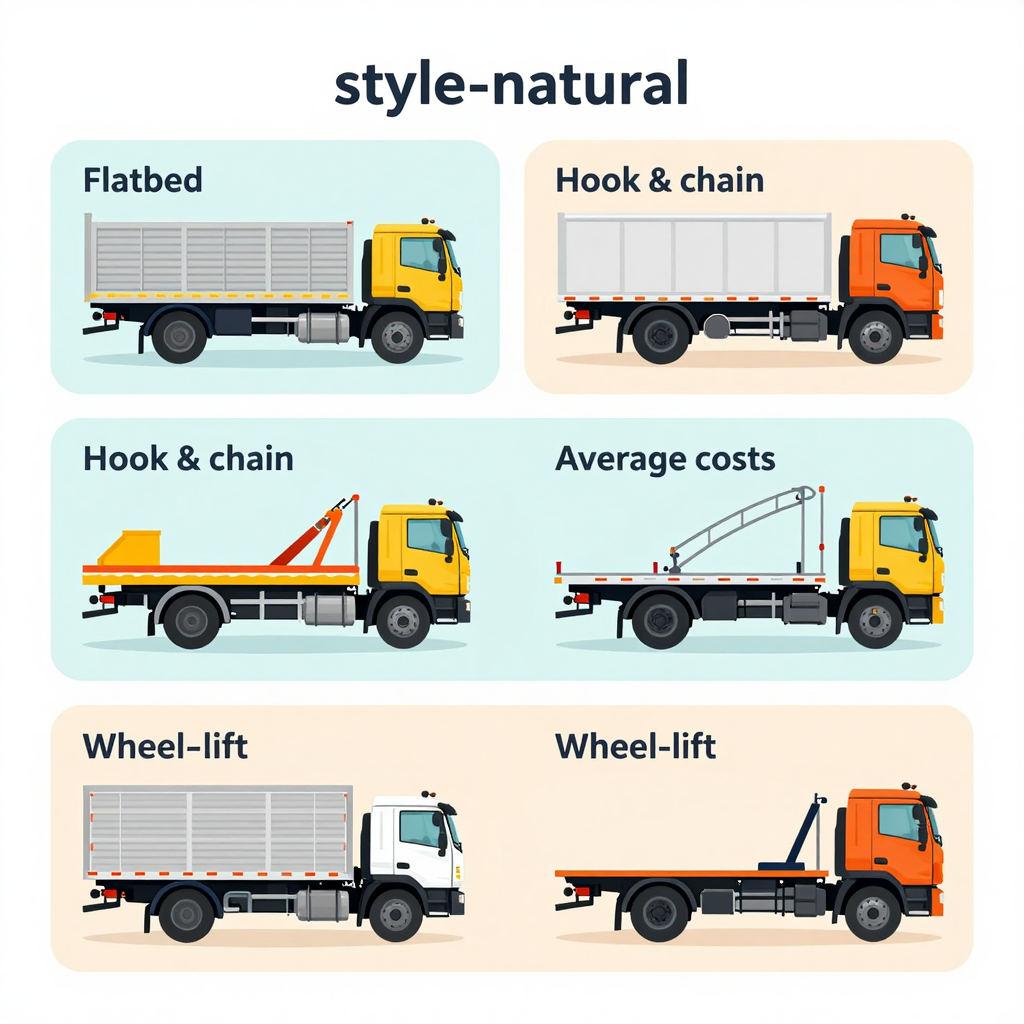
Choosing the right tow truck type is crucial for business owners looking to diversify their towing services. Here’s a comparison of three common types of tow trucks:
| Tow Truck Type | Features | Benefits | Average Costs |
|---|---|---|---|
| Flatbed | – Hydraulically operated platform |
- Whole vehicle loaded for safe transport | – Minimal vehicle damage
- Ideal for luxury and accident recovery | $15,500 – $52,900 |
| Hook and Chain | – Metal chain and hook mechanism - Inexpensive and quick deployment | – Cost-effective for basic towing tasks
- Works for vehicles without wheels | $12,000 – $28,000 |
| Wheel-lift | – Hydraulic lift arms that can lift front or rear | – Faster setup than flatbeds - Lightweight and suitable for short distances | $10,000 – $25,000 |
Conclusion
Each type of tow truck has its unique features and uses. Flatbeds are the safest choice for delicate vehicles, while hook and chain models are budget-friendly. Wheel-lift trucks provide efficiency in emergency scenarios. Understanding these differences is crucial before investing in a tow truck. For more information on local towing services, you can check out our Alexandria towing services or contact our towing company.
Maintaining a Tow Truck: Essential Practices for Longevity and Reliability
Owning a tow truck involves more than just acquiring the vehicle; it requires a solid commitment to maintenance. Regular service plays a critical role in ensuring that your tow truck remains reliable and effective over time. Here, we delve into essential maintenance practices that every tow truck owner should follow, aimed at enhancing the longevity and performance of these vital vehicles.
Routine Inspections
Routine inspections are the backbone of effective maintenance. Implementing a systematic daily check list can prevent small issues from becoming significant problems. Here are some key areas to focus on during daily inspections:
- Tires: Check for proper inflation and tread depth.
- Brakes: Inspect for wear and fluid levels.
- Fluids: Monitor oil, coolant, and hydraulic fluid levels.
- Lights: Ensure all lights and signals are functioning correctly.
- Winch: Inspect the winch cable for wear and tear.
Confirming the state of these components regularly greatly reduces the risk of unexpected breakdowns and ensures safety during operations. As emphasized by the American Tow Truck Association, keeping a log of these inspections adds accountability and aids compliance with regulations.
Scheduled Servicing
Adhering to a strict servicing schedule is crucial. Based on the manufacturer’s recommendations, regular servicing should include:
- Oil Changes: Typically every 3,000 to 5,000 miles.
- Transmission Fluid Flush: Recommended around 30,000 miles.
- Brake System Evaluation: An annual check by certified technicians is advised.
Using high-quality, OEM-approved parts when replacements are necessary is crucial for maintaining performance and reliability. The National Highway Traffic Safety Administration further highlights that every aspect of the hydraulic system should be inspected monthly due to its importance in towing performance.
Preventing Corrosion and Fatigue
Tow trucks are often exposed to harsh conditions, which can lead to rust and material fatigue. Regularly cleaning the truck’s frame and bed can help prevent corrosion, while inspecting the chassis and suspension for signs of wear is essential. Ensuring proper lubrication of all moving parts also contributes to the overall health of the vehicle. According to insights from Fleet Owner, lubricating components effectively and maintaining correct tire pressure are critical actions that enhance reliability.
Conclusion
Following these essential maintenance practices will not only extend the lifespan of your tow truck but also enhance its reliability. By adopting a proactive approach to inspections and servicing schedules, you can ensure that your tow truck is always ready for the demands of the job. For more specific strategies and insights about towing services in your area, consider places like Burke Towing Services or Washington D.C. Towing to learn more about local resources.
Market Trends in Tow Truck Ownership
Understanding the market trends in tow truck ownership is essential for aspiring business owners looking to enter this growing sector. The tow truck market has shown remarkable growth over the past five years, reflecting various factors that drive demand.
Current Market Overview
The global tow truck market was valued at approximately $15.2 billion in 2024, with projections to reach $24.8 billion by 2033. The compound annual growth rate (CAGR) over this period is estimated to be around 5.4%. Several key factors contribute to this robust growth:
- Rising Vehicle Ownership: As the number of vehicles on the road increases, so does the need for towing services, especially in urban areas where traffic incidents are more frequent.
- Urbanization: More people are moving to cities, leading to higher traffic congestion and an increased demand for roadside assistance services.
- Increased Demand for Roadside Assistance: Due to more frequent traffic incidents and severe weather events, the need for reliable towing services has never been higher. This trend has prompted fleet owners to invest in high-performance tow trucks equipped with advanced towing technologies.
Key Drivers of Growth
The tow truck industry has witnessed evolution driven by advancements in technology and changing service expectations:
- Technology Integration: Modern tow trucks are now equipped with features like 360-degree cameras and real-time diagnostics to enhance safety and efficiency. This tech-savvy shift is appealing to both commercial businesses and independent operators.
- Regulatory Changes: Stricter safety regulations and compliance measures have pushed many fleet owners to upgrade their towing equipment, ensuring they meet industry standards.
- Market Diversification: Owners are expanding their service offerings to include a broader spectrum of towing needs-ranging from light to heavy-duty trucks.
Market Trends Chart
Here’s a line chart illustrating the market trends in tow truck ownership over the past five years:

This chart highlights the consistent growth in market value.
Conclusion
For business owners considering entry into the tow truck market, it’s crucial to stay updated on these trends. Understanding market dynamics can inform decisions on vehicle purchases, technology investments, and services offered. With proper planning, the opportunities in the tow truck sector are abundant and rewarding. If you’re interested in exploring towing services, check out Burke Towing Service and Washington DC Towing for insights and partnership opportunities.
Customer Testimonials: The Impact of Owning a Tow Truck
Owning a tow truck can provide significant benefits to business owners in the roadside assistance industry. As various entrepreneurs have shared their experiences, it’s clear that the positive impacts of this venture extend well beyond financial gain. Here are some powerful testimonials reflecting how owning a tow truck has transformed their operations.
“Owning my tow truck has allowed me to be there for my community when they need help the most. I remember one winter when a severe storm hit our town. Many vehicles were stranded, and I was able to assist multiple families stranded on the highways. This experience not only brought me repeat customers but also built a level of trust that my services were reliable. Seeing my impact truly motivates me every day!”
– John D., Owner of John’s Reliable Towing in Texas
This testimony illustrates the flexibility and control that comes with owning a tow truck. Business owners can respond to emergencies promptly and manage their schedules, tailoring service hours based on local needs.
In addition to flexibility, personal service is another theme that emerges from customer feedback. One Colorado-based business owner stated:
“I love owning my tow truck because I can connect personally with my customers. When they call for help, they know they are dealing directly with me, someone who cares about their situation. The friendships I’ve built with local auto shops and community members have led to countless referrals, which keeps my business thriving!”
– Lisa M., Owner of Lisa’s Towing Services
Such relationships create a sense of accountability that customers appreciate. As highlighted by various surveys, personalized services lead to heightened customer satisfaction rates, confirming the advantages of owner-operated businesses.
When considering the financial aspects, many owners note:
“Not only do I enjoy the personal rewards of helping others, but I also appreciate the financial benefits that come with owning a tow truck. Tax deductions on fuel and maintenance have significantly helped my bottom line!”
– Tom S., Owner of Reliable Tow Trucking
Such testimonials reveal that the benefits of owning a tow truck are extensive, ranging from community trust to financial advantages. For those looking to start this venture, the experiences shared by fellow business owners can prove invaluable.
To learn more about our Manassas towing services or to understand how you can start your own towing business, contact us today!
Conclusion and Call-to-Action
Owning a tow truck is not just a business decision; it’s a strategic investment that can significantly enhance your company’s operational capabilities and profitability. As evidenced by data from the Tow Truck Industry News, businesses that own their own tow trucks can respond more quickly to customer needs, greatly improving trust and satisfaction levels. Furthermore, with the roadside assistance and vehicle recovery market growing at over 30% year-on-year, there’s never been a better time to invest in this essential asset.
For business owners, this means a competitive edge in a saturated market. Companies equipped with their own tow trucks report a staggering 45% increase in customer retention compared to those who rely on third-party providers, as noted in a 2026 survey by the National Association of Automotive Services. The potential for additional revenue streams through related services-like towing insurance partnerships and fleet management-further underscores the importance of ownership.
If you’re considering taking the plunge into the towing business, it’s crucial to develop a detailed business plan that covers all bases-from market research to licensing and insurance. A helpful resource is the comprehensive guide on how to start a tow truck business which outlines these crucial steps.
Don’t miss out on the opportunity to revolutionize your business model. For personalized quotes and more information on how to incorporate towing solutions into your operations, contact us today. Let Ace Towing help you elevate your business to new heights!