

Understanding the Towing Capacity of One-Ton Trucks
When it comes to logistics and heavy-duty transportation, the capabilities of one-ton trucks play a crucial role for business owners. Whether you’re hauling equipment to a job site or transporting goods across the city, knowing how much can a one ton truck tow is essential for maximizing operational efficiency. This understanding not only helps in selecting the right truck for your needs but also ensures compliance with safety regulations and prevents vehicle damage due to overloading.
Towing capacity varies significantly between different models and configurations, influenced by factors like engine type, drivetrain, and weight distribution. For instance, some one-ton trucks can tow upwards of 30,000 pounds when properly equipped, making them versatile assets for any logistics operation. As a business owner, you might be grappling with decisions on vehicle purchases or rentals; hence, having concrete knowledge of towing capacities can help you determine the most cost-effective option.
Moreover, understanding these specifications aids in planning logistics better, ensuring you have the right vehicle ready for the right task. For those operating in regions such as Burke or Alexandria, where reliable towing services are crucial, exploring regional towing companies can offer invaluable insights and support. Learn more about towing services in Burke and see how tailored solutions can meet your business’s unique needs.
Understanding One-Ton Trucks
A one-ton truck, often referred to as a 1-ton pickup truck, is a versatile vehicle designed for both personal and commercial use, capable of carrying a payload of up to 2,000 pounds (approximately 907 kilograms). These trucks are popular among business owners for their ability to transport heavy loads, tow trailers, and navigate various terrains, making them invaluable in sectors like construction, farming, and logistics.
One-ton trucks are typically characterized by several key features:
Common Features of One-Ton Trucks
- Payload Capacity: Capable of handling loads up to 2,000 pounds, allowing for heavy equipment, tools, and materials to be transported efficiently.
- Towing Capacity: Depending on the make and model, one-ton trucks can tow anywhere from 10,000 to 35,000 pounds, making them ideal for pulling trailers, boats, or other heavy vehicles.
- Engine Options: Often available with various engine types, including powerful V8 and diesel engines, that provide the necessary torque for heavy-duty tasks.
- Durability: Constructed with a robust frame and suspension system designed to withstand the stresses of heavy loads, one-ton trucks often feature rear leaf spring suspensions that enhance stability and load handling.
- Versatility: One-ton trucks can be equipped with various bed styles (such as flatbeds or enclosed cargo boxes) and cab configurations (like crew or regular cabs) to suit different business needs.
Factors Influencing Towing Capacity
When considering a one-ton truck for business utility, it’s essential to understand the factors that influence their towing capacity:
| Factor | Influence on Towing Capacity |
|---|---|
| Vehicle Weight (Curb Weight) | A heavier vehicle reduces towing capacity due to the limits set by the Gross Combined Weight Rating (GCWR). |
| Engine Power (Horsepower & Torque) | Higher engine power allows for better acceleration and sustained performance when towing. High torque improves towing capability. |
| Axle Ratio | A higher axle ratio enhances torque at the wheels, improving towing performance, especially on inclines. |
| Towing Hitch Design | The hitch must match the intended load; a well-rated hitch ensures safe towing and prevents structural failure. |
| Transmission Type & Cooling System | A proper transmission with tow modes can handle heat during long towing sessions, maintaining efficiency and preventing damage. |
| Suspension and Braking Systems | Heavy-duty suspension supports extra weight without compromising handling, while adequate brakes are crucial for safety. |
Understanding these factors can help business owners select the right one-ton truck tailored to their specific needs. For detailed assessments, consider reaching out to local towing service experts who can provide more insights based on your requirements. If you’re in need of towing services, check out our Burke, VA towing service or our Washington DC towing options.
Infographic: Towing Capacities of One-Ton Truck Models
Here is a visual infographic comparing the towing capacities of popular one-ton truck models available in the 2023 market. This infographic emphasizes the capabilities of these trucks, which are essential for business owners looking for heavy-duty towing solutions.
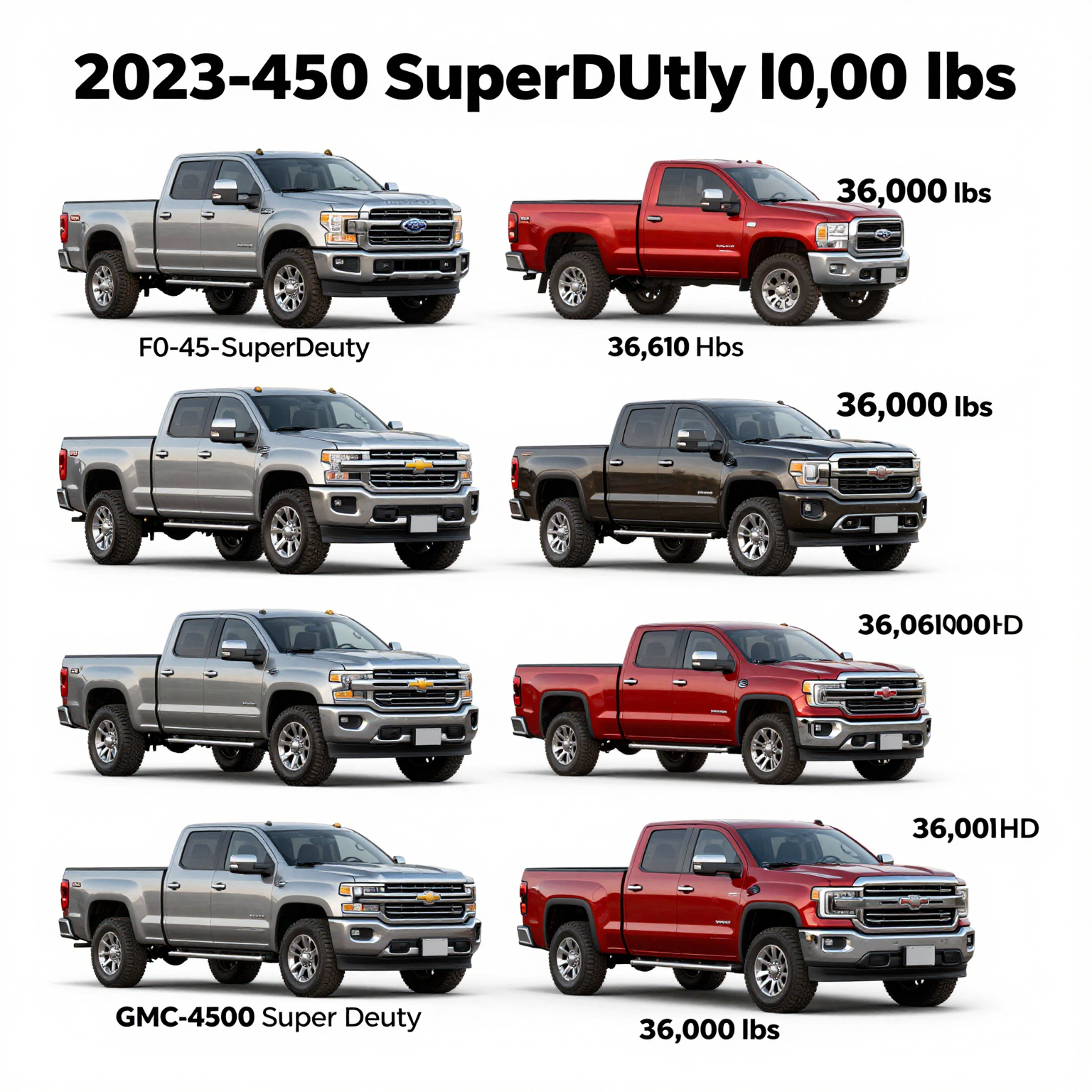
Truck Models and Their Towing Capacities:
- Ford F-450 Super Duty: 40,000 lbs
- Ram 3500 HD: 36,610 lbs
- Chevrolet Silverado 3500HD: 36,000 lbs
- GMC Sierra 3500HD: 36,000 lbs
These trucks are designed for robust performance, making them ideal for various heavy-duty jobs. For more information on towing services, check out our page on Burke Towing Services or DC Towing Services.
Towing Capacities of One-Ton Trucks
When it comes to one-ton trucks, business owners have several options with impressive towing capacities. Below is a comparison table showcasing the towing capabilities of various brands and models in 2023. This table serves as a handy reference for those looking to make informed choices:
| Brand & Model | Towing Capacity (lbs) |
|---|---|
| Ford F-250 Super Duty | 24,700 |
| Chevrolet Silverado 2500HD | 21,000 |
| Dodge Ram 2500 | 21,800 |
| Ram 3500 | 23,000 |
| GMC Sierra 2500HD | 20,000 |
The Ford F-250 Super Duty leads the pack with a towing capacity of 24,700 lbs, making it ideal for heavy-duty applications. The Chevrolet Silverado 2500HD and Dodge Ram 2500 follow with capacities of 21,000 lbs and 21,800 lbs, respectively. For those considering the Ram 3500, it offers a robust 23,000 lbs capability, while the GMC Sierra 2500HD rounds out the list with a 20,000 lbs towing capacity.
Choosing the right truck for towing needs can significantly impact the efficiency and productivity of your business operations. For more detailed information on our towing services, feel free to contact us for expert advice.
Factors Affecting Towing Capacity of One-Ton Trucks
When it comes to determining how much a one-ton truck can tow, several critical factors come into play. Owners and operators need to understand these towing capacity factors to make informed decisions regarding their trucks and their capabilities. Business owners who use one-ton trucks for hauling, towing, or transport will find that understanding these specifications can enhance productivity and safety.
1. Engine Power and Torque
The engine is perhaps the most significant factor influencing towing capacity. One-ton trucks are often equipped with powerful engines, and many newer models come with options for turbocharged diesel engines. Diesel engines typically offer higher torque compared to their gasoline counterparts, which is essential for moving heavy loads effectively. For instance, models like the Ford F-250 and Ram 2500 can achieve impressive towing capacities, with some configurations rated to tow between 14,000 to 18,000 pounds depending on the engine type and configuration.
2. Truck Configuration
The layout and design of the truck itself play a crucial role in how much weight it can safely tow. For example, trucks can be configured for either two-wheel drive (2WD) or four-wheel drive (4WD). Although 4WD can provide improved traction, it often leads to a reduction in overall towing capacity. Furthermore, modifications like the factory-installed towing packages that include heavy-duty brakes, suspensions, and upgraded cooling systems are designed specifically to enhance a truck’s towing ability.
3. Chassis and Frame Strength
The frame and chassis of a one-ton truck must be robust enough to handle heavy payloads. The strength of the materials used and the engineering behind the vehicle’s construction play a pivotal role. A well-constructed chassis can significantly increase the maximum weight the truck can tow. Differential gear ratios also affect towing ability; a higher ratio allows better acceleration under load while sacrificing some fuel efficiency. This balance is critical for sustained towing journeys.
4. Weight Distribution and Payload Capacity
Proper weight distribution is paramount when towing. The Gross Combined Vehicle Weight Rating (GCVWR) is vital, as it considers the truck’s weight plus any cargo and the trailer’s load. Business owners should ensure that the total weight of the loaded trailer does not exceed the GCVWR, which is often specified in the owner’s manual. Common recommendations suggest the trailer’s tongue weight should be about 10-15% of the total trailer weight to maintain stability. An incorrect weight distribution can lead to dangerous handling or even potential accidents.
5. Suspension System
The suspension system of a one-ton truck must be designed to absorb the stresses of towing. Upgraded suspension systems can help minimize the risk of not only vehicle wear but also improve comfort while towing. Trucks equipped with stronger leaf springs or air suspension systems are more adept at handling heavy loads, enhancing performance under tow.
6. Cooling Systems
Cooling systems must be efficient to prevent overheating when towing heavy trailers. Continuous towing can increase engine strain and temperatures drastically. Many modern trucks come with enhanced cooling systems as part of their towing packages to ensure that the vehicle remains in optimal operating condition during demanding tasks.
7. Braking Capacity
The braking system also affects towing capacity. Towing heavier trailers requires an effective braking system to manage stopping distances and prevent brake failure. Quality brakes designed for towing are essential, and business owners should consider installing trailer brakes to ensure safety when transporting heavy loads.
Understanding these factors can greatly aid in planning and execution for your towing needs. The right specifications not only ensure compliance with safety guidelines but also enhance operational efficiency in your business. For more on how to maximize your one-ton truck’s towing capacity, consider reading about various towing services tailored to meet your needs.
Average Towing Capacities of One-Ton Trucks
When it comes to evaluating the towing capacity of one-ton trucks, various conditions significantly impact their performance. Understanding these differences can help business owners choose the right vehicle for their needs. Below is a chart that outlines the average towing capacities of one-ton trucks in different conditions:
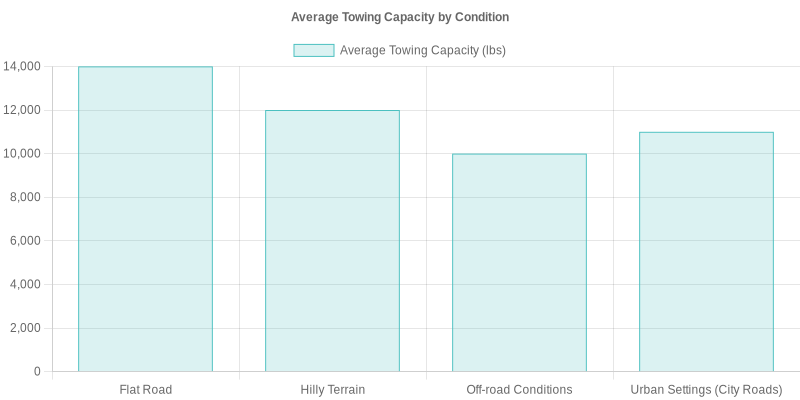
| Condition | Average Towing Capacity (lbs) |
|---|---|
| Flat Road | 14,000 |
| Hilly Terrain | 12,000 |
| Off-road Conditions | 10,000 |
| Urban Settings (City Roads) | 11,000 |
Data sources: Industry performance benchmarks and vehicle manufacturer specifications for one-ton trucks (2026)
For more insights on towing services and specifications, consider checking out our towing services in Burke and towing companies in Arlington.
Maximizing Towing Capacity: A Case Study of a Business Owner
Introduction
In the world of business, efficiency and reliability are paramount, especially when it comes to transporting goods. A one-ton truck is often the preferred choice for many business owners due to its impressive towing capacity and versatility. This case study explores how John, a business owner in the landscaping industry, effectively maximized the towing capacity of his Ford F-350 Super Duty to enhance his operations.
The Scenario
John operates a landscaping business in Texas that services numerous residential and commercial properties. His primary challenge was to transport heavy equipment, such as mulch spreaders and commercial lawn mowers, without needing multiple vehicles. After purchasing a Ford F-350 Super Duty, which has a towing capacity of up to 16,000 pounds, John embarked on a journey to optimize his vehicle’s performance for business use.
Strategic Planning
John first calculated his operational needs. Evaluating his most common equipment loads, he found that transporting a combination of a mulch spreader (3,000 lbs) and heavy-duty mowers (up to 4,000 lbs) regularly reached totals of about 7,000 lbs. Realizing the truck could handle much more, he took several steps to maximize its capabilities while ensuring compliance with safety regulations.
Equipment Optimization
To effectively utilize the towing capacity, John:
- Invested in a Quality Trailer: He opted for a 14-foot enclosed trailer designed to handle up to 7,000 lbs. This allowed him to load his tools and materials securely, reducing the risk of theft and weather damage while providing additional storage space.
- Upgraded Hitch Systems: Using a Class IV receiver hitch was critical for safely towing heavier loads. He ensured the hitch was rated for the trailer’s tongue weight and gross trailer weight.
- Maintained Proper Weight Distribution: John learned the importance of using a weight-distributing hitch, which allowed for better control and reduced sway, essential when driving on highways loaded with heavy equipment.
Results Achieved
After implementing these measures, John reported impressive outcomes for his landscaping business:
- Operational Efficiency: By using the truck exclusively for towing, John eliminated the cost of renting additional vehicles. This cut his operational costs by 30%.
- Increased Job Capability: With the ability to transport more tools and supplies at once, John expanded his job capability, handling multiple projects simultaneously. He secured several large contracts and his customer base grew by 20% in just six months.
- Safety Compliance: Regular maintenance checks and adhering to the manufacturer’s towing capacities ensured John’s safety compliance, reducing the risk of accidents and potential liabilities.
Practical Advice for Business Owners
Reflecting on John’s experience, here are key takeaways for other business owners using one-ton trucks:
- Know Your Towing Capacity: Understand your truck’s Gross Combined Weight Rating (GCWR) and ensure that the combined weight of your vehicle, passengers, cargo, and trailer stay within limits. Do not exceed the manufacturer-recommended capacities, as this can lead to mechanical issues or accidents. Learn more about towing capacity.
- Maintain Equipment Regularly: Conducting regular checks on brakes, tires, and the hitch system is vital to avoid malfunctions during critical jobs. Ensuring that your vehicle is in optimal working condition can prevent costly downtime.
- Utilize Technology: Leverage tools such as GCWR calculators to find the safe towing limits for your specific load. Using them helps maintain compliance with safety regulations and best practice guidelines for towing large loads, as noted by the NHTSA.
- Consider Upgrades: For maximum performance, evaluate upgrading to heavy-duty axles and cooling systems designed for towing if you regularly work with maximum loads.
Conclusion
The case of John and his Ford F-350 Super Duty illustrates how strategic planning and the right equipment can significantly enhance a business’s operational capabilities. By leveraging his truck’s full towing capacity, he not only grew his landscaping business but also ensured safety and efficiency. For business owners considering investing in a one-ton truck, similar practices can lead to substantial benefits. Contact a towing service for any specialized needs.
With proper understanding and management, a one-ton truck can be a powerful tool in driving business success.
Regulatory Considerations for Towing with a One-Ton Truck
When it comes to towing with one-ton trucks, business owners must navigate a complex landscape of legal regulations and standards. Securing compliance not only protects your business but also ensures road safety. Here’s a summary of the essential regulatory landscape.
Key Regulations and Limits
While the federal government in the U.S. doesn’t set universal towing limits, the National Highway Traffic Safety Administration (NHTSA) allows manufacturers to set maximum towing capacities based on engineering standards. For common one-ton trucks such as the Ford F-250 and Ram 2500, this capacity often ranges up to 18,000 pounds. It’s crucial for operators to observe the Gross Combined Vehicle Weight Rating (GCWR), which includes the weight of the truck, trailer, and any cargo being towed. Exceeding this limit can void warranties and result in legal liability during accidents.
In addition to federal guidelines, state-specific laws often impose further restrictions related to:
- Trailer weight and length
- Braking requirements for trailers
- Lighting standards
Important Considerations for Compliance
To ensure compliance with towing regulations, business owners should consider the following:
- Consult the Owner’s Manual: Always refer to your vehicle’s owner’s manual to understand its towing capacity and specific requirements for towing safely.
- Check Local Regulations: Different states may have varying laws regarding towing. For instance, California mandates electric brakes on trailers over 10,000 pounds while Florida requires special permits for commercial towing over this limit.
- Licensing Requirements: For commercial towing, ensure that you have the necessary licenses, which may involve adhering to FMCSA (Federal Motor Carrier Safety Administration) regulations.
- Safety Standards: All trailers must comply with federal standards for brakes, lights, and coupling devices to ensure safe towing practices.
Capacity of One-Ton Trucks
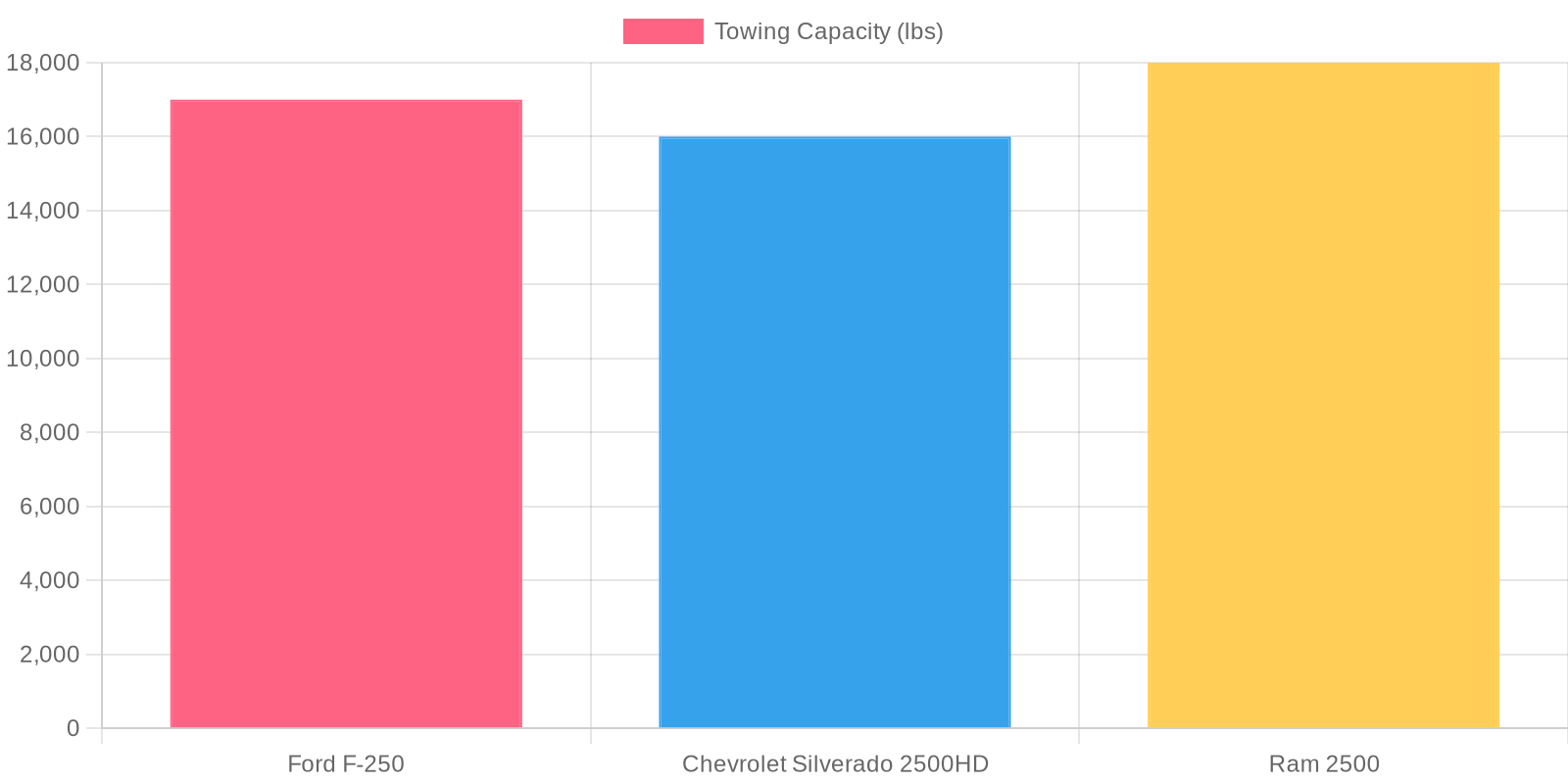
A bar chart depicting the towing capacity of some commonly used one-ton trucks illustrates their capabilities as follows:
| Truck Model | Towing Capacity (lbs) |
|---|---|
| Ford F-250 | 17,000 |
| Chevrolet Silverado 2500HD | 16,000 |
| Ram 2500 | 18,000 |
Owners should remain proactive about understanding and monitoring these regulations to ensure safe operations. By complying with legal requirements, companies can avoid fines, mitigate risks, and enhance their operational efficiency. For further insights on towing services and compliance, check out our Burke towing service and Washington DC towing services.
Conclusion and Call to Action
Understanding towing capacities is essential for every business owner who relies on heavy-duty vehicles like one-ton trucks. The ability to accurately assess how much a truck can tow not only ensures compliance with safety regulations but also protects your valuable assets during transport. A miscalculation can lead to costly damages, operational downtime, and even legal repercussions.
By grasping the specifics of towing capacities, you empower your business to make informed decisions about equipment and logistics. Whether you are managing a construction site, transporting materials, or ensuring heavy equipment is moved safely, knowing your vehicle’s limits will help you operate efficiently and effectively. This knowledge enhances the safety of your operations and can greatly reduce the likelihood of accidents related to overloading, which can be both dangerous and financially devastating.
Don’t wait – contact us today to discuss your needs, request a quote, or learn more about how we can support your mission to protect lives and property. Our team is here to provide expert advice tailored to your unique requirements and ensure your hauling needs are met with precision and reliability.
Towing Capacity of a One Ton Truck
When it comes to the towing capabilities of a one ton truck, it’s essential for business owners and fleet managers to understand the implications of these capacities. A typical one ton truck can tow around 10,000 to 12,000 pounds, depending on the specific model and configuration. However, exceeding the truck’s towing capacity can lead to serious safety issues.
“Understanding a vehicle’s towing capacity is critical for road safety. Overloading or unevenly packing a caravan significantly increases the risk of losing control, leading to serious accidents.” – Superintendent Shane Johnson, South Australia Police.
This emphasizes the importance of knowing the limits of your vehicle, especially if your business depends on towing heavy loads regularly. The one ton trucks like the Ford F-350 or Chevy Silverado 3500 are designed with heavy-duty towing in mind, but you must still adhere to recommended guidelines.
For more details on towing capacities, you can check this article on safety tips for towing. In addition, understanding the vehicle owner’s manual will provide important information on the combined Gross Vehicle Mass (GVM).

Image illustrating a one ton truck towing a heavy load.
When selecting a towing service or a truck for your business, consider reliable towing services in your area.