
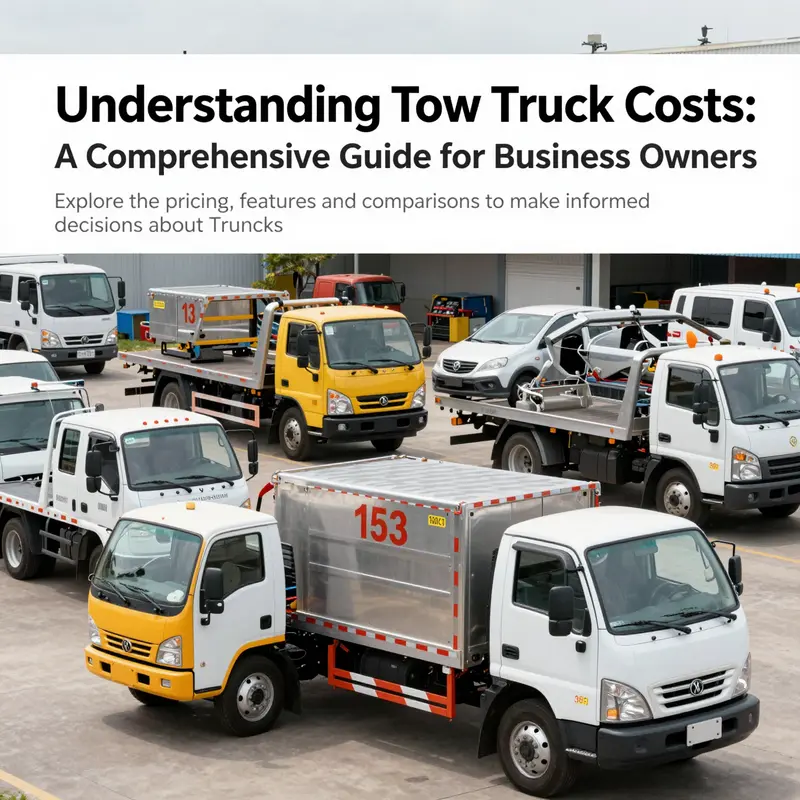
Owning a tow truck can be a vital asset for business owners in the towing and recovery industry. Understanding the costs associated with these vehicles, including their types and capacities, is crucial for budgeting and investment. This article will delve into the various factors that determine how much a tow truck costs, from light-duty models to heavy-duty wrecker trucks, while also considering the impact of used options. By the end of this guide, you’ll have a clearer picture of the financial considerations involved in acquiring a tow truck, as we explore pricing structures alongside performance capabilities and compare them against the price of other essential vehicles.
Tow Truck Price Tags: Mapping Costs, Capabilities, and Choices for Every Fleet
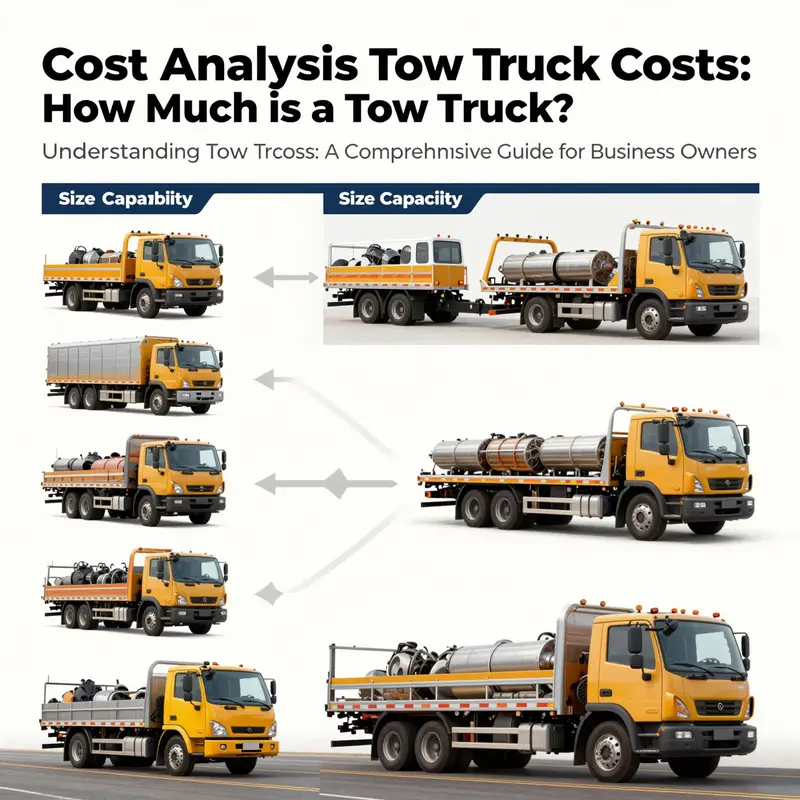
The price of a tow truck is more than a sticker on the hood. It is a reflection of what the vehicle is built to do, how much it can lift, and how it integrates with daily operations. Rather than chasing a single number, it helps to picture a spectrum—from light-duty flatbeds used for small recoveries to heavy-duty wreckers that can haul commercial fleets. The first rule of thumb is simple: the bigger and more capable the machine, the higher the cost, and often the higher the ongoing expense to keep it ready for work. Prices vary not only by size but by configuration, features, and whether the unit is new or used. The result is a broad market with options tailored to different emergencies, schedules, and budgets. For any fleet evaluating options, it pays to align the purchase with the actual tasks at hand and the expected life of the asset. A well-chosen truck is less about a one-time price and more about reliability, uptime, and the ability to recover operations quickly when a vehicle breaks down or is stranded on the road. Light and mid-size wreckers, roughly in the 5–8 ton range, typically command new-model prices in the neighborhood of eighteen thousand to twenty-eight thousand five hundred dollars. In practice, most basic configurations land near the lower end, while higher-spec setups with advanced winches, additional stabilizers, or enhanced hydraulics push toward the upper end, sometimes nearing forty thousand dollars. This dispersion is not arbitrary; it mirrors the tradeoffs between payload, reach, and ride quality on dense urban streets or rough rural lanes. To illustrate how regional differences can affect the bottom line, consider a local market that offers basic 5–8 ton units around the mid to upper twenty-thousands, with premium options climbing toward the forties. For readers thinking regionally, a quick reference point is useful: see the local resource tow-truck-washington-dc for a sense of how nearby fleets price and configure lighter-duty wreckers in similar environments. Moving up a notch to the medium and heavy categories, the 10–15 ton class introduces more substantial equipment and, with it, higher investment. A 10–15 ton flatbed or rollback wrecker can be as affordable as roughly fifteen thousand five hundred dollars, with typical new configurations ranging toward twenty-eight thousand to thirty thousand dollars depending on the precise setup. The heavier 15-ton wreckers, designed for larger vehicles and more demanding recoveries, commonly sit in the twenty-four thousand to thirty-five thousand dollar range when new, reflecting stronger booms, longer reaches, and more robust winches. As capacity grows, the price band expands accordingly. For those who need the pinnacle of heavy-duty recovery, a dedicated 50-ton class with an eight-by-four chassis can push upward to the range of forty thousand to seventy thousand dollars. The logic here is straightforward: the more weight the truck can lift, the more structural reinforcement, hydraulics, and counterweights are required, along with longer wheelbases and often more complex operator controls. Beyond new units, the used market presents a more modest entry point. Pre-owned tow trucks can appear for roughly seven thousand to twelve thousand dollars, depending on age, mileage, and overall condition. In some cases, units as old as eighteen years can be found at the lower end, while younger used machines tend to cluster closer to the eleven thousand to twelve thousand range. For buyers who want specialized capabilities, price escalates quickly. Rotator tow trucks, which feature rotating booms designed to lift vehicles from angles that other wreckers cannot manage, stand out as the most capable and costly options. A rotator can run from around one hundred fifty thousand dollars to three hundred thousand dollars or more, driven by the complexity of the hydraulic systems, the size of the rotating platform, and the training required to operate them safely. Alongside the initial outlay, ongoing costs accumulate. Routine maintenance, winch servicing, and the replacement of safety equipment like lights and alarms are part of the annual budget. Specialized tools, tow hooks, and chains add to the tally, and the energy demands of heavy-duty operations translate into higher fuel costs and potentially more frequent downtime for service. Total ownership costs extend beyond the vehicle itself. Insurance, licensing, and the risk of downtime all eat into revenue, especially for small fleets that rely on every hour of uptime. A simple flatbed may meet light-duty needs with modest ongoing costs, while emergency-response teams or large fleets may justify the investment in rotators and high-capacity wreckers by the speed, reach, and versatility they provide in critical moments. When planning a purchase, it helps to start with a clear map of the typical call scenarios, the average recovery weight, and the environments in which work is performed most often. A candid assessment of these factors helps determine not just the purchase price, but the total cost of ownership over the life of the vehicle. For more concrete market context, external resources offer up-to-date listings that reflect current conditions and regional variations. External resource: https://www.made-in-china.com/products/279712484775.html. Meanwhile, to connect with local data and see how these numbers play out in nearby markets, peruse the regional page linked earlier about Washington DC towing via the internal resource tow-truck-washington-dc.
What Drives the Price of a Tow Truck: Features, Functions, and the Road to Safe, Efficient Towing
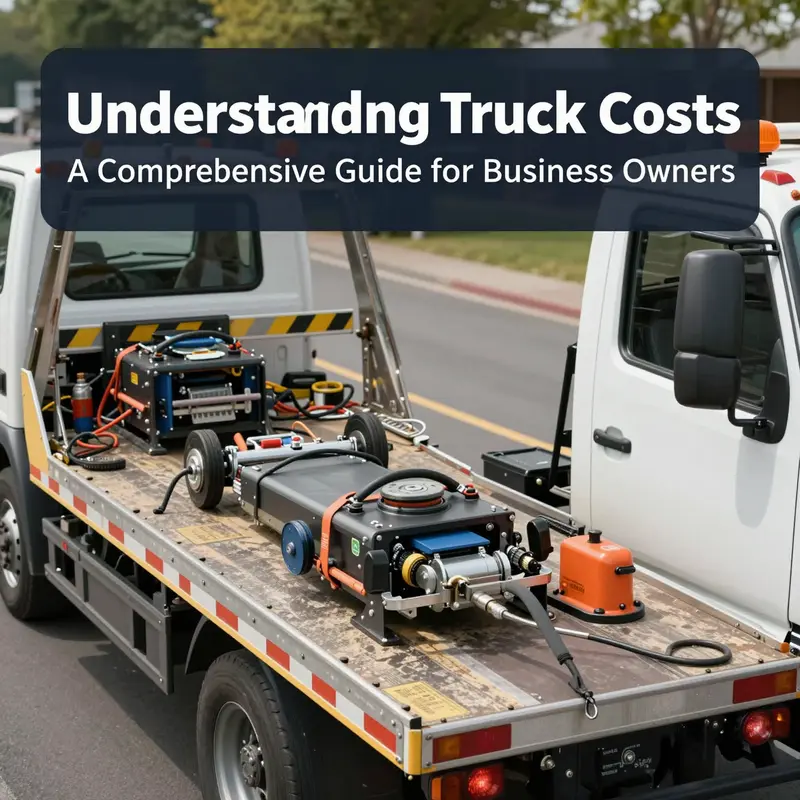
Pricing a tow truck is not a single-number calculation but a balance of capability, safety, and intended use. Fleet managers weigh upfront cost against total cost of ownership, including maintenance, insurance, training, and fuel. Light-duty wreckers sacrifice some reach for maneuverability, while rotators offer 360-degree reach and complex hydraulics that enable challenging recoveries, but at higher upfront and ongoing costs. Flatbeds provide a middle ground with reduced ground contact and robust safety features, and specialized configurations add to the price with corresponding performance benefits. A used unit may save upfront cash but bring higher maintenance risk, whereas a new model comes with warranties and known history but a higher sticker price. The best choice depends on the typical workload, risk, and operational efficiency the fleet expects to achieve. For readers evaluating local options, compare packages and total cost of ownership from multiple providers to understand how features, safety, and service plans translate into long-term value.
Tow Truck Price Ladder: How Costs Stack Up Against Other Vehicles and What It Means for Operators
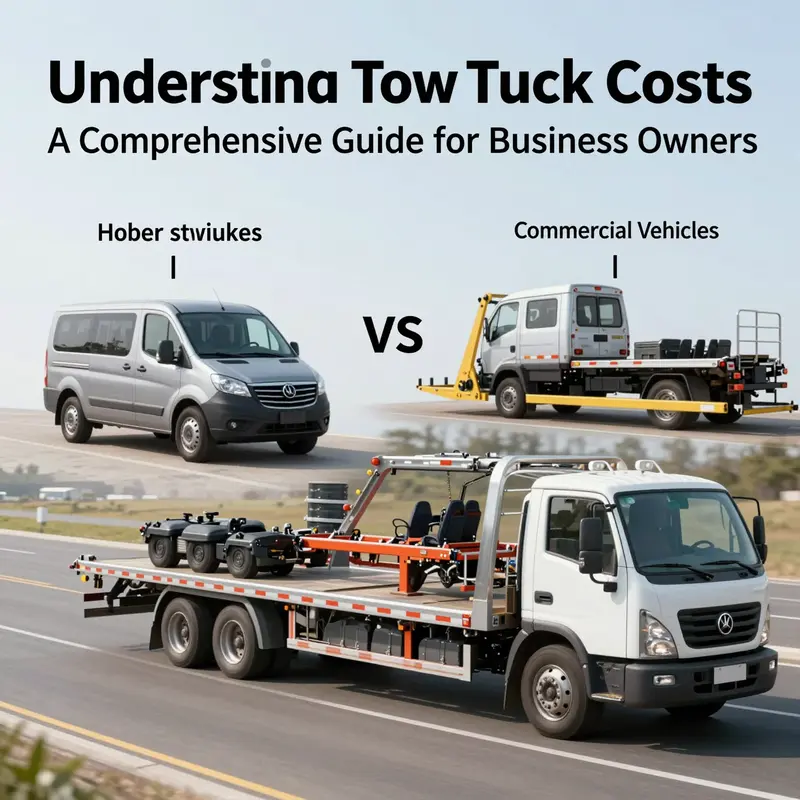
Tow trucks sit at a unique crossroads where engineering heft, safety demands, and ever-present urgency collide. Their price tags are not a simple sticker price but a reflection of size, capability, and the mission they must perform. For anyone evaluating whether to invest in a tow fleet, the spectrum of costs can be surprising. At the lower end, small to medium capacity units in the 5–8 ton class typically come in around 18,000 to 28,500 USD when bought new. If a buyer wants an extra winch or more robust recovery features within that same light-to-mid range, prices can stretch toward 27,500 to 28,500 USD for similar configurations. Those amounts already begin to hint at how much mechanical leverage, safety systems, and hydraulics contribute to the final bill. Moving up a notch to capabilities in the 10–15 ton range, the market widens in both scope and price. A 10–15 ton class flatbed rollback or wrecker often lands between 15,500 and 29,000 USD, though some configurations with added options or stronger chassis may push toward the upper end of that band or beyond, depending on the setup and condition. The cost differential here isn’t mere vanity; it is tied to a tougher frame, heavier hydraulics, longer hydraulically driven beds, and the reliability needed for more demanding recoveries that urban streets and highways inevitably present. In other words, as the loads, reach, and time-tolerance for uptime grow, so too does the price. For operators running large-scale operations or heavy-duty ecosystems, the market offers robust options in the 50 ton class, often housed in 8×4 configurations. These heavy-duty wreckers demand more substantial engineering to manage traction, stability, and safety when servicing large commercial vehicles or buses. The price range here typically stretches from about 40,000 up to 70,000 USD, with the upper echelons reserved for specialized builds or premium safety features. Yet even these figures don’t tell the whole story. In the realm of specialized power, rotator tow trucks—those with rotating booms capable of lifting overturned or awkwardly positioned vehicles—command a premium that can run from roughly 150,000 to 300,000 USD or more. The rotator’s price tag mirrors its specialized mechanics, training requirements, and the high-stakes scenarios in which it operates. Across the spectrum, there is also value in considering used units. A pre-owned tow truck can range from about 7,000 to 12,000 USD, depending on age, mileage, and overall condition. Used models, especially those with proven uptime in challenging environments, can offer a compelling entry point for operators with limited capital or a need to expand capacity quickly. For those who require bespoke or multi-purpose capability, specialized or custom builds can fall in a broad range, from roughly 36,000 to 72,000 USD, reflecting unique configurations such as multi-use bodies, integrated recovery systems, or non-standard payloads. These numbers illuminate a simple truth: tow trucks, even within a single class, are priced by the problem they are designed to solve. They outpace passenger cars because they carry heavy-duty frames, complex hydraulics, and fast-acting safety systems that must perform in unpredictable moments under high stress. They can outpace many standard commercial vehicles because they carry integrated recovery gear, winches, and sometimes multiple cross-mounted functions that extend beyond simple towing. The price differential is not arbitrary; it is aligned with uptime expectations, regulatory demands, and the potential costs of roadside failures that can cascade into longer delays for customers and communities. There are pragmatic, cost-saving paths as well. In some cases, international procurement—where manufacturing hubs in central and eastern regions of manufacturing hubs can reduce base costs—may trim procurement expenses by up to a quarter. The broader market also suggests that buyers should weigh total cost of ownership, not just sticker price: maintenance, parts availability, fuel efficiency, and warranty terms all affect long-term viability. For buyers seeking a concrete sense of local pricing, a look at nearby service ecosystems can help translate the numbers into real-world decisions. For example, in the DC area, a local context can illustrate how a mid-range 10–15 ton unit might perform in daily recovery operations, service call volumes, and fleet utilization DC towing service. Beyond local considerations, the global supply picture remains relevant; platforms that connect buyers with manufacturers can provide real-time data on availability, lead times, and bulk discounts. When prospective buyers compare cost against capability, the choice often narrows to operational needs: the size of the typical load, the typical terrain, the frequency of incidents, and the speed at which recovery must occur. The decision becomes less about chasing the lowest price and more about locking in a reliable, scalable solution that supports both the immediate recovery tasks and long-term fleet resilience. For readers seeking deeper pricing context across the global market, external market insights offer a broader lens on the economics of heavy-duty vehicles: Alibaba Tow Truck Suppliers.
Final thoughts
Understanding the costs associated with tow trucks is indispensable for business owners looking to invest in towing services. By analyzing the pricing of different types and their features, owners can make informed decisions tailored to their operational needs. As the towing industry continues to evolve, staying updated on pricing and features will help owners remain competitive and provide effective service. Be sure to consider both new and used options for the best fit for your budget. Every investment in a tow truck is an investment in your business’s ability to serve clients efficiently and effectively.