
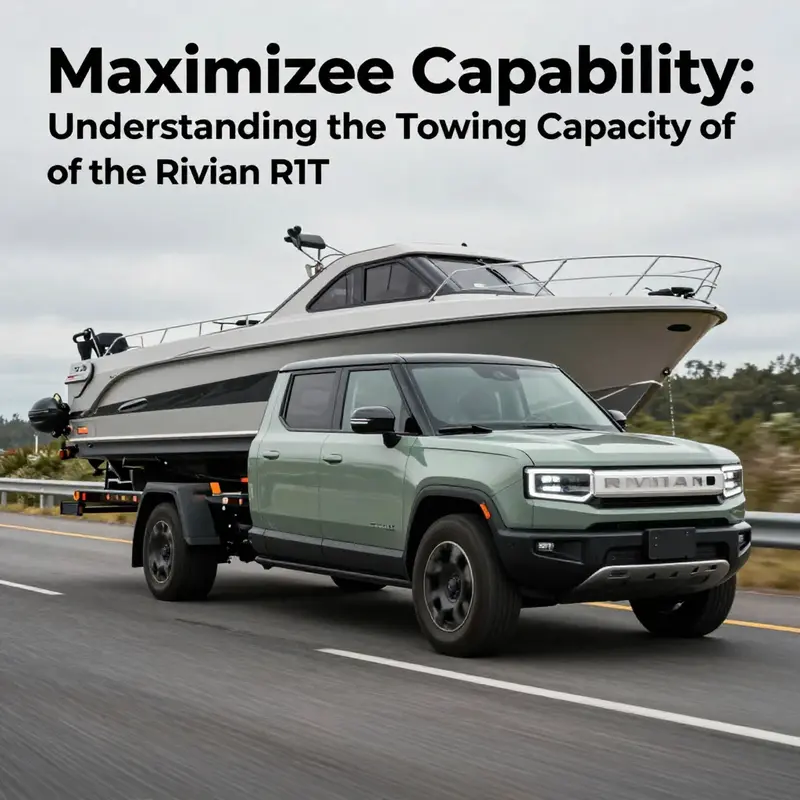
As the electric vehicle market expands, the Rivian R1T emerges as a game-changer for business owners requiring robust towing capabilities. This electric pickup truck not only boasts a towing capacity of 11,000 pounds, but it also integrates advanced technologies tailored for performance and safety. This article will delve into three critical aspects: an overview of the R1T’s towing capacity, best practices for optimizing your towing experience, and the performance factors that affect towing. Understanding these elements will empower business owners to make informed decisions about using the Rivian R1T for their hauling needs.
Unleashing the Power: Exploring the Rivian R1T’s Towing Mastery
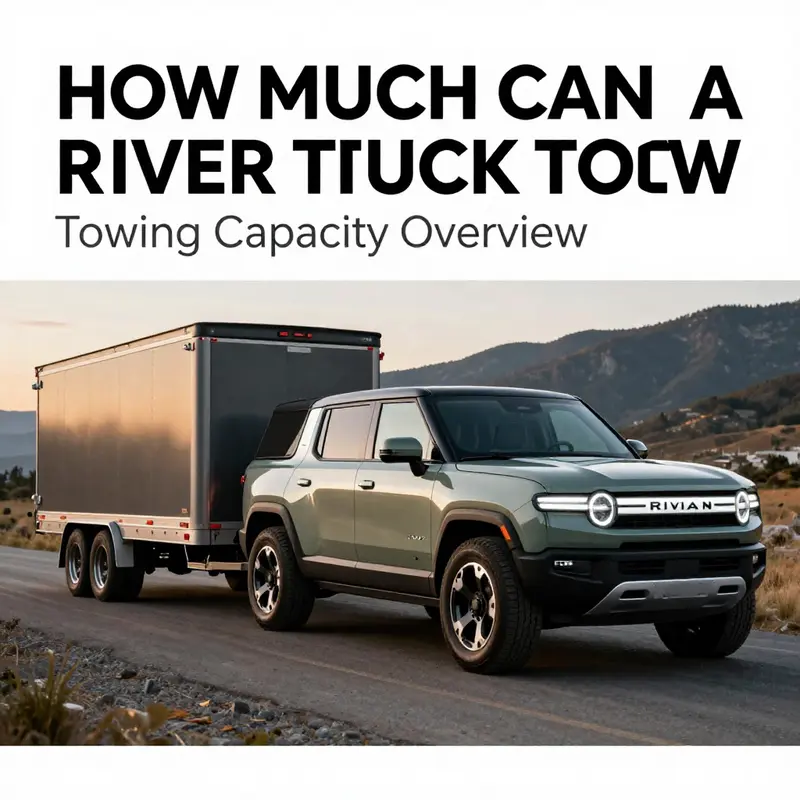
Few vehicles in today’s automotive landscape have reshaped expectations quite like the Rivian R1T. This electric pickup not only promises efficiency and eco-friendly transportation but also brings a level of raw, uncompromising power to the towing arena that rivals traditional heavy-duty trucks. Designed to harness the energy of a powerful electric drivetrain, the R1T boasts a maximum towing capacity of 11,000 pounds when properly equipped with the necessary towing package and optional 3.5 kW DC fast charger. This impressive capability places it firmly among the top contenders in the realm of electric trucks that are built for adventure, off-road performance, and demanding towing tasks.
At the heart of the R1T’s towing prowess is a robust electric powertrain that delivers up to 800 horsepower and over 900 lb-ft of torque. These figures are not merely impressive on paper; they translate into tangible performance gains that allow the truck to pull heavy loads ranging from large trailers and boat carriers to recreational campers and outdoor gear loads. The power that drives the R1T is meticulously managed by advanced cooling systems, ensuring that the drivetrain and battery remain well within operational limits even when towing over long distances or in challenging terrains. This integrated approach to performance and safety allows drivers to push the envelope without compromising on reliability.
One of the key design features that distinguishes the R1T is its integrated tow mode. This specialized mode optimizes the truck’s performance by fine-tuning various systems to handle the additional stress of towing. Activating this mode adjusts the torque distribution and engages advanced electronic stability control systems to improve overall handling. It also ensures that the vehicle’s cooling system maintains an ideal temperature, reducing the risk of component overheating during prolonged towing sessions. With these elements in play, drivers can be confident that every journey, whether along flat highways or rugged byways, is supported by a vehicle engineered to cope with the intensity of towing heavy loads.
Complementing the advanced mechanical and electronic systems is a comprehensive suite of safety features. Rivian has put considerable thought into the integration of compatible electrical connections and trailer brake systems, making sure that both the truck and its tow are in sync when it comes to braking and control. These safety measures work in concert with monitoring systems that alert drivers to potential issues before they escalate. As a result, the experience of towing with the R1T is not only about raw power but also about the assurance that cutting-edge engineering is protecting both driver and cargo.
When considering the broader scope of Rivian’s offerings, it is also worth noting that the company has extended its capabilities to other models. For instance, the Rivian R1S, an all-electric SUV, features a towing capacity of up to 7,700 pounds. While this figure does not match the R1T’s headlining 11,000-pound capacity, it still represents a significant achievement for an electric three-row vehicle. Both models emphasize Rivian’s commitment to adventure and versatility, ensuring that regardless of whether the journey requires the agility of an SUV or the might of a pickup, there is an option that meets the need for powerful towing.
It is also instructive to put the R1T’s performance into perspective relative to traditional combustion engine trucks. Conventional trucks that tow heavy loads typically rely on large displacement engines and complex transmission systems that demand frequent maintenance and fuel expenses. In contrast, the Rivian R1T leverages the inherent advantages of an electric drivetrain—instant torque, fewer moving parts, and simplified power delivery—which makes it not only a more sustainable choice but also one that is easier to maintain in the long run. The instant power available from an electric motor can be particularly advantageous when undertaking steep climbs or navigating unpredictable terrain with a heavy trailer in tow.
Another noteworthy aspect of the R1T’s towing capability is how it adapts to various driving styles and scenarios. The truck is engineered with a level of flexibility that allows it to transition seamlessly from city roads to off-road adventures. Whether moving through urban traffic or venturing into remote landscapes, the R1T is prepared to meet the demands of its driver. This versatility is further enhanced by features such as regenerative braking, which helps recover energy during deceleration and contributes to the overall efficiency of the truck, thereby extending the range even when towing.
Rivian’s commitment to continuous improvement and innovation is evident in how the vehicle’s systems work together holistically. Every component, from the tire grip on varied surfaces to the electrical calibration that manages real-time data, has been optimized to support the towing function. The design ensures that the machine’s weight distribution is maintained even under heavy loads, providing stability that is critical when navigating sharp turns or sudden evasive maneuvers. Drivers can experience a confident sense of control, knowing that their vehicle is not only powerful but also smart enough to adapt to the demands of the road.
For enthusiasts who might be considering road-side assistance or additional professional support during challenging tows, it’s worth referencing trusted providers such as the expert towing service in Manassas. Their expertise complements the advanced technologies found in vehicles like the R1T, ensuring that even if difficulties arise, both the journey and the load remain secure, and expert help is always within reach.
In summing up the R1T’s towing capacity, it becomes clear that this truck represents a significant leap forward in terms of what electric trucks can achieve. It delivers an 11,000-pound towing capacity that is many times the product of integrating advanced powertrain technology, refined engineering, and intelligent system management. For those who demand both performance and eco-friendly operation, the Rivian R1T redefines what it means to tow in the modern era. Every technical element, from the powerful drivetrain to the sophisticated cooling systems, works together to ensure that the R1T not only meets but exceeds the rigorous demands of heavy towing.
For additional detailed specifications and insights into how the R1T balances towing performance with payload capacity and battery range, interested readers are encouraged to explore further details provided by the official Rivian website at Rivian Official R1T Specifications. This deep dive into the engineering marvel of the R1T provides context and technical support that underscores the vehicle’s status as a pioneer in electric truck technology and its exceptional towing abilities.
Mastering Towing with the Rivian R1T: Balancing Power, Safety, and Best Practices
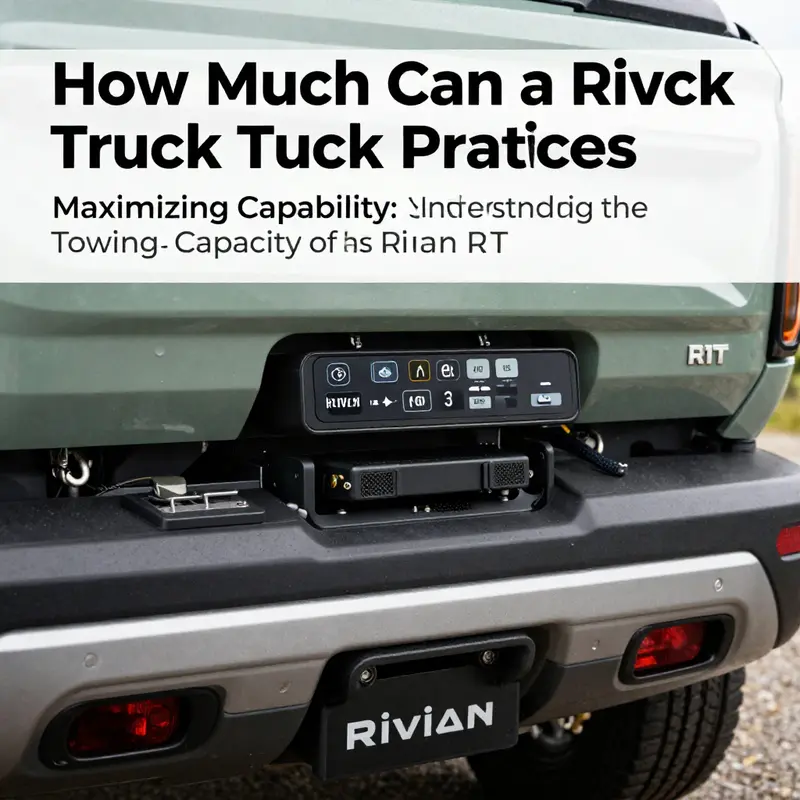
The Rivian R1T stands at the forefront of electric performance and innovative engineering, marrying impressive muscle with cutting-edge safety features. With a maximum towing capacity of 11,000 pounds (approximately 4,990 kg), the R1T has emerged as a formidable option in the electric truck arena. This chapter delves into the intricacies of towing with the Rivian R1T, providing a comprehensive look at how to harness its power while following recommended best practices that ensure safety, performance, and longevity.
For many, the notion of towing heavy loads has long been associated with traditional combustion engines. However, the R1T redefines expectations by offering an efficient electric drivetrain capable of pulling large trailers, boats, or campers with minimal environmental impact. The secret behind its robust towing abilities lies not only in raw power but also in a symbiotic relationship between advanced cooling systems and intelligent software integration. This combination ensures the truck can maintain peak performance even when tasked with challenging towing demands.
One of the first considerations for any towing venture is verifying the vehicle’s exact capacity. Although the R1T is rated for 11,000 pounds when properly equipped, several factors including the axle ratio and the presence of a heavy-duty trailer hitch package play a crucial role in actual performance. Instead of assuming one generic capability, drivers are advised to confirm the precise specifications of their vehicle configuration. Overloading the R1T can lead to performance degradation, increased wear on tire and brake components, and a potential compromise in safety. Understanding these nuances paves the way for an enjoyable and secure towing experience.
A key aspect of safe towing lies in the proper selection and maintenance of towing equipment. The R1T’s design necessitates the use of supportive tools such as weight-distributing hitches and brake controllers. Particularly when the load exceeds 3,000 pounds, the integration of a well-calibrated brake controller is non-negotiable. This device ensures that the trailer’s brakes engage appropriately in coordination with the truck’s own brakes, thereby maintaining control during sudden stops or emergency maneuvers. Additionally, regular checks of tire pressure become essential when towing. Tires are often rated for higher pressures under heavy loads, meaning that a lapse in monitoring could compromise the vehicle’s stability.
Beyond the mechanical components, the R1T boasts intelligent software interventions designed to optimize towing operations. The integrated Towing Mode adjusts the regenerative braking and power delivery systems to cope with the demands of hauling significant loads. Drivers are encouraged to familiarize themselves with these in-cabin features, often accessible via the vehicle’s infotainment system. Doing so not only aids in immediate handling during towing but also contributes to long-term maintenance of the drivetrain and battery systems. This built-in intelligence is a testament to the importance of aligning technology with user safety—a principle that underlies every aspect of modern electric vehicle design.
It is also important to note that while the R1T is built for rigorous performance, continuous strain from towing near the maximum capacity may not be ideal for everyday use. To prolong the vehicle’s lifespan and maintain overall efficiency, it is recommended that loads remain below approximately 80% of the maximum rating—roughly 8,800 pounds—for routine towing scenarios. This conservative approach helps to minimize the thermal and mechanical stress placed on the electric motors and battery, particularly during extended trips or when temperatures soar. Post-towing cooldown intervals also allow the truck to recover and prevent long-term degradation of essential components.
The challenges of towing, especially across diverse terrains or in high-temperature conditions, are mitigated by the R1T’s advanced cooling system. Designed to handle the additional heat generated during strenuous activities, these systems actively regulate engine and battery temperatures. This design feature not only contributes to consistent power delivery but also serves as an insurance of sorts against the debilitating effects of thermal stress. The cooling system works in tandem with the onboard sensors and control modules, ensuring that even in demanding environments, the vehicle remains in an optimal state.
Safety considerations extend beyond the proper use of equipment and into the realm of operator awareness. For seasoned drivers and novices alike, understanding the interplay between weight, balance, and vehicle dynamics is crucial. The best practices for towing involve periodic reviews of the owner’s manual and staying up to date with the manufacturer’s latest recommendations. Over time, this knowledge evolves with the introduction of software updates and hardware refinements, making continual learning a key component of safe towing practices. Furthermore, engaging with local towing experts can provide practical insights. For example, those seeking additional perspectives on towing etiquette and regulations might consult resources like Washington DC towing services, which offer valuable hands-on advice and serve as a reminder that real-world expertise complements manufacturer guidelines.
In practice, the actual experience of towing with the Rivian R1T is a blend of power, precision, and prudence. When properly set up, drivers can embrace scenarios from weekend camping trips to necessary heavy-duty hauling with confidence. Yet, the true strength of the R1T is not measured solely by its raw towing weight but by the union of engineering, software innovation, and strict adherence to safety protocols. This holistic view reinforces why the vehicle continues to be celebrated as a trailblazer in the electric truck space.
For those who are exploring the towing capabilities of the Rivian R1T, it is recommended to periodically review the official technical documentation available on the manufacturer’s website. Detailed guides, such as the Rivian R1T Towing Guide, provide exhaustive insights on everything from the evolution of towing technology to the minute details of battery management during extended haul trips. Engaging with these resources not only deepens one’s understanding but also empowers drivers to optimize their vehicle setup for the myriad conditions encountered on the road.
In summary, the Rivian R1T offers more than just a high towing capacity. It represents a comprehensive approach to modern vehicle design where digital intelligence meets mechanical precision. From verifying the proper configuration and ensuring equipment compatibility to understanding the benefits of an advanced cooling system and regulatory software features, every element fits into a broader narrative of safety and performance. Whether preparing for a heavy towing venture or simply considering future capabilities, users will find that the R1T’s design is steeped in a philosophy of balanced power and careful stewardship of both vehicle and environment.
Each towing operation demands careful planning and informed execution. By adhering to manufacturer recommendations and using the right vehicles with proper settings and equipment, drivers can achieve excellence in towing while preserving the integrity of their vehicle. The journey to mastering towing with the Rivian R1T thus becomes one of constant learning, preparation, and appreciation for the interplay of technology and safety—a lesson that transcends the boundaries of electric trucks and resonates with all who take on the challenges of modern transportation.
Pushing the Limits: Unraveling the Performance Factors Behind Rivian’s 11,000-Pound Towing Capacity
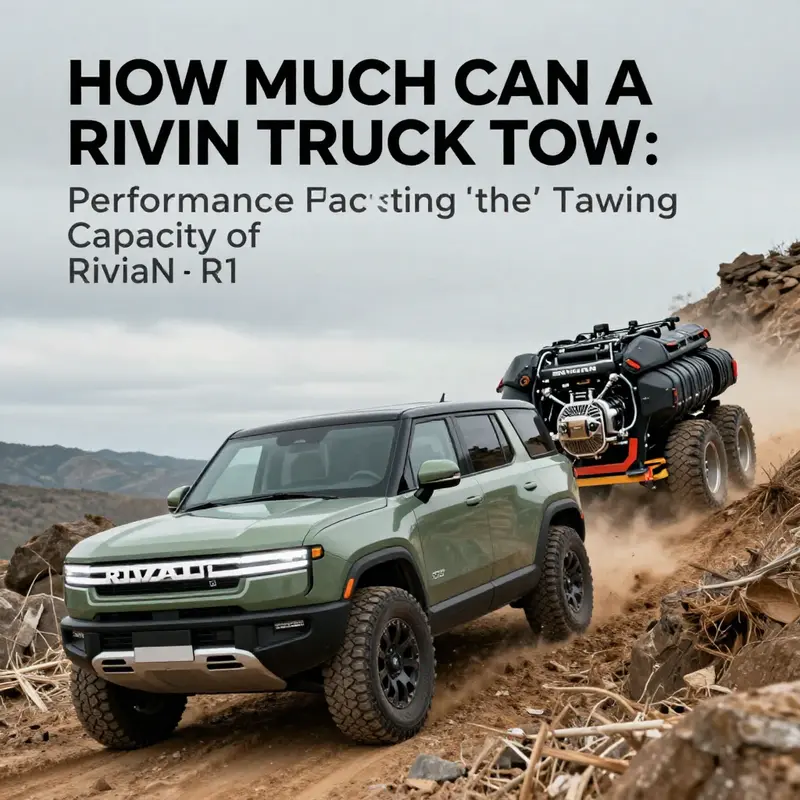
The Rivian R1T is not just another electric pickup; it is an engineering marvel designed to push traditional boundaries. Its impressive maximum towing capacity of 11,000 pounds under optimal conditions speaks volumes about modern electric drivetrain technology and robust vehicle engineering. This chapter explores the intricate performance factors that allow the R1T to tow such significant loads, while providing insights into how fundamental attributes like a dedicated tow package, battery configuration, and driving modes contribute to overall performance.
At the heart of the R1T’s towing capability lies the optional tow package. Without this advanced upgrade, the truck’s capacity is reduced, limiting its utility when heavy loads are involved. The package includes specialized hardware that supports enhanced cooling systems, which are crucial during extended trips or under strenuous conditions such as steep inclines or off-road treks. By incorporating additional cooling and power management components, the tow package ensures that the electric motors and battery remain within safe operating temperatures, thereby preserving both performance and longevity. This careful engineering is a direct response to the often-overlooked thermal challenges that come with sustained heavy-duty towing.
The influence of the battery in the R1T cannot be understated. A larger battery pack not only extends the driving range but also provides the necessary power reserve that supports high-torque demands when towing. The battery configuration interacts closely with the electric drivetrain, ensuring that power delivery is consistent throughout a towing session. When the truck is loaded with a trailer or extra cargo, the energy consumption is higher and temperatures can rise rapidly. By optimizing the battery’s output and incorporating fail-safes, Rivian ensures that the R1T maintains its performance even as the load increases. This symbiosis of battery and motor performance is vital for safely handling heavy trailers, boats, or campers.
Every towing scenario presents its own challenges. Terrain and environmental conditions play a large role in determining the actual towing capacity that can be safely utilized. When the R1T navigates steep inclines, uneven roads, or high ambient temperatures, the strain on the drivetrain significantly increases. These conditions force the vehicle to operate differently compared to cruising on a flat highway. For instance, towing uphill or in extreme heat may diminish the overall performance temporarily due to additional thermal loads on the cooling system and necessary power adjustments. Drivers must be aware that while the rated capacity is 11,000 pounds, actual performance will vary based on ongoing external factors. This emphasizes the importance of understanding the interplay between the truck’s advanced electronic systems and physical practicalities when it comes to towing.
Another key consideration is the load itself. The R1T is built to carry not just weight in the form of a trailer but also the extra burden from passengers, cargo, and ancillary equipment. Every extra pound impacts the total weight that the vehicle must manage. Even with a top-tier tow package, overloading any component of the vehicle can lead to compromised handling and safety. It is crucial for users to calculate the gross vehicle weight, including the towing load, to ensure that they do not exceed the vehicle’s limits. This precaution helps maintain the balance between the truck’s designed capabilities and safe real-world operation, preventing undue stress on vital systems and ensuring a safer journey.
The driving mode chosen by the operator is yet another influential factor. The R1T offers specialized modes, such as a dedicated tow mode and off-road settings, which adjust the vehicle’s dynamic responses to heavy loads. Engaging the tow mode optimizes the distribution of power and regulates cooling mechanisms across the drivetrain. Even with these advanced systems in place, the current battery state influences performance. A fully charged battery will deliver power more efficiently, whereas a depleted battery might limit the truck’s responses under heavy loads. This interdependency between battery state and effective towing highlights the significance of pre-trip checks and careful planning for long-haul towing endeavors.
Modern technology embedded in the R1T drives its success in extreme tasks. For example, the interplay between the tow package and the advanced cooling systems ensures that prolonged periods of towing do not lead to dangerous overheating. This is especially important during extended journeys where consistent towing on varied terrain can otherwise severely tax the vehicle. The engineering behind these systems has been refined through extensive testing and simulation, ensuring that even in critical situations, the truck operates well within safe parameters. For everyday users as well as enthusiasts embarking on off-road adventures, these measures offer peace of mind that modern electric trucks are ready to handle challenges traditionally reserved for diesel-powered behemoths.
While many focus on the raw power and technological prowess of the Rivian R1T, it is also important to consider the practical aspects of towing in everyday scenarios. In real-world conditions, variables such as road grade, weather, and even the quality of the trailer’s equipment come into play. Ensuring that trailers are fitted with compatible electrical connections and appropriate braking systems is essential. This is not just about improving performance but also about prioritizing safety for both the driver and other road users. Furthermore, attention to these details helps preserve the structural integrity of the vehicle, ensuring that heavy loads do not lead to premature wear or failure of critical components.
Many users find that having access to reliable towing services is equally important when handling such demanding tasks. The combination of advanced vehicle technology and access to quality towing support creates a well-rounded approach to managing any incident. For world-class support and a secure towing solution during unexpected situations, some drivers turn to specialized local services such as Washington DC Towing Services. These services not only provide roadside support but also offer valuable advice on how to maintain and operate vehicles under demanding conditions. Integrating advanced engineering features with external support networks underscores the comprehensive planning required for successful towing outings.
The design philosophy behind the Rivian R1T reflects a careful balance between raw performance and environmental awareness. The vehicle’s electric powertrain aims to reduce carbon emissions without sacrificing the utility expected from a heavy-duty truck. As consumer expectations evolve, manufacturers like Rivian are demonstrating that safety, performance, and sustainability can coexist. This mindset is especially significant in the towing segment, where the demands placed on vehicles have historically been met by less environmentally friendly technologies. By harnessing advanced battery technologies, innovative cooling systems, and intelligent power management, the R1T sets a new benchmark in towing capability while also aligning with future ecological standards.
In summary, the Rivian R1T’s ability to tow up to 11,000 pounds is not a simple figure but rather the result of thousands of hours of design, testing, and innovation. Every element—from the specially designed tow package to the intricate relationship between battery performance and cooling requirements—plays an integral role in supporting heavy-duty towing. As the R1T exemplifies, a modern electric truck can meet the rigorous demands of both performance enthusiasts and everyday drivers. For those eager to explore further technical details and comprehensive specifications, visiting the official specifications page offers a wealth of information on these advanced capabilities. More details can be found at Rivian Official R1T Specifications.
The integration of sophisticated technology with practical design considerations marks a new era for towing in electric vehicles. Rivian’s innovation paves the way for a future where high performance and energy efficiency are not mutually exclusive. As consumer needs continue to evolve, the R1T stands ready to redefine what is possible in the realm of electric heavy-duty vehicles, setting the stage for further advancements in towing technology and vehicle safety.
Final thoughts
The Rivian R1T stands out as a formidable choice for business owners needing reliable towing solutions without compromising on environmental responsibilities. Its towing capacity of up to 11,000 pounds coupled with recommended practices for optimal towing ensures that it meets varied business needs effectively. By understanding the performance factors at play, business owners can leverage the R1T’s capabilities to enhance productivity and efficiency in their operations. As electric vehicles continue to evolve, the R1T exemplifies the future of towing and hauling.