
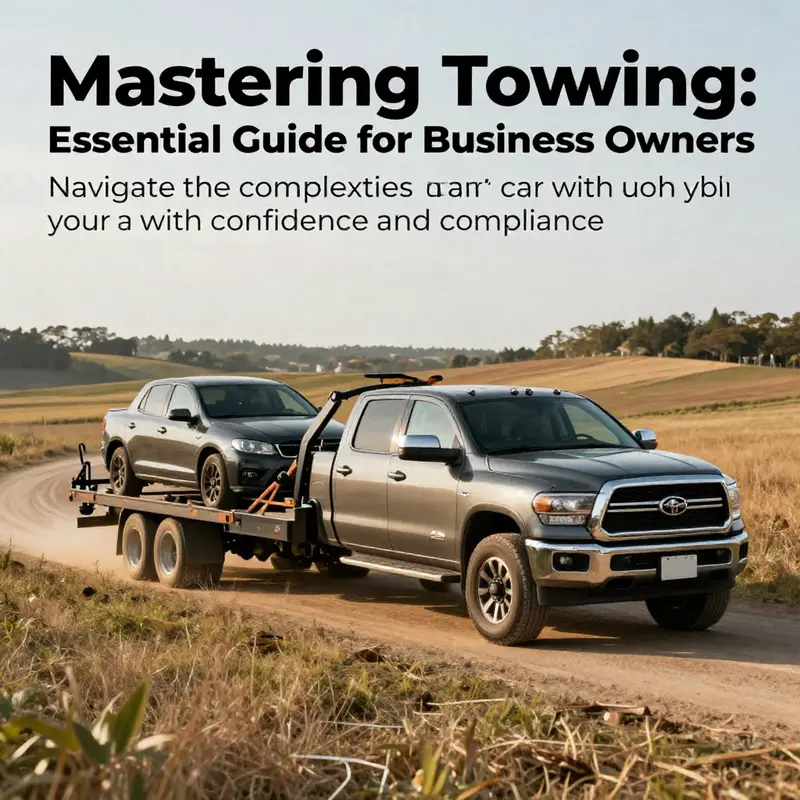
Towing a car with a pickup truck is not just a practical task, but a responsibility that demands a comprehensive understanding of legal requisites, equipment selection, and safety practices. As a business owner, the ability to tow vehicles can enhance your service offerings, create efficiencies, and minimize downtime. This guide walks you through the critical legal requirements, how to choose the right gear, and safe towing practices, ensuring you responsibly manage towing operations while protecting your assets and reputation.
Legal Roadmap for Towing with a Pickup: Navigating Weight, Equipment, and Compliance
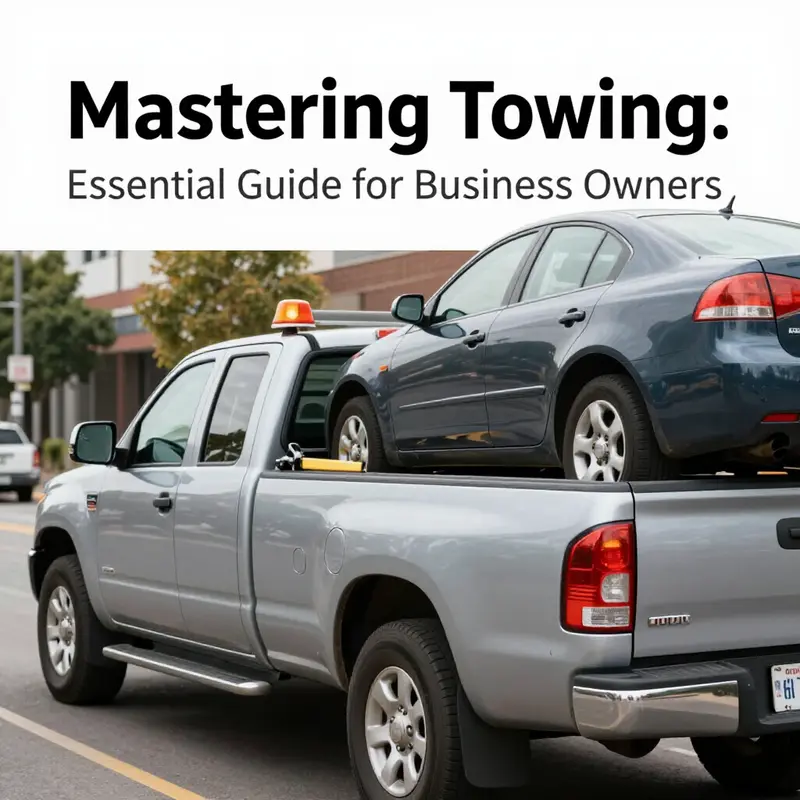
Towing a car with a pickup truck sits at the intersection of physics and law. The truck’s power and rugged frame give you real capability, but legal compliance shapes what you can tow, how heavy the load is, and the safety standards you must observe. The core principle is straightforward: the combined weight of the towed vehicle and any cargo must not exceed the pickup’s towing capacity, a figure that is published in the owner’s manual or on a specification plate near the driver’s door. Exceeding that limit is not just unsafe; it is illegal in many places and can void insurance or warranty. Because weight ratings depend on the vehicle, the first step is to verify the exact numbers for your particular truck and the trailer or towable vehicle. A careful balance between payload, tongue weight, and trailer weight matters more than it might appear on a quick glance at a gauge. This is where legal and mechanical considerations align, guiding you toward responsible choices rather than risky improvisation. The stakes are higher than grip strength or willpower; the rules exist to keep you, others on the road, and the towed vehicle safe during missteps, from sudden braking to sharp turns.
Beyond weight, the equipment you rely on must be specifically rated for the task. A standard hitch and receiver can handle light to medium loads if properly sized and installed, but heavier tows often demand more robust solutions such as properly rated gooseneck or fifth-wheel setups for certain trailers. Even for a simple car-on-a-dolly arrangement, the hitch must be securely mounted to the truck’s frame and matched to the trailer’s weight. The message is clear: do not assume compatibility. The hitch and its connections should be inspected before every tow, with attention to wear, corrosion, and secure locking pins. This is not merely about equipment quality; it is about maintaining a fail-safe link between the truck and the towed vehicle under dynamic conditions, including braking, acceleration, and cornering.
Braking is another critical line in the legal and safety framework. When the towed vehicle reaches a weight threshold—often around 680 kilograms (roughly 1,500 pounds) in many jurisdictions—the towed unit may require its own braking system that integrates with the tow vehicle. Some places mandate a brake controller that modulates the towed brakes in coordination with the truck’s system. This reduces stopping distances and helps prevent trailer sway. If the towed car has functioning brakes, those brakes should be connected properly and tested, ensuring the brake lights and the trailer’s signal lights synchronize with the truck’s lighting system. Lights and electrical connections are non-negotiable requirements; a towed vehicle must signal turns, brakes, and running lights as part of standard road safety. A loose or misconnected lighting system is a legal violation in many jurisdictions and a major risk on the road, especially at dusk or night.
Regulatory compliance goes beyond mechanics. Some regions impose specific towing rules about how long a vehicle or trailer can be, the permitted methods of towing, and whether a permit is needed for longer or heavier combinations. It is essential to check local regulations, especially if crossing jurisdictional lines. Insurance coverage should also be verified; most policies extend to towing, but confirming this with an insurer helps prevent gaps in coverage should damage occur or a claim arise. Registration for the towed vehicle may remain active or require certain notifications, depending on the laws in your area. In this landscape of rules and ratios, a careful, documented approach—checking the manual, confirming equipment ratings, validating braking and lighting connections, and understanding local permits—brings the task from a potential hazard to a lawful, predictable operation. To see how these practical steps translate into real-world guidance, consider the regional perspective at our Washington DC towing service page, which outlines how local practice aligns with broader guidelines. towing service in Washington DC.
As a reminder of the authoritative safety framework, the National Highway Traffic Safety Administration provides comprehensive guidance on towing safety and legal requirements, which is a valuable reference when planning a tow, choosing equipment, and confirming compliance. External resources should be consulted to ensure current standards are reflected in your preparations and actions: https://www.nhtsa.gov.
Gear That Guards the Tow: Selecting the Right Equipment When Towing a Car with a Pickup
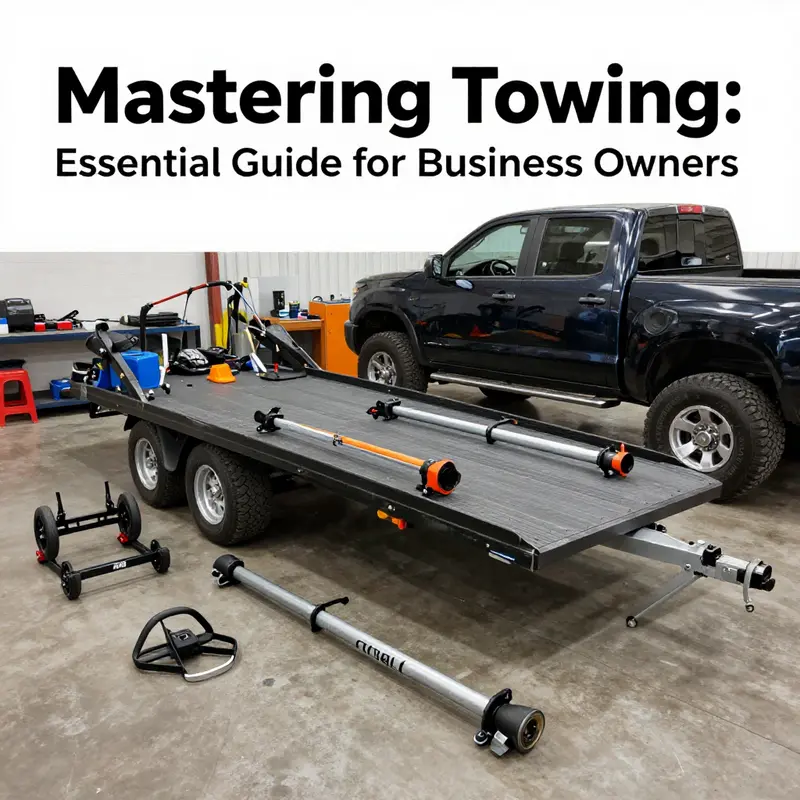
Choosing the right gear for towing a car with a pickup is not about collecting options. It is about matching the towed vehicle’s weight, its condition, and the distance to a connection that can stay secure under stress. The decision boils down to three practical options that cover most scenarios, from a small sedan to a heavier, less mobile car. Each option carries its own advantages, installation considerations, and limits. When you pick the gear, you protect the transmission, steering, tires, and even your own peace of mind as you move through traffic. If you need local guidance on arranging service, a nearby option is towing service in Washington DC.
First is the Tow Rope, the simplest and most economical method for light loads. A tow rope is best for compact cars or sedans under roughly 2 000 kilograms. It suits short distances and low speeds, such as a few kilometers to a shop. The rope is inexpensive, portable, and quick to deploy, but it demands strict discipline. Only use it when the towed vehicle can steer and brake normally. Keep speeds under 50 kilometers per hour, and ensure the rope is rated for at least twice the weight of the towed vehicle. Look for anti slip hooks, abrasion resistant material, and reflective strips so the setup remains visible in dim conditions. The key with a rope is simplicity, paired with rigorous respect for weight limits and control, because a sudden tug or a misalignment can quickly escalate into a dangerous sway.
The second option is the Hard Tow Bar, a stiff, rail like connection that links the pickup directly to the vehicle being towed. This setup is recommended when the load is heavier or when the towed car has disabled brakes or steering. The hard tow bar provides a rigid linkage that reduces sway and helps maintain direction during turns or abrupt stops. Installation matters greatly here: the bar must fit the frame of the towed car, and it should be attached with secure mounting brackets and safety chains. Weight capacity must meet or exceed the actual mass of the towed vehicle, leaving a margin to account for dynamic conditions on the road. With a bar, you gain stability, but you also carry a more substantial piece of equipment that requires careful alignment and regular checks during the journey.
The third option is a Flatbed Trailer, which offers the highest level of protection for the towed car. A flatbed lifts the entire vehicle onto a platform, freeing all four wheels from road contact. This approach minimizes wear on tires, suspension, and drivetrain and is especially advantageous for damaged or high value vehicles. While flatbeds provide superior protection, they are more expensive and less portable than ropes or bars. For long distances or when the towed car has serious mechanical faults, a flatbed is often the wisest choice, because it keeps the vehicle in a stable, controlled state from start to finish.
Behind the choice of equipment lies a shared discipline: verify capacity and compatibility before you move. Confirm the pickup truck can legally tow the towed vehicle within its rated limits, and check that the chosen method can be securely attached to both vehicles. Inspect all connections, including straps, bars, and the trailer hitch if a flatbed is involved. Ensure the towed vehicle lights are functional and that the braking system remains unaffected during transport. In practice, this means taking a few minutes to test the setup with a gentle pull before any road travel, listening for unusual noises, and watching for any shifting of the towed car. Safety chains, proper lighting, and clear signaling are non negotiable when you share the road with other drivers.
Beyond the hardware, plan the journey with awareness of speed and maneuverability. Even with the right gear, the towed combination behaves differently. Increase your turning radius, gradually apply the brakes, and leave extra space to stop. Check mirrors frequently for sways or misalignments, and stop to resecure any straps if conditions change. The goal is to arrive with both vehicles intact and undamaged. When professional help is warranted, a licensed local tow service can provide the right equipment and the trained handling to ensure a smooth tow. For external safety guidance, see the National Highway Traffic Safety Administration guidelines on towing safety. Their recommendations emphasize capacity verification, proper connections, and cautious driving, all of which align with the practical steps outlined here. https://www.nhtsa.gov/vehicle-safety/towing-safety
Tow Ready: Thorough Preparation and Safe Practice for Towing a Car Behind a Pickup
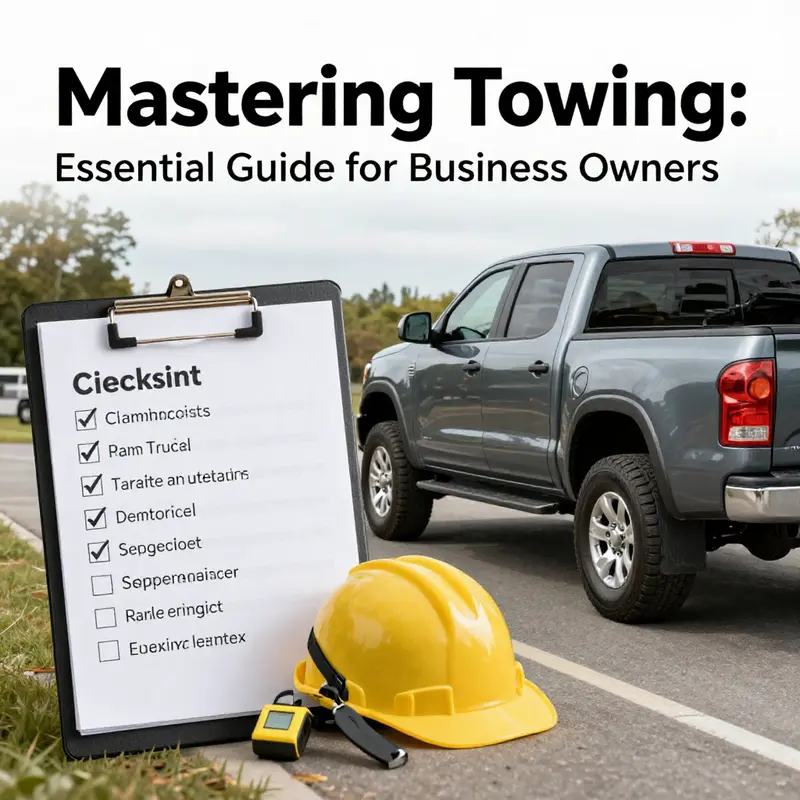
Towing a car with a pickup can be done safely, but it demands a disciplined, methodical approach that begins long before you hook anything up. The core idea is simple: the pickup must be capable of handling both the weight of the towed vehicle and the extra stress it imposes on steering, braking, and handling. That means confirming your truck is adequately equipped and physically larger and heavier than the car you plan to tow, especially when you face hills, curves, or longer distances. Start with the basics: consult your owner’s manual to verify your pickup’s towing capacity and to understand how the manufacturer recommends connecting a towed vehicle. The total weight of the towed car, plus its cargo and any towing accessories, should remain within those limits. If the car you’re moving is a heavy sedan or you know traffic will demand frequent acceleration on grades, you may need professional guidance or a more capable trailer setup. Safety also hinges on visibility; any towed vehicle must have functioning brakes and lights that synchronize with the pickup’s signaling system. A brake or lighting failure can create dangerous blind spots and increase the risk of a collision, especially in low visibility or heavy traffic. With the vehicle compatibility confirmed, the choice of equipment follows logically. A flatbed trailer is widely regarded as the safest and most versatile option, because it lifts the entire car off the ground, preventing drivetrain, tire, and suspension stress. If you opt for a dolly, remember it’s best for certain drivetrains and for shorter, low-speed moves. Do not use a dolly for automatic transmissions unless the manufacturer explicitly allows it, because many automatics require special procedures or may suffer damage. A tow bar can work well for short moves with a manually driven vehicle or with an automatic that has a tow mode, but it restricts speed and distance and demands a stable steering system. In emergencies, a tow rope is possible only for very short distances and at low speeds, with careful coordination and clear signaling between drivers. To keep everything aligned, you must prepare the towed vehicle itself. Release the handbrake, set the transmission to neutral or to a manufacturer-specified tow setting, and inspect both vehicles for any obvious issues—tires properly inflated and not worn, brakes responsive, and no fluid leaks or loose components. The hitch, ball mount, and any adapter must be rated for the combined weight and secured with the right pins and clips. Inspect all connections, and strap or secure the towed vehicle to prevent any shifting that could threaten control during motion. Once connected, perform a gentle test pull at a crawl to confirm the system is stable before attempting a normal drive. Lighting and signaling are not optional add-ons; they are essential lifelines for other road users. Use a reliable wiring harness to link the towed car’s brake lights and turn signals to the pickup. Test the lights in a safe area to ensure they function in concert with the truck’s indicators. If you’re planning long trips or higher speeds, the safer route tends to be flatbed towing; if you must tow with the wheels on the ground, practice conservative speeds and shorter distances, and stay within the manufacturer’s guidelines. In terms of speed and maneuvering, the rule is conservative and clear: limit speeds—often around 50 km/h, or whatever the local law dictates—and anticipate the longer stopping distance and wider turning radius. The added length of the combined vehicle demands extra space for lane changes, merges, and cornering. Avoid rough surfaces and high-traffic highways when possible, because bumps and rapid shifts can loosen straps or joints. Driving requires constant vigilance: monitor mirrors for sway, listen for unusual noises, and be alert to heat buildup in the braking system or drivetrain. Throughout the journey, keep the towed vehicle in view and maintain ample following distance from the vehicle ahead. After you reach your destination, stop gradually, unhook the towing equipment, and inspect both vehicles for any new damage. If you need professional assistance or guidance in a specific area, a local service can provide hands-on support; for instance, a reliable option in the Washington DC region is towing service in Washington DC. This kind of localized help can be invaluable when conditions are tight or roadways demand extra caution. For broader safety tips beyond the regional context, consider established automotive safety guidance such as the resource from MotorTrend that covers safe car movement in various situations: https://www.motortrend.com/cars/how-to-safely-move-a-car-yourself-practical-tips-for-every-situation/.
Final thoughts
Towing a car with a pickup truck is a task that requires more than just the willingness to assist; it necessitates a thorough understanding of legal standards, proper equipment selection, and diligent safety practices. As a business owner, adhering to these guidelines ensures not only the safety of your operations but also enhances your credibility and service quality. By prioritizing these aspects, you can efficiently manage towing requests, minimize risks, and maintain customer trust in your services.