
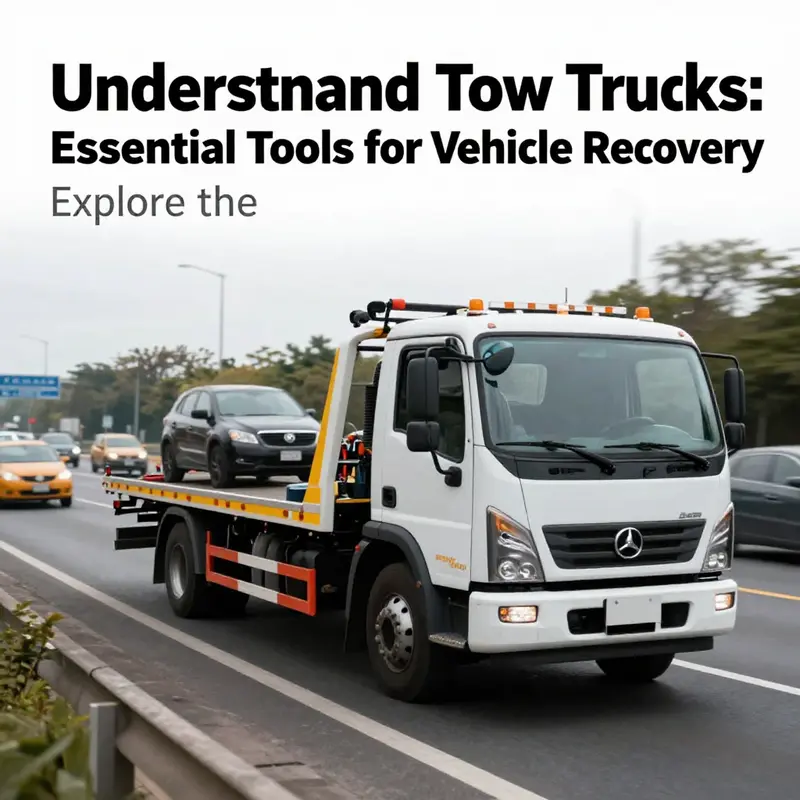
Tow trucks are indispensable assets in the automotive and transportation sectors, offering crucial support for vehicle recovery and management. With their specialized design and mechanical capabilities, tow trucks handle a diverse range of situations—from assisting broken-down vehicles to managing roadside incidents. This article delves into the definition and history of tow trucks, the various types and mechanisms in use, and their importance in maintaining road safety and efficiency, making it a must-read for business owners involved in transportation and related services.
Tow Trucks Uncovered: The Workhorse Machines That Keep Roads Moving
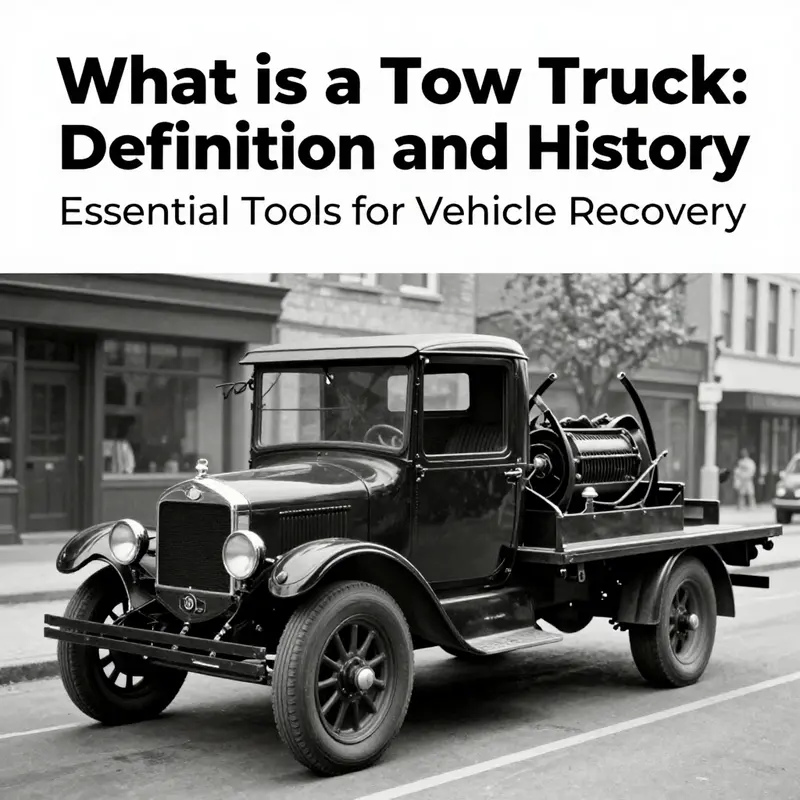
On the surface, a tow truck appears simple: a vehicle that can pull or lift another car. But the design reveals a careful balance of power, control, and safety. A tow truck is typically equipped with a winch, a towing cable or chain, and some form of a secure platform. Depending on the model, you might see a hydraulic boom that can reach and lift, or a flatbed that tilts and slides the disabled car onto a bed for transport. Across English speaking countries, people call it different names. The term most Americans recognize is tow truck, while in parts of the UK the same vehicle is a breakdown truck or wrecker. Yet despite the vocabulary differences, the core purpose remains the same: to recover a vehicle and relocate it to a place where repairs can begin or the vehicle can be stored under control.
From simple beginnings in the early auto era to the purpose built machines of today, tow trucks tell a story of road mobility. Early devices were improvised by garages and repair shops. In the 1920s the first modern tow trucks appeared, built specifically for the job rather than adapted from another service vehicle. Companies worked on stronger chassis and better winching systems and safety devices. By mid century, tow trucks could lift heavy vehicles and operate on busy highways with complex traffic environments. Today the equipment has evolved further with more precise hydraulics, computerized controls, and anti theft devices, making the recovery process safer and more predictable.
Tow trucks play a vital role in emergency response and road safety. They are deployed during accidents, breakdowns, or when vehicles are parked illegally. Law enforcement agencies rely on them to clear blocked lanes and restore order after incidents. In many regions, tow operators coordinate with dispatch centers to plan a response that minimizes disruption to traffic while protecting responders and the vehicle owner. This coordination can involve choosing a suitable vehicle type for the scene, such as a lightweight wheel lift for a small car or a heavy duty unit for a bus or a truck. The choice matters because a poorly chosen method can cause extra damage or create new hazards on the road. The operator must assess weight distribution, angles, and road conditions before attempting to move a vehicle.
On arrival at a scene the operator quickly establishes safety measures. Wheel chocks may be placed to prevent rolling. The vehicle is assessed to decide whether to use a hook and chain approach, a wheel lift, or a flatbed. In many cases the load is secured with straps or chains to prevent movement during transport. The winch is used to apply controlled force, pulling the car toward the bed or toward the towing point without jerks that could cause suspension damage. If a flatbed is chosen the bed tilts and slides underneath the vehicle, lifting it entirely off the ground and then repositions it on the bed. The operator must balance speed with care, especially in urban streets or on highways where other drivers are present and the risk of secondary incidents is real.
In modern fleets you can find several basic configurations. There are flatbed tow trucks that offer a carriage system for any car to ride securely. There are boom or wrecker types that can use a hydraulic arm to reach and recover vehicles that are stuck in ditches, on embankments, or in tight spaces. There are wheel lift units that use a mechanical yoke to lift the front or rear wheels while dragging the rest of the vehicle. Each kind has its place, and the best choice depends on the scene, the weight of the vehicle, and the surface on which it sits. In dense urban areas the emphasis is on maneuverability and quick accident clearance, while in rural settings the priority may be on stabilizing the vehicle and safely transporting it over longer distances to a repair shop or storage facility.
The human element is essential. Tow operators must be trained in safe vehicle handling, securing loads, and understanding local regulations about impounds and fees. They work closely with police, highway authorities, and tow yards to ensure that vehicles are not moved until proper authorities authorize removal. The day to day work can be physically demanding, but it also keeps traffic moving when a vehicle breaks down or when an obstruction blocks the way. When readers in a city like Washington DC need assistance they may search for a local provider such as the resource at tow-truck-service-washington-dc, which offers context on service scope and capabilities in the area. This is a reminder that a good provider blends technical skill with situational awareness.
In the United Kingdom the same class of vehicle is frequently called a breakdown truck. The terminology reflects a different road service tradition, but the function is the same a mobile workshop that can recover stuck cars and move them toward repairs. The global presence of tow operations is a reminder of how mobility depends on a quiet network of specialized machines that exist to solve a problem we would rather not face but must respect in the daily rush of traffic and weather.
As roads evolve with automation and changing traffic patterns, tow trucks will adapt too. Self contained, highly controlled recovery procedures and better communication with dispatch teams will help reduce incidents and injuries. Engineers are exploring smarter winch controls, safer anchoring systems, and better load rating data so operators have a clear picture of what the machine can safely handle in any given moment. The driving principle remains simple: move the vehicle without creating new hazards and do so with as little disruption to other road users as possible. The chapter closes here without closing the story because the equipment itself is a mirror of how we move through the world. It reflects a mixture of engineering, logistics, and public safety that keeps roads usable even when the unexpected happens.
For those who want a concise, official definition and usage notes, the Cambridge Dictionary entry can be consulted: https://dictionary.cambridge.org/dictionary/english/tow-truck
Tow Trucks Unveiled: How Types and Mechanisms Power Roadside Recovery
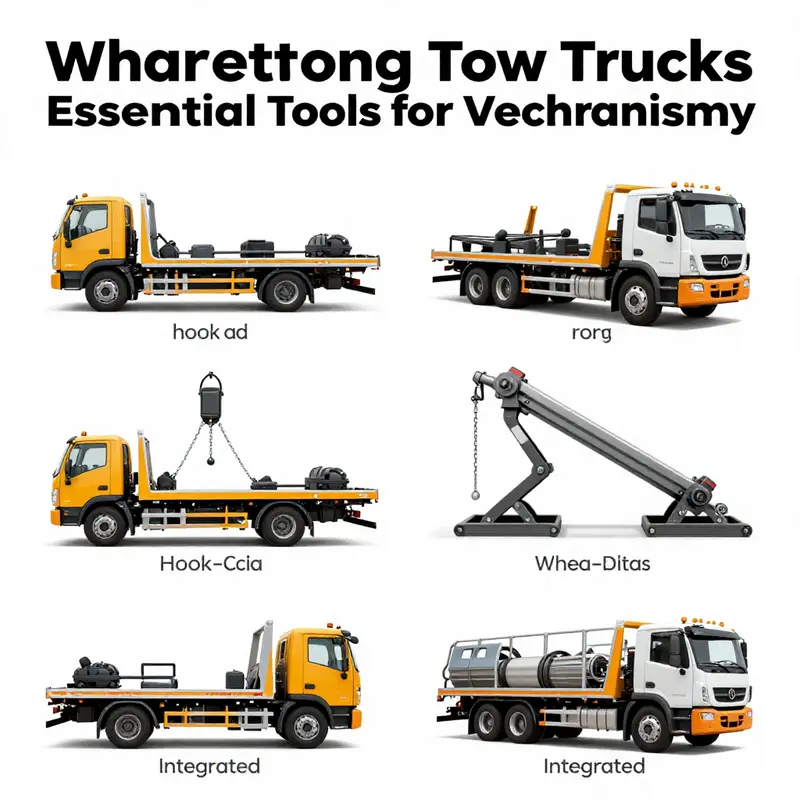
On a crowded stretch of highway, a disabled vehicle sits stubbornly in a lane, its hazard lights blinking a pale warning while traffic nurses by at a careful distance. In moments, a tow truck rolls into view, and the scene shifts from tension to a practiced rhythm. A tow truck is more than a remote-support image; it is a specialized, purpose-built vehicle designed to pull, lift, and transport cars and trucks that can no longer move under their own power. Its job spans roadside assistance, accident recovery, and the practical challenge of clearing obstructed lanes to restore flow. People often think of a tow truck as an oversized rope and a hook, yet the reality is a carefully engineered platform with multiple operating modes, each chosen to fit the vehicle being moved and the conditions on the ground. In the simplest terms, a tow truck is a heavy-duty tool that converts power into controlled movement, letting a damaged or blocked vehicle return to a repair shop, a storage yard, or a safer location off the roadway. The device at the core of this transformation is a hydraulic system that can lift, tilt, extend, and stabilize, turning a difficult roadside moment into a safe, recoverable operation. The different configurations of tow trucks reflect a single common aim: to transfer a vehicle from an unstable position to a controlled one without compromising safety or causing additional damage. Across the world, the language around these machines is layered. In the United Kingdom the term breakdown truck is common, while in the United States the same machines are often called wreckers or recovery vehicles. The word tow truck itself emerged in the early part of the twentieth century, a quick blend of tow and truck that framed its mission. The exact design carried into the modern era through decades of refinement, reshaping how responders handle difficult pulls, knots, and jams on busy routes. The practical implications of the terminology extend beyond language; they shape how operators think about the task, the risks involved, and the care they take when working near moving traffic. Effective tow operations hinge on a blend of mechanical capability and human judgment, a combination that begins with understanding the available configurations and what each is best suited to handle. A flatbed, a wheel-lift, or an integrated design each carries its own advantages and constraints, and the choice is rarely a matter of preference alone. Instead it reflects the vehicle’s weight distribution, tire condition, possible undercarriage damage, and the surrounding environment, including whether space is tight or the roadway is congested. The best tow operators read the scene first, choosing the configuration that minimizes the risk to the vehicle and the crew while maximizing the speed and reliability of the operation. In this sense, a tow truck is not merely a mechanical device but a mobile decision-making platform, a point where physics, safety protocols, and practical logistics converge. The outcome is a coordinated sequence that moves from assessment to execution in a single, continuous arc. Understanding the main configurations helps illuminate how the same category of vehicle can handle a wide range of situations without becoming a cumbersome or unsafe solution. The flatbed version literally carries the entire vehicle on a hydraulic bed, lifting it off the ground so the tires do not bear the weight or drag over damaged surfaces. This approach is especially valued for high-value cars, luxury models, or vehicles with compromised suspension or steering, where contact with a traditional tow bar might exacerbate existing damage. The wheel-lift or boom configuration concentrates its lifting power on the front wheels, allowing the rear wheels to remain on the ground and the vehicle to be pulled onto a bed or towed behind the truck. This arrangement is efficient for standard sedans and light trucks, balancing speed with the need to secure axles, frames, or suspension components. An integrated tow truck offers a compact design where the lifting mechanism is built into the chassis, optimizing maneuverability in tight spaces. Side-loader variants extend a boom to the side and engage the vehicle from a lateral angle, a feature particularly useful in narrow streets or crowded lots where a front-end lift would be impractical. For heavier recovery, articulated tow trucks bring greater reach and power, capable of handling buses, large trucks, or construction equipment. The articulated design distributes weight and force more evenly, enabling recovery operations that would challenge shorter, less capable machines. Each configuration relies on a set of core mechanisms that work in concert. A hydraulic lift system powers the raising and lowering of the platform or boom, its cylinders exerting precise force to control movement. A winch, typically engaged on wheel-lift and side-loader models, uses a drum and cable to pull the vehicle onto the platform or to position it for proper securing. Lifting arms and hooks, attached to the boom, grasp the axle or frame with enough strength to maintain control during movement. Safety, of course, is not an afterthought. Modern tow trucks incorporate a panoply of protections: load sensors to prevent overloading, stabilizing outriggers that anchor the vehicle while lifts occur, and anti-slip surfaces on the bed to keep the towed vehicle secure regardless of weather or road conditions. The operator’s skill is the invisible thread that ties together the mechanical elements. The sequence begins with dispatch and scene assessment, followed by establishing a safe perimeter to shield responders and other motorists. The vehicle to be moved is then prepared: wheels are chocked if needed, the appropriate lifting points are identified, and the securing chains or straps are attached. The lift or pickup is executed with deliberate control, and the vehicle is carefully positioned onto the bed or onto a secured hook or wheel. Once the vehicle is in a stable position, the transporter travels to its destination with vigilance for traffic, road conditions, and potential shifting of weight. This process underscores the tow truck’s role as a moving node in the broader transportation ecosystem. It is a practical bridge between the moment of breakdown or incident and the longer arc of repair, storage, or return to service. The work often involves collaboration with police or traffic-management agencies, particularly in high-traffic corridors or accident scenes, where the orderly removal of disabled vehicles helps restore safety and capacity on crowded roads. In urban landscapes, the need for quick, reliable response emphasizes the value of regionally available services that can respond with the appropriate configuration for the job at hand. For those curious about how this specialization translates into local practice, one can explore a dedicated Washington DC tow truck service to see how urban demands shape equipment choices and response times in one of the busiest corridors in the country. Washington DC tow truck service. Across regions, the core logic remains the same: protect people, protect vehicles, and restore order on the road with a tool that can adapt to the moment. Contemporary knowledge about tow trucks also rests on a shared foundation of safety standards and operating guidelines that govern how these machines are built, tested, and used. For a broader, more technical baseline, the National Highway Traffic Safety Administration provides authoritative guidance on the specifications and procedures that underpin good practice in towing operations. This external resource offers a reference point for the standards that help keep recovery work predictable and safe across varied contexts. External resource: NHTSA guidelines. The result is a coherent system in which a tow truck functions as a capable, adaptable partner on the road, a carefully engineered solution whose purpose remains clear even as the scene around it shifts. It is a reminder that the landscape of road recovery blends mechanical ingenuity with trained judgment, planning, and a steadfast commitment to safety. In that light, a tow truck is not merely a vehicle; it is a mobile workshop, a temporary staging area, and a critical link in the chain that keeps traffic moving and people protected when things go wrong on the journey.
Tow Trucks on the Move: How Recovery Vehicles Steer Safety, Speed, and Order on Our Roads
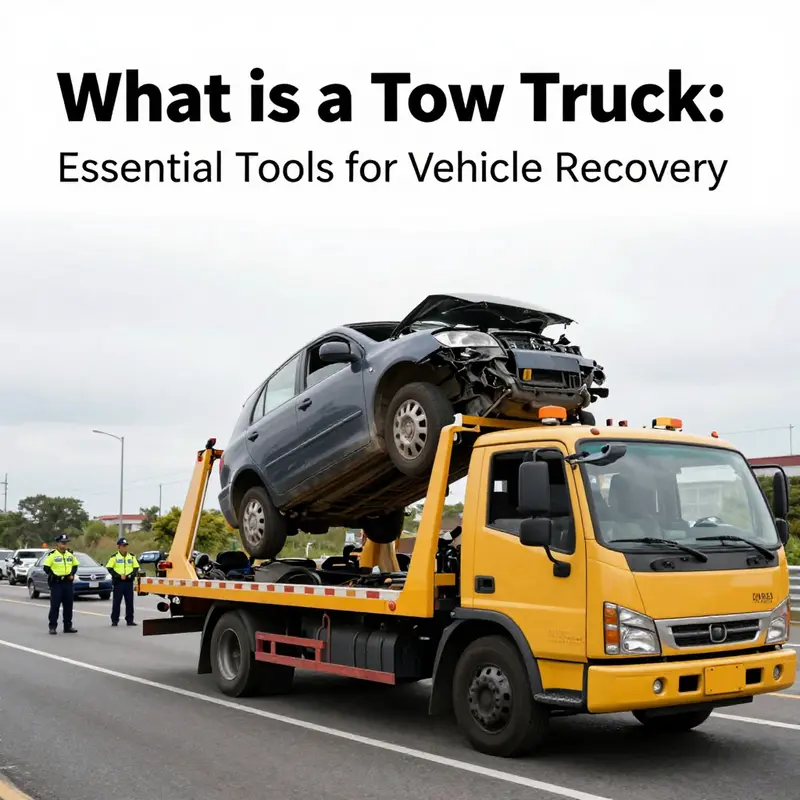
A tow truck is more than a heavy vehicle with a hook. It is a deliberate instrument of safety and continuity on a road network that never sleeps. In moments of sudden disruption, when a car stalls on a highway shoulder or a wreck blocks a lane, the tow truck arrives as a kind of mobile clearance crew. It carries in its hydraulic heart the ability to pull, lift, or carry a vehicle away from danger and toward a place where repairs can begin or where it can be stored out of the traffic stream. The equipment varies, but the purpose remains constant: restore safe space on the road and reduce the risk that a single incident blooms into a far larger problem for drivers and responders alike. A tow truck, also known as a wrecker or breakdown truck in different regions, is a purpose-built carrier fitted with winches, cranes, or flatbeds to manage the variety of conditions that the road presents. Its job is practical and unforgiving: separate the obstruction from the lines of travel and reintroduce pedestrians, cyclists, and motorists to a more orderly flow of traffic. The earliest phrases for these vehicles hint at their function, yet today’s fleets blend time-honored technique with modern safety standards. In everyday use, the term tow truck is now almost universal across English-speaking countries, even as regional names remind us that roadways operate within distinct legal and cultural landscapes. The operator’s craft is the common thread tying these variations together: a set of hands, eyes, and judgments trained to respond quickly and wisely under pressure, to protect people as much as to protect property, and to do so with minimal disruption to others on the road. The fleet’s readiness matters as much as the metal it carries. A traditional wrecker uses a strong boom and winch to reel in a vehicle from ditches, culverts, or uneven terrain. A flatbed tow truck places the entire vehicle on a flatbed platform, securing it with straps that keep it from shifting during transit. A wheel-lift, or rollback, attachment lifts the vehicle by the wheels while the chassis remains on the ground, a method that reduces damage to the towed car when conditions are gentle and the vehicle is drivable. Each approach has its tradeoffs, which is why experienced operators assess the scene before any hook is connected. The weight of the car, its fuel status, the spread of debris, the presence of traffic, and road surface all influence which method is safest and fastest. In practice, operators must read a thousand signals at once: the angle of the road, the location of oncoming traffic, and the stability of the vehicle they are about to move. Safety gear is not an afterthought but a first principle. Stabilizing legs extend from the vehicle, wheel chocks secure tires, and long chains or straps distribute the load evenly. The operator communicates with other responders and with the trapped or stranded motorist to explain what will happen and how long it will take. This clear communication often makes the difference between a calm, cooperative scene and a tense, jammed one. The practical core of the tow truck’s function becomes even clearer when we reflect on its role in road safety and traffic management. In the wake of an accident, a tow truck removes wreckage and disabled vehicles from lanes, allowing emergency services to reach the site without delay. Clearing the roadway reduces the chance of secondary crashes caused by distracted or surprised drivers. When a vehicle fails on a highway, the tow truck can quickly reposition it to a safer shoulder or median, shielding the motorist from fast-moving traffic and giving responders the space they need to work. The effect is not merely mechanical; it is tactical. By restoring lane availability sooner, tow trucks contribute to shorter delays, lower fuel consumption for drivers stuck in bottlenecks, and, crucially, fewer opportunities for fatigue and error to magnify the situation. Beyond accidents and breakdowns, tow trucks also perform a form of urban hygienics by removing illegally parked vehicles that block driveways or emergency routes. This enforcement aspect can feel routine, but it has a meaningful impact on public safety. A vehicle that blocks a hydrant or a bus lane is not just an annoyance; it can impede access for urgent care or public transit. In these cases, the tow truck becomes a safeguard, a neutralizing force that returns access to essential corridors and preserves the capacity of the city to function smoothly. The operator’s skill plays a central role here as well. It is not enough to winch or lift; the operation must be clean, controlled, and aware of bystanders and the changing dynamics of traffic. In urban settings, the coordination between dispatch centers and on-scene teams is a practiced art. Real-time decisions about which vehicle to recover, where to park the recovery rig, and how to stage warning devices all reflect a disciplined approach to incident management. This is why the professional pathways into tow-truck work emphasize not only mechanical proficiency but also situational awareness, communication, and adherence to safety protocols. If we zoom out to see the broader system, tow trucks are a flexible, mobile extension of the public safety and transportation network. They are the last-mile actors in a network designed to keep people moving, even when something goes wrong. The choreography of dispatching, parking, hooking, lifting, and transporting is a daily demonstration of how public infrastructure relies on skilled labor, specialized equipment, and reliable procedures. For readers curious about how these teams are organized in a metropolitan area, a local service network can illustrate the practical logistics at play. For a sense of how a dispatch, equipment, and crew align to bring help quickly, you can explore the local service network here: towing-service-washington-dc. The page offers a window into how a coordinated response system translates into tangible relief for drivers and out-of-pocket costs that would otherwise accumulate from delays. The example shows recovery units as more than moving machines; they are small operations with trucks, drivers, and supervisors who must work in harmony with police, hospitals, and road management authorities. A simple scene—say, a deputy calling for a tow truck to extract a car from a ditch—highlights the precision and patience embedded in every operation. The operator arrives, confirms the vehicle’s position, attaches the necessary rigging, and then executes a careful sequence of pulls and lifts that preserves integrity while freeing the roadway. The result is a restored route, a relieved motorist, and a road system that can continue to function under pressure. Across regions, the core functions remain consistent even as details shift. Cultural norms, regulatory frameworks, and traffic patterns shape how tow trucks are deployed. In the United States, the term wrecker is common as a descriptor of the vehicle’s function, while in the United Kingdom, breakdown truck has a similar meaning with its own regional flavor. The origin of the term tow truck, dating to around 1917, reflects the mechanical action of pulling a vehicle behind a powered vehicle: to tow. This historical thread connects a century of roadside service to today’s rapid-response fleets, which now benefit from advances in hydraulics, load-monitoring sensors, and enhanced operator training. The result is a set of recovery tools that are both reliable and adaptable, ready to meet the evolving demands of modern traffic. In the end, the tow truck embodies a practical approach to mobility: a machine designed to minimize disruption while maximizing safety. It translates technical knowledge, strict safety discipline, and swift decision-making into a service that helps people reach destinations, endure emergencies, and return to the daily rhythm of life. For readers seeking a concise definition and pronunciation, see the Cambridge Dictionary entry on tow truck. This chapter has braided together the technical, logistical, and human dimensions of recovery vehicles to show how they anchor road safety and keep communities moving.
Final thoughts
Tow trucks play a critical role in ensuring the safety and efficiency of our roads. By understanding their definition, various types, and mechanisms, as well as their importance in roadside assistance and traffic management, business owners can better appreciate how these vehicles contribute to operational continuity and customer satisfaction. Investing in reliable tow truck services can significantly enhance your business’s efficiency and responsiveness to vehicle-related incidents.