
In the bustling environment of Washington DC, towing services play a vital role in ensuring the smooth flow of traffic and providing essential support during vehicle emergencies. Business owners must grasp the intricacies of towing operations, from identifying reliable emergency services to navigating the regulatory landscape and comprehending pricing structures. This guide will delve into these key aspects, equipping business owners with the knowledge necessary to make informed decisions about towing services in the district.
Emergency Towing in Washington, D.C.: Swift Recovery That Keeps the Capital Moving
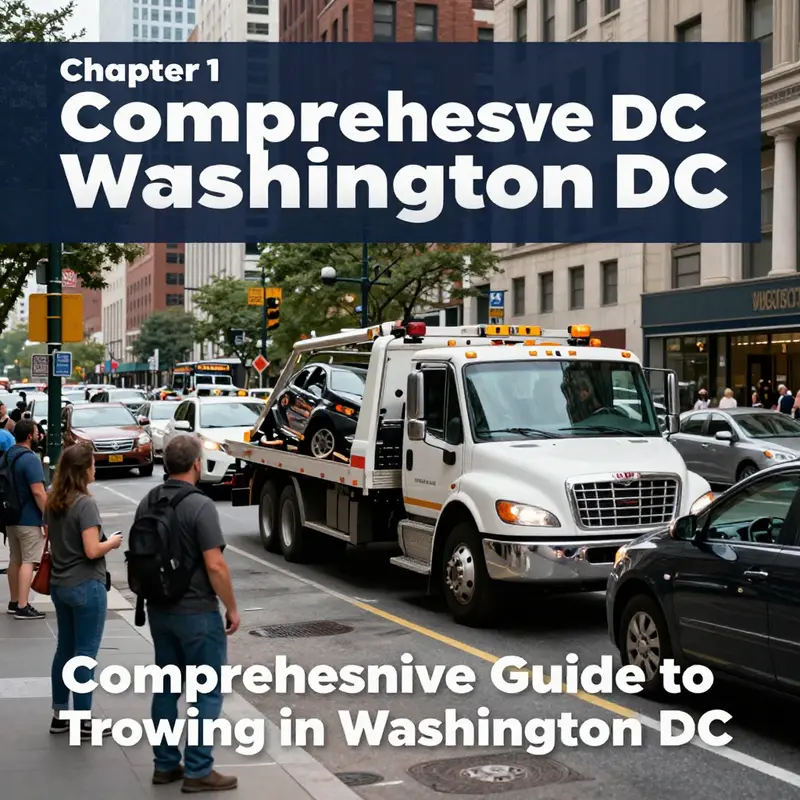
When a vehicle fails or an accident blocks a busy corridor in Washington, D.C., the clock starts on safety, traffic flow, and public access. Emergency towing here is not just about hauling cars; it is an integrated public service that intersects with municipal operations, licensed recovery professionals, and regional roadside support. A reliable response clears hazards, reduces secondary collisions, and lets emergency crews focus on injuries and infrastructure. Understanding how emergency towing works in the District helps drivers set expectations, choose proper assistance, and stay safe while waiting for recovery.
Response begins with a call or a dispatcher alert. Public safety agencies, towing companies, and roadside assistance services coordinate by priority. Incidents that block lanes or involve hazardous material receive immediate attention, while routine breakdowns are handled as resources permit. Many tow operators serving D.C. are based in neighboring Maryland and Virginia. These regional providers bring heavy-duty equipment and experienced crews into the city when local capacity is strained. Some have operated for decades, offering full truck and trailer repair and towing across the metropolitan area. Their presence expands the pool of available rigs and technicians when large incidents or severe weather create surges in demand.
Safety and compliance are central. The District’s licensing framework regulates who may perform towing and vehicle recovery. The rules ensure operators meet minimum standards for training, insurance, and equipment. That framework also allows trainees and temporarily licensed technicians to assist under supervision, increasing workforce flexibility without sacrificing safety. When a tow crew arrives, they should display identification, explain the reason for the tow, and confirm destination and cost. If anything feels uncertain, ask to see credentials or request a contact number for the operator’s dispatch.
Operational practices vary but follow common principles. Tow teams first secure the scene, using cones and lights when possible. They then evaluate the vehicle’s condition and the best recovery method. Flatbed towing protects modern drivetrains and is preferred for long-distance moves. Wheel-lift and integrated carriers allow faster clearances on congested streets. Heavy-duty wreckers handle buses, delivery trucks, and construction equipment. Skilled operators make judgment calls that balance speed, safety, and equipment availability, while often working alongside police or highway crews.
Cost and authorization are frequent concerns. If a vehicle is on private property, property owners or their agents may call for a removal, and local rules govern notice and signage requirements. For vehicles removed after crashes or blocking traffic, law enforcement typically authorizes the tow to expedite clearance. Motorists should document the scene if safe to do so and keep records of receipts and inventory lists provided by the towing company. Many providers now offer digital invoicing and location tracking so owners can locate towed vehicles promptly.
Preparing for an emergency tow reduces stress. Keep an insurance or roadside assistance card handy. Record your preferred repair shops and carriers before a breakdown. If you rely on a provider outside the District, confirm that they serve D.C. streets and understand local towing zones and fees. For quick guidance on local options, including companies that operate within the region, consult a local towing service directory such as towing service DC.
Emergency towing in the capital also responds to larger infrastructure events. When environmental incidents or weather events occur, coordinated recovery prevents traffic backups that can cascade across the metro area. Tow operators often work alongside municipal departments to remove disabled vehicles from flood zones, clear debris, and support incident response plans. The combination of licensed professionals, regional capacity, and clear regulatory oversight helps ensure that the city’s roads return to normal quickly.
Knowing what to expect and who to call reduces uncertainty when an urgent tow is needed. Licensed mechanics and trained recovery crews are available around the clock, and regional providers augment local resources. For details on licensing, permitted operations, and vehicle recovery procedures in the District, refer to the official guidance from the District of Columbia’s Department of Licensing and Inspections: https://dc.gov/service/vehicle-towing-and-recovery-services
Navigating Towing Rules in Washington, DC: Licensing, Liability, and What Drivers Should Expect
Regulatory Landscape and Practical Compliance
Towing in Washington, DC is governed by a network of rules that protect public safety, consumer rights, and the flow of traffic. Operators who remove vehicles from public streets, private lots, or crash scenes must meet licensing, insurance, and equipment standards. These standards cover tow-truck inspections, operator credentials, storage lot practices, and record keeping. Compliance ensures tows are lawful and that vehicle owners can recover their property without unnecessary delay or expense.
Licensing is the starting point. Tow companies and drivers often need local business licenses and specialized permits to operate within the District. Licenses help authorities confirm an operator meets insurance and safety requirements. Insurance minimums and liability coverage are also set by local regulations. Proof of coverage must be available on request. When a tow is contested, these documents help resolve disputes quickly.
Equipment and vehicle standards focus on safety. Tow trucks must have approved securement systems, functioning lights, and safety signage. Operators must follow procedures for attaching and transporting vehicles to prevent damage. Many rules also address environmental controls at storage yards. Facilities that accept towed vehicles must handle fluids and hazardous materials according to local and federal standards. This reduces the risk of contamination and avoids penalties.
Impound and storage rules determine how and when a vehicle can be released. Regulations commonly mandate detailed paperwork, an itemized fee schedule, and clear hours of operation for vehicle release. In many cases, vehicle owners must produce valid identification, proof of ownership, and payment for authorized charges. Lien processes for unpaid storage fees follow specific notice and timing requirements. These rules protect both the vehicle owner and the tow operator by clarifying rights and timelines.
Private property towing presents particular compliance challenges. Property owners or managers who contract towing services must post clear, visible signage that states towing policies and contact information for the tower. Without proper signage, a tow may be deemed unauthorized or illegal. Predatory towing—where a vehicle is taken for minor infractions or without proper notice—can carry fines and revocation of permits. When you park on private lots, check for posted rules before leaving your vehicle.
Consumer protections extend beyond signage. Operators are typically required to provide a written receipt at the time of release, including towing and storage charges. Dispute procedures and avenues for appeal should be available. Many municipalities publish a rate schedule or require towers to file rates with an agency. This transparency prevents surprise charges and enables owners to challenge unreasonable fees.
Record keeping and reporting support enforcement. Tow operators often must maintain detailed logs of each tow, including the date, location, authorization source, and disposition of the vehicle. These records allow regulators to audit activity and trace any complaints. In emergency scenarios, like removing disabled vehicles after crashes, towers usually coordinate with law enforcement and traffic agencies to ensure safety and compliance with temporary traffic controls.
For drivers, practical steps reduce friction. Before a tow starts, note the tower’s name, license or permit number, and truck ID. Photograph the scene and any posted signage. Ask for an itemized estimate and get a written receipt when you reclaim the car. If you suspect an illegal tow, document the facts and contact local enforcement or the licensing agency promptly.
Local policies change, and specific requirements can differ across jurisdictions adjacent to the District. For help finding a reputable provider or understanding rules that apply to a particular situation, consult a local towing authority or a regulated provider such as a trusted towing service in DC.
For authoritative details and the most current regulations, refer to the District of Columbia Department of Motor Vehicles: https://dmv.dc.gov
Breaking Down Towing Costs in Washington, DC: What Drives Price and How to Save
Understanding the real costs of towing in Washington, DC
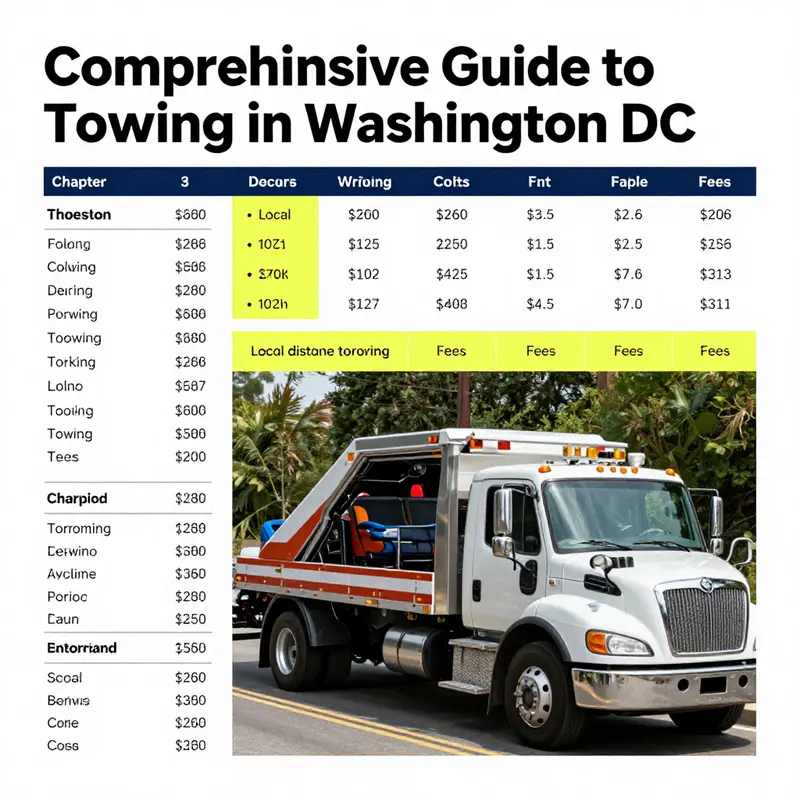
Towing fees in Washington, DC are rarely a single line item. A typical invoice combines an initial hookup or flat rate, mileage or per-minute charges, possible winching or recovery fees, and storage or impound costs. Local regulations, the time of service, vehicle size, and whether the tow happens on private property or at the direction of law enforcement all influence the final price. Knowing how these pieces fit together helps you predict expenses and hold providers accountable.
The first charge you will usually see is the hookup or base fee. This pays for the tow truck dispatch and the basic equipment used to secure your vehicle. Base fees vary by truck type and dispatch company. After the base fee, you’ll often be billed by distance. Mileage rates compensate for fuel, truck wear, and the driver’s time. In urban DC traffic, per-mile costs can exceed rural rates because of stop-and-go driving that adds time to the tow. Some companies charge by the minute for roadside service or in situations where movement is slow.
Additional services raise the total quickly. Winching, extraction from ditches, flatbed use for all-wheel-drive cars, and vehicle size surcharges are common. Heavy vehicles or those with extensive damage need specialized equipment and a second truck. After-hours calls, weekend pickups, and holiday service usually carry premium rates. When a vehicle is immobilized in an inconvenient or dangerous spot, expect to pay more for the added complexity and risk.
Storage and impound fees are separate from towing. If a vehicle is towed to a lot, storage accrues daily until you arrange release. Impound release often requires proof of ownership, insurance confirmation, and payment of both the tow and lot fees. If law enforcement ordered the tow, additional administrative fines may apply. These steps can make retrieval surprisingly costly, so document everything and ask for exact release procedures to avoid surprises.
Two common pricing structures exist: itemized billing and flat-rate service. Itemized billing lists every charge: hookup, mileage, labor, and parts used for roadside repairs. Flat-rate pricing covers the entire job for a single agreed-upon price. Flat rates can benefit consumers when traffic or complexity would otherwise increase a meter-based charge. Always ask which billing method applies before work begins.
Insurance and roadside memberships also affect out-of-pocket cost. If your insurer or membership covers towing, they may have contracted rates with local providers. Confirm whether the towing company will bill the insurer directly or require payment up front. Keep receipts and precise timestamps to speed reimbursement. If you rely on a membership benefit, verify what services are included and any distance limits.
Practical steps reduce the chance of overpaying. First, call multiple reputable companies when possible to compare estimates. Ask for a clear explanation of every potential fee. Second, insist on an itemized invoice and a dispatch number. Third, photograph your vehicle and the scene before the tow truck departs. That documentation helps if a dispute arises. Finally, check local rules that govern tows and impounds. Knowing your rights will make it easier to contest improper charges.
When you need help in DC, rely on local-proximity options to cut travel time and mileage charges. A quick web search for nearby providers and a targeted call will identify companies able to reach you fast. For residents who want a vetted option for recurring needs, consider arranging preapproved service with a trusted local company so you avoid emergency rate surprises.
If you want a starting point for finding local providers and comparing services, review a dedicated Washington, DC towing service page that lists common offerings and contact details. For reference, see towing service DC: https://acex-towing.com/towing-service-dc/
Being informed about how towing fees are structured keeps you better prepared. Ask questions, collect documentation, and verify billing methods before consenting to service. Those steps often save money and reduce stress when a tow becomes necessary.
Final thoughts
Understanding towing services in Washington DC is essential for business owners. From emergency assistance to navigating local regulations and costs, having this knowledge empowers you to make informed choices that can benefit your operations. By fostering relationships with reliable towing providers, you enhance your ability to handle roadside situations effectively, ensuring minimal disruption to your business.