
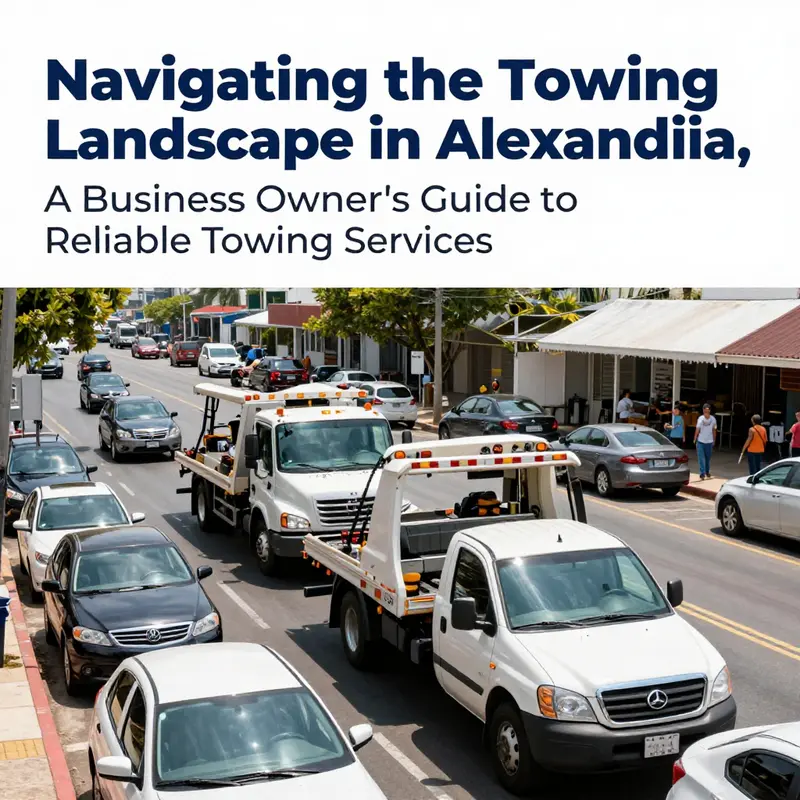
Towing services play a crucial role in ensuring the smooth operation of businesses and daily commutes in Alexandria. With numerous towing options available, it’s vital to understand the quality and reliability of these services to make informed decisions when emergencies arise. This guide will delve into the leading towing companies in the Alexandria area and explore insights on their reliability and customer satisfaction, helping you, as a business owner, choose the right service provider to meet your needs. Each chapter focuses on different aspects of the towing industry tailored for your business context.
Choosing the Right Tow in Alexandria: What Local Drivers Need to Know
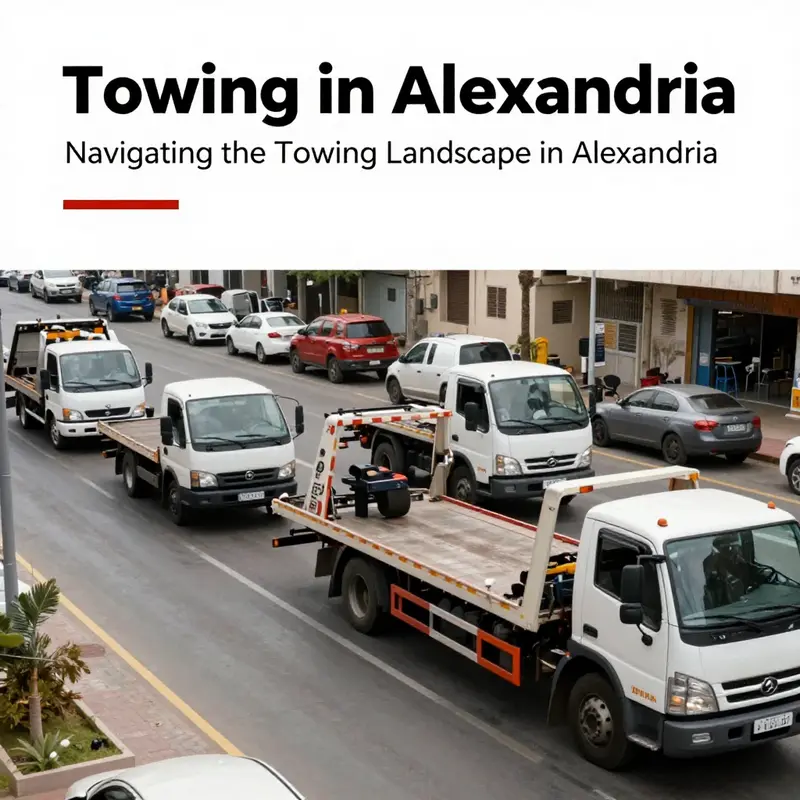
Towing in Alexandria is more than moving a vehicle; it’s a critical service that keeps streets safe and gets drivers back on the road quickly. The city’s dense neighborhoods, commuting corridors, and busy commercial zones create constant demand for fast, reliable towing. That demand has shaped a local market where firms emphasize one or more distinct strengths. Some focus on speed and transparent pricing. Others build reputations on round-the-clock availability and professional handling. Still others compete on price or on depth of coverage across the broader DMV region. Understanding these differences helps you pick the right provider when minutes matter.
Alexandria drivers face many towing scenarios. A dead battery or flat tire at rush hour is different from a multi-vehicle wreck or a business fleet needing heavy recovery. Local providers maintain mixed fleets to meet those needs: light-duty flatbeds for compact cars, wheel-lift trucks for quick removals, and heavy-duty rigs for large SUVs, vans, and commercial vehicles. Many also offer emergency roadside assistance, fuel delivery, lockout help, and vehicle storage. When choosing, consider the likely scenarios you may encounter and whether a provider’s equipment matches those needs.
Response time is often the first criterion for drivers under stress. Providers that prioritize quick arrivals maintain staffed dispatch centers and strategically positioned trucks. They use GPS-enabled routing, clear communication protocols, and trained dispatchers to reduce wait times. In Alexandria, a rapid-response team can be a lifeline during commute hours or severe weather. However, speed is only valuable when paired with competence. Confirm that crews are trained to secure vehicles properly. Ask about methods for handling modern cars with advanced driver-assist systems. Those systems require specific lifting and towing practices to avoid damage.
Availability matters, too. A company that advertises 24/7 service can still be limited if its coverage zone is small or if it has few trucks available during peak demand. Look for firms that explicitly list their service area and the types of vehicles they can tow. If you frequently travel beyond Alexandria into nearby counties or into D.C., a provider with broader DMV coverage will save time and reduce handoffs between companies. Coverage maps, customer reviews, and direct questions to dispatch can clarify how far a company will travel and how they handle long-distance tows.
Cost and pricing transparency also vary widely. Towing rates typically reflect distance, vehicle size, time of day, and the complexity of the job. Additional fees can apply for winching, heavy-recovery, or storage. The best providers post clear base rates and explain common add-ons. When you call, request an estimate that includes hookup fees, per-mile charges, and storage rates. Confirm accepted payment methods, required deposits, and whether the company will coordinate with your insurance. Knowing this information up front prevents surprises and helps you compare options during an emergency.
Customer service and communication are often the deciding factors when two companies offer similar capabilities. A courteous dispatcher who confirms arrival times, or a technician who explains steps and arrival windows, reduces anxiety. Providers that follow up after a service call, solicit feedback, and respond to complaints tend to maintain higher standards. In Alexandria, where many drivers rely on app-based reviews to choose services, firms that prioritize clear communication consistently receive the best feedback.
Safety at the scene is non-negotiable. Drivers should prioritize safe parking, hazard lights, and staying a safe distance from traffic. Towing crews should wear high-visibility apparel, set cones or flares when necessary, and maintain clear communication with local law enforcement if an incident blocks lanes. When you hire a tow, ask whether the company’s technicians are certified or trained in current safety protocols. Certification and regular safety training indicate a company’s commitment to protecting drivers, crews, and other road users.
Documentation and paperwork can complicate the towing process, especially in impound or accident situations. Reputable firms provide clear invoices that itemize services and charges. They also supply storage receipts and release forms when a vehicle is taken to a lot. If your car is towed following a traffic violation, confirm which agency to contact for release and any associated fines. Likewise, if insurance will cover the tow, ensure the company can bill the insurer directly or provide the documentation insurers require.
Storage and vehicle release policies differ among providers. Some maintain short-term lots for immediate storage and quick release. Others operate long-term storage facilities with extended hours and additional security measures. Verify lot hours, fees for daily storage, and documentation needed for release. If you anticipate retrieving the vehicle after hours, ask whether the company offers curbside release or a partner location closer to your route. Knowing these details ahead of time saves time and stress at the lot.
Specialty towing is another important consideration. Heavy-recovery operators handle semi-trucks, buses, and commercial equipment. Flatbed specialists focus on luxury or low-clearance cars that require full-vehicle transport. Accident-dedicated teams work closely with first responders to clear wrecked cars and preserve evidence. If your needs are specific—such as towing commercial vehicles or transporting a classic car—you should confirm that the company has the right truck and experienced operators.
Coordination with insurance and law enforcement reduces friction after an incident. Many providers regularly work with insurers and police departments to streamline paperwork and ensure correct handling. Before agreeing to a tow, note the vehicle condition and take photos when possible. Document odometer readings, visible damage, and any personal items in the car. These steps protect you during insurance claims and help resolve disputes about vehicle condition.
When choosing among local options, reviews and reputation are valuable, but they should be weighed alongside practical factors. Look for consistent praise in reviews for response time, clear pricing, and courteous technicians. Avoid relying on a single review or one dramatic story. Instead, seek patterns across multiple comments. If a company is repeatedly praised for clear communication and professionalism, it likely maintains reliable standards.
Being prepared reduces stress and shortens downtime. Save a few numbers in your phone, including a primary towing service and a backup. Keep essential information easily accessible: vehicle year, make, model, license plate, and insurance details. If you use a roadside assistance membership, have that card or account number on hand. Communicate any vehicle-specific constraints, such as aftermarket alarms or low-slung body kits, when you call.
On the road, take simple steps to improve safety and facilitate towing crews. Move your vehicle, if safe, to the shoulder or a nearby parking area. If you cannot move it, leave hazard lights on and set a visible marker, such as a cone or roadside triangle. Stay away from traffic and position yourself in a safe place to speak with the technician when they arrive. Clear, calm communication at the scene fosters quicker, safer service.
For local businesses and fleet managers, establishing a relationship with a towing provider can improve response and billing efficiency. Commercial accounts often receive priority dispatch, negotiated rates, and consolidated invoicing. Fleet managers should verify equipment compatibility and request a service agreement that outlines response times, hold protocols, and billing procedures. These agreements reduce downtime and the administrative burden after a breakdown.
In peak conditions—heavy rain, snow, or major traffic events—expect longer waits and higher activity. Trusted providers prepare for this by deploying additional trucks and increasing staffing. If you face an emergency during such conditions, communicate clearly about your exact location, vehicle condition, and any hazards. Being precise helps dispatch route the closest available truck and saves valuable minutes.
Finally, a small habit can make a big difference: when you select a tow, ask four direct questions. How soon can you arrive? Which truck will you send? What will the estimated cost be? What paperwork will I need at the lot? The answers reveal a provider’s readiness, transparency, and professionalism. They also help you compare options quickly when every minute counts.
For drivers in Alexandria, the right towing partner balances speed, safety, and clear pricing. Whether you need immediate roadside assistance, long-distance transport, or heavy recovery, evaluating response capability, equipment, availability, and communication will guide you to a dependable choice. If you want a local reference point for commonly available services, check this overview of Alexandria towing services: Alexandria towing services.
If you’d like to learn how local providers perform in customer reviews, you can view third-party feedback for a highly rated rapid-response operator here: https://www.yelp.com/biz/tow-me-now-alexandria
What Makes Towing Dependable in Alexandria: Response, Respect, and Real Feedback
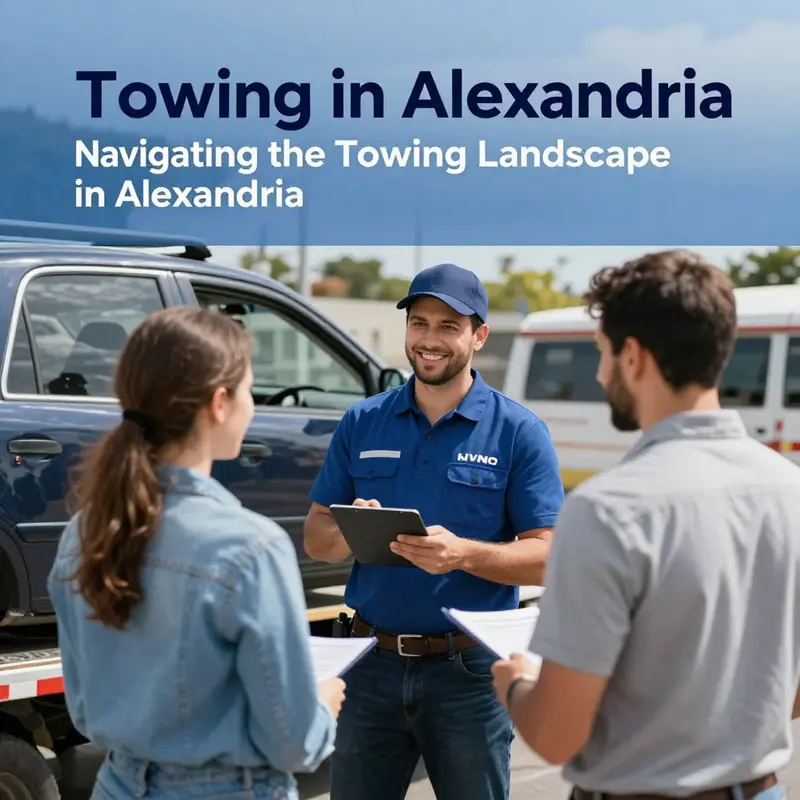
Reliable towing in Alexandria rests on three visible pillars: how quickly help arrives, how crews treat people, and how services communicate. These elements shape customer satisfaction more than price or branding alone. When a vehicle fails, timing matters. A tow truck that shows up ten minutes sooner turns frustration into relief. Consistent quick responses build trust in neighborhoods and on busy corridors. Coverage maps and dispatch systems determine which crews reach you first. Local knowledge of traffic patterns, peak hours, and shortcut routes matters too. A driver who knows the city gets your car moved faster and with less stress.
Beyond speed, human behavior drives impressions. Drivers who speak calmly, explain the process, and respect property leave better reviews. A single patient crew can change a customer’s whole experience, even after a long wait. For example, a reported two-hour delay after a rear-end crash ended positively when the crew offered a ride home and treated everyone kindly. That empathy reshaped the narrative from frustration to gratitude. Customers remember how they were treated. Courteous handling during accidents reduces stress, prevents misunderstandings, and encourages word-of-mouth recommendations.
Equipment readiness affects both reliability and safety. Properly maintained flatbeds, winches, dollies, and straps ensure vehicles are moved without further damage. A tow operation that schedules routine truck maintenance avoids breakdowns during calls. Modern fleets often include GPS and two-way radios to coordinate faster. Those investments show up in concise, confident service. When crews can safely secure a vehicle on the first try, the whole incident resolves quicker. That efficiency benefits both the vehicle owner and local traffic flow.
Pricing transparency is another trust builder. Clear estimates, upfront fees, and explanations of extra charges cut down on disputes. Customers respond positively when they understand the difference between basic tows, long-distance moves, and specialty jobs. The lack of surprising fees improves satisfaction scores. Firms that publish basic rate ranges and clarify after-hours premiums reduce uncertainty. Even when costs rise for legitimate reasons, clear communication preserves goodwill.
Reviews and local reputation guide choices. Many residents consult review platforms to compare providers. Ratings reveal patterns, not just single incidents. A consistent history of punctuality, fair billing, and respectful crews indicates a dependable service. Conversely, repeated complaints about long waits or poor communication suggest systemic issues. However, reviewers often reflect heightened emotions tied to emergencies. Weighing multiple reviews and recent posts gives a more balanced picture. Verified business profiles help confirm contact details and basic service descriptions.
Coordination with local authorities and insurance companies matters especially after accidents. Tow operators who routinely work with police and adjusters smooth the administrative side for drivers. That coordination speeds vehicle release and reduces time spent at impound yards. Good operators understand towing regulations and municipal impound procedures. They can advise on what documents are needed and what to expect at the impound lot. That expertise reduces the friction of post-accident logistics.
Coverage area and response radius are practical concerns. A service that advertises citywide coverage but actually stations few vehicles may struggle during peak periods. Providers that maintain multiple strategically placed trucks shorten response times across Alexandria. Conversely, providers with limited reach are reliable only within a smaller radius. Checking the provider’s typical response times for your neighborhood gives a realistic expectation. Many operations list average response times for common zones.
Training and certifications are measurable signs of professionalism. Operators trained in vehicle recovery, winch operation, and safety procedures reduce the odds of damage. Ongoing training in customer service and de-escalation is equally valuable. These skills surface in calmer interactions and fewer complaints. Certifications, when available, indicate commitment to industry standards. Look for claims of formal training and ask about experience with specific vehicle types.
Specialty capacity matters for unusual jobs. Heavy vehicles, low-clearance sports cars, and commercial fleets require specialized equipment and expertise. A local provider may excel at standard tows but lack the gear for a heavy truck. For such needs, verify that the operator has appropriate equipment. Otherwise, you may face extra delays as a second crew arrives. Advanced services often advertise capacity for motorcycles, RVs, and disabled vehicles. Confirm these capabilities before dispatch, especially for nonstandard situations.
Communication during the job reduces uncertainty. Accurate ETAs, regular status updates, and clear explanations of arrival procedures keep customers informed. Dispatch texts or calls that include the truck number and estimated arrival time make the wait less anxious. When unexpected delays occur, a quick update prevents negative reviews and improves perceived reliability. Simple courtesies, like confirming the vehicle license plate and owner identity on arrival, also show professional standards.
Local context in Alexandria matters. The city’s mix of residential streets and busy arteries creates variable response conditions. Rush hour congestion, special events, and inclement weather shift priorities. A reliable provider prepares for known peak times and adjusts dispatching accordingly. Some operators maintain a higher readiness level during commuting hours. Those practices lower the chance of long waits. Residents benefit from keeping a list of trusted providers who operate in their immediate area.
Customer feedback should guide choices, but with nuance. A high score based on one or two reviews can mislead. Likewise, a single negative review among many positive ones may reflect an isolated incident. Look for patterns in language, like repeated mentions of kindness or repeated mentions of slow arrival. Patterns reveal strengths and weaknesses better than solitary comments. Combining review insights with direct questions about equipment, coverage, and pricing produces the best decision.
When seeking towing help, prepare a few key details to speed the process. Note vehicle make, model, and license plate. Be ready to describe the location and the situation clearly. If possible, confirm whether the vehicle is in gear or has special recovery needs. These facts help dispatch assign the right truck and tools. Sharing contact details for the insurance company can also ease post-accident steps.
Finally, keep local resources handy. A single verified listing often includes current hours, contact numbers, and customer reviews. For local Alexandria services, a central directory or service page offers a quick way to confirm availability. One such resource compiles verified business details and customer feedback for local operators. Checking that profile before a call can save time and reduce surprises. (https://www.yelp.com/biz/discount-towing-alexandria-louisiana)
For residents who prefer proactive measures, saving a trusted number in your phone helps. Ask neighbors or local community groups for recommendations. Use review platforms to check recent experiences. And when help arrives, observe how crews handle the vehicle and communicate. These small evaluations become the basis for your own future recommendations. In Alexandria, dependable towing is not just about trucks and tools. It’s about response, respect, and reliable communication. Those qualities create confidence during stressful moments and shape long-term satisfaction.
For more local guidance on choosing a tow provider, consider this page on tow truck service in Alexandria for further context and contact options: https://acex-towing.com/tow-truck-service-alexandria-va/.
Final thoughts
Understanding the towing landscape in Alexandria is essential for business owners who prioritize safety and prompt assistance in emergencies. By knowing the leading service providers and gaining insights into their customer satisfaction levels, you can ensure that your business is supported by reliable towing options. The right towing service can be an invaluable asset in times of need, helping you maintain operational efficiency and peace of mind. As you assess your choices, remember to contact these providers to discuss your specific requirements and ensure readiness whenever challenges arise.