
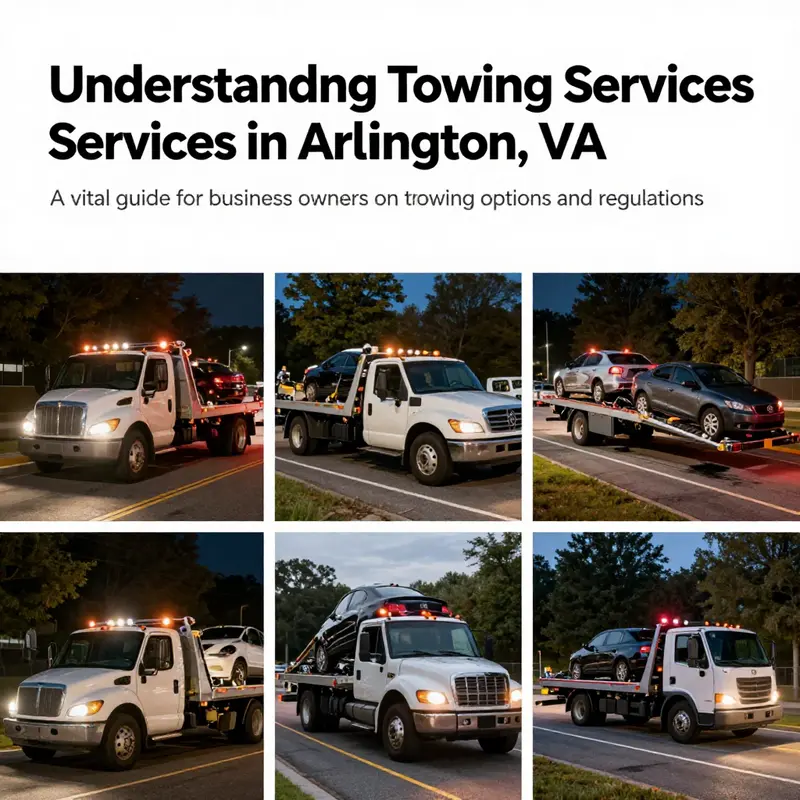
In Arlington, VA, the towing landscape is crucial for local business owners, particularly for those operating in sectors like transportation, retail, and hospitality. Having reliable towing services not only benefits businesses during unforeseen vehicle breakdowns but also enhances customer satisfaction by ensuring safety and quick recovery options. This article delves into key towing services available in Arlington and the emergency towing regulations that every business owner should be aware of. By examining these components, business owners can make informed decisions about how to effectively integrate towing solutions into their operational strategies.
Where to Turn in Arlington: Reliable Towing Options and What They Offer
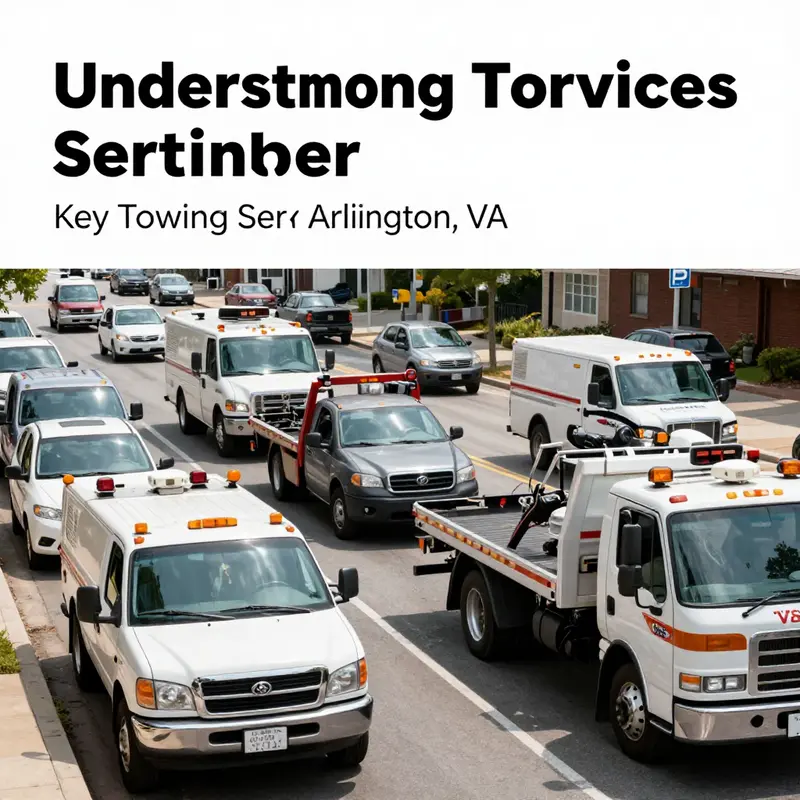
Practical choices for towing in Arlington, VA come down to reliability, response time, and the specific equipment needed for your situation. When a vehicle needs assistance—whether a routine jump-start, a roadside repair, a flatbed tow after a breakdown, or full accident recovery—knowing the local options and what each one can provide saves time and reduces stress.
Arlington’s towing landscape combines national networks with local specialists. National membership services often deliver consistent response protocols and clear member benefits. Local operators bring intimate knowledge of Arlington’s streets, traffic patterns, and nearby repair facilities. Both types of providers frequently operate around the clock, but their capabilities and pricing models can differ. Expect national networks to offer predictable pricing tiers and membership discounts. Expect local providers to offer flexible, sometimes faster responses for incidents close to their service area and to excel at complex recoveries in tight urban settings.
Most experienced towing companies in the area maintain fleets that include flatbeds, wheel-lift tow trucks, and heavy-recovery units. Flatbeds are the safest choice for long-distance hauling and for vehicles with all-wheel drive or low ground clearance. Wheel-lift trucks are efficient for quick, local moves and are commonly used for standard passenger vehicles. Heavy-recovery rigs are necessary for large trucks, complex accident scenes, or multi-vehicle collisions. When you call for help, describe the vehicle and the situation clearly so the dispatcher can assign the proper equipment.
Availability matters. Many reliable providers operate 24/7; this covers late-night breakdowns and early-morning incidents. If you have membership with a roadside assistance program, confirm whether tow distance limits apply and what additional services are included, such as battery jumps, fuel delivery, or locksmith assistance. If you use a local towing company that is not part of a national network, ask about their on-call hours and typical response times for your neighborhood. In high-traffic periods, downtown or commuting corridors can experience longer waits. Good companies maintain multiple tow trucks staged around Arlington to minimize delays.
Pricing and transparency reduce the stress of an unexpected tow. A reputable operator will provide an approximate arrival time and a clear estimate before hooking up a vehicle. Estimates should include hookup fees, per-mile charges, and any additional service costs. If an operator refuses to explain fees or gives vague answers, consider contacting another company. Keep in mind that accident recovery often requires additional labor and equipment, and the final bill can increase if conditions on scene are more complicated than initially described.
Licensing and insurance are non-negotiable. Confirm that the company is licensed to tow in Virginia and carries insurance that covers damage during transport and liability on-scene. Professional operators will provide this information without hesitation and will often display licensing details on their websites. If you’re transporting a vehicle after an accident, document the vehicle’s condition and the tow operator’s information before they leave. Take photos and record the tow truck number and driver name for your records.
Different scenarios call for different approaches. For a simple dead battery, a mobile battery technician or roadside technician may get you moving without a tow. For a punctured tire, roadside tire changes or a spare installation are faster and cheaper than a tow. For accidents or transmissions failures, a flatbed is often the safest option. Commercial vehicles and heavy trucks need operators with the right certifications and recovery gear; not every local tow company is equipped for that work. When in doubt, request a flatbed.
Safety while waiting for a tow is crucial. Move your vehicle to a safe shoulder or parking area if possible. If you must remain in the vehicle, keep doors locked and hazard lights on. When interacting with a tow driver, stay in a well-lit area if it’s dark. If police are on scene after an accident, follow their direction about where to park and who to call for a tow. Avoid accepting roadside offers from individuals who appear unofficial; only work with providers you contact directly or who are dispatched by a verified operator.
Some towing companies in the wider Northern Virginia region pair towing with repair services, offering the convenience of transport directly to a shop able to inspect and repair the vehicle. If your vehicle needs immediate diagnostics, choosing a tow provider that partners with a repair facility can reduce downtime. Discuss whether the operator can deliver your car to a preferred mechanic and whether the receiving shop will accept the tow outside of normal business hours.
If you’re responsible for a fleet or a commercial vehicle, develop a plan with a preferred towing partner ahead of time. Fleet agreements often include prioritized response, consolidated billing, and dedicated contact lines. For personal drivers, keep a list of two or three reliable towing contacts in your phone—one national provider if you have membership, and one or two local companies known for fast response in Arlington.
Avoiding common pitfalls will protect you from unexpected expenses and delays. First, verify the company’s identity before allowing them to hook up your vehicle. Genuine operators will arrive in marked trucks and provide identification. Second, get an itemized estimate in writing when possible. Third, ensure that the driver understands any specific concerns, such as aftermarket accessories or specialized suspension that require extra care during transport. Fourth, if you are covered by an insurer or a membership program, confirm whether the program requires pre-authorization for tows and whether you should wait for an insurer-assigned operator.
When accidents occur, recovery can require coordination with law enforcement, insurers, and sometimes other specialist services like heavy-winching or vehicle stabilization. A competent tow operator will handle scene safety and coordinate with police and your insurer, but it helps to know the basics: document damage, obtain the tow operator’s report and invoice, and notify your insurance company promptly. Clear communication ensures the vehicle goes to the correct facility, and it minimizes confusion about who will cover towing costs under the terms of a policy or membership.
For drivers who prefer local expertise, Arlington has several well-regarded operators that blend quick response with practical knowledge of city roads and traffic patterns. National roadside services remain valuable for predictable pricing and benefits that include a range of ancillary services. If you want a starting point, compare providers on availability, equipment, pricing transparency, and their willingness to share licensing and insurance details. Consider keeping a membership for routine roadside perks while maintaining a short list of local operators for times when proximity and area knowledge matter most. For a quick reference to local coverage and options, see Arlington towing services.
Finally, take simple preventive steps to avoid being stranded in the first place. Regular maintenance reduces the risk of unexpected failures. Monitor tire condition, battery health, and fluid levels. Keep a charged phone, a simple emergency kit, and the contact information of trusted towing providers. When you do need a tow in Arlington, these preparations combine with informed choices to make the experience as efficient and stress-free as possible.
For a local operator known for efficient, courteous service across Arlington and neighboring areas, consider contacting a regional wrecker provider that lists its fleet capabilities and service area on its website: https://www.wreckerofnv.com/
How Emergency Tows Work in Arlington, VA: Rules, Rights, and What Drivers Should Know
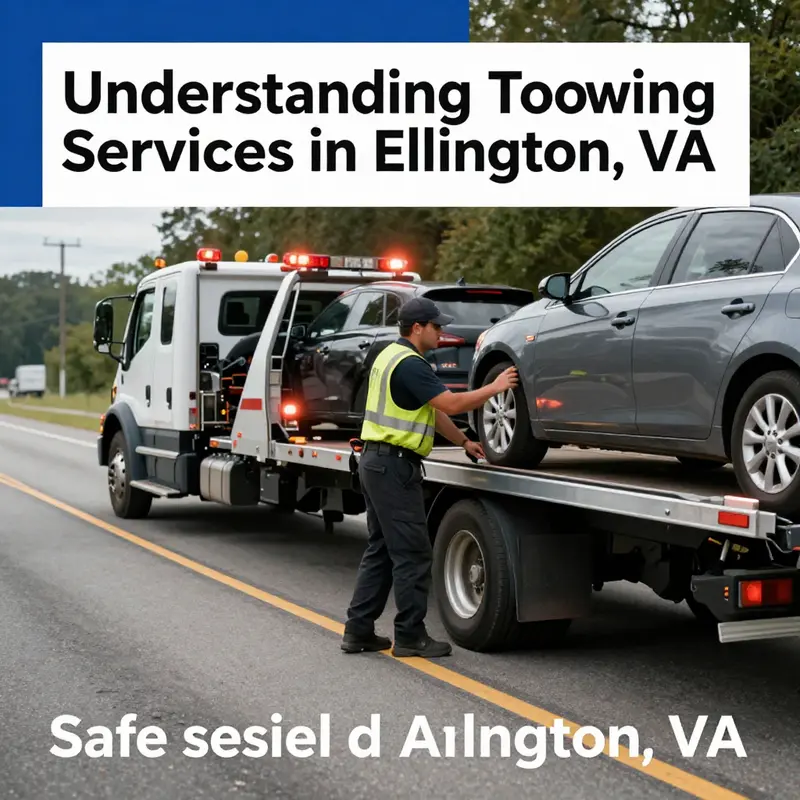
Understanding how emergency towing operates in Arlington, Virginia matters whenever a vehicle is disabled, blocking access, or parked illegally. The rules here follow state law but are applied through local ordinances and established county processes. That mix is designed to keep traffic moving, protect public safety, and give vehicle owners clear steps to recover their property. This chapter walks through the legal framework, common scenarios that trigger emergency tows, what to expect immediately after a tow, and practical steps drivers can take to protect themselves and regain their vehicle.
Virginia law requires towing companies to be licensed by the state Department of Motor Vehicles. Only authorized tow operators may remove vehicles from public ways when those vehicles obstruct traffic or create hazards. Typical emergency tow circumstances include a stalled vehicle on a highway, a vehicle parked in a fire lane, or one blocking access to emergency services. In such cases, law enforcement or authorized public agencies can order a tow without prior notice. That authority exists to remove immediate threats to safety or access.
Arlington County applies these state provisions through its municipal code and operational programs. The county’s traffic regulations allow immediate removal when a vehicle violates posted restrictions in designated areas. Examples include fire lanes, accessible parking spaces, and areas under active construction. Local crews and law enforcement coordinate to identify hazards that require prompt removal. When removal is necessary, the county records the action and moves the vehicle to an authorized storage site.
To manage transparency and reduce disputes, Arlington runs a centralized Towing and Vehicle Removal Program. The program keeps records of towed vehicles, the reasons for removal, and the location of the vehicle after it is towed. This system provides a single place for residents to check status, find retrieval instructions, and learn what fees may apply. It also supports accountability by documenting which agency authorized the tow and which company performed it.
If your vehicle is towed in Arlington, act quickly and calmly. First, verify the vehicle’s location and the authority for the tow. Arlington’s portal and non-emergency lines can confirm whether the county or police authorized the removal. Second, gather the documentation you will need to reclaim the vehicle. Typically this includes proof of ownership, a government-issued photo ID, and any information about the vehicle’s registration and insurance. Third, expect to pay towing and storage fees before the vehicle will be released. Those fees vary depending on the type of tow and the length of storage.
Documenting the scene helps protect your rights. If you are present when a tow is initiated, photograph the vehicle’s position, signage, and any relevant markings. Note the name of the tow operator and the tow company’s truck number. If you discover your vehicle after it has been towed, take pictures of the area where it was parked. Clear photos and notes give you evidence if you later dispute the reason for removal or the condition of the vehicle.
Disputes over tows are not uncommon. Arlington provides a clear path for contesting a tow. Start by requesting the records that justify the removal. Those records often include the officer’s or inspector’s report that authorized the tow and the company’s log showing the time of removal. If documentation does not support the stated reason, you may appeal through the county’s process. Keep in mind there are timelines for filing disputes. Acting early increases the chance of a favorable resolution.
There are also practical steps drivers can take to avoid emergency tows. Observe posted signs and curb markings. Avoid parking in fire lanes, accessible spaces without a permit, or areas clearly marked as tow-away zones. During special events or street work, pay attention to temporary signage and crew instructions. If your vehicle becomes disabled, move it off the roadway if possible, or call for authorized roadside assistance. Promptly reporting a disabled vehicle to police or county services can reduce the likelihood of an emergency tow and speed response time.
Consider safety and property protection after a tow. Before leaving the impound site, inspect the vehicle for obvious damage. If you find damage, document it immediately and request a written statement from the towing operator. Keep all receipts and any written communications. Those records will be essential if you file an insurance claim or a formal complaint with the county or the DMV.
Tow operators themselves must follow professional standards. Licensing and registration ensure operators meet minimum requirements for equipment, training, and insurance. While the county coordinates removals, private tow companies are often the ones physically performing the work. For that reason, confirm the identity of the tow truck and the operator. Licensed operators will have clear identification, and their equipment will be appropriate for the vehicle’s size and condition.
Emergency towing on busy roads may involve additional agencies. For incidents on state roads or highways, state transportation crews or highway patrol may coordinate towing and traffic control. They follow incident management protocols geared toward clearing hazards safely and quickly. In those situations, a vehicle may be moved to a state-authorized storage facility rather than a local lot. Procedures to retrieve the vehicle remain similar, but the authorizing agency will be different.
Fees and storage rules deserve careful attention. Towing fees typically cover hookup and transport. Storage fees cover the cost of holding the vehicle in a secure lot. Both can add up quickly, so retrieving a vehicle sooner reduces costs. If you cannot pay immediately, ask about payment methods, accepted documentation, and options to reduce delay. Request an itemized receipt that lists towing and storage charges. That record protects you from billing errors and supports any dispute you may file.
Communication matters through every step. If your vehicle is towed, remain polite but firm when speaking with agency staff and tow operators. Ask for written explanations, the name of the authorizing officer, and verification of the lot location. Keep copies of all documents. If you contact your insurance company, provide them with a clear timeline and copies of receipts and photographs.
Finally, use county resources proactively. Arlington’s Towing and Vehicle Removal Program is the authoritative source for information about towed vehicles and retrieval steps. It explains fees, dispute procedures, and contact points for county staff. When in doubt, consult the county’s portal before paying fees or signing documents you don’t understand. That portal also points to further rules found in the municipal code and explains how to escalate unresolved issues.
Knowing the rules and steps for emergency towing in Arlington helps drivers act decisively when incidents occur. The combination of state licensing, local ordinances, and county oversight is aimed at balancing safety with fair treatment of vehicle owners. Document your situation, verify authorization for any tow, and use the county’s resources to recover your vehicle promptly. Doing so will minimize cost, stress, and time lost in dealing with an unexpected tow.
For more information about local towing options in Arlington, see this guide to Arlington towing services: Arlington towing services.
For official details on the county’s procedures, retrieval steps, and fee schedules, consult Arlington County’s Towing and Vehicle Removal Program: https://www.arlingtonva.us/government/departments/public-works/towing-and-vehicle-removal
Final thoughts
Navigating the towing services available in Arlington, VA and understanding the regulations surrounding emergency towing can greatly impact a business’s operational efficiency. By familiarizing themselves with local towing options such as Advanced Towing Company and the overarching regulations, business owners can better manage vehicular incidents. Moreover, establishing a relationship with a reliable towing service ensures that businesses can handle emergencies promptly, which is crucial for maintaining customer trust and satisfaction. Taking these proactive steps can safeguard your business and enhance service reliability.