
Introduction
Transporting a vehicle over long distances can be a daunting task, especially for business owners who need to transport cars for various reasons, such as sales, rentals, or maintenance. The process of towing a car with a truck not only requires a strong understanding of the equipment involved, but it also necessitates thorough knowledge of safety regulations and best practices to ensure a smooth transit. As businesses expand, the demand for efficient vehicle transportation grows, making it crucial for owners to understand the ins and outs of towing. By following the right guidelines, businesses can mitigate risks and enhance operational efficiency.
In this guide, we will delve into essential safety practices and regulations that govern the towing of vehicles. Understanding the limits of your trucks and securing the load correctly can save you from potential damages and legal troubles. Moreover, the towing industry consists of various service providers, from local towing services to long-distance transport experts-each with unique offerings and expertise. For business owners, the key to successful vehicle transportation lies in selecting a reputable towing service that aligns with their needs, such as those found in Burke Towing Service or Washington D.C. Towing.
Overall, towing a car with a truck over long distances entails careful planning, adherence to safety regulations, and choosing the right partners to facilitate transport effectively. In the sections that follow, we will explore more in-depth strategies and considerations to guide you through this critical aspect of business management.
Importance of Towing Safety
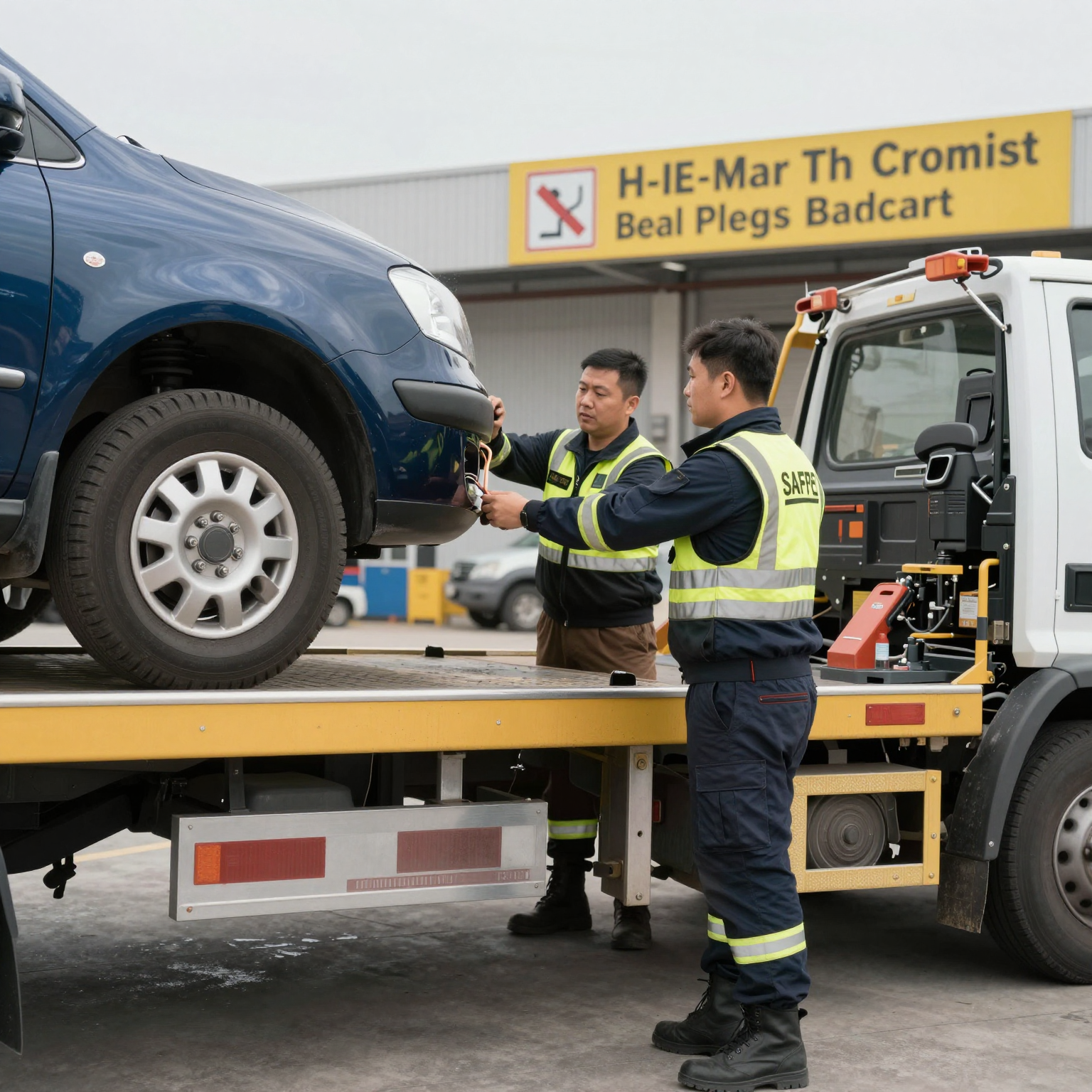
Towing safety is vital for businesses involved in transportation, whether for service delivery, logistical operations, or emergency roadside assistance. The consequences of neglecting towing safety can be catastrophic, leading to severe accidents that not only affect the drivers but also pose risks to the general public. Statistics indicate that improper towing practices contribute significantly to road accidents. In fact, between 1988 and 2011, there were an average of 1.2 fatalities and 60 injuries per day associated with towing incidents in the United States, predominantly due to unsafe towing practices.
To ensure a safe towing environment, businesses should adhere to the following best practices:
- Proper Training: Providing comprehensive training for all drivers ensures they understand the mechanics of towing, including hitching procedures, weight limits, and braking dynamics. Regular training sessions keep safety at the forefront.
- Equipment Inspection: Regularly checking tow trucks and equipment for mechanical soundness-such as inspecting safety chains, lights, and brakes-can prevent failures that could lead to accidents. Notably, safety chains are often the most commonly failed component during towing operations, which elucidates the need for thorough checks.
- Weight Management: Understanding the weight limits of both the tow vehicle and the trailer is essential. Overloading can lead to reduced braking efficiency, increased wear and tear, and increased risk of accidents. Businesses should clearly communicate these limits to their drivers.
- Use of Proper Gear: All staff involved in towing operations should use personal protective equipment (PPE) like gloves, helmets, and vests to enhance safety while executing towing tasks.
As the towing industry calls for improved safety standards, businesses must recognize the importance of compliance not just to avoid legal penalties, but to promote a culture of safety that can lead to higher employee morale and trust. A positive safety record can also enhance customer satisfaction, bolster company reputation, and potentially lower insurance costs. Moreover, companies with exemplary safety practices often find it easier to secure contracts and partnerships.
While towing is a necessary aspect of many transportation businesses, it shouldn’t come at the cost of safety. Establishing robust safety practices anchors a company’s operational integrity and elevates its status in a challenging industry.
For businesses involved in towing operations, keeping abreast of the latest towing safety practices can prevent accidents, ensure compliance, and foster success in the long term.
| Category | Statistic | Source |
|---|---|---|
| Average Daily Fatalities (1988-2011) | 1.2 | National Highway Traffic Safety Administration (NHTSA) |
| Average Daily Injuries (1988-2011) | 60 | National Highway Traffic Safety Administration (NHTSA) |
| Major Cause of Towing Accidents | Unsafe towing practices | National Highway Traffic Safety Administration (NHTSA) |
| Most Common Failed Component in Trailers | Safety chains | National Highway Traffic Safety Administration (NHTSA) |
Common Challenges in Towing Cars Long Distances
Business owners engaged in towing cars long distances face several common challenges that can impact their operations. Understanding these issues can help in planning and strategizing effectively. Here are some of the most prevalent challenges:
- Equipment Failure: Reliability of towing equipment is crucial. Failures can occur at any point during transportation, leading to delays and potential damage to vehicles.
- Weather Conditions: Adverse weather conditions such as rain, snow, and ice can make long-distance towing far more complicated and increase risk factors.
- Legal Regulations: Compliance with various legal regulations can be a complex process. Towing businesses must adhere to state and local regulations concerning vehicle transport, load restrictions, and insurance coverage.
- Road Conditions: Navigating varying road conditions, including mountainous terrains or poorly maintained roads, presents additional hazards that can affect travel times and safety.
- Distance Management: Long-distance towing often requires careful planning regarding fuel stops, rest breaks, and time management to ensure the safe arrival of the vehicle.
- Insurance Issues: Ensuring proper insurance coverage to protect against accidents, theft, or damage while the vehicle is in transit is vital for business safety and compliance.
- Cargo Security: Securing the vehicle properly to prevent theft or damage during transport is essential, as improper securing can lead to liability and costly insurance claims.
For more on how to ensure compliance with towing regulations, check this article on Towing and Recovery Services.
Business owners should remain proactive in addressing these challenges to ensure safe and efficient towing operations.
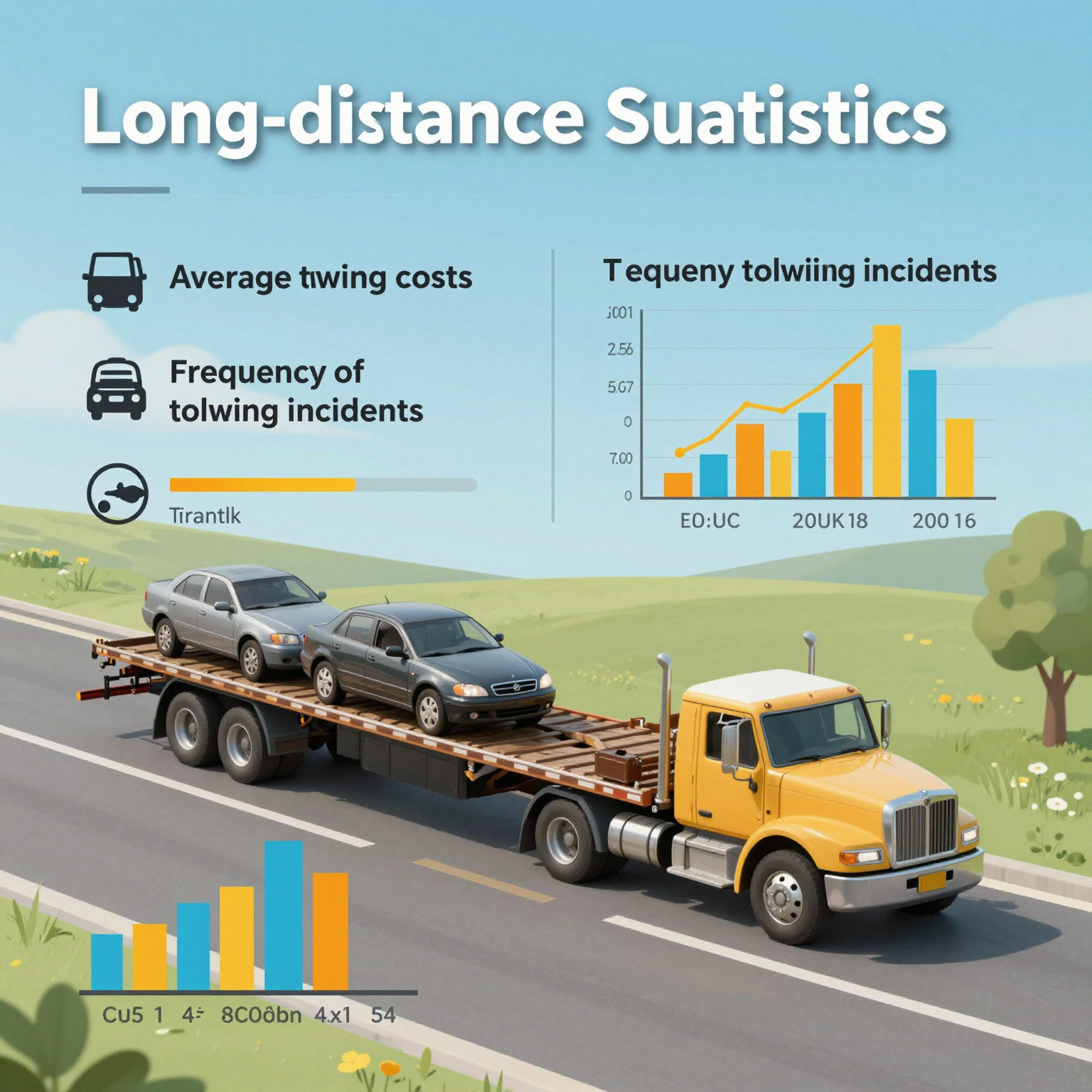
This infographic highlights key statistics regarding long-distance towing, providing valuable insights for business owners considering towing services.
- Average Towing Costs: Understanding costs is crucial when planning a towing service.
- Frequency of Towing Incidents: Knowing how often these incidents occur can help with expectations and planning.
- Common Reasons for Towing: Understanding why vehicles are typically towed can help in offering better services.
For more information on towing services available in your area, check out our towing service in Burke or learn more about Washington DC towing services.
Legal Regulations for Towing
When it comes to towing vehicles, business owners must have a comprehensive understanding of both federal and state regulations to operate legally and safely. The requirements extend beyond simply having the right equipment; they encompass permits, weight limits, and adherence to safety standards.
Permits
In the United States, the Federal Motor Carrier Safety Administration (FMCSA) sets forth guidelines regarding permits necessary for business towing operations. If vehicles exceed standard weight limits, businesses must obtain special permits. For instance, any vehicle grossing over 80,000 pounds while transporting cargo typically requires special authorization. Each state has its own procedure for issuing these permits, requiring businesses to plan routes carefully, often involving diverse factors, including the use of escort vehicles and time-of-day restrictions. An important resource for understanding these requirements can be found on the FMCSA’s official page here.
Weight Limits
The average maximum gross vehicle weight for trucks that operate across state lines is 80,000 pounds. Breaking this down further:
- Single Axle: Up to 20,000 pounds
- Tandem Axle: Up to 34,000 pounds
- Drive Axles: Up to 40,000 pounds
These limitations ensure that vehicles do not exceed the structural capacities of roads and bridges, thereby reducing the risk of accidents. Each state may have additional restrictions, especially for bridges and roads with known limitations, which is why business owners must refer to the National Highway Traffic Safety Administration’s detailed state regulations.
State-Specific Regulations
Legal requirements can vary significantly based on your business’s location. For example, states like California impose stricter regulations compared to other regions. Texas requires that heavy loads over 75,000 pounds have special permits while traveling on designated routes. Along with ensuring compliance, understanding these regulations can prevent costly fines and encourage safer traffic conditions.
Conclusion
In summary, staying compliant with towing regulations requires businesses to stay informed about both federal guidelines and state-specific rules. Business owners must actively monitor changes and ensure that they have the necessary permits and adherence to weight limits, providing safe and efficient towing services.
Best Practices for Long Distance Towing
When it comes to towing vehicles over long distances, ensuring safety and efficiency should be at the forefront of your operations, especially for business owners in the towing industry. Considering the complexities involved in transporting a vehicle across various terrains and conditions, the following best practices can significantly enhance your towing operations.
1. Choose the Right Equipment
Choosing the appropriate towing equipment is critical for safety and efficiency. Use high-quality tow dollies or trailers that are certified and equipped with braking systems, especially for all-wheel or four-wheel drive vehicles. These specifications prevent potential drivetrain damage while ensuring smooth transport. Adhering to the guidance from the National Highway Traffic Safety Administration (NHTSA) can further complement your equipment selection.
2. Regular Maintenance Checks
Before embarking on any long-distance towing journey, conduct thorough maintenance checks on both the towing vehicle and the one being towed. Key areas to inspect include:
- Brake performance
- Tire pressure
- Lighting systems
- Connection components
Incorporating regular maintenance checks will reduce the likelihood of roadside breakdowns, which are unfortunately a common occurrence-accounting for over 40% of incidents during long hauls.
3. Securely Tie Down Vehicles
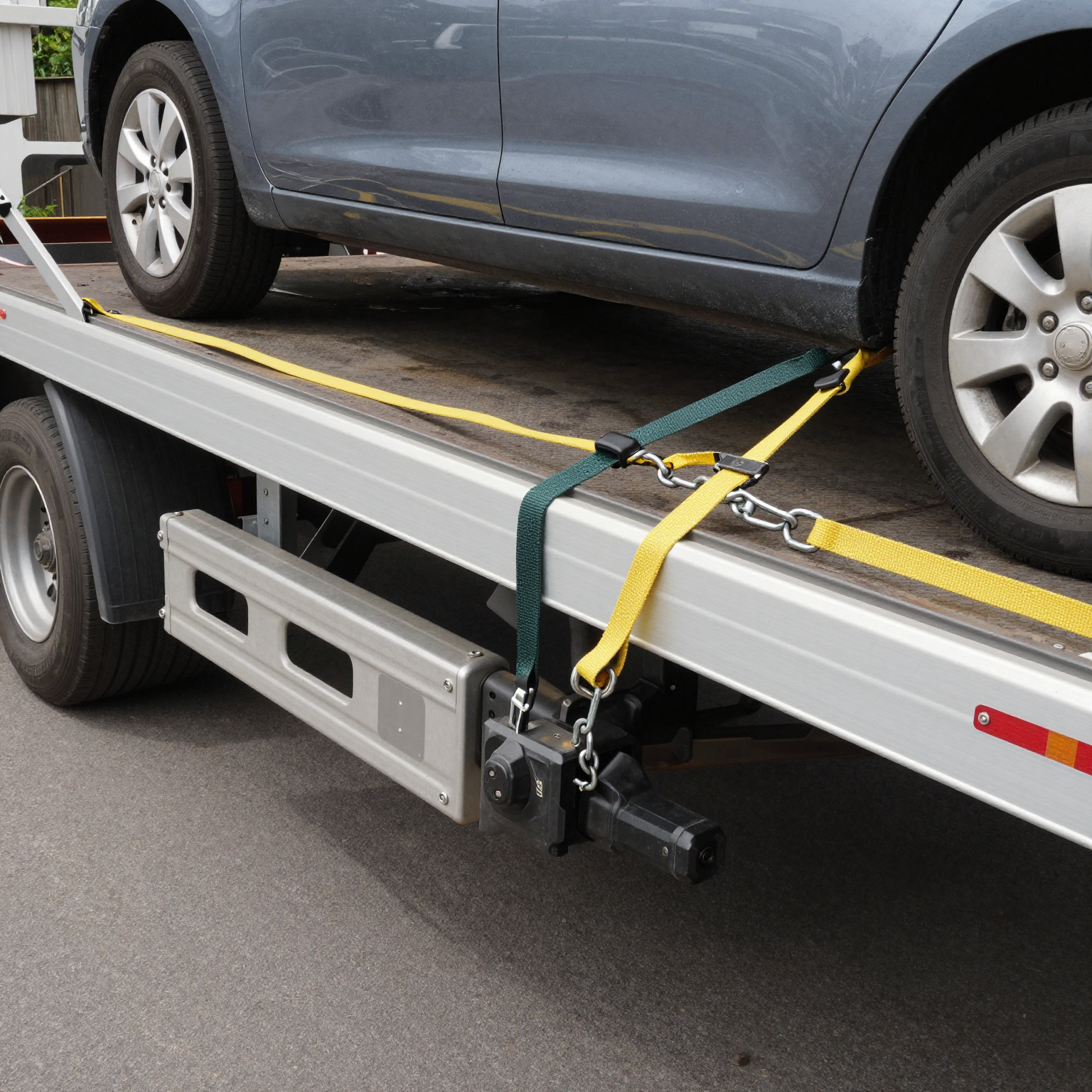
Properly securing the vehicle you are towing is essential to prevent movement during transit. Utilize high-quality tie-down straps, and consider it best practice to use safety chains. These ensure that even in the event of strap failure, the towed vehicle remains attached to the tow rig.
4. Balance the Load
Maintain proper weight distribution to improve fuel efficiency and stabilize the towing experience. This not only enhances handling but also contributes to safer travels and reduced wear on tires-two critical concerns for any business owner operating in the towing industry. Imbalanced loads can complicate maneuverability and may lead to accidents.
5. Plan Your Route
Planning your route ahead of time not only helps you avoid potential hazards such as bad weather or heavy traffic, but can also optimize fuel usage. Make sure to include rest stops to prevent fatigue, as this is a significant risk factor for long-distance driving.
6. Invest in Driver Training
All drivers should undergo regular training that covers:
- Load securing techniques
- Speed management
- Emergency response protocols
Enhanced training results in a professional and safe towing operation, translating into a better reputation and potentially lower insurance costs.
7. Utilize Technology
Equip your towing fleet with GPS technology for real-time monitoring. This ensures that you maintain accurate location data, helping to manage efficiency and improve customer service by providing timely updates.
Conclusion
Adopting these best practices not only enhances the safety and efficiency of your long-distance towing operations but can also bolster your business’s reputation in a competitive landscape. Implementing rigorous checks and investing in quality equipment and training can lead to substantial operational improvements. As reported by the American Trucking Associations (ATA), businesses that adhere to these practices observe a 30% reduction in towing-related incidents and a 15% improvement in fuel efficiency.
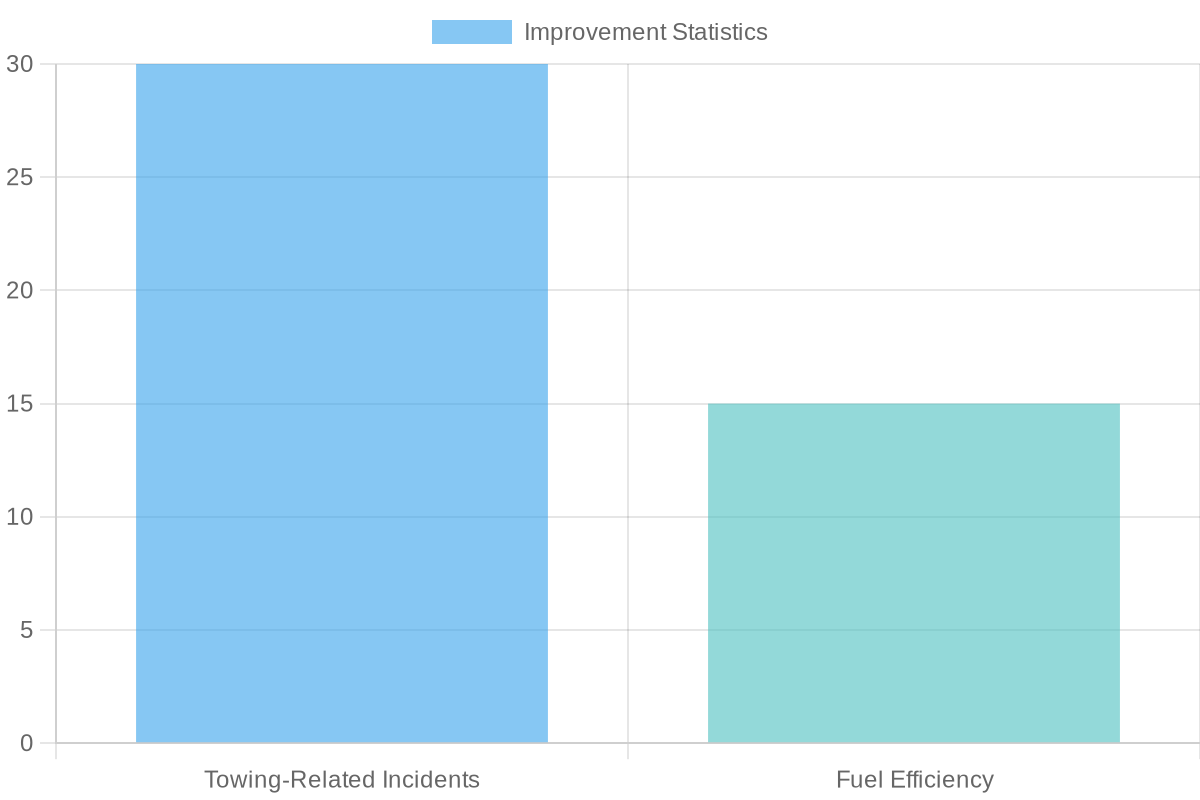
Improvement Statistics
| Category | Improvement Statistic |
|---|---|
| Towing-Related Incidents | 30% reduction with implementation of best practices (e.g., proper equipment use, driver training) |
| Fuel Efficiency | 15% improvement in fuel efficiency through optimized towing practices (e.g., maintaining correct tire pressure) |
| Towing Equipment Type | Weight Capacity | Typical Uses |
|---|---|---|
| Heavy-Duty Tow Trucks | 15,000 to 30,000 lbs | Ideal for towing large vehicles and trailers, recovery operations |
| Flatbed Tow Trucks | Typically 10,000-25,000 lbs | Suitable for transporting multiple vehicles or those with significant damage |
| Tow Wheel Lifts | 2,500 to 5,000 lbs | Best for short-distance, lightweight towing, often in urban settings |
| Hydraulic Booms | Up to 30,000 lbs | Used in recovery operations where vehicles are out of reach or on inclines |
| Dolly Towing Systems | Up to 10,000 lbs | Effective for smaller vehicles, providing stability on inclines |
Specifications and Considerations
-
Heavy-Duty Tow Trucks: These trucks are equipped with advanced winch systems and hydraulic booms, enabling them to recover vehicles in complex recovery scenarios. They often meet the SAE safety standards, ensuring safe lifting and towing operations.
-
Flatbed Tow Trucks: These trucks are favored for their ability to transport damaged or non-drivable vehicles without the risk of further damage. The flatbed allows for easy loading and unloading, making it ideal for long-distance towing.
-
Tow Wheel Lifts: This equipment is more suited for short-distance towing. It’s lightweight and easy to maneuver, but not recommended for long-distance due to potential wear on the vehicle being towed.
-
Hydraulic Booms: Used primarily for complicated recoveries where other methods may not be effective. They are designed for strength and stability, making them a key tool in the towing industry.
-
Dolly Towing Systems: These systems allow for easier maneuvering of smaller vehicles, particularly in city environments. They help prevent wear and tear on the vehicle’s tires during transport.
Long-distance towing can require specific equipment to ensure the safety and reliability of the tow. For more insights on local towing services, you can check out Ace Towing Service or towing companies in Arlington.
Tips for Maintaining Vehicle While Towing for Long-Distance Journeys
Towing a vehicle over long distances can be a demanding task for both the towing vehicle and the one being towed. Proper maintenance and preventative measures can ensure safety and efficiency during your trip. Here are some practical tips:
1. Pre-Trip Inspections
Before setting off, conduct thorough inspections. Check the following:
- Tires: Ensure proper inflation and tread depth on both the towing and towed vehicles. Under-inflated tires can drastically affect handling and fuel efficiency.
- Brake System: Test brakes on both vehicles. Ensure responsiveness and that all lights function properly to avoid hazards on the road.
- Hitch and Coupler: Inspect the hitch for wear and make sure it securely attaches to the tow vehicle. Consider using safety chains as an additional safeguard against accidents.
2. Monitor Engine and Transmission
- Fluid Levels: Maintain appropriate oil and transmission fluid levels. Consider using high-quality synthetic oil that withstands towing stresses. Regularly check coolant temperature, especially when towing heavy loads.
- Temperature Monitoring: Install an aftermarket temperature gauge if necessary to monitor engine temperature more accurately.
3. Drive Smoothly
- Acceleration and Braking: Avoid sudden acceleration or braking to minimize strain on your vehicle’s drivetrain. Gradual acceleration helps maintain control and reduces the risk of accidents.
- Rest Stops: Schedule regular breaks (every 2-3 hours) to check the vehicle’s connections, tire pressure, and engine temperature. This time allows the brakes and engine to cool down, enhancing vehicle performance.
4. Carry Essential Maintenance Supplies
Prepare a roadside emergency kit consisting of:
- Portable air compressor
- Spare fuses and tools
- Extra light bulbs for trailer lights
- Emergency brake cable
Such equipment can be crucial for minor repairs or emergencies.
By ensuring proper vehicle maintenance and taking these preventive measures, business owners can enhance safety and reliability while towing long distances. For more expert tips on towing services, learn more about our Burke towing service or check out our Washington DC towing options.
Conclusion and Call To Action
Towing a vehicle for long distances involves critical considerations that ensure safety and compliance with regulations. As we discussed, maintaining a safe following distance, securing loads properly, and adhering to local towing guidelines are paramount to prevent accidents and injury. For business owners in the towing industry, understanding and implementing these standards is essential-not just for legal compliance but also for instilling trust among your customers.
We highlighted the importance of towing safety regulations, emphasizing that improper towing can lead to heavy fines, potential vehicle damage, and significant liability. Business owners should routinely check vehicle and equipment suitability and ensure their drivers are well-trained in safe towing practices.
If you are a business owner seeking reliable towing services or infrastructure for your operations, we encourage you to contact us at Ace Towing today. Our experienced team is here to provide the necessary support, including long-distance towing and compliance with safety guidelines.
Additionally, don’t miss the opportunity to learn more about our services tailored to meet your specific needs in different regions, such as Burke Towing Service and Washington DC Towing. We are committed to delivering excellence in every tow, ensuring your assets are moved safely and efficiently.