
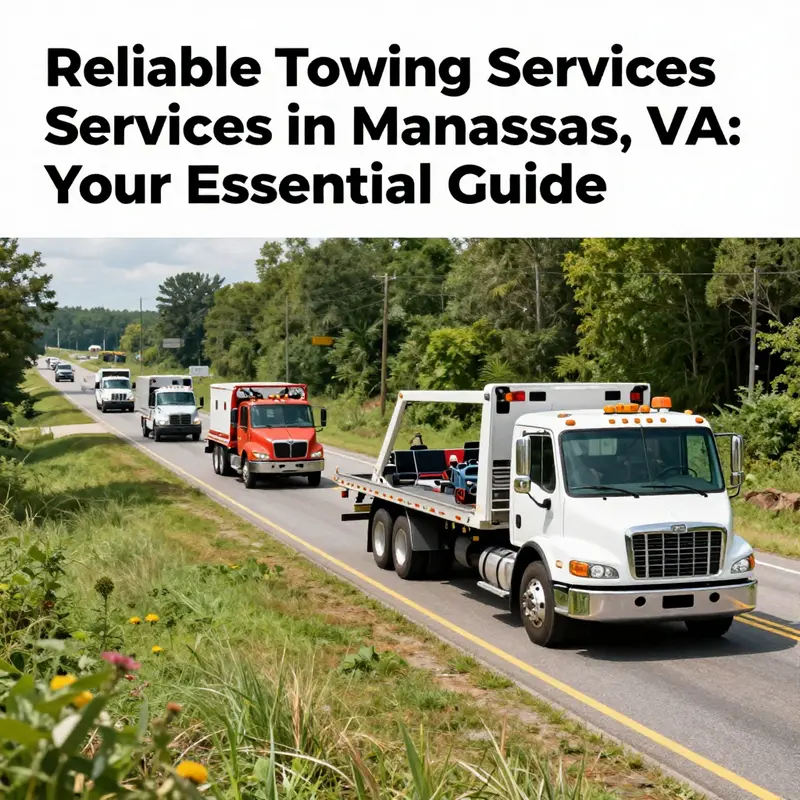
In Manassas, VA, the towing industry is not just a service; it is a vital resource for motorists facing unexpected roadside emergencies. Business owners need to understand the local towing landscape to ensure timely help for employees, clients, and visitors alike. This understanding encompasses the diverse towing services available, as well as insights into the customer experiences that can shape perceptions of reliability and quality. In this guide, we delve into the overview of towing services in Manassas, followed by an analysis of customer experiences that highlight the strengths and potential shortcomings of local providers. Together, these chapters equip business owners with the necessary knowledge to make informed decisions when choosing a towing service partner.
Manassas Towing in Focus: How Local Providers Keep Roads Clear and Drivers Safe
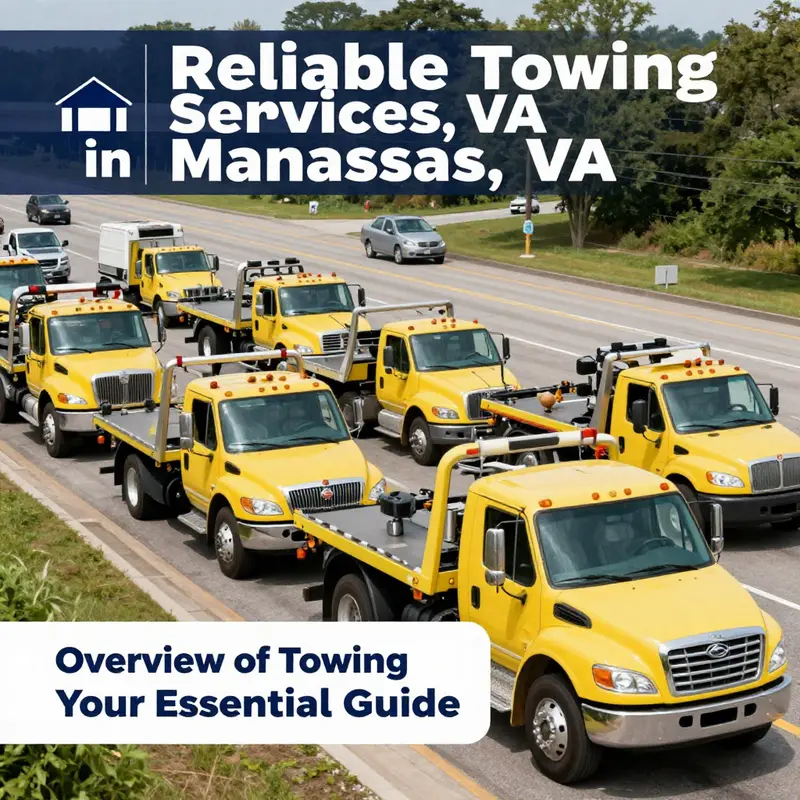
In Manassas, towing is more than a roadside call; it is a coordinated system designed to restore safety quickly and with accountability. Local operators blend rapid response with trained assessment, regulatory awareness, and customer communication. The drivers, dispatchers, and shop teams form a network that keeps traffic moving and roadside hazards contained. They approach each scene with a balance of speed and care, ensuring that a tow is not just a move from A to B but a carefully managed incident from arrival to handover.
Within this ecosystem four prominent providers illustrate the spectrum of local capability: Johnson’s Towing LLC, United Towing Service, LLC, TA Heavy Mobile Repairs, and SDD Towing. Each brings a different emphasis—light-duty recoveries, heavy-duty capacity, mobile repairs, and neighborhood coverage—yet all share a commitment to safety, transparency, and reliability. Proximity to major routes means the tow can arrive promptly, which influences customer satisfaction and insurance considerations.
Everyday operations hinge on practical realities: response times, transparent pricing, and scope of service. The best operators combine local familiarity with clear communication about services included, estimated costs, and any potential extras. Light-duty tows cover common breakdowns on city streets; heavy-duty recoveries handle larger vehicles; roadside assistance adds jump starts, tire changes, fuel delivery, and lockout help. A multi-line capability helps Manassas drivers recover their day with minimal disruption and aligns with insurance and traffic-safety programs.
Beyond the immediate tow, the ecosystem fosters community partnerships with garages, repair shops, and rental agencies. Technology—online booking, GPS tracking, and dispatch apps—improves ETA visibility and on-scene updates, giving motorists a sense of control during a stressful moment while enabling better resource planning for providers.
Seasonal patterns, weather, and local regulations shape demand and operations. Summer travels raise incident volumes; winter conditions demand flexible staffing and well-maintained equipment. Eco-conscious practices—fuel-efficient fleets, optimized routing, and careful vehicle handling—are increasingly part of responsible towing in the region, aligning with broader municipal goals.
The human face of Manassas towing matters most: trained drivers who communicate calmly, dispatchers who manage multiple calls with care, and technicians who ensure equipment is safe for the road. Together, they offer a reliable safety net for drivers encountered with stall, breakdown, or collision, reinforcing the sense that help is near when misfortune strikes.
Rescuing the Road: Real Customer Experiences with Tow Truck Services in Manassas, VA
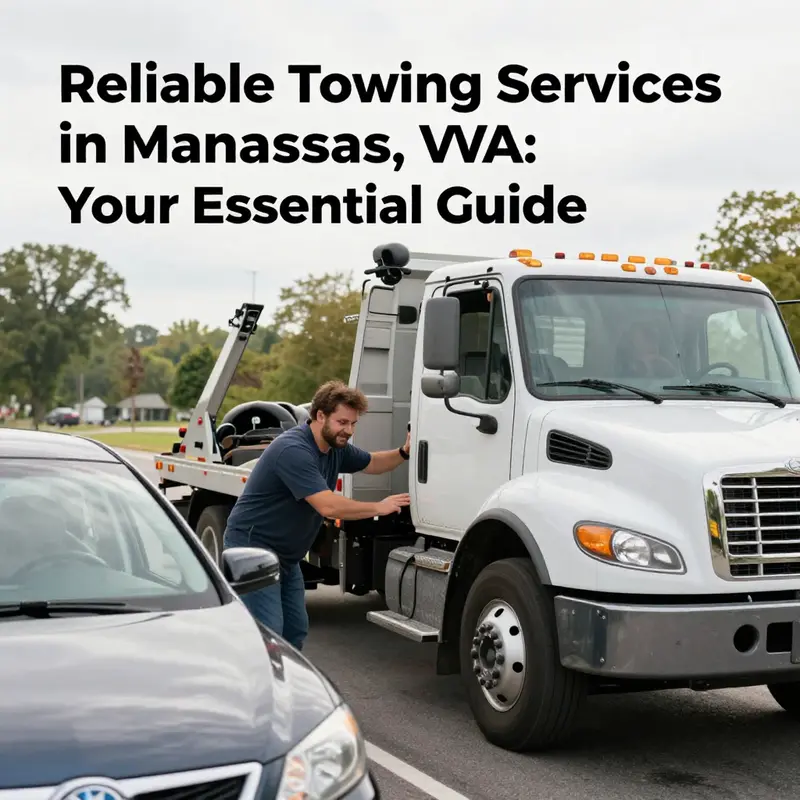
The open streets of Manassas, Virginia, carry more than traffic and weathered storefronts; they carry the small, human moments that define roadside help. When a car falters on a humid afternoon or a sudden winter chill tightens its grip on a quiet suburban street, drivers seek assurance as much as they seek a tow. The experience of a tow truck visit in Manassas often hinges on one thing more than any price sheet or service menu: the human connection between the person in the cab and the person waiting on the shoulder. In conversations that drift between gratitude and relief, customers describe more than a vehicle being moved from point A to point B. They describe a calm encounter where a dispatcher’s efficiency, a driver’s courtesy, and the clarity of the process can turn a stressful moment into a manageable delay. This is not merely a matter of mechanics and routes; it is the craft of road-side hospitality understood in a code of practice shaped by proximity to busy highways, local regulations, and the tacit agreement that emergencies deserve respectful handling and transparent communication.
The road-repair cycle in Manassas is a rhythm of quick responses and careful handling. When the wheels stop spinning and the smoke of frustration starts to rise, the first signs of relief often arrive not with the sound of sirens but with a steady voice on the line. A well-coordinated dispatch system makes the difference between waiting with growing anxiety and watching the map light up with a precise ETA. In many reports, customers highlight the efficiency of the teams that arrive—polite, listen-first conduct, and a pace that suggests experience rather than improvisation. The vehicles that pull up are not just metal and winches; they are mobile touchpoints of reassurance. Each driver tends to describe the moment of arrival as a blend of practical skill and human courtesy: a quick check of the hood, a respectful confirmation of the location, a clear explanation of what will happen next, and a patient acknowledgement of the customer’s questions about cost, time, and safety.
A recurring thread in the Manassas experience is how the drivers communicate along the way. Customers talk about getting updates as the tow progresses—estimated arrival times, the exact route to be taken, and the steps needed to secure the vehicle. This transparency matters. In an environment where a missed turn or sudden traffic can add minutes to an already tense situation, knowing what to expect offers an anchor. The most memorable encounters are those in which the driver not only performs the technical task of loading a car but also joins the customer’s perspective long enough to ease the stress of the moment. This blend of competence and courtesy surfaces consistently in positive reviews and word-of-mouth recommendations across the region. One review, shared on a widely used local platform, describes an experience as “exceptionally friendly, courteous and fast,” recalling how help arrived promptly after a breakdown and transformed a potential ordeal into a straightforward recovery. Such anecdotes illuminate how reputation spreads in a tight-knit community where every shout-out carries weight.
Within this landscape, the role of the local tow operator extends beyond mere response time. The work often includes coordinating with other services after an accident, managing safe scene control, and ensuring that the vehicle is handled with care to prevent further damage. In Manassas, these duties are integrated into a broader approach to road safety and community integrity. Tow operators frequently find themselves acting as the first face of structured assistance, the early link in a chain that may involve traffic management, insurance coordination, and, in severe cases, collaboration with emergency services. The best operators understand that each call is unique: a late-night cold start, a vehicle carrying passengers with varying needs, or a breakdown on a route where traffic moves with relentless pressure. The most trusted teams bring a quiet adaptability to these scenarios, a skill in reading the stress in a caller’s voice and choosing a response that reduces risk while preserving dignity.
Customers also increasingly weigh the value of transparency in pricing. A transparent quote, delivered up front with a clear explanation of potential add-ons, reduces the anxiety that often accompanies unexpected charges in roadside situations. In Manassas, as in many communities, drivers and passengers alike appreciate a straightforward approach that respects their budget and avoids the sense of being taken advantage of in a moment of vulnerability. This transparency is reinforced when customers observe consistent practices across different providers: visible licenses or certifications when asked, a straightforward discussion about fees, and a willingness to walk through the steps of the tow with the same clarity as the truck’s lights illuminate the scene. The result is not simply a transaction but a trust-building moment that can influence future decisions, including which company to call for a future need or to recommend to friends and family.
Technology threads through these experiences in quiet, practical ways. Many Manassas towing services now offer online booking options, GPS-tracked dispatches, and mobile communications that keep customers connected to the process without requiring a phone call in the middle of highway traffic. A customer who interacts with the system at the outset—perhaps by submitting a request through a website or a mobile interface—will often receive a confirmation and an updated ETA, even as the driver’s car hums toward the scene. This kind of integration matters for several reasons: it reduces uncertainty, lowers the cognitive load of waiting, and increases the likelihood that someone on the roadside can feel a sense of control over a situation that is inherently disorienting. In communities where people commute daily, the ability to monitor a tow from a phone can transform a potentially fraught incident into a predictable, manageable process.
In contemplating the evaluative lens through which customers judge these experiences, it becomes clear that the content of the service is inseparable from the relationship formed between customer and responder. A courteous driver who offers a brief explanation of the loading procedure, checks that the vehicle is properly secured, and leaves space for the customer to ask questions—these moments accumulate into a pattern of high customer satisfaction. Reviews frequently underscore the importance of responsiveness: a tow that arrives quickly enough to minimize downtime, paired with a communication style that respects the customer’s time and preferences. The combination of swift action and considerate communication often emerges as the distinguishing feature in a competitive market shaped by proximity to busy highways, varying weather, and local regulations. In turn, this pattern influences not only the next service call but also the likelihood that the customer will turn to the same provider again or recommend the service to others looking for reliable roadside assistance in Manassas.
For readers who want a touchstone in the local landscape, a practical path is to explore resources that summarize the options available in Manassas and adjacent areas. A concise path to local understanding can be found by visiting a dedicated Manassas towing resource, which compiles profiles, service areas, and general guidelines for what customers should seek in a trustworthy operator. This page emphasizes the value of local familiarity, a network of drivers who know the terrain, the road quirks, and the common trouble spots that can complicate a breakdown on a busy route. It serves as a reminder that good towing service is as much about local relationship-building as it is about mechanical know-how. See more on this local resource by visiting Manassas towing, a page that offers context for readers seeking nearby options.
The Manassas experience is also a living reminder that towing and roadside assistance intersect with wider community responsibilities. In emergencies, these services contribute to road clearance and safety, helping to prevent traffic bottlenecks and secondary incidents. When weather turns unkind or a storm disrupts travel, the trusted tow partner becomes part of a coordinated response that includes emergency responders, police, and local dispatch. In such moments, the customer’s sense of security depends not only on the speed and skill of the driver but also on the clarity of lines of communication among all parties involved. The most effective teams synchronize their efforts with local protocols, ensuring that vehicles are moved safely to designated locations, minimizing risk to other motorists, and preserving the flow of traffic wherever possible.
Beyond the immediacy of retrieval and transport, a notable trend shaping customer experience in Manassas is the adoption of greener towing practices. Some operators are introducing eco-friendly approaches—whether through the use of more efficient engines, lower-emission equipment, or alternative methods that reduce fuel consumption. For customers who are sensitive to environmental impact, these choices can influence perception: a tow that aligns with broader sustainability goals communicates care for the community beyond the immediate service window. It signals a company culture that views roadside assistance not just as a service, but as a responsible local enterprise that acknowledges its footprint and seeks practical ways to lessen it. In this sense, customer feedback about environmental stewardship can become part of the brand narrative that customers carry into future decisions. The emotional resonance of the tow experience—trust, reassurance, and a sense of being looked after—continues long after the vehicle is secured on a flatbed or pulled onto a tow truck bed.
As the chapter moves toward a broader understanding of the Manassas market, the value of selecting a provider who blends traditional reliability with modern convenience becomes clear. The right choice is rarely grounded in a single attribute, whether price, proximity, or speed alone. It rests on an amalgam of factors: a calm and professional demeanor, clear communication about steps and costs, reliable technology that keeps customers informed, and a demonstrated commitment to safety and courtesy in every interaction. For readers who want to ground their decision in personal experience, the best course is to listen for the pattern in reviews, observe how drivers describe their own process, and consider how a local provider fits into the community’s broader ecosystem of services. In Manassas, where the roadways tell a constant story of movement and contingency, the most trusted tow partners are those who treat each call as a chance to reinforce safety, show empathy, and prove that help is not just fast, but thoughtfully delivered.
External resource for further context on customer experiences and local perceptions can be found here: Yelp page for Manassas tow services.
Final thoughts
Understanding the towing service landscape in Manassas, VA, is critical for business owners aiming to ensure seamless assistance during roadside emergencies. The first chapter outlined the various towing services available, emphasizing their specialties and the importance of choosing a provider aligned with specific needs. The second chapter shed light on customer experiences, showcasing how service reliability and response times affect decision-making. By leveraging these insights, businesses can forge robust partnerships with towing companies that enhance operational efficiency, maintain safety on roads, and positively impact customer satisfaction. Selecting the right towing service not only protects assets but also promotes trust within the community.