
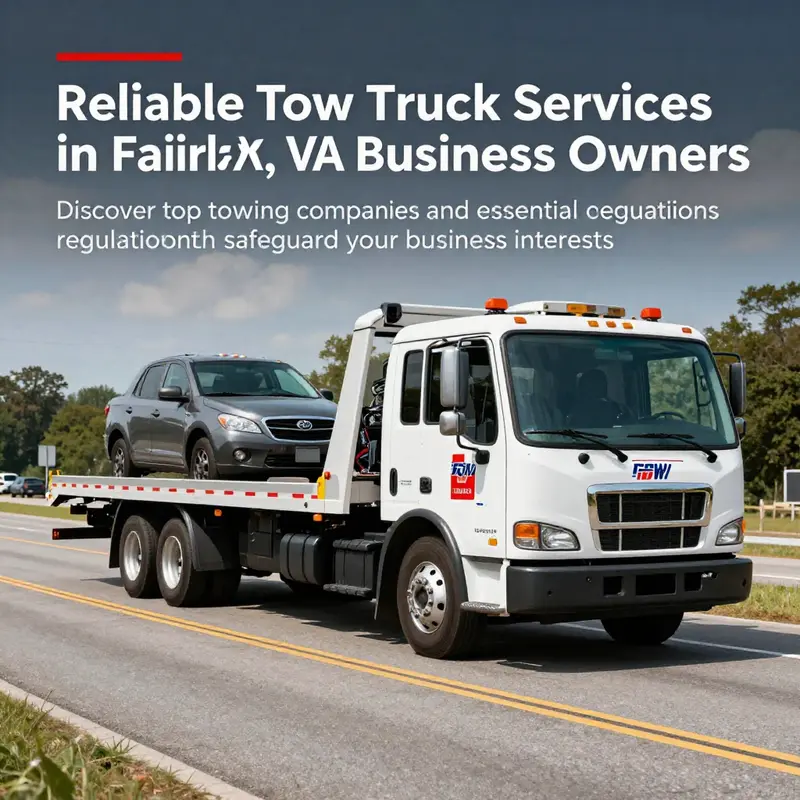
In the bustling landscape of Fairfax, VA, reliable tow truck services play a pivotal role for local business owners. Whether managing a fleet of vehicles or dealing with occasional roadside emergencies, understanding the nuances of towing services can significantly enhance operational efficiency and customer satisfaction. This article delves into the top tow truck services in the Fairfax area, providing insightful recommendations based on recent user feedback. Additionally, it explores the regulatory framework surrounding towing operations, ensuring that business owners navigate legalities effectively. By the end of this article, you will be better equipped to select the right towing partner and comprehend the vital laws that govern towing practices in your area.
Finding the Best Tow Truck Help in Fairfax, VA: How Top-Rated Local Providers Meet Every Roadside Need
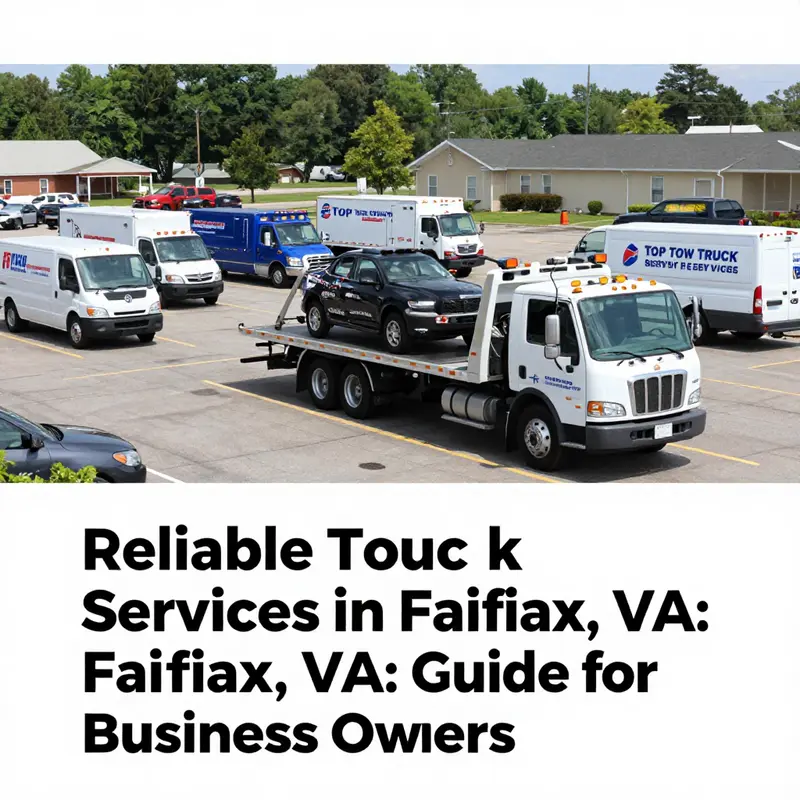
What to Expect from Top Tow Truck Services in Fairfax, VA
When your vehicle leaves you stranded in Fairfax, the difference between a smooth recovery and a stressful ordeal is often the towing company you choose. Top-rated providers in the area earn their reputation by combining fast response times, clear communication, properly equipped trucks, and knowledgeable operators. They serve a wide range of needs: emergency roadside assistance, accident recovery, long-distance vehicle transport, impound and DMV-related moves, and light hauling or junk removal. Understanding what high-quality service looks like helps you choose quickly when time matters most.
A dependable local supplier typically demonstrates three practical strengths. The first is proximity and coverage. A centrally located fleet reduces arrival time and gives crews more flexibility to handle multiple calls. The second is equipment diversity. The best operators maintain flatbeds, wheel-lift trucks, and medium- to heavy-duty units, allowing them to manage everything from compact cars to light commercial vans and small trucks. The third strength is process: a streamlined dispatch system, clear pricing, and efficient paperwork minimize delays at the scene and at drop-off.
Response time is often the most visible measure of reliability. Fast arrival depends on both fleet placement and an effective dispatch model. Efficient companies use GPS-enabled fleet tracking to send the closest available truck, and they keep lines of communication open with callers. When you contact a top-rated service, expect a clear estimated time of arrival, a brief explanation of what will happen on arrival, and a confirmation of any charges you might incur. Those small details reduce uncertainty and prevent surprises when the bill arrives.
Equipment and technician training matter equally. A well-maintained flatbed helps prevent further damage during loading, while a wheel-lift unit is often faster for simple tows. Heavy-recovery vehicles and winches are essential after collisions or when a vehicle is off the road. Technicians who know safe-hooking practices, correct vehicle stabilization, and damage-minimizing loading are worth the difference in cost. Also look for crews that can secure and transport specialty vehicles, such as those with low ground clearance or non-operative steering.
Service variety makes a provider useful to a broader audience. In Fairfax, reputable operators typically offer:
- 24/7 emergency towing and roadside assistance
- Jump starts, fuel delivery, and lockout services
- Accident scene recovery and vehicle storage
- DMV and impound retrieval services
- Long-distance transport and dealer deliveries
- Light hauling and junk car removal
A company offering this range saves drivers from calling multiple providers in stressful situations. For example, you may need both accident recovery and secure storage near an auto repair facility. Choosing a single provider capable of both tasks streamlines claims, reduces transfer points, and keeps your vehicle in known hands.
Pricing transparency and payment options are practical concerns. Top-rated services often publish basic rates for common tasks, such as hook-and-tow and per-mile charges. However, exact fees depend on distance, vehicle type, time of day, and situational factors like winch-outs or recovery from unstable terrain. Confirm fees before the tow starts and ask whether taxes, storage, or administrative charges apply. Preferred providers accept multiple payment methods, process major credit cards, and sometimes offer billing arrangements for insurance companies or fleet accounts.
When dealing with posts related to DMV or impound situations, expect a different workflow. Providers experienced with vehicle impounds understand the required documentation and communication channels. They can guide you through steps to retrieve a towed vehicle, including necessary identification, proof of ownership, and any release forms. If you face tickets, violations, or administrative holds, a knowledgeable operator can often point you to the county or city office that handles release and provide an estimate for storage fees you may owe.
Customer service extends beyond the tow. Top-rated companies cultivate trust with follow-up communication, polite technicians, and a willingness to explain what happened. They can advise on next steps: where to take a vehicle for inspection, recommended shops for body work, or how to file a claim. A company that documents vehicle condition at pickup and drop-off with photos reduces disputes. Clear records also help after accidents when insurance and repair shops need precise information.
Consider reputation data carefully. Ratings and user reviews provide insight into consistent strengths and common complaints. Pay attention to trends rather than one-off comments. Compliments about punctuality, clear pricing, and helpful technicians indicate a reliable pattern. Complaints that repeat—long waits, damage claims, or billing surprises—are red flags. Use review sites to glean objective details, such as typical wait times and how the company handles disputes.
Coverage area and local knowledge are practical factors in Fairfax. The region includes busy commuter routes, historic neighborhoods, shopping centers, and congested intersections. Experienced crews understand how to navigate those areas, where to stage for quick access, and how to work safely around traffic. They also know local repair shops, salvage yards, and impound lots, which helps with faster drop-offs and fewer routing errors.
Seasonal and time-of-day realities affect tow demand. Early morning and rush hours often see higher call volumes. Holidays and winter weather increase the likelihood of accidents and mechanical failures. When selecting a provider, ask about surge handling and whether they keep extra units on standby during high-demand periods. A company that partners with neighboring jurisdictions or can call in backup resources during storms typically offers more dependable service when conditions worsen.
Insurance and liability are important to confirm before work begins. Reputable providers carry adequate liability and cargo insurance. They will present proof if asked and explain coverage limits and what happens if a vehicle is damaged during transit. Take note of any disclaimers on the service agreement and ask for clarification on procedures for filing damage claims. A professional operator will outline the claims process and timeframes for resolution.
When you have time to prepare, vet potential providers in advance. Save a local number on your phone, note service areas and turnaround times, and confirm whether the company offers membership plans for frequent drivers. Memberships can provide a lower per-call price or priority dispatch, which many commuters find valuable. If you manage a fleet, inquire about account services, recurring billing, and dedicated account managers.
At the scene, safety should be the clear priority. Technicians should arrive with reflective gear, traffic cones, and lights. They will position the truck to shield the work area and communicate safety steps before beginning. If the situation involves fuel leaks, airbags, or electrical hazards, a trained operator will coordinate with emergency services rather than attempting to manage risks alone.
Finally, think about long-distance and specialty transport needs. If a vehicle requires transport beyond Fairfax, ask about flatbed availability and tie-down practices. A provider with experience handling dealer deliveries, auction pickups, or cross-state moves can help you avoid multiple transfers. For specialty vehicles—vintage cars, modified suspensions, or oversized loads—verify equipment and operator experience in advance.
Choosing among the area’s top-rated operators is easier when you know what to look for. Prioritize proximity, equipment variety, transparent pricing, and a proven record of safe, courteous service. Keep a vetted number handy and confirm coverage during peak travel times. That preparation reduces stress and helps ensure your vehicle is handled professionally when trouble arises.
For more detailed local information about towing in Fairfax, consider this resource on towing in Fairfax.
Most up-to-date local listings and user reviews are available at: https://www.yelp.com/biz/top-10-best-tow-truck-service-in-fairfax-va
How Fairfax Tow Truck Rules Shape Your Roadside Experience: Licensing, Liability, and Rights
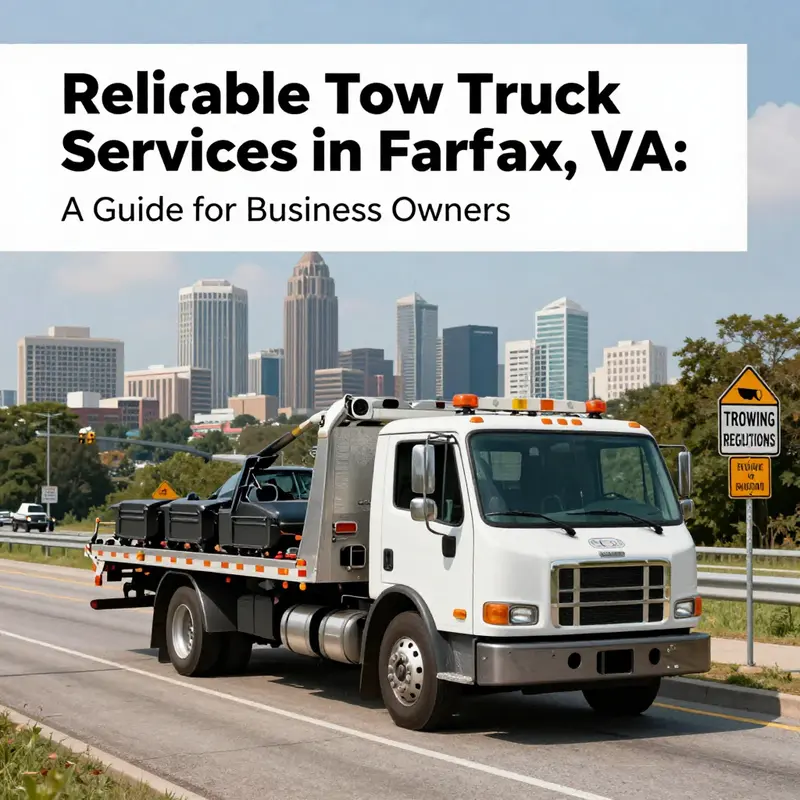
Regulations that shape towing in Fairfax County
When a tow truck arrives, the situation often feels urgent and confusing. The rules that govern towing in Fairfax County matter because they determine who can haul your vehicle, when that can happen, and how disputes are resolved. These regulations draw on state law, county ordinances, and law-enforcement policies. Together they create a framework intended to protect public safety, clarify operator responsibilities, and preserve vehicle owners’ rights. Understanding that framework helps you respond calmly if your car is towed and helps you choose reputable help when you need it.
At the state level, the motor vehicle authority sets the baseline. Drivers who operate commercial towing equipment must meet licensing requirements, and some vehicles require a commercial driver’s license. This ensures operators have the training to drive heavy equipment safely. State rules also spell out insurance minimums and recordkeeping obligations for businesses that provide towing and recovery services. Those minimums protect vehicle owners and other road users financially if damage or injury occurs during a tow.
Local rules in Fairfax County build on the state baseline. County ordinances address where vehicles can be towed from, how operators must notify owners, and what licensing local companies must hold. These local provisions cover private property tows, public roadway removals, and the impoundment process. For private property tows, for example, the rules often require specific signage at entrances and clearances that allow property owners to call for a tow under stated conditions. For tows initiated by city or county agencies, the ordinances set procedures for how vehicles can be moved from public spaces, and when law enforcement must authorize a removal.
Law enforcement agencies play a central role in enforcement and guidance. Fairfax County Police and the state police issue operational policies that affect roadside safety and the prioritization of calls. Officers may arrange for a vehicle to be towed when it is a hazard, is blocking traffic, or is involved in a criminal matter. When police authorize a tow, different rules may apply for notification and storage. Understanding which agency authorized the tow helps you track the vehicle and follow the correct procedures for retrieval.
Insurance and liability rules matter both before and after a tow. Tow companies must carry insurance that covers damage during transport and storage. If your vehicle is damaged while being towed, those policies are typically the first avenue for recovery. Keep in mind that liability may also depend on whether the operator complied with required procedures. Photographic documentation, written receipts, and maintenance records can be crucial when filing a claim.
Notification requirements are intended to reduce surprises. County rules typically require tow operators to attempt to notify vehicle owners before moving a vehicle off private property, when feasible. For public roadway tows ordered by law enforcement, notification procedures differ and retrieval instructions are usually provided by the agency involved. When a vehicle is impounded, state and local rules generally require operators to log vehicle information, the reason for the tow, and the locations where the vehicle is stored. These logs help owners locate their vehicles quickly and provide a paper trail if disputes arise.
Fees and allowable charges are another regulated area. Towing companies may charge for hook-up, mileage, storage, and administrative fees. Local ordinances and state statutes place limits on excessive charges in many situations. Be wary of surprise fees; a lawful invoice will list dates, times, locations, the towing reason, and an itemized fee breakdown. If fees look incorrect or unfair, there are formal complaint channels at the county level and through the state motor vehicle authority.
Licensing and permits protect the public by screening operators. Fairfax County requires tow providers to obtain local permits and meet insurance standards. These permits often require proof of financial responsibility and adherence to operational standards. Vehicles used for towing must meet equipment and maintenance standards, and operators may have to complete specific training. Checking for proper permits and certificates can help you spot legitimate providers when you need roadside assistance.
Safety requirements extend to how roadside operations are conducted. Tow operators must follow safety protocols to protect themselves, your vehicle, and other road users. This includes using safety lights, reflective gear, correct positioning on road shoulders, and proper securing techniques. When an incident occurs at night or on a busy road, safety measures reduce the risk of secondary accidents. Law enforcement guidance provides expectations for safe operation near traffic, and companies that regularly comply with those expectations tend to create safer outcomes.
Dispute resolution procedures are built into the system. If you believe your vehicle was towed in error, or if charges are unfair, file a complaint promptly. Documentation matters. Keep receipts, photographs, and any police reports. The county’s consumer protection office and the state motor vehicle agency provide formal complaint pathways. In many cases, a quick review of logs and citations will resolve the issue. When disputes escalate, written records improve your position.
For drivers, knowing your rights and obligations reduces stress. If a tow is imminent, ask for the reason and who authorized the tow. Request documentation showing the tow company’s permit and the storage location. If your vehicle has been taken, confirm whether a law enforcement agency ordered the removal. This directs you to the correct retrieval channel. When dealing with private property tows, look for required signage and the posted towing terms. Absence of proper signage or failure to follow required notice steps can affect the lawfulness of the tow.
Operators also benefit from following the rules closely. Complying with licensing, maintaining insurance, and keeping detailed logs reduces legal exposure. Clear contracts and visible pricing help avoid disputes. Operators who communicate openly with vehicle owners and law enforcement generate better outcomes. Regular training on safety and regulatory changes helps crews stay compliant and protected.
The consumer-side checklist simplifies actions when a tow happens. First, remain calm and gather information. Identify the towing company and the authorizing agency. Ask for written confirmation of the tow and the location of the vehicle. Photograph the scene when safe: vehicle position, any nearby signage, and damage if present. Keep receipts for any fees paid. Next, check local resources to confirm storage locations and retrieval hours. Contact your insurer if damage occurred, and consider filing a formal complaint if procedures were not followed.
When choosing a tow provider before an emergency, know what to look for. Verify local permits and insurance. Ask about response times and recovery capabilities. Confirm pricing structure and any additional charges. Reliable providers follow county rules and maintain transparent communication. For local referrals and some county-focused information, see towing in Fairfax for a starting point.
Enforcement is not static. Regulations evolve in response to new safety issues, technological changes, and public feedback. Law enforcement updates operating procedures, while county governments occasionally refine towing rules and fee limits. Staying informed about changes helps both drivers and operators avoid pitfalls. Official county resources and the state motor vehicle authority are the most reliable sources for current requirements.
Understanding the legal landscape transforms confusion into clarity. Regulations exist to balance public safety, property rights, and fair commerce. When a tow occurs, documenting events, confirming authorizations, and using formal complaint channels make a tangible difference. For operators, meeting licensing and insurance standards creates trust and reduces legal risk. For drivers, knowing your rights ensures you can act quickly to recover your vehicle, dispute improper charges, or seek compensation for damages.
If you want the most up-to-date state-level details on tow truck licensing and regulations, consult the Virginia DMV guidance below.
https://www.dmv.virginia.gov/vehicles/tow-trucks.htm
Final thoughts
Understanding the landscape of towing services and regulations in Fairfax, VA, is crucial for business owners looking to maintain seamless operations. By partnering with reliable tow truck services, businesses can ensure quick responses to roadside emergencies, helping to preserve both customer satisfaction and vehicle integrity. Additionally, being well-versed in local regulations empowers you to make informed decisions and avoid potential pitfalls. Ultimately, a proactive approach towards towing can enhance operational efficiency while protecting your business’s assets.