
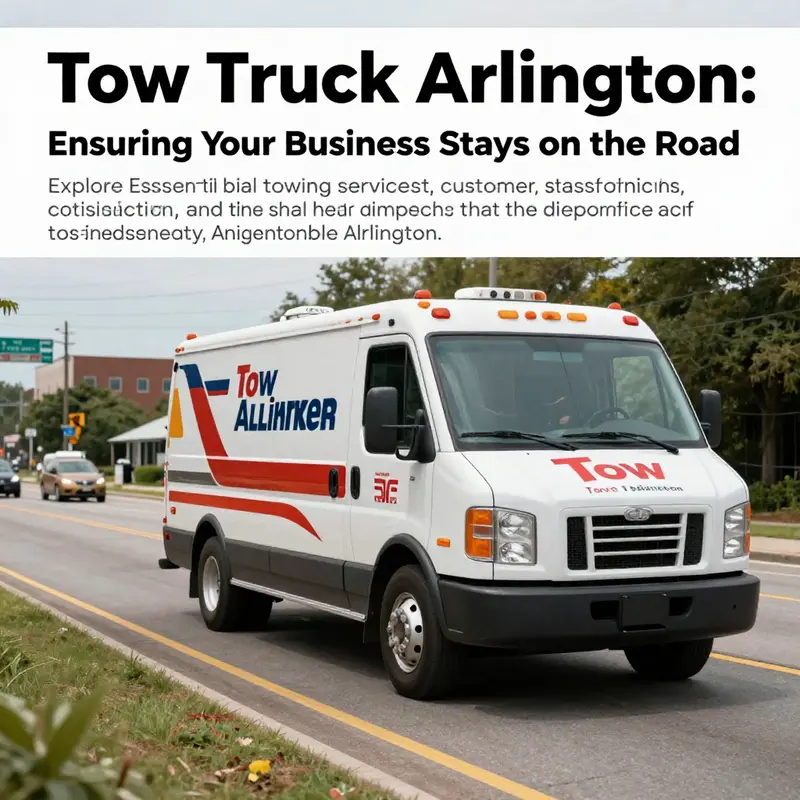
In today’s fast-moving business environment, reliability is key. For business owners in Arlington, Texas, having a dependable towing and roadside assistance provider is an asset that can make a significant difference. Tow Truck Arlington has positioned itself as a leading service provider since its inception in 2016, offering 24/7 emergency assistance to the business community. This article will delve into the comprehensive services provided by Tow Truck Arlington, highlight the importance of customer satisfaction and performance in their operations, and evaluate their economic impact on the Arlington community. With a blend of professional support and local commitment, Tow Truck Arlington stands ready to ensure your business stays on the road and meets its operational needs.
How Tow Truck Arlington Keeps Arlington Moving: A Complete Look at Their Services
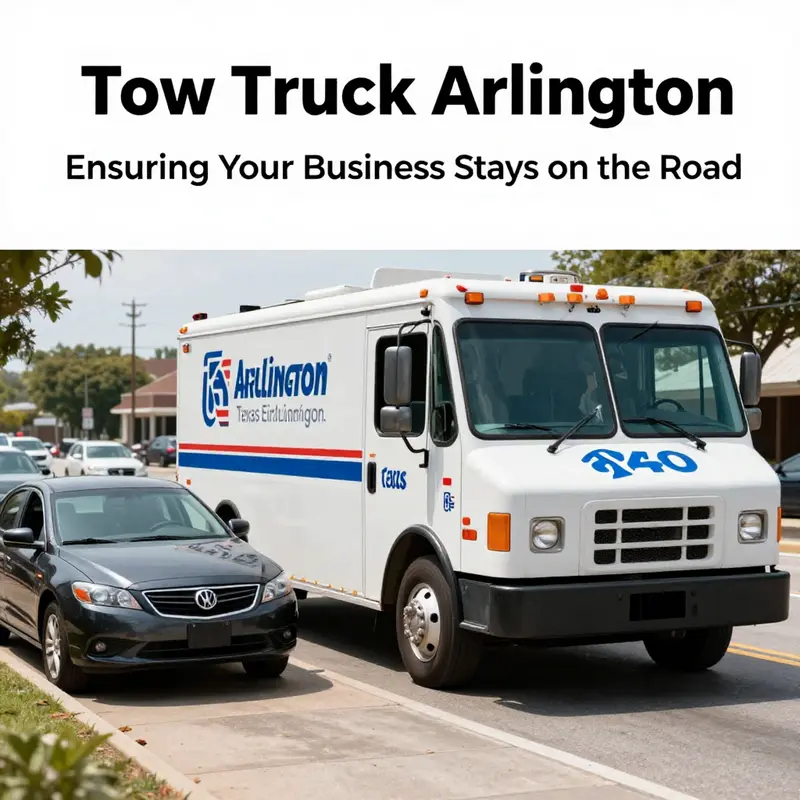
Comprehensive roadside and towing support that answers the call whenever you need help
When a vehicle becomes immobile, the right help must arrive fast and perform reliably. Tow Truck Arlington combines a broad service set with disciplined operating standards to do just that. Their approach centers on three priorities: safe vehicle handling, rapid response, and clear communication. Those priorities shape every part of the operation, from the trucks they send out to the way technicians interact with motorists on site.
Professional towing covers a wide range of situations. Light-duty towing handles everyday passenger vehicles with flatbeds and wheel-lift trucks designed to minimize wear during transport. Medium- and heavy-duty equipment supports larger pickups, delivery vans, and commercial rigs. Technicians assess load size, secure vehicles, and choose the best towing method for stability and safety. Specialized tools and training reduce the risk of additional damage, which matters most when owners need their vehicles treated with care.
Beyond straightforward hauls, the company provides accident recovery and winch-out services. Accident scenes demand experienced operators who coordinate with law enforcement and follow roadway safety protocols. Tow trucks are equipped to stabilize vehicles, clear lanes, and move damaged cars to repair facilities or secure storage. Winch-outs recover vehicles stuck in ditches, mud, or snow. These operations require precise rigging and controlled pulling to protect both the vehicle and recovery crew.
Roadside assistance is built to get drivers moving again without a full tow whenever possible. Emergency tire changes replace damaged tires and install spares to restore drivability. Jump starts bring life back to dead batteries and include testing to ensure the charging system is working. Fuel delivery helps drivers who run out of gas reach the nearest station safely. Lockout service uses non-destructive techniques to return keys and access the vehicle quickly. Each task is performed with attention to safety and to preserve the customer’s time.
Commercial clients receive tailored support. Fleet operators benefit from scheduled service windows, priority response, and documentation suitable for internal records. The company can handle contract work for local businesses that rely on predictable uptime. For construction, delivery, and service industries, heavy-duty towing and on-site recovery minimize disruptions and reduce costly downtime.
Equipment and maintenance matter. A well-maintained fleet ensures fewer mechanical delays and steadier response times. Vehicles carry the appropriate straps, chains, and winches for the job. Technicians inspect equipment frequently to maintain reliability. That upkeep protects customers by lowering the chance of on-route failures and allows crews to focus on service delivery.
Response time is more than a promise. It reflects logistics, dispatching, and local knowledge. Tow Truck Arlington uses experienced dispatchers to route the nearest available crew and to provide accurate ETAs. Drivers’ familiarity with Arlington streets and major corridors decreases travel time. Clear communication keeps customers informed about arrival windows and any changes that affect timing.
Safety and compliance are woven into operations. Trained personnel follow best practices for load securement and traffic control. Insurance and licensing cover the liability inherent to towing and recovery. These safeguards protect owners and technicians while moving or recovering a vehicle.
Customer experience emphasizes respect and transparency. Staff explain the towing process, expected charges, and next steps in plain language. Upfront pricing and clear invoicing reduce surprises. When a vehicle must go to a repair shop or impound, technicians coordinate paperwork and provide receipts for records. Courteous interactions and professional presentation make a stressful moment easier for drivers.
Special circumstances receive specialized handling. Antique, exotic, and modified vehicles often require flatbed transport and extra care during loading. Motorcycles and small equipment need distinct tie-down methods to avoid scratches. Off-road recoveries use soft straps and controlled pulls to limit further damage. These tailored methods preserve vehicle condition and owner value.
Finally, integration with local services enhances outcomes. Tow Truck Arlington maintains relationships with repair shops, storage facilities, and municipal authorities. Those connections streamline handoffs and reduce wait times for follow-up work. For drivers navigating a roadside emergency, a coordinated response can cut hours from a recovery or repair process.
For a more detailed list of offerings, see the local resource on Arlington towing services. For company-level details and contact information, refer to their official site: https://www.arlingtontowingandrecovery.com
How Customer Care and Performance Drive Tow Truck Arlington’s Reliability
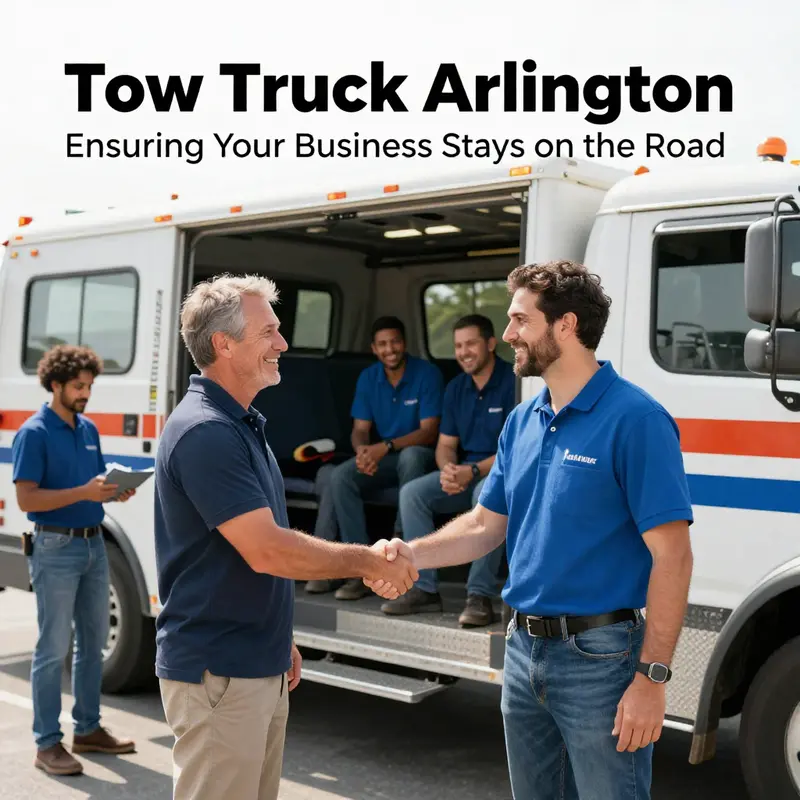
Customer Experience and Operational Excellence in Arlington
Delivering dependable towing and roadside help depends on more than trucks. It requires a culture that values timely response, clear communication, and consistent follow-through. In Arlington, that dynamic has shaped how local drivers perceive emergency services. Tow Truck Arlington has built its reputation around three intertwined commitments: professional staff conduct, measurable response performance, and pricing transparency. These priorities show up in everyday interactions with customers and in the operational choices the company makes.
Technicians and drivers serve as the front line of any towing operation. Customers repeatedly note that courteous, knowledgeable staff ease the stress of roadside incidents. When a driver arrives, the initial minutes matter most. Clear identification, calm explanations of the situation, and step-by-step descriptions of what will happen next create immediate trust. Tow Truck Arlington invests in training that reinforces these behaviors. Staff learn safe vehicle handling, proper recovery techniques, and conflict-free customer communication. The result is a service team that can manage everything from a flat tire to complex accident recovery while keeping vehicle owners informed and reassured.
Response times are another visible measure of performance. Quick arrivals reduce risk for stranded drivers and minimize traffic disruptions. The company maintains a fleet staged for local coverage, and dispatch systems prioritize calls based on location and urgency. GPS-enabled routing and real-time dispatch coordination shorten travel times. Customers notice when help arrives promptly, and that perception repeatedly appears in feedback. Beyond customer impressions, punctuality speaks to operational discipline: regular vehicle maintenance, pre-shift checks, and logistics planning reduce downtime and sustain steady availability.
Pricing transparency plays a central role in building long-term trust. Unexpected towing fees can aggravate already stressful situations. Tow Truck Arlington emphasizes clear, upfront estimates and a straightforward explanation of charges. When customers know the cost of a winch-out, a flatbed tow, or a long-distance recovery before work begins, decisions become easier. Transparent pricing policies also simplify follow-up questions and billing disputes, producing a smoother experience for both customers and company staff.
Operational readiness and equipment capability underpin these service promises. A mixed fleet allows crews to match vehicles to needs. Light-duty trucks handle smaller jobs while heavy-duty rigs manage commercial recoveries and large-vehicle incidents. Properly equipped trucks carry winches, straps, and safety gear. Regular inspections and scheduled upkeep ensure equipment reliability. When customers see modern, well-maintained vehicles, they gain confidence in the provider’s ability to finish the job safely and efficiently.
Customer feedback provides direction for continuous improvement. Reviews and testimonials highlight what works and what needs attention. The company uses this input to refine dispatch procedures, update training, and adjust staffing during peak periods. Follow-up calls and surveys capture details that public reviews might miss. This feedback loop keeps performance aligned with community needs and helps the operation adapt to seasonal traffic patterns and special event demands.
Safety and compliance frame operational choices. Strict adherence to towing regulations, load securement standards, and roadway safety guidelines protects people and property. Crews receive ongoing instruction on accident-scene protocols and customer assistance best practices. Emphasizing safety reduces liability and preserves the trust that customers place in a service provider at a vulnerable moment.
Finally, building relationships with the local community matters. Prompt, professional service forms the foundation, but engagement with local businesses and first responders strengthens coordination during larger incidents. Partnerships and clear communication channels with police and insurance contacts help streamline accident recovery and vehicle transfers. For many drivers, these connections translate into faster resolution and a more organized process when incidents involve multiple parties.
For readers who want to learn more about local service options, the Arlington towing information page offers useful details about available coverage and contact methods: Arlington towing services.
Verified customer reviews and operational information are available for those seeking an independent view of service quality and performance metrics: https://www.mapquest.com/business/arlington-tow-truck-arlington-va
How Tow Truck Arlington Keeps Arlington’s Economy Moving
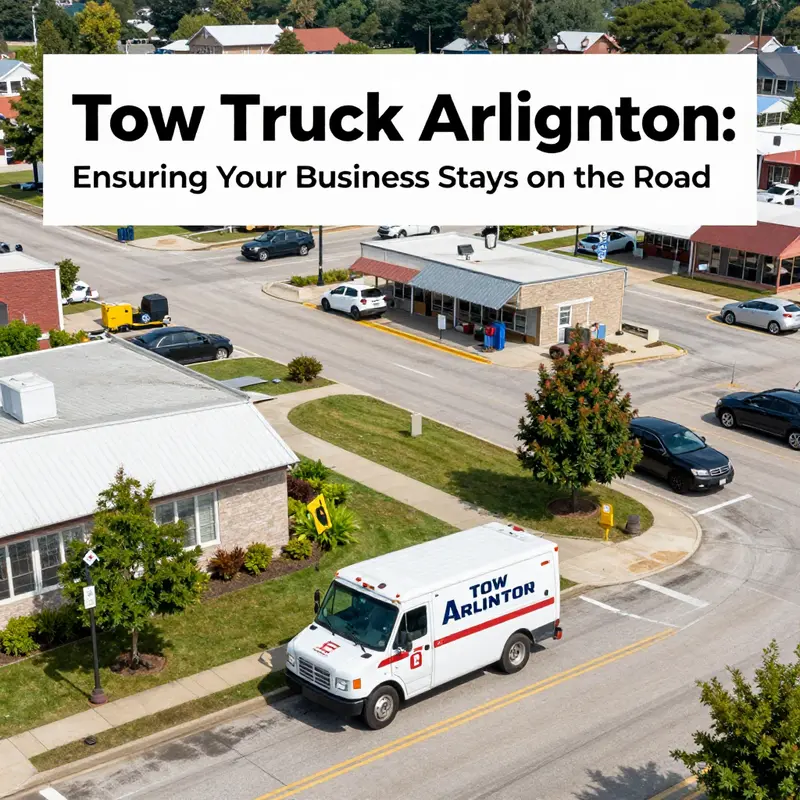
Tow truck operations do much more than haul disabled cars. In Arlington, a responsive towing network acts as an invisible engine that keeps commerce flowing, streets safer, and local jobs steady. When a vehicle fails or a collision blocks a lane, a prompt tow clears the blockage. That simple action reduces congestion and prevents ripple effects that cost businesses time and money.
Clearing disabled vehicles quickly lowers delay for commuters and delivery drivers. Fewer delays mean predictable transit times for couriers and freight, which helps small retailers and large distribution centers alike. During peak hours and event days, like stadium games or conventions, the ability to remove stalled cars fast preserves curb access for shoppers and patrons. That access matters: it keeps foot traffic moving, supports retail sales, and minimizes lost revenue from frustrated customers who might otherwise avoid busy corridors.
There is a direct connection between towing and public safety that also has economic value. Removing wrecked vehicles reduces the risk of secondary crashes. This reduces demands on emergency medical services and traffic enforcement. Police and EMS can focus on urgent care and investigations rather than traffic control. That efficiency lowers indirect costs tied to accidents, including longer road closures and higher insurance payouts that can drive up local rates.
The tow sector also creates tangible employment opportunities across skill levels. Drivers and operators form the visible workforce. Behind the scenes, dispatchers coordinate rapid responses. Mechanics and technicians maintain a fleet of specialized vehicles. Administrative personnel handle billing, compliance, and customer relations. Those roles often require local hiring and cause payroll to circulate within the community. Wages paid to employees support local shops, restaurants, and housing markets. Training and certification for tow operators further invest in the workforce and raise the region’s human capital.
Beyond direct employment, towing stimulates linked industries. After a vehicle is towed, it often needs repairs, parts, or body work. This demand feeds auto body shops, parts suppliers, and glass specialists. Insurance adjusters, rental car firms, and salvage yards also see increased activity. Each dollar spent on post-tow services generates additional spending. That multiplier effect amplifies the initial economic contribution of towing firms and helps stabilize revenue streams for allied businesses.
Capital investment by tow companies also has a local footprint. Parking yards, service bays, fuel storage, and repair equipment require property and contractor services. Purchasing trucks, winches, and specialized gear supports local dealerships and equipment suppliers. Maintenance and refueling create steady customer relationships for fuel stations and service shops. Property taxes and business license fees paid by towing operations contribute to municipal revenues. Those funds help underwrite roads, lighting, and public services that benefit other local businesses.
The presence of reliable, 24/7 roadside assistance strengthens Arlington’s broader economic resilience. During severe weather, large events, or peak travel periods, consistent towing capacity prevents bottlenecks that ripple through the economy. Event planners, for example, choose venues and vendors knowing that traffic disruptions can be mitigated. Commercial tenants prefer locations where access interruptions are uncommon. In that way, towing supports decisions that attract investment and tourism.
There are environmental and quality-of-life gains tied to quicker clearance of incidents. Less idling means fewer vehicle emissions and lower fuel waste for stranded drivers. Reduced congestion shortens travel times for public transit and rideshare services. Cleaner, safer streets improve the experience for residents and visitors, indirectly supporting sectors like hospitality and retail.
Tow operators also interact with local government and regulatory frameworks. Compliance with safety and towing regulations fosters accountability and professionalism. That cooperation helps maintain public confidence in recovery operations. It also guides standards for storage, vehicle handling, and consumer protections, preserving a stable environment for both customers and businesses.
Taken together, the role of towing in Arlington reaches well beyond roadside assistance. It prevents lost time, supports a network of service providers, creates jobs, and encourages investment in local infrastructure. For readers seeking immediate help or more information about local options, consult reliable resources about Arlington towing services such as Arlington towing services. For further context on how towing regulation shapes these outcomes, see the Texas Tow Truck Regulations: https://www.texas.gov/transportation/tow-truck-regulations
Final thoughts
As business owners navigate the challenges of maintaining efficient operations, the role of reliable towing and roadside assistance becomes apparent. Tow Truck Arlington not only offers crucial services that keep vehicles moving but also establishes a customer-centric approach that reinforces its commitment to the community. By ensuring prompt, professional service, they not only enhance individual experiences but contribute to the economic stability of Arlington. For local businesses looking for an invaluable partner in transportation logistics and crisis management, Tow Truck Arlington proves to be more than just a service provider—it’s a cornerstone of community support and resilience.