
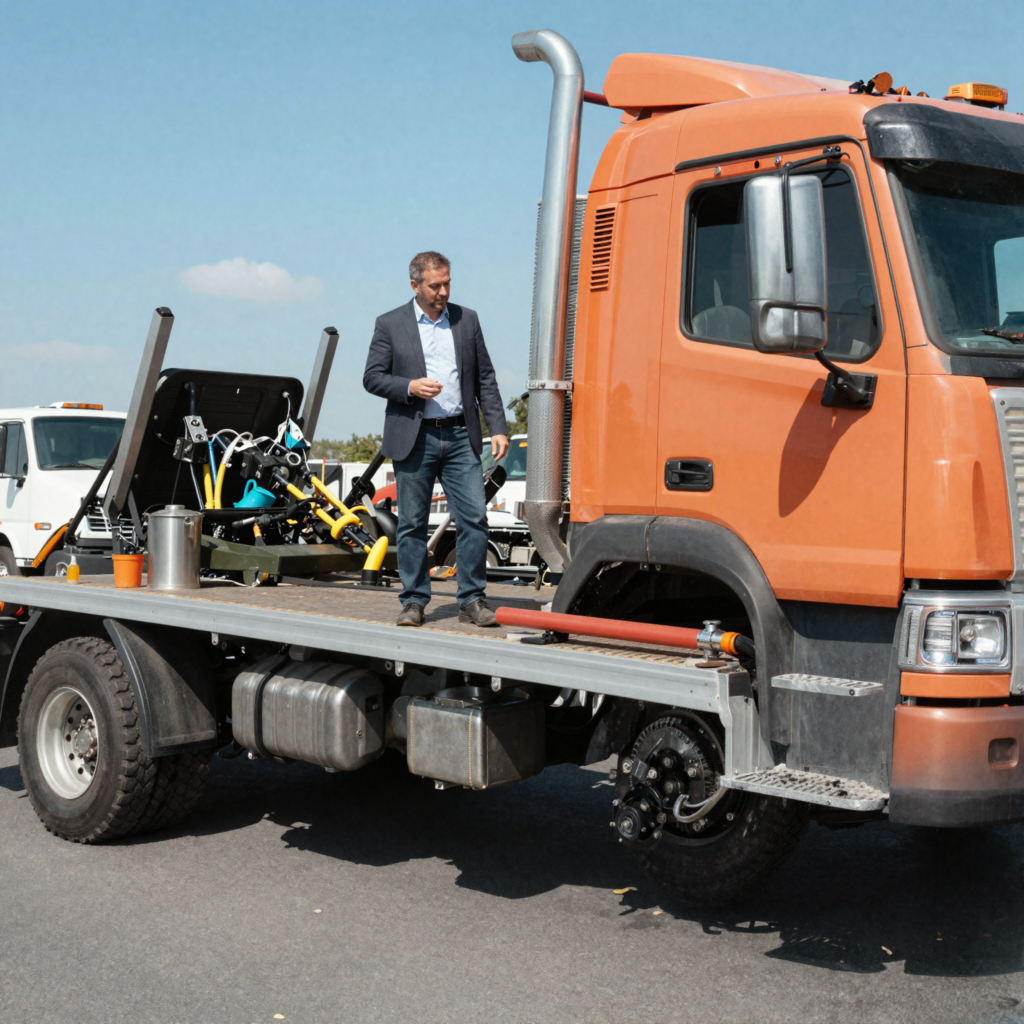
Introduction: The Importance of Safe and Effective Truck Towing for Business Owners
In the world of business, particularly for owners of heavy-duty vehicles, the ability to tow a truck safely and effectively can mean the difference between a slight inconvenience and a significant operational setback. Whether you’re dealing with a disabled truck on a busy job site, transporting equipment to a different location, or facilitating roadside assistance for customers, understanding the nuances of truck towing is crucial.
Common scenarios that necessitate towing include vehicle breakdowns, accidents, or the need to relocate equipment or vehicles over a considerable distance. Each situation demands a keen understanding of proper towing techniques and the right equipment to ensure safety and compliance. In these instances, partnering with a reliable towing company becomes essential.
At Zoomlion, we recognize the unique challenges faced by business owners in need of towing solutions. Our commitment to providing dependable and efficient services allows you to maintain focus on your core operations without interruption. Throughout this article, we will delve into the various aspects of towing a truck with another truck, offering tips, best practices, and solutions that cater specifically to your business needs.
Visit Ace Towing for comprehensive insights into our towing services, and empower your business with the knowledge to tow safely and effectively.
Outline of Towing Procedures: How to Tow a Truck with Another Truck
Introduction
- Importance of proper towing techniques for safety and efficiency.
- Overview of types of trucks (light, medium, and heavy-duty) used for towing.
1. Preparation Before Towing
- Assess the Situation
- Check the condition of the truck to be towed.
- Ensure the towing truck is appropriate for the weight and model of the towed truck.
- Verify that both trucks are properly licensed and insured.
- Safety Equipment
- Gather necessary tools and equipment: tow bar, chains, and safety kits.
- Ensure all lights are functional on both vehicles.
2. Types of Towing Trucks
- Light-Duty Trucks
- Typically for smaller, passenger vehicles.
- Steps include engaging the tow strap and ensuring the towed truck’s transmission is in neutral.
- Learn more about light-duty towing services.
- Medium-Duty Trucks
- Suitable for vans and utility vehicles.
- Check load capacities and use proper hitch methods.
- Maintain communication between drivers for successful towing.
- Heavy-Duty Trucks
- Best for larger vehicles (e.g., buses, tractors).
- Use a heavy-duty tow bar or fifth-wheel system rated for the load.
- Explore our heavy-duty towing services.
3. Towing Techniques
- Connection Methods
- Properly secure the tow bar and double-check connections.
- Use safety chains as backups.
- Driving Guidelines
- Drive slowly, allowing ample braking distance.
- Avoid sharp turns to prevent disconnecting.
- Monitor towed vehicle during the drive and adjust speed accordingly.
4. Post-Towing Procedures
- Check for Damage
- Inspect both vehicles for damage after completing the tow.
- Documentation
- Keep records of the towing operation for safety and accountability.
Conclusion
- Recap the importance of safety and proper procedures in towing operations.
- Encourage reaching out for professional towing assistance when necessary.
Essential Safety Precautions Before Towing
Towing a truck involves substantial responsibilities, particularly for business owners who are concerned about liability and safety. To ensure a safe towing operation, several essential precautions must be taken:
1. Check Equipment Thoroughly
Before towing, conduct a comprehensive inspection of all towing equipment. This includes:
- Hitch and Coupler: Verify that the hitch is rated for the load being towed and that the coupler connects securely.
- Safety Chains: Ensure that safety chains are properly connected and free from wear.
- Tires and Brakes: Inspect the tires of both the towing vehicle and trailer, and confirm the brakes are functioning and responsive.
According to the National Highway Traffic Safety Administration (NHTSA), it is critical to ensure that all equipment is in good working order. Regular checks can prevent mechanical failures that might lead to accidents.
2. Understand Weight Limits
Knowing your vehicle’s tow rating is paramount. Exceeding this limit can lead to brake failure and difficulty in handling. Ensure that:
- The total weight of the trailer does not surpass the maximum gross combined vehicle weight rating (GCWR).
- You adhere strictly to the manufacturer’s specifications for both the towing vehicle and trailer, as highlighted by the American Trucking Associations (ATA).
3. Include Proper Safety Gear
All personnel involved in towing should wear appropriate safety gear. This includes:
- High-Visibility Vests: Enhances visibility, especially in roadside operations.
- Safety Eyewear and Gloves: Protect against injury when handling heavy components.
- Steel-Toed Boots: Helps in preventing foot injuries during towing operations.
By adopting these safety precautions, business owners can significantly reduce the risk of accidents and related liabilities, ensuring a safer working environment for themselves and their employees. Regular training on safe towing practices is also essential for maintaining compliance and safety standards, protecting both personnel and the business from potential legal repercussions.
Comparison of Towing Methods
In this section, we will compare two popular towing methods: Flatbed Towing and Wheel-Lift Towing. Understanding the advantages and disadvantages of each will help business owners make informed towing decisions based on their specific needs.
| Towing Method | Advantages | Disadvantages | Ideal Usage Scenarios |
|---|---|---|---|
| Flatbed Towing | – Superior vehicle protection – Reduced risk of undercarriage damage – Easier loading and unloading with slanted beds – Ideal for low-clearance, luxury, or damaged vehicles |
– Higher cost – More complex operation – Requires trained operators |
– Long-distance travel – Vehicles that are not operational – Luxury or high-value vehicles – Low clearance or damaged vehicles |
| Wheel-Lift Towing | – Cost-effective for short distances – Quick and efficient deployment – Good for light vehicles and emergency recoveries |
– Risk of damage to suspension and tires – Limited to vehicles with minor mechanical issues |
– Routine towing and roadside assistance – Minor mechanical failures – Light vehicles with no significant damage |
Further Reading
For more information on local towing services and options, check our Burke Towing Service. You can also explore our Washington D.C. Towing Options.
Towing Preparation Checklist for Business Owners
If you’re a business owner in the towing industry, ensuring that you’re fully prepared before towing a vehicle is crucial for safety and efficiency. Use the following checklist to help you organize your preparations:
Vehicle and Equipment Checks:
- Inspect the Tow Truck: Ensure that the truck is in good condition, including checking the tires, brakes, lights, and fluid levels.
- Test the Towing Equipment: Verify that cables, chains, and winches are free from wear and tear and function properly. Check that the emergency lighting is operational.
- Secure Load Properly: Make sure the towed vehicle is adequately secured with certified straps and hooks, and confirm that the total weight does not exceed the truck’s rated capacity.
Documentation and Permits:
- Check Required Licenses: Ensure that you have the necessary towing business licenses and permits for your jurisdiction. Refer to the towing business licensing requirements based on your state.
- Have Insurance Documentation Ready: Keep updated insurance documents on hand to avoid any legal issues during towing.
- Review Any Special Instructions: Contact the vehicle owner to understand any specific towing needs or concerns that need to be addressed.
Before Hitting the Road:
- Clear Personal Belongings: Remove all personal items from the vehicle being towed to prevent any loss or damage.
- Lock the Cab: Secure the tow truck cab to prevent unauthorized access. Disable alarm systems to avoid false alarms during transport.
- Safety Gear Availability: Ensure that safety vests, cones, and other necessary safety equipment are accessible in case of roadside emergencies.
By following this checklist, you can enhance operational safety and efficiency in your towing business, ensuring a smoother towing experience.
Industry Statistics: Truck Towing Safety and Practices
When it comes to the trucking industry, particularly in the area of towing, safety practices and accident rates are of paramount importance. Here are some notable statistics relating to truck towing and the risks associated with improper towing practices:
Accident Rates and Frequencies
- According to the Federal Motor Carrier Safety Administration (FMCSA), commercial trucks involved in towing operations have a significantly higher accident rate compared to non-towing vehicles. Recent data indicates that towed vehicles experience a 30% higher frequency of accidents, primarily due to improper towing practices such as incorrect hitching, overloaded trailers, and inadequate maintenance checks. This alarming statistic highlights the critical need for businesses to ensure adherence to proper towing techniques to mitigate risks.
- In 2022, the accident rate for improper towing practices was documented at 2.05 incidents per 100,000 towing-related operations. This statistic is indicative of the inherent dangers associated with towing and emphasizes the need for safety training among operators.

2022 Accident Rates Related to Improper Towing Practices
Fatality Rates in the Towing Industry
- The National Institute for Occupational Safety and Health (NIOSH) reports that the fatality rate in the motor vehicle towing industry stands at 54.6 deaths per 100,000 workers, making it one of the most dangerous occupations. This figure underscores the severe risks faced by workers in the towing sector, indicating that the industry requires ongoing emphasis on safety protocols and proper training. The rate is starkly higher when compared to general industry, which had a fatality rate of only 3.4 deaths per 100,000 workers in 2023.
| Industry Sector | Fatality Rate (per 100,000 workers) | Year | Source |
|---|---|---|---|
| Motor Vehicle Towing | 54.6 | 2018 | NIOSH Study |
| General Industry | 3.4 | 2023 | BLS |
| Transportation and Material Moving | 11.4 (estimated) | 2023 | Statista |
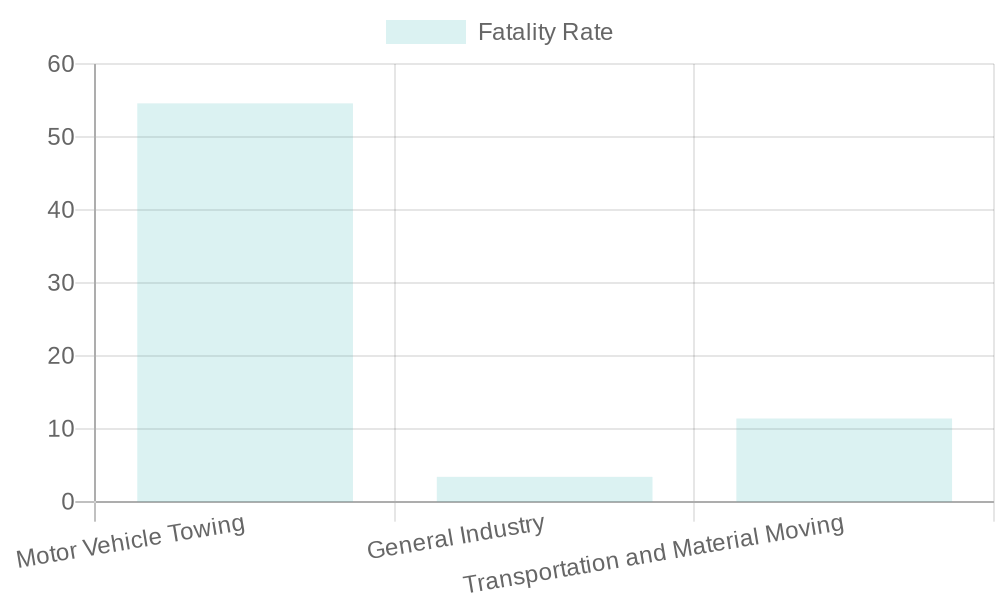
Comparison of Fatality Rates by Industry Sector
Conclusion
As these statistics illustrate, the truck towing industry faces significant challenges and risks. Business owners should prioritize thorough training for their employees, implement strict safety protocols, and regularly inspect towing equipment to reduce accident rates and improve overall safety. Operating within the law and adhering to best practices will not only protect workers but also enhance the sustainability of towing operations in the long run. For further insight into safe towing practices and related services, don’t hesitate to learn more about our towing services
By understanding these statistics, businesses can take informed steps to ensure safety and compliance within the towing sector.
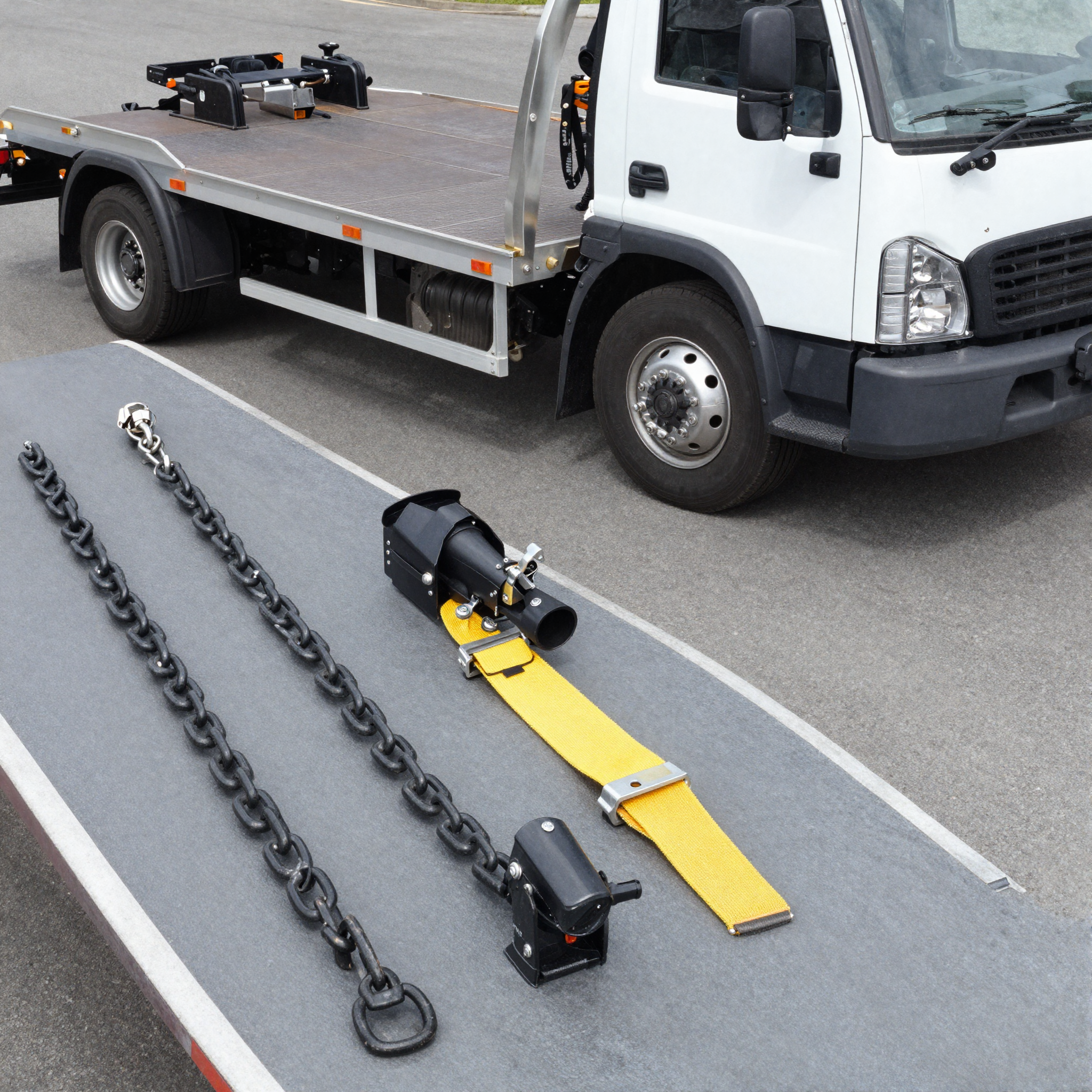
Best Practices for Towing a Truck
When it comes to towing a truck, particularly for business owners managing a fleet, several best practices can ensure smooth transport, effective communication, and safe vehicle handling. Here are some key insights:
Smooth Transport
-
Choose the Right Equipment: Using appropriate towing equipment and techniques is essential. Ensure your tow truck can handle the weight of the vehicle being towed. Look for trucks that meet industry standards, such as those outlined by the U.S. Coast Guard.
-
Check Vehicle Condition: Before towing, inspect both the towing vehicle and the one being towed. Ensure brakes, lights, and mechanical components are functioning properly to avoid any accidents during transport.
-
Secure the Load: Always secure the load being towed with proper straps and safety chains. This prevents movement that could lead to accidents or damage to the vehicles involved.
Communication with Teams
-
Establish Clear Protocols: Develop a communication protocol among drivers, dispatch, and other team members. Using radio communication can help coordinate efforts effectively while towing, ensuring everyone is aware of the status and any potential issues.
-
Regular Training: Conduct regular training sessions for your team on towing procedures and safety practices. This helps reinforce the importance of communication and enables team members to react quickly in challenging situations.
Vehicle Handling
-
Monitor Speed: When towing, it’s crucial to adjust driving speed. Vehicles towing loads have longer stopping distances; therefore, maintaining a moderate speed is essential for safety.
-
Handle Turns with Care: Approach turns slowly, giving yourself ample time to adjust the angle, especially in tight spaces. Always be mindful of the wider arc the towed vehicle will require while turning.
-
Be Alert for Road Conditions: Be aware of changes in the road surface, such as gravel, ice, or potholes. These can significantly affect handling when towing a heavier load.
Conclusion
By implementing these best practices, business owners can ensure efficient and safe towing operations within their fleets, enhancing overall productivity and safety. For specialized towing services in your area, consider checking out Burke Towing Service or Washington DC Towing for more tailored solutions.
Trends in Towing Services
The towing service industry has shown significant growth over the past few years. This growth can be attributed to several factors, including increased vehicle ownership, urbanization, and technological advancements that enhance service efficiency. Below is a line chart depicting the projected trends in the global tow truck service market from 2015 to 2032, illustrating a growth trajectory from approximately $6.5 billion to $15.58 billion, with a compound annual growth rate (CAGR) of 8.4%.

Key Growth Drivers
- Urbanization: As populations continue to flock to urban areas, the demand for towing services increases due to more traffic congestion and accidents.
- Increased Vehicle Ownership: Growing vehicle numbers, especially in emerging markets, contribute to higher demand for towing services.
- Technological Enhancements: The adoption of smart dispatching systems and real-time tracking has improved response times and service efficiency.
For more information about local towing options, check out our Burke towing services or explore our services in Washington D.C..
Conclusion
In summary, towing a truck with another truck involves careful planning and adherence to safety protocols. Business owners must prioritize choosing the appropriate towing equipment and ensure the tow vehicle has sufficient capacity, as outlined in this guide. Essential practices include inspecting the towing and towed vehicles, using proper hitching techniques, and maintaining a safe speed to prevent accidents. By following the tips discussed, you can enhance the efficiency and safety of your towing operations, leading to smoother workflows and reduced risk of injury or damage.
As you implement these practices in your business, consider reaching out to Zoomlion for quotes or additional information. Their expertise can help optimize your towing strategy, ensuring your operations run seamlessly. Don’t hesitate to explore further resources or contact our team to discover how we can assist in elevating your towing services to the next level. Enhance your towing operations today!