
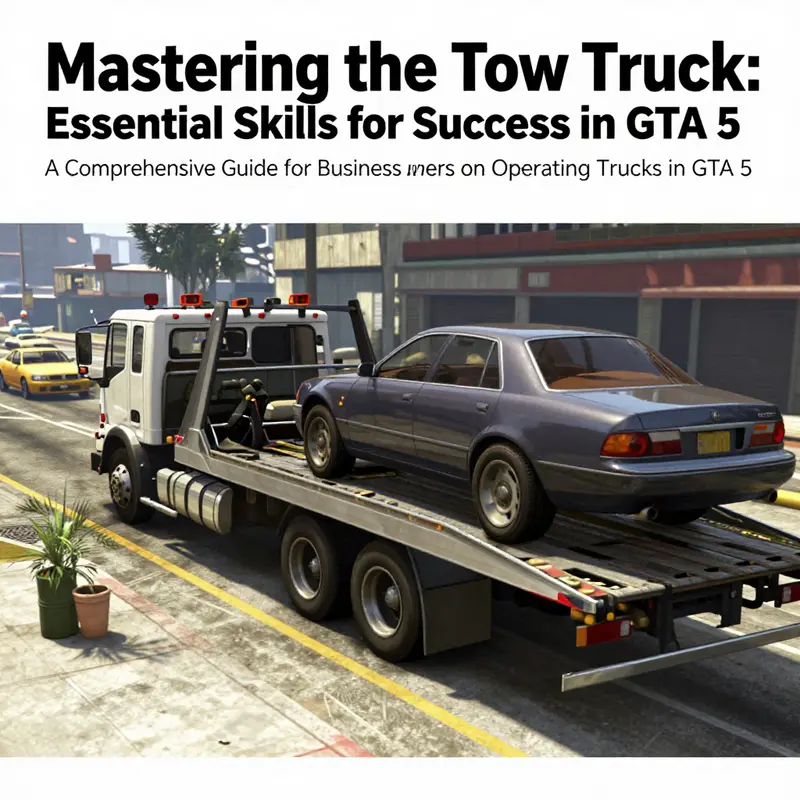
Understanding how to operate a tow truck in GTA 5 is essential for any player looking to master the mechanics and take advantage of the game’s towing system. From the basics of truck operation to advanced techniques and strategies, this guide will equip business owners with the knowledge needed to navigate the virtual towing world efficiently. In our first chapter, we will explore the fundamental operations, setting the foundation for effective towing. Moving to the second chapter, we delve into the techniques that ensure your towing jobs are executed smoothly. Finally, we wrap up with advanced strategies that will elevate your skills and lead to flawless execution in every towing scenario.
Tow Chains and City Lights: Mastering the Tow Truck in GTA 5 for Realistic Removals
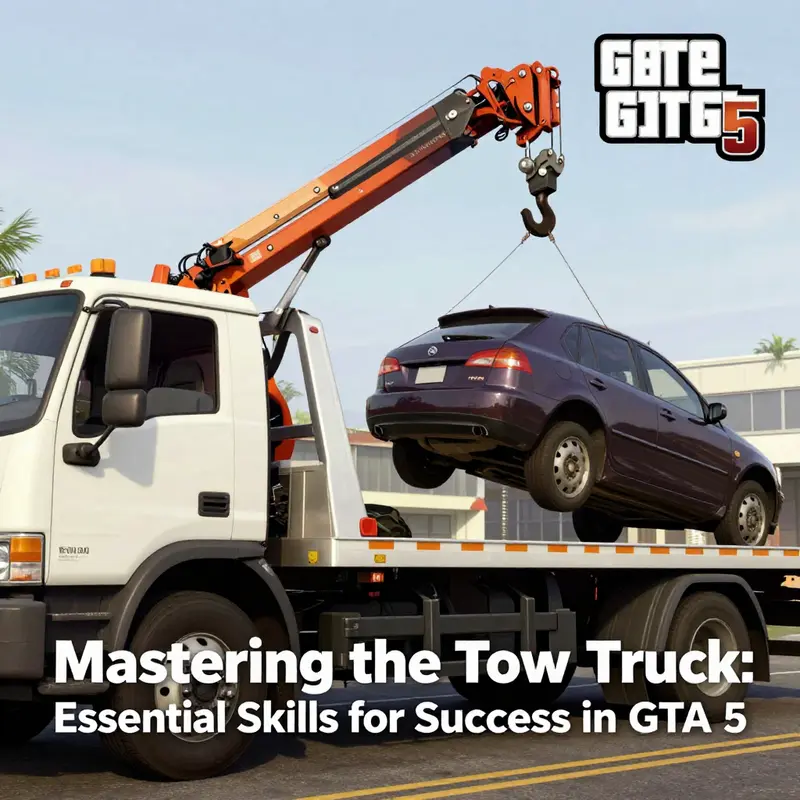
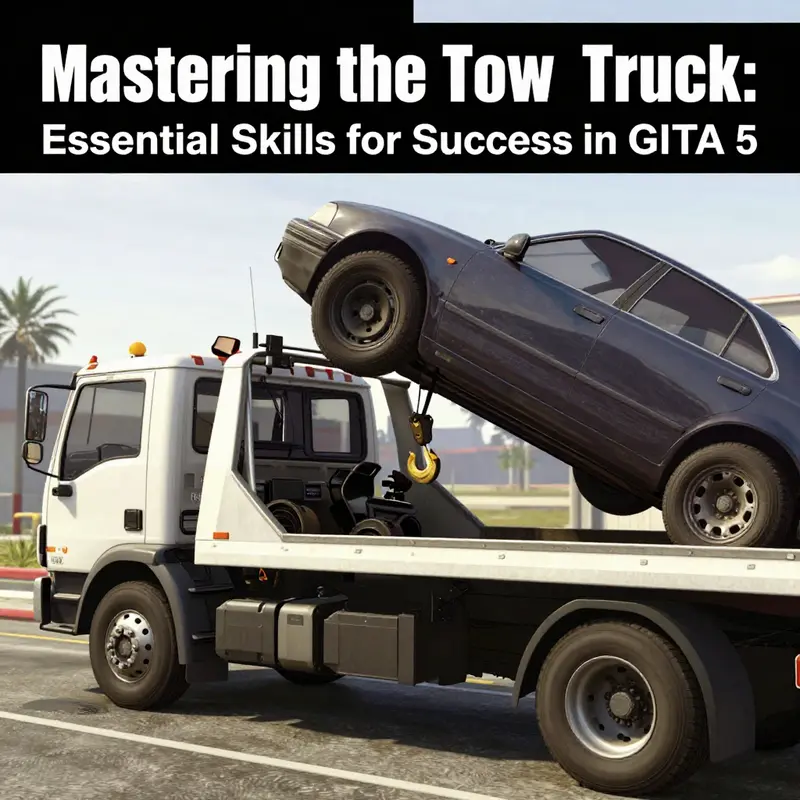
The tow truck with its heavy crane is more than a vehicle in Los Santos; it is a deliberate instrument for shaping the map’s rough edges into something usable. Mastery here isn’t just about moving a car from point A to B. It’s about timing, balance, and reading the game’s physics as if you were smoothing out a small urban crisis. When you understand the Hook and its arm, you learn a kind of quiet control that sits between chaos and order. This chapter follows that control in a way that lets you approach the city’s messes with calm focus rather than reckless bravado. The first step, of course, is locating the right machine, and the world rewards patience with the pattern you’ll need for predictable, repeatable lifts rather than impulsive pulls. Tow trucks don’t spawn everywhere. In the open world you’ll see them near construction sites, garages, or as part of specific missions. Their silhouette—much larger than a普通 pickup and with a crane extending from the rear—gives them away even when traffic is roaring past. In story mode or in free roam, keep an eye out for a work zone, a parked crane, or a vehicle that clearly belongs to the industrial side of the city. Once you find one, enter the driver’s seat and settle into the routine you’re about to perform. This is a hands-on tool, and the sensation of the crane arm descending toward the ground is the game’s way of telling you the machine is ready to engage with a real world problem. The easiest way to begin is with the PC control map. Lower the crane arm by pressing and holding the Ctrl key; the hook glides downward and the chassis trembles a touch as it settles into position. You’ll feel the weight shift through the truck’s frame as the arm reaches its low point. Your aim is simple: bring the hook into alignment with the target vehicle’s front bumper and wait for the automatic latch to engage. If the hook doesn’t latch on immediately, don’t panic. Move forward or backward by a few inches, nudge the truck with careful steering, and try again. It’s a small adjustment, but it can be the difference between a clean grab and a failed attempt that leaves you circling the car forever. With the hook attached, the next move is to lift. Press Shift to raise the arm and hoist the target off the ground. The car will hover, suspended behind the truck like a stubborn shadow, and you’ll feel the engine’s power translate into a controlled, deliberate drag. This is where your pace matters more than your speed. The city is full of people and traffic, and a heavy towed vehicle makes you a moving obstacle. Maintain a steady tempo, avoid sudden throttle changes, and resist the urge to hurry through corners. A sharp turn or a straining acceleration can twist the towed car into an awkward angle, or worse, detach it entirely. Think of it as a careful parade move rather than a race to the destination. Driving carefully isn’t merely safe; it’s practical. The towed vehicle is effectively a second mass trailing behind you, and your handling should reflect that. If you need a reference point for where this technique shines in real-world style within the game, you can consult a local guide that discusses tow-truck operation in Washington DC as a contextual analog: tow-truck-washington-dc. The detachment process is the simplest part, yet it requires attention. When you arrive at your chosen drop-off point, lower the hook arm again by holding Ctrl. The hook releases, and the towed car settles onto the ground with a satisfying clunk. If the vehicle doesn’t release on the first pass, make a tiny adjustment to the position, then try again. This habit—small, patient adjustments—will save you from repeatedly chasing a stubborn vehicle across the pavement. It’s worth noting the game’s practical limits: the tow hook works best with regular cars and light vehicles. Heavier rigs, buses, or trucks aren’t ideal candidates for the hook’s bite, and all-wheel-drive or four-wheel-drive configurations can complicate the physics enough to reduce reliability. The hook’s physics aren’t meant to perfectly replicate every real-world exception, and the game’s engine occasionally imposes limits on what can be towed. Acknowledge those limits and work within them to maintain the illusion of realism. If you are experimenting with other mechanical assets in the GTA 5 ecosystem, you’ll notice similar constraints; each tool has preferred targets and specific handling quirks that reward careful practice over brute force. The same patience that makes a tow job look effortless will also prevent you from turning a routine rescue into a game-ending mishap. As you gain confidence, you’ll discover more subtle refinements that distinguish a skilled tow operator from an occasional onlooker. Approach matters. Position matters. The alignment between hook and bumper matters more than the raw power you bring to bear. The hook’s contact point is not simply cosmetic; it’s the anchor that determines whether you can lift smoothly, drag steadily, and place the car where you intend without skidding or twisting. A good rule of thumb is to line up the truck with the target vehicle’s centerline, then ease forward just enough to let the hook settle cleanly into place. Small, deliberate nudges beat brute force every time. In practice, this translates into a sequence that can be repeated across many scenarios in the city: identify the target, align with the bumper, lower the hook, latch, lift, drive, and drop. It’s a rhythm you can fall back on, a set of steps that becomes almost autonomous after a few successful runs. The city rewards this rhythm with smoother runs, fewer detours, and the satisfaction of controlling a chunk of the environment through careful mechanics rather than sheer speed. What about the occasional need to pull or reposition a vehicle without fully lifting it? The tow arm can be partially lowered to grab and stabilize a vehicle for repositioning along a street, but you’ll want to avoid forceful tugs. The game’s physics respond best to light, controlled motions, especially when you’re dealing with another driver’s car that might suddenly lurch. If you encounter a stubborn car that won’t latch, consider realigning from a different angle. Sometimes approaching from the side instead of head-on affords a cleaner line of contact with the bumper. If the situation demands a larger comprehension of the block’s layout, you may need to reposition the truck entirely, rather than chasing the hook around the target. The operator’s mind thrives on anticipation: you learn to anticipate the car’s response to a lift, the way weight shifts as the vehicle leaves the ground, and how gravity will tug on the towed mass around a corner. This preparation reduces unnecessary drama and lets you accomplish the task with the same quiet efficiency you’d expect from a real-world operator. For players who enjoy expanding their toolkit within GTA 5, some notes about the broader range of equipment can help frame the tow truck as part of a larger engineering environment. While the hook is excellent for regular cars and light vehicles, other specialized equipment—such as tractors that lift, trucks that transport, or different attachments for different tasks—offer parallel practise if you want to diversify your on-screen repertoire. The key is to respect each tool’s designed purpose and to apply the same discipline you bring to the tow hook: steady hands, careful planning, and a willingness to adjust tactics on the fly when the environment shifts under you. External reference: for further practical detail on the mechanics of tow truck operation in GTA 5, you can consult an external guide that elaborates these controls and their in-game behavior: https://www.gta5-mods.com/guides/how-to-use-a-tow-truck-in-gta-5
null
null
Precision at the Dock: Advanced Tow Truck Tactics for GTA 5 Freight Cargo Runs
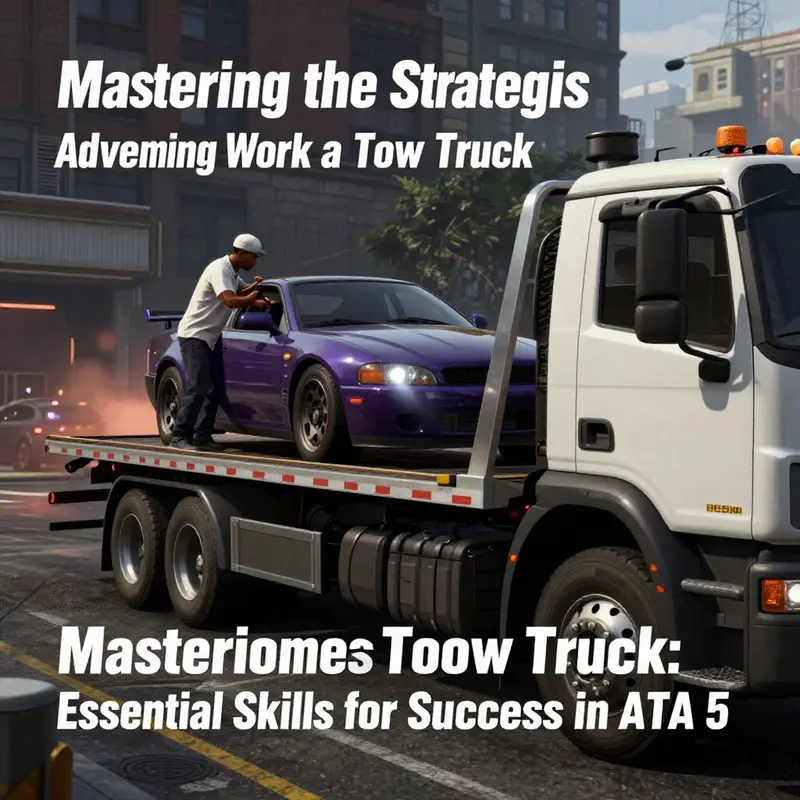
When players step into a GTA 5 tow truck during Freight Cargo missions, the vehicle becomes more than a mass of metal and hydraulics. It is a precise, climactic instrument where planning, control, and timing intersect to determine whether a run ends in speed and efficiency or a costly tangle of misreads and snapped lines. This chapter moves beyond the basics and into the realm of flawless execution. It treats the tow truck not as a curiosity on the map but as a lifeline for fast, repeatable success. The core idea is simple: every mile, every maneuver, and every hook engagement is guided by anticipation. You win by predicting where trouble will arise and preempting it with deliberate, practiced motion. In practice, that means you study the route, secure the load, and drive with a patient economy that keeps the cargo stable without sacrificing tempo.
The foundation of flawless execution is route discipline. Freight Cargo runs reward a calm, methodical approach more than raw acceleration. A well-chosen path minimizes traffic conflicts, reduces the chance of NPC interference, and preserves the integrity of the cargo behind you. The difference between a sub three-minute run and a clean, near-impossible record often comes down to a single decision about where to tuck in and where to slow down. In the game world, this translates to favoring long, consistent stretches over chaotic sprints through crowded districts. It also means leveraging marker visibility—keep the cargo icon in view and maintain your understanding of where the objective sits on the mini-map. If the icon momentarily fades, you lose precious seconds; recovery is painful and cumulative. In practice, a flawless run hinges on pre-mission study and a mental map of the corridor that lies ahead.
Choosing the right vehicle structure for cargo transport is another pillar of success. A tow truck with a robust, stable chassis and a reliable crane is not a luxury; it is a necessity. You want a platform whose balance remains steady when the hook is loaded and the vehicle is asked to travel at a confident pace through sweeping turns. The goal is to avoid the twin hazards of cargo sway and tow line snags, which can instantly spoil a perfect run. Upgrades matter here. A tow setup with enhanced suspension and tuned power delivery helps you maintain control when you encounter uneven pavement or a sudden bump in the road. A well-prepared chassis reduces the likelihood of cargo shifting into yellow or red statuses, the surges that force you to slow down and re-center the load. The cargo’s stability is fed by both your speed and your steering input; a carefully moderated throttle, paired with a smooth steering arc, keeps tension on the hook without creating a dangerous pull on the vehicle behind you.
A crucial phase of execution is the hook engagement itself. The crane arm’s operation is a blend of timing and alignment. Lower the hook so it just kisses the ground or reaches for the bumper of the target vehicle, and then permit the automatic latch to take hold. Once secured, lift slowly and steadily. The moment you lift the target car, the control dynamics shift. You must maintain a controlled acceleration that honors the weight being dragged. Sudden accelerations or aggressive steering can twist the towed car out of alignment, triggering a dangerous detachment or, worse, a rollover. The physics system in GTA 5 rewards smooth, deliberate motion; it punishes abrupt inputs. A choreographed sequence—hook engage, gentle lift, steady drive—becomes the backbone of a reliable run. You should always verify the hook’s security with a light, incremental lift before you commit to a full pull. If you detect any twitch in the attachment, ease back, reposition, and reengage. The difference between a flawless pickup and a failed lift often rests on that minute second of check before you commit to motion.
Driving with a suspended load requires a different mental model than regular freighting. You’ll want to avoid sharp corners and sudden lane changes. Each turn should be approached with anticipation: ease off the throttle a beat earlier, modulate the steering to a patient arc, and keep the towed vehicle aligned with your centerline. The cargo acts like a sail: every gust in the form of a pothole, curb, or pothole echoes back as an upset. The HUD’s cargo stability indicator—green, then yellow, and finally red—becomes not a spectacle but a guide. When the indicator turns yellow, you reduce speed and re-center your course. If it turns red, slow to a crawl, hold your line for a few seconds, and then resume with a renewed sense of balance. These micro-adjustments accumulate into a smoother journey and fewer detours.
Environment within the game world adds a layer of tactical nuance. Weather and time-of-day influence visibility and reaction times. Fog or low light can obscure obstacles and police activity, prompting a more conservative tempo. The Freight Cargo missions reward restraint in poor visibility; a slower, steadier approach often prevents critical misreads. You can plan for this by preselecting a route that remains navigable under reduced visibility and by ensuring your headlights and high beams provide adequate field of view without creating glare that could obscure your target. The game’s physics also interacts with the environment in ways that can surprise the unwary. Debris on the road, sudden NPC traffic, or a distracted police vehicle can create a moment of instability. The best players anticipate such contingencies by rehearsing their lines of travel in their minds and by maintaining a space cushion—enough room to maneuver if a vehicle ahead lurches or a corner tightens unexpectedly.
If you’re playing in a team, roles matter more than most players admit. A two-person setup—a driver and a spotter—dramatically improves consistency. The spotter keeps eyes on the rear and the sides, scanning for approaching vehicles, police, or hidden hazards, and communicates early warnings. A simple, well-understood signaling protocol minimizes chatter and keeps ramps tight. The driver maintains rhythm and pace, while the spotter curates the space around turns, ensuring that the towed cargo never meets an obstacle at the wrong angle. When both players are in sync, the route hums. The driver’s confidence grows as the load remains stable, and the spotter’s alerts reduce the chance of a sudden interruption. In practice, this teamwork can shave seconds off the clock and reduce the mental load on the driver, which translates into more precise driving when a critical moment arrives.
From a strategic perspective, every Freight Cargo run should feel repeatable—an exercise in refined technique rather than a sprint to the finish line. That means treating each run as a rehearsal for the next: you log the route that proved fastest, note the turning points that kept the cargo calm, and refine the timing of your hook engagement. The best players build a mental playbook, a sequence of steps they can replicate under pressure: approach, align, engage, lift, drive, monitor, and detach. In time, this becomes instinct. The joy is not merely in finishing quickly but in finishing cleanly, with the cargo arriving on the dock in one piece and with your time under control. The more you internalize the mechanics, the more you can lean into prediction—the delicate art of knowing how your truck will react to a given curb height, a particular bend, or a sudden lane change, and acting before the moment demands it.
For readers seeking practical in-world resources beyond the game’s own systems, local guidance can still be valuable. A nearby towing service resource can offer real-world practices that echo game mechanics, reinforcing the idea that steady, predictable handling remains the gold standard. If you’re curious about how real-world protocols translate into in-game behavior, you can explore this example: towing company Arlington VA. While the in-game physics are not a direct mirror of reality, the emphasis on load security, route planning, and nonaggressive driving translates well across both domains. Finally, for a deeper dive into the official approach to Freight Cargo in GTA Online, consult the game’s mission guide. It provides a structured overview of objectives and constraints, and it remains a reliable reference as you chase incremental improvements in your runs. External guidance helps sharpen decision-making and keeps you aligned with the mission’s intended flow: https://www.rockstargames.com/gta-online/missions/freight-cargo
Final thoughts
Operating a tow truck in GTA 5 effectively requires a blend of basic knowledge and advanced strategies. By mastering the primary operational skills outlined in the first chapter, you build a strong foundation for successful towing. Implementing the techniques discussed in the second chapter ensures you can tackle any towing job seamlessly, minimizing vehicle damage and maximizing efficiency. Finally, adopting the advanced strategies from the last chapter will allow you to execute towing missions with confidence and precision. Embrace these strategies and elevate your gameplay experience while enjoying the virtual towing landscape in GTA 5.