

Starting a tow truck company can be not only a fulfilling venture but also a lucrative opportunity in the bustling transportation and roadside assistance industry. In 2023 alone, the U.S. towing industry managed approximately 46 million roadside assistance calls, translating to over 125,000 tows daily. Notable reasons behind these calls include dead batteries (38%), lockouts (22%), flat tires (17%), and fuel-related issues (11%) (AAA). The average cost per tow hovered around $135, making this an appealing business for aspiring entrepreneurs. The field has grown consistently, with the industry generating an estimated $11.2 billion in revenue in 2023 and employing over 220,000 individuals (BLS). With the right knowledge on how to open a tow truck company, including effective planning and understanding market demands, you can carve out your own path to success. As the demand for emergency roadside services continues to rise, the timing has never been better to explore this vital sector of transportation. Dive in as we explore the essential steps to start your towing company and take advantage of this thriving market!
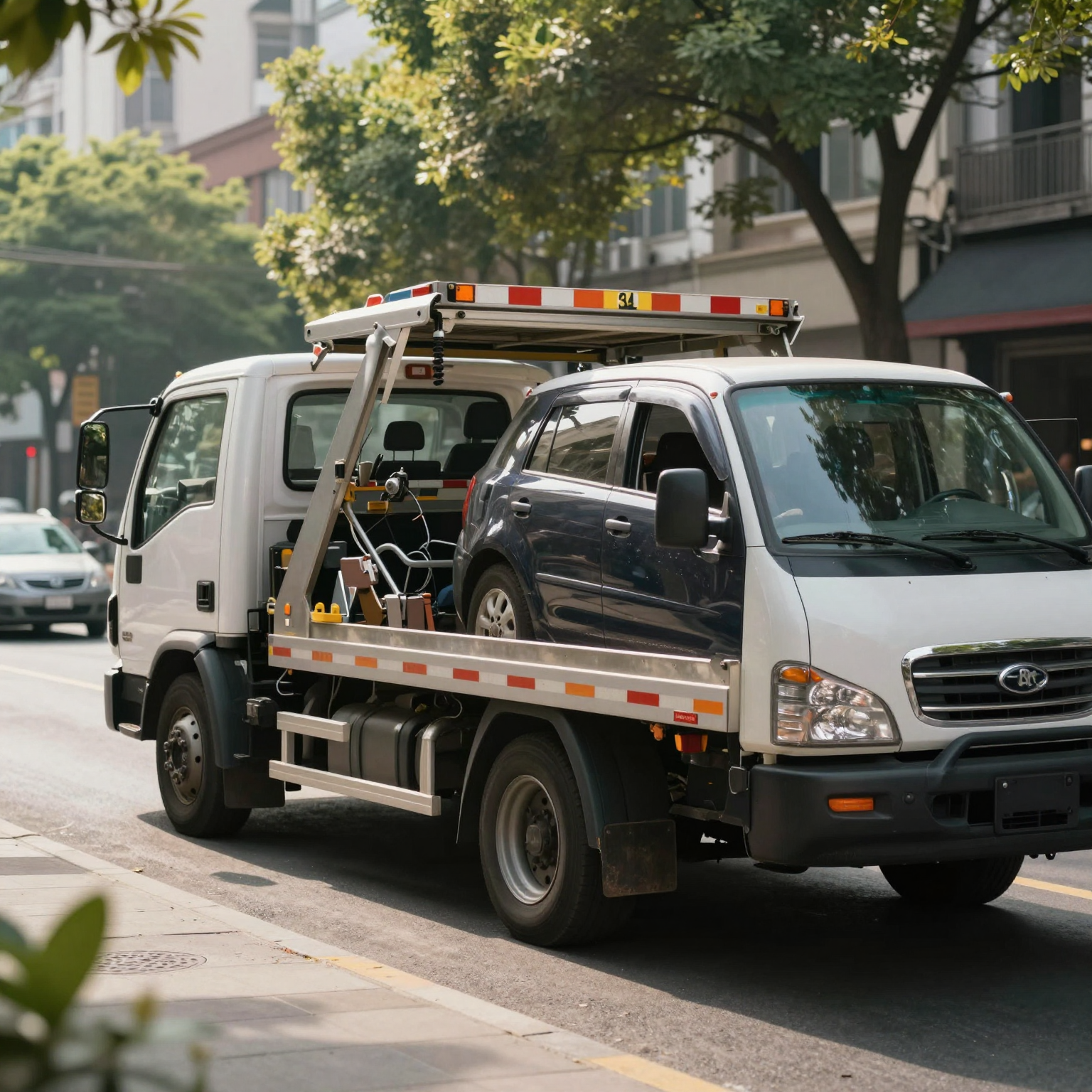

Essential Equipment for Tow Truck Companies
Starting a tow truck company requires several essential pieces of equipment to ensure efficient operations and safety. Here’s a comprehensive list of the key equipment along with their costs and functions:
- Tow Trucks
- Function: The primary vehicle used for towing. There are various types, such as integrated, wheel-lift, and flatbed trucks.
- Cost: Ranges from $75,000 to $300,000 depending on the type and features.
- Heavy-Duty Chains/Straps
- Function: Used for securing vehicles during transport to prevent damage.
- Cost: Approximately $200 – $500 for a set.
- Winch
- Function: Essential for pulling a vehicle onto the tow truck.
- Cost: Around $1,000 to $3,000.
- Batteries Jump Starter
- Function: Used to start vehicles with dead batteries, crucial for roadside assistance.
- Cost: Approximately $150 – $400.
- Traffic Cones
- Function: To alert other drivers and keep the work area safe.
- Cost: Around $10 – $50 each.
- Tool Kit
- Function: Includes various tools for basic repairs and maintenance.
- Cost: About $300 – $800.
- GPS and Communication Systems
- Function: For navigation and communication with dispatchers.
- Cost: Varies, but typically $500 – $1,500.
- Safety Gear (Gloves, Vests, etc.)
- Function: Necessary for worker safety while on duty.
- Cost: Totaling around $200 – $800 per employee.
- Insurance
- Function: To protect against liability and vehicle damage.
- Cost: Varies based on factors like fleet size and location, typically starting from $1,500 per year.
- Accounting and Dispatch Software
- Function: Helps manage logistics, customer payments, and scheduling.
- Cost: Ranges from $100 to $500 monthly subscription.
By investing wisely in the right equipment, your tow truck company can operate efficiently and effectively, providing excellent services to customers. For more insights on towing services, you might learn more about our services in Burke or check our offerings in Alexandria.
Importance of Business Planning for Starting a Tow Truck Company
Starting a tow truck company can be a lucrative venture, but it requires careful planning and a solid foundation. A comprehensive business plan is vital for various reasons:
- Securing Financing: Lenders and investors often require a well-detailed business plan before providing financing. This document showcases your understanding of the business and its potential for success.
- Navigating Market Challenges: In a high-stakes, 24/7 industry, having a structured plan helps you anticipate challenges and adapt to market changes, such as shifts in demand or regulations. As noted in the 4 Key Benefits of a Solid Business Plan by Caterpillar, a good business plan leads to better resource management and decision-making.
- Defining Operational Strategies: A solid business plan provides a roadmap for operations, outlining how the business will be run day-to-day. This can include scheduling, staffing, and protocols for vehicle maintenance and safety measures.
- Establishing Financial Projections: It’s crucial to include detailed financial projections, such as projected income, expenses, and cash flow forecasts. Understanding the potential financial landscape helps in making informed decisions and gauging the company’s future profitability.
Key Elements to Include in Your Business Plan
When drafting a business plan for your tow truck company, ensure you cover the following key components:
-
Business Description: Describe your company, including the type of towing services you will provide, your target market, and your unique selling points.
-
Market Analysis: Detailed research on the towing industry in your area is critical. Identify competitors and assess their strengths and weaknesses. Understanding your target demographic, such as vehicle owners or commercial fleets, allows you to tailor your services effectively.
-
Marketing Strategy: Define how you will attract and retain clients. Outline your pricing model, promotional strategies including local partnerships, social media advertising, and community involvement to build your brand.
-
Operational Plan: Present a detailed plan for daily operations, including how dispatch will work, vehicle maintenance schedules, and customer service protocols. This section may discuss employment hiring practices and training for staff members to ensure quality service.
-
Financial Projections: Provide detailed financial forecasts, including anticipated startup costs, income projections, and a break-even analysis. This helps potential investors understand the capital needed to start and sustain the business. Reference to how to create a box truck business plan can enhance its depth.
-
Funding Request: If seeking additional funding, clearly state how much you need, what it will be used for, and how it will help your business succeed.
In conclusion, a well-structured business plan not only sets the groundwork for your tow truck company but also instills confidence amongst stakeholders. As you embark on this journey, remember that your business plan is a living document and should be updated as your business grows and market conditions change.
| Towing Service Type | Average Cost Range |
|---|---|
| Roadside Assistance | $50 – $100 |
| Medium Distance Towing (10-25 miles) | $100 – $150 |
| Flatbed Towing | $150 – $300 |
| Long Distance Towing (50 miles and beyond) | $300+ |
Note: Costs may vary based on location, time of day, vehicle type, and service provider. Rates are based on recent real-world data from 2025-2026.
Sources:
Legal Requirements for Starting a Tow Truck Company
Starting a tow truck company requires navigating a maze of legal requirements that can vary significantly from state to state. It’s essential for aspiring entrepreneurs to familiarize themselves with the necessary permits, licenses, and insurance needed to operate legally. Below, we break down these critical aspects to assist you in successfully launching your towing business.
1. Business License and Registration
Before anything else, you need to establish your towing company as a legal entity. This typically involves choosing a suitable business structure (like an LLC or corporation) and registering it with the state. It’s advisable to secure an Employer Identification Number (EIN) from the IRS, which can help you with tax obligations and hiring employees in the future.
2. Tow Truck Operator Licenses
Most states require operators to hold a specialized tow truck operator license. For instance:
- California mandates a Class B Commercial Driver’s License (CDL) along with a unique tow truck operator permit.
- Texas requires a Towing and Recovery Operator License issued by the Texas Department of Public Safety.
Learn more about Virginia Towing Services
You will likely need to undergo a background check and complete specific training programs, which can vary by state. It’s crucial to understand your local regulations, which can often include additional requirements such as vehicle inspection certifications.
3. Permits
In addition to your business license, several permits will be necessary:
- Vehicle Permits: Depending on the make and model of your tow trucks, you may need special permits related to vehicle safety standards. Often, a local regulatory authority will handle this.
- Zoning Permits: Many areas require you to comply with local zoning laws if you operate a tow yard or service out of a specific location. Ensure that your business address complies with local ordinances. According to the National Association of Motor Vehicle Administrators, complying with all local regulations is crucial to avoid penalties and disruptions.
4. Insurance Requirements
Running a tow truck company involves significant risks, and therefore adequate insurance coverage is a must:
- General Liability Insurance: Most states require at least some form of general liability coverage to protect against third-party bodily injury or property damage.
- Commercial Auto Insurance: This is a necessity for any vehicle used for business, covering risks specific to towing operations. Tow truck operators should ensure they carry higher liability limits compared to standard auto policies due to the unique risks involved.
Furthermore, consider additional coverages such as:
- Cargo Insurance: This protects against potential damage to the vehicles being towed.
- Hired Auto Liability Insurance: If applicable, this covers vehicles rented for business purposes. Explore towing services in Washington, DC
5. Continuous Compliance
Legal requirements for tow truck businesses can evolve, and ongoing compliance is necessary. Regular inspections and renewals of licenses and permits must be adhered to diligently. Additionally, keeping detailed records of operations and any incidents can protect your business in potential legal disputes.
Ultimately, navigating the legal landscape of starting a tow truck company might seem overwhelming, but with thorough research and diligent planning, you can position yourself for success. Remember to consult local resources and perhaps seek advice from existing operators or legal professionals to guide you through the process efficiently.

Effective Marketing Strategies for Tow Truck Services
Starting a tow truck company involves more than just acquiring the right equipment. To attract customers effectively, businesses must implement robust marketing strategies that increase visibility, build trust, and engage with the community. Here are some effective marketing strategies tailored specifically for tow truck services:
1. Embrace Digital Marketing
In today’s tech-driven world, establishing a strong online presence is crucial. Here are key digital marketing strategies:
- Website Optimization: Ensure your website is mobile-friendly and includes essential features like real-time dispatch tracking. This enhances user experience and helps in converting visitors into customers.
- Search Engine Optimization (SEO): Optimize your website for local search by ensuring your Name, Address, and Phone number (NAP) is consistent across all platforms. Implementing location-specific landing pages can also improve your chances of ranking high on search engine results pages (SERPs).
- Google Business Profile: Leverage Google Business Profile for spectacular local visibility. Regular updates, unique offers, and managing customer reviews can significantly enhance your credibility.
2. Local SEO Techniques
Engaging actively in local SEO can make your services more discoverable:
- Keyword Optimization: Focus on local keywords, like “towing services in [Your City]”, to attract residents needing immediate assistance.
- Online Reviews: Actively solicit reviews from satisfied customers. A high rating on platforms like Google can improve your visibility and attract more clients. Aim for a 4.8+ rating to enhance conversion rates.
- Utilize Social Media: Platforms such as Facebook and Instagram are invaluable for connecting with local communities. Share success stories, customer testimonials, and safety tips regularly.
3. Community Engagement
Engaging with the local community adds a personal layer to your brand:
- Partnerships: Collaborate with local auto repair shops and gas stations for cross-promotional opportunities. This can help you tap into their customer base and generate referrals.
- Events and Sponsorships: Participate in local events or sponsor community initiatives. This not only builds goodwill but also positions your business as a community-focused service provider.
- Referral Programs: Implement referral incentives for customers who spread the word about your services. This encourages satisfied clients to promote your business, expanding your reach through word-of-mouth marketing.
4. Emphasizing Safety and Trust
In an industry that often deals with urgent situations, establishing trust is paramount:
- Transparency: Be upfront about pricing and services offered. Providing detailed information on services can alleviate customer anxiety when they are in distress.
- Testimonials and Case Studies: Showcase customer testimonials and specific case studies on your website and social media. This demonstrates past performance and builds trust with potential clients.
- Building a Professional Image: Consider investing in video content to showcase your fleet and team. Professional videos can enhance credibility and offer a glimpse into your operations.
Conclusion
By leveraging a combination of digital marketing, local SEO, and community engagement techniques, tow truck services can effectively attract and retain customers. In this highly competitive landscape, these strategies will not only boost visibility but also foster lasting relationships with local communities.
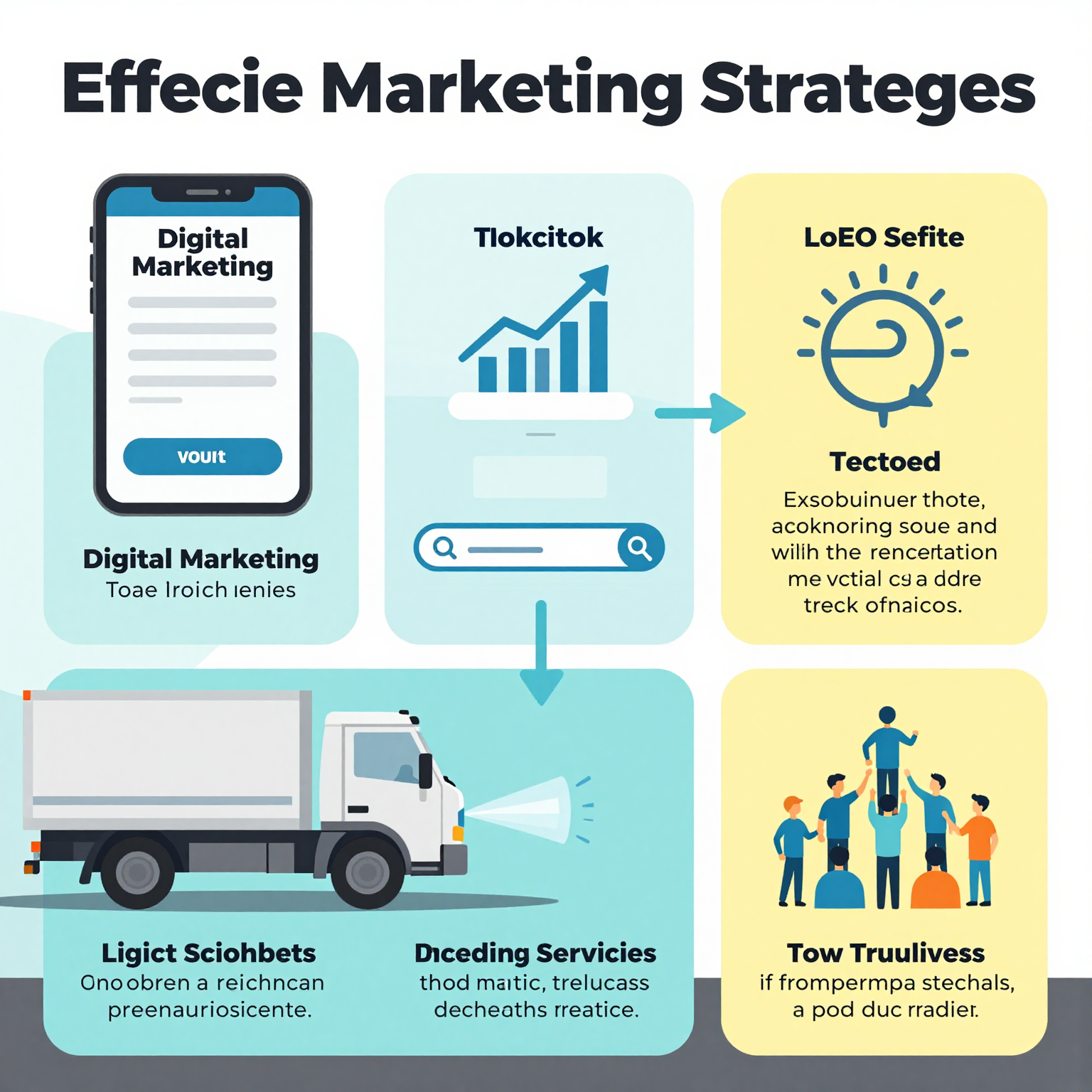
Infographic highlighting various marketing strategies for tow truck services.
Importance of Customer Service in the Towing Industry
As you venture into the towing business, remember that customer service plays a pivotal role in building your brand. Industry expert Lisa Miller emphasizes this point:
“In the towing industry, customer service is our brand. When a vehicle owner is in distress, a calm and professional communication can transform a poor experience into recognition for the service.”
- Lisa Miller, Industry Consultant
This highlights the necessity of providing clear estimates, timely communication, and respecting the dignity of your customers as foundations for long-term trust. For more insights on starting a towing business, you might want to check out our guide that provides in-depth strategies on customer experience management.
By prioritizing exceptional service from day one, you not only enhance customer satisfaction but also increase repeat business and create more stable revenue streams. Additionally, learn about towing services in Alexandria for a more local perspective.
Conclusion
Opening a tow truck company can be a lucrative venture with the right approach and preparation. Throughout this article, we’ve covered the essential steps involved in starting your towing business. You learned the importance of conducting thorough market research to identify your target customers, whether they are auto repair shops, insurance companies, or individual drivers. Creating a detailed business plan that outlines startup costs, revenue projections, and marketing strategies is crucial for long-term success.
Compliance with local, state, and federal regulations cannot be overstated. Securing the necessary licenses, including a commercial driver’s license (CDL) and a towing license, is essential for operating legally. You also need to invest in reliable and well-maintained tow trucks that meet safety standards and are equipped for different towing needs.
Furthermore, prioritizing excellent customer service will set you apart from competitors. This includes clear pricing policies, providing upfront quotes to avoid disputes, and investing in digital management systems for efficient operations. Building strong relationships with local businesses and emergency responders can also help you generate consistent work.
Ready to take the next step in launching your tow truck company? Don’t hesitate to contact our towing experts at Zoomlion for personalized guidance and assistance where you can obtain a quote tailored to your specific needs. Your business endeavor awaits-seize the opportunity today!