
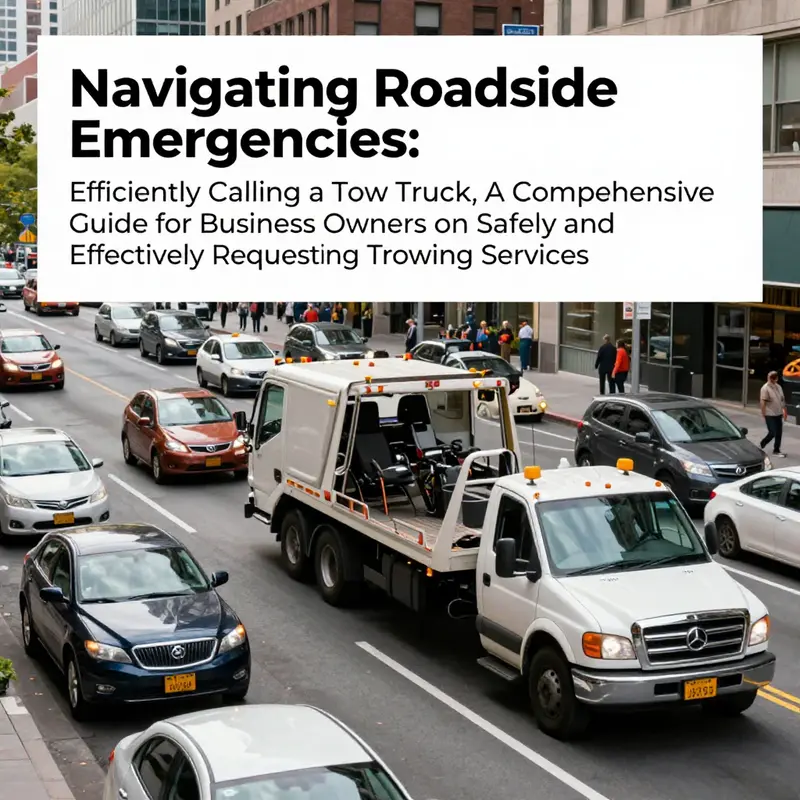
For business owners, vehicle downtime can be a significant setback. Knowing how to efficiently call a tow truck can save time and reduce stress during roadside emergencies. This guide unfolds in three crucial chapters, starting with the importance of safety when your vehicle is incapacitated. Next, we will explore how to prepare for your call to ensure you provide the necessary details for efficient service. Finally, we will discuss the key elements of communicating effectively with the dispatcher, ensuring you receive support promptly and safely.
null
null
null
null
Roadside Clarity: Talking Clearly with a Tow Dispatcher for Fast, Safe Help
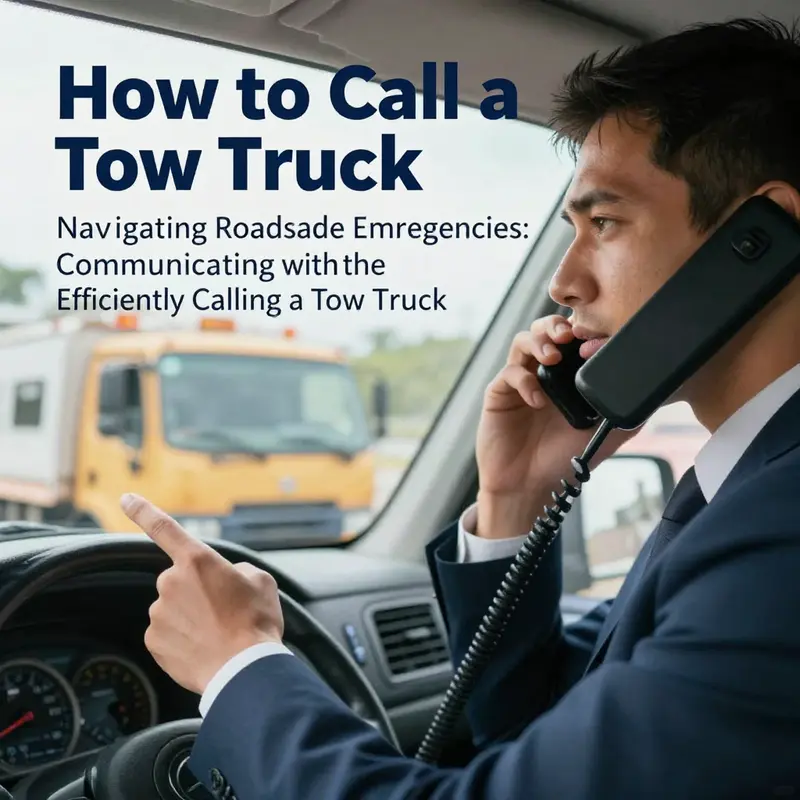
When you’re stalled on the road, the most important conversation you have that day may be the one you have with the tow dispatcher. The person on the other end of the line is your first link to getting back on the road, and how you speak can shave minutes off the wait, reduce confusion, and keep everyone safe. The dispatcher isn’t a mechanic or a magician; they are a coordination hub who translates your situation into the right service, the right equipment, and the right route. Framing your call with calm, precision, and honesty makes those crucial minutes count. Think of the call as a short, important exchange where you establish your needs, verify details, and set expectations. A little preparation goes a long way, especially when nerves spike and the vehicle sits in the open with hazards blinking. The goal is not drama but clarity, so you can move from uncertainty to a concrete plan that gets you to safety and back on the road as efficiently as possible.
Preparation begins before you dial. Have your vehicle information ready in one place: the exact year, make, and model, along with the license plate number. This bundle of facts may sound mundane, but it helps the dispatcher identify your car quickly, especially if your location isn’t perfectly pinpointed on a map. If you know the VIN, or at least a portion of it, you can offer it, though most calls will rely on the plate and the vehicle’s year and model. In addition to the car, think through what happened. Was there a stall, a tire issue, a collision, or a fluid leak? Dispatchers need a concise description so they can determine what kind of tow truck or heavy equipment to send. A simple, factual line like, “The car stalled and won’t start. No injuries, but I’m on the shoulder with hazards on” gives them the right starting point without leaving room for ambiguity. When you speak, your tone matters as much as your words. A steady voice communicates that you’re in control and reduces the chance of miscommunication under stress.
Location, the item most likely to derail a call, deserves special attention. The best information is precise and easy to verify. Instead of saying, “I’m on the highway,” say something more concrete: “I’m on the northbound I-95 shoulder near Exit 47, at the rest stop.” If you’re in a city, name the street, the cross street, and a known landmark. GPS coordinates are ideal if you have them, but don’t let a lack of precision paralyze you—describe the nearest intersection or distinctive building and give the best landmark you can recall. In unfamiliar terrain or sparse areas, you can help the dispatcher by describing the terrain around you, such as “roundabout on a two-lane road with a convenience store on the northeast corner.” The dispatcher will translate that into the data a driver can navigate by. As the call unfolds, you’ll often be asked to confirm your location after the initial description. Treat this as a chance to lock in the information rather than slip into doubt; repeating back a succinct summary helps ensure there are no miscommunications about where you are and which vehicle is yours.
The moment you describe the situation, you set the boundary between what you need and what you don’t. If you’ve had a flat tire and can’t safely change it, say so outright. If the car won’t start, state that plainly. If there’s an accident, note whether anyone is injured. If you notice a fluid leak, mention it, because it can indicate a more serious issue and might affect not only how the tow is performed but how the vehicle is moved. The dispatcher then checks the availability of the appropriate equipment. A standard tow is different from a rollback or a flatbed tow, and in cases of complex damage or stuck vehicles, you’ll want to specify the exact service you’d prefer, if you have a preference at all. If your plan is to store the vehicle at a particular repair shop, tell them the shop’s name and address first; if you’re unsure of the destination, ask for guidance and one or two recommended options. The clearer you are about your needs, the faster the right truck can be dispatched.
Once the core facts are on the table, you’ll want to confirm the essential details before the line goes quiet. A simple paraphrase can prevent a costly misunderstanding: “So to confirm, I’m in a 2017 Honda Accord, plate XYZ 123, on the northbound shoulder near Exit 47 of I-95, I need a standard tow to Clearwater Auto Repair on Main Street, and I’d prefer a tow that can accommodate a sedan. Is that correct?” The act of repeating not only checks accuracy but also signals to the dispatcher that you’re actively engaged in the process. After confirmation, ask about the estimated arrival time. Time is a constraint in roadside situations. Knowing when help will arrive helps you decide how long to stay with the vehicle, where to stand away from traffic, and what contingency steps you might need if you have a pet or small children nearby.
Pricing and payment are the other practical anchors of the conversation. No one loves to discuss costs in a moment of stress, but understanding the base rate, any mileage charges, and payment options before the truck arrives can prevent uncomfortable surprises. Ask whether you’ll be charged a base fee plus per-mile costs, and whether the company accepts cards, cash, or mobile payments. If you’re part of a membership program or insurance plan that includes roadside assistance, remind the dispatcher of that context. The dispatcher may verify membership details or direct you to an approved provider, which can streamline the process and often reduce out-of-pocket costs.
As the call progresses, it helps to share a few additional signals that improve safety and efficiency. If you’re in a high-traffic area, request the safest lift and tow approach. If there’s an overhead clearance issue or a low bridge on the route, mention it so the driver can plan accordingly and avoid delays. If you’re alone or away from a trusted person, tell the dispatcher you’d appreciate a phone check-in when the truck is en route or on scene. In some cases, you might be asked to unlock the vehicle or to provide access to a gate or secure location; know your limits and never do anything that compromises your safety. The dispatcher will not ask you to perform hazardous tasks, but it’s helpful to clarify what access, if any, you’re able to provide in a secure way.
In urban environments, the dispatch process is further optimized by local knowledge. The dispatcher will often provide route guidance in real time, and they may refer you to a nearby service that can meet you faster or with equipment better suited to your terrain. If you’re in a region where you know a reliable local service, you can discreetly mention that you’d prefer a direct dispatch to a trusted operator. This is not a demand, but a preference that can shorten response time. A thoughtful, straightforward conversation—grounded in the facts, your needs, and your safety—creates a smooth chain from your lips to a truck rolling toward you. It’s also worth noting that many drivers find it useful to have a short note in their phone with essential information, including make/model, plate, a few landmarks for quick reference, and their preferred destination. If you keep this in a accessible place, you can copy and paste the important details, reducing the possibility of miscommunication.
For readers who want to explore a model example of clear, practical calls, consider tapping into resources that curate local service details such as the Washington, DC area, where a focused dispatch to a local service can be the difference between a long roadside wait and a prompt, professional response. internal links like this can guide you to nearby providers and help you understand how proximity and coverage affect dispatch decisions. towing service in Washington, DC demonstrates how a regional page frames the type of information a dispatcher expects and the kind of services you can request, from standard to specialized towing. By aligning your call with the dispatcher’s workflow, you reduce friction and speed the arrival of help.
The communication arc doesn’t end with the call. Once the dispatcher has all the essentials, you’ll receive a confirmation and the estimated time of arrival. If you must step away from the vehicle, move to a safe spot with the doors locked and the hazard lights on. Do not attempt to restart the vehicle, and resist the temptation to attempt repairs in traffic-heavy zones. The safest path is to wait for the professional, who can evaluate the situation with tools and training, and transport you to a destination where the vehicle can be inspected and repaired safely. Keeping a small list of reputable local tow companies in your phone or wallet is a prudent precaution. It speeds up the process the next time you need assistance and helps you avoid unlicensed or unmarked operators that could overcharge or place you in danger. The experience of speaking with a dispatcher, when done calmly and precisely, becomes the most reliable bridge between a vehicle’s breakdown and the next safe steps.
External resource: for broader guidance on roadside assistance and member benefits, you can consult AAA Roadside Assistance at https://www.aaa.com/roadside-assistance/.
Final thoughts
Navigating vehicle breakdowns doesn’t have to be overwhelming. Understanding how to safely call a tow truck ensures you can handle roadside emergencies effectively. Remember, prioritizing safety, being prepared with necessary vehicle details, and communicating clearly with the dispatcher are crucial steps. These practices not only protect you but also facilitate a quicker response, minimizing disruption to your business operations.