
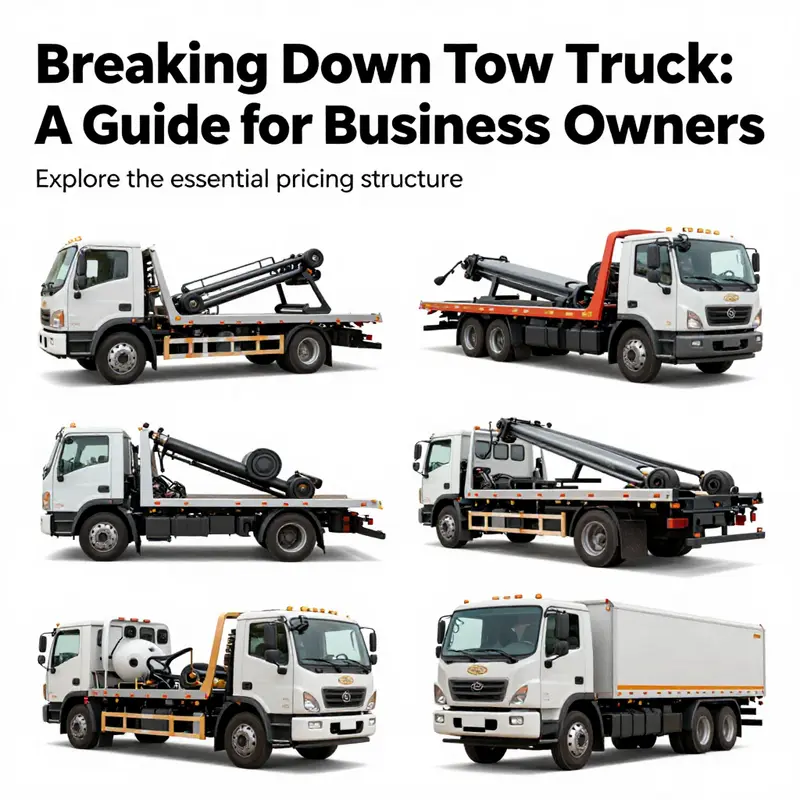
Understanding the financial demands of towing operations is crucial for any business owner involved in roadside assistance or vehicle recovery. With various types of tow trucks available, ranging from basic flatbed models to advanced rotator trucks, knowing their associated costs is essential for budgeting and decision-making. This article provides a detailed analysis of the costs associated with basic flatbed tow trucks, advanced rotator tow trucks, and commercial heavy-duty models, equipping business owners with the knowledge needed to make informed equipment purchases that align with their operational needs.
Understanding the Cost of Basic Flatbed Tow Trucks: From Purchase Price to Per-Mile Tows
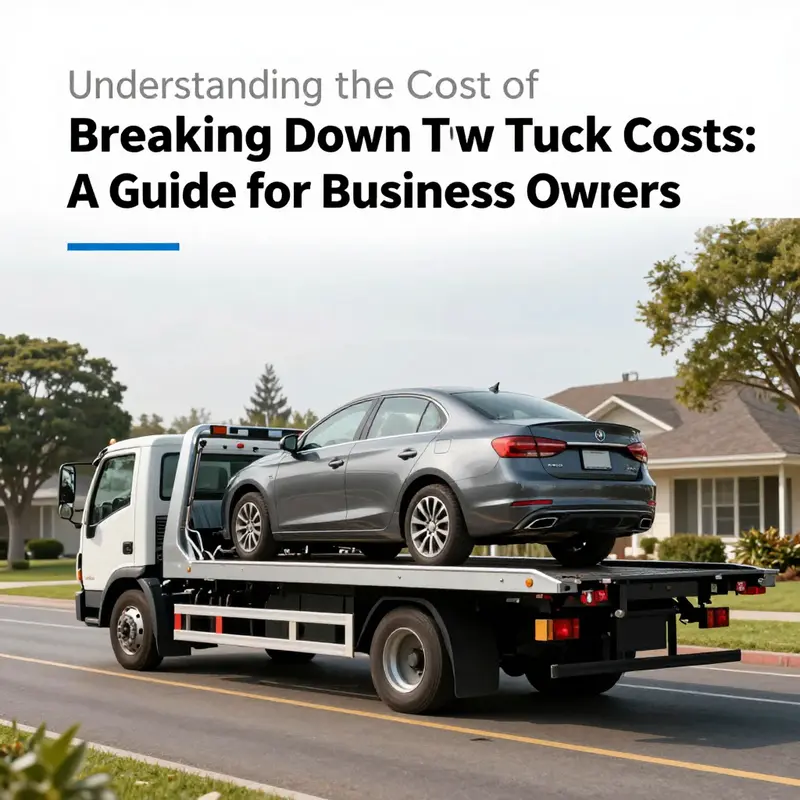
When you consider the overall cost landscape surrounding basic flatbed tow trucks, it helps to separate what it costs to own the vehicle from what you pay when it’s activated to move another car. A basic flatbed tow truck sits at the heart of everyday towing needs because it protects both the towed vehicle and its own drivetrain during transport. Yet the price you see on a purchase contract or a service bill is not a single figure. It reflects years of design decisions, fuel use, maintenance, and the way a company prices time and distance. For an operator who relies on steady availability, the initial sticker price is only a starting point. For a customer needing a tow, the per mile rate and any applicable surcharges often determine the final cost more than the base service call fee itself. In practice, both sides face a marketplace where efficiency, safety, and reliability must be paid for, and where the value of a well-maintained flatbed shows up not just in a single trip but in a fleet’s capacity to handle multiple calls with minimal downtime.
The most immediate cost distinction is ownership versus operation. Basic flatbed tow trucks are designed to be safe for a wide range of vehicles, including low clearance cars and those with all wheel drive. Their hydraulically tilting beds and winching capability enable controlled loading with less risk of further damage to a car’s transmission or body. That safety feature, while essential, is built into a price bracket. When you examine the purchase range for a standard flatbed, you will often see figures that span roughly from twelve thousand eight hundred dollars to just under forty thousand dollars. This spread captures variations in chassis size, wheel count, crane options, and the sophistication of the hydraulic system. A buyer weighing a smaller, simpler setup versus a fully outfitted unit designed for high-volume tonnage will encounter a meaningful difference in both upfront cost and ongoing depreciation. For buyers, this means budgeting not only the initial investment but also the ongoing maintenance, insurance, and tires that wear differently on a heavy-use platform.
But the picture does not end with the purchase price. For anyone who uses a flatbed tow truck to assist customers, the bigger and more variable expense is the cost of each tow. The core cost driver is distance. In most standard highway tows, the base rate tends to sit in a practical corridor around four to seven dollars per mile. That implies fuel, wages, and the general cost of operating the vehicle over time. The weight and type of the vehicle being towed also shift the math. Heavier cars, SUVs, or trucks complicate loading and securing, often requiring extra labor and possibly different equipment. A routine tow of a compact car down a city street may look very different from a longer rural tow or a recovery that involves off-road terrain or limited access. In situations like these, the same basic flatbed might be deployed, but the price card will reflect the additional time, labor, and equipment needs.
Time of day and location are another pair of influencers that show up when the clock runs late or when the call comes from a remote area. Nighttime or holiday tows frequently carry surcharges because they demand out-of-hours staffing and heightened safety measures. It is not unusual for these conditions to push the base rate upward by twenty to fifty percent, depending on the company and the specific circumstances of the call. In practice, a short urban tow might start around eight hundred dollars before any add-ons, while more complex scenarios can rapidly escalate. Additions such as crane work, extra winching, or the use of a second operator can further tilt the final bill. A single flatbed transaction may also include a small set of ancillary fees for out-of-area travel, special equipment, expedited service, and, in some cases, insurance coverage for high-value vehicles. Each of these line items is a reminder that the cost of a tow is a composite of many small decisions and policies designed to balance speed, safety, and risk.
For those weighing whether to purchase a flatbed or to rely on a towing service, a useful perspective is to read the numbers side by side. Owning a basic flatbed means you shoulder fixed costs: purchase price within the twelve to forty thousand dollar range, regular maintenance, tires, fluids, licensing, and insurance. On the service side, you pay for the mobility and readiness of a trained operator plus the variable costs that align with distance, vehicle size, service time, and any additional equipment. A practical takeaway is to prepare for both dimensions. If your operation centers on frequent, predictable towing within a tight area, the ownership route can yield long-term savings and reliability. If your needs are intermittent or geographically dispersed, working with a trusted local provider offers flexibility without the capital strain of ownership. Either way, the aim is clarity in pricing. Always request a detailed cost breakdown before service or purchase so you can see how much is tied to distance, time, and equipment versus the base call fee.
To ground this discussion in a real-world reference, consider how a local provider might frame pricing for a standard call. You will typically see a base dispatch fee, a per-mile rate, potential surcharges for after-hours work, and add-ons for anything beyond a straightforward load and transport. If a customer asks for a short urban tow, the starting point may appear modest but can escalate quickly as distance, vehicle weight, or the need for specialized rigging enters the equation. For a business owner evaluating ownership versus third-party service, it helps to model a few representative scenarios: a recurring short-distance fleet call, a mid-range rural tow, and a high-complexity recovery on a busy highway. In each case, the math is driven by distance, equipment needs, and labor intensity, with the base price serving as the foundation on which all contingencies build. If you want to see how a local operation communicates these factors, explore a nearby provider under the umbrella of a Burke VA towing service and review how a local quote is structured. This kind of practical example can illuminate the path from sticker price to final invoice.
For readers seeking a broader industry benchmark, external price overviews can provide context beyond the local market and the specifics of a single call. See the external resource for a general sense of tow truck price ranges and how market forces shape the numbers you encounter in real life: https://www.british-towing.co.uk/tow-truck-prices/ .
Internal link reference for local context: when you need a local response and a transparent breakdown of costs, consider a nearby option such as the Burke VA towing service. This example demonstrates how a regional provider conveys both the base rate and the variables that change per incident, reinforcing the idea that understanding tow costs requires reading the full cost picture, not just a single line item.
Beyond the Boom: Understanding the Cost and Value of Advanced Rotator Tow Trucks
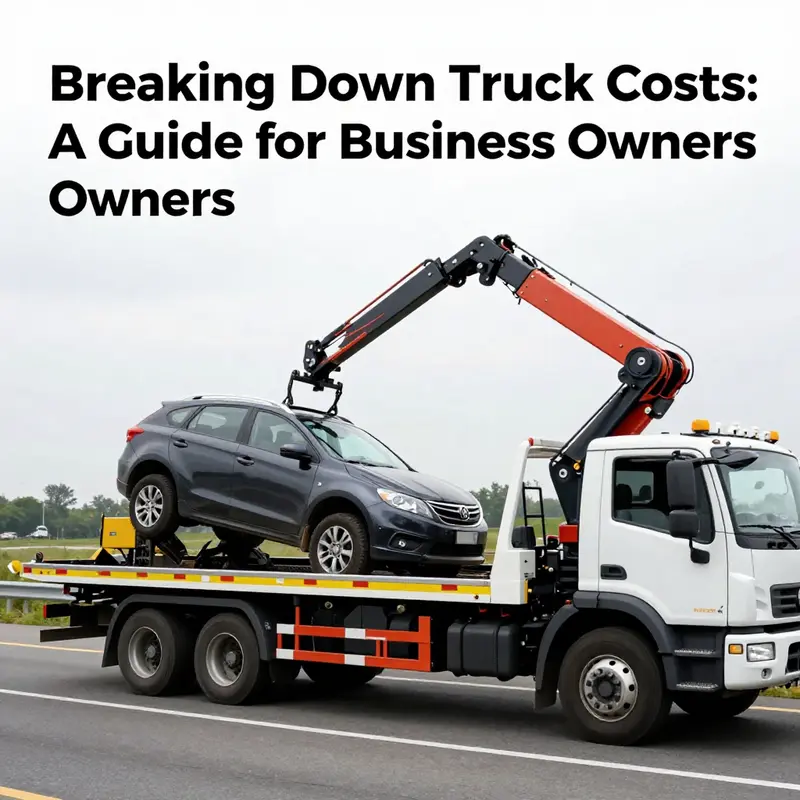
Rotator tow trucks sit at the pinnacle of recovery technology, marrying heavy hydraulics with a 360-degree rotating boom and a suite of precision controls. They are built to reach, lift, and stabilize vehicles in some of the most challenging environments, from mid-accident highway scenes to crowded industrial yards where space is tight and time is critical. The rotating boom is not just a gimmick; it is a strategic tool that lets operators pivot a load into a safe, stable position without repositioning the entire vehicle. In practical terms, this means wrecked or overturned vehicles can be removed more quickly, with less secondary damage to surrounding objects and structures. The result is a capability that transforms the way a towing operation responds to emergencies and complex recoveries. Yet with great capability comes commensurate cost, and the price of admission rises sharply as the engineering complexity, lift capacity, and safety systems escalate.
Pricing for advanced rotator models reflects the blend of power, precision, and reliability embedded in these machines. In common industry practice, a rotator tow truck typically commands an initial price range from roughly $150,000 to well over $500,000, depending on the model’s specifications, configuration, and optional features. A 40-ton rotator designed to recover heavier vehicles and commercial equipment tends to cluster in the hundreds of thousands, often between $200,000 and $350,000 for capable, well-equipped units. For the most demanding applications—those that must lift loads well beyond ordinary cars or SUVs, such as large commercial trucks, buses, or even heavy construction machinery—the price can tip past the half‑million mark, especially when high-end safety automation, remote operation capabilities, and sophisticated stabilization systems are included. These figures represent the broader investment in the chassis, the specialized boom apparatus, integrated monitoring, and the control architecture that makes precise, safe repositioning possible in unpredictable conditions. It is not just about raw lifting power; it is about reliability under pressure, the ability to withstand rugged terrains, and the assurance that a complex maneuver can be executed without compounding risk for responders on scene.
Beyond the sticker price, there are significant ongoing costs that shape total ownership. Rotators require specialized maintenance programs, because the hydraulic systems, rotating mechanisms, and safety interlocks operate under demanding loads and frequently adverse conditions. Fuel consumption tends to be higher for rotators than for standard flatbeds or light-duty tow trucks due to their powertrain demands and the energy required to operate the hydraulic drive systems for extended periods. The crews that run them need formal, ongoing training to maintain proficiency with the boom’s geometry control, load calculations, and stability monitoring, along with the CDL or other certifications necessary for heavy-duty operations. These training expenses, while often overlooked in a simple price quote, factor into the true cost of ownership and the fleet’s readiness to deploy in critical moments.
A practical aim for most buyers is to weigh upfront expenditure against the long-term value delivered by reduced downtime and faster, safer recoveries. When time is of the essence, rotators unlock a different kind of efficiency: the ability to approach a wreck from multiple angles, to cradle a vehicle from above or behind, and to stabilize loads in positions that would force a conventional wrecker to improvise around geometry constraints. For fleet services, highway safety units, and large industrial sites, this capability translates into higher productivity, which counterbalances the higher initial investment over the life of the truck. Yet the decision to acquire a rotator is not universal. In some operations, leasing, rental, or selective subcontracting for high-risk recoveries can provide access to the capability without the full ownership burden. Financial models often emphasize total cost of ownership, not just purchase price, considering depreciation schedules, maintenance reserves, and the expected frequency of use.
Strategic planning around rotator ownership should address more than the machine itself. Real-time monitoring and safety features have become standard in newer designs, offering remote diagnostics, load sensing, and load path visualization that improve on-scene decision making. These enhancements can influence not just safety but uptime, as proactive maintenance reduces the likelihood of unplanned outages when a critical recovery is needed. When evaluating potential configurations, buyers should seek a detailed cost breakdown that includes chassis upgrades, winch capacity, crane reach, stabilization options, and any specialized attachments. It is also wise to consider training pipelines for operators, especially given the need for precision and risk management when handling loads near or beyond maximum capacities. An informed purchaser will balance the lure of top-end capabilities with the practicalities of daily operations, storage footprint, fuel logistics, and the availability of skilled technicians for maintenance.
For geographic context, many operators look to nearby regional resources to understand pricing and service scope in their markets. For example, a DC-area reference page offers insight into how rotator capabilities are priced and presented within a metropolitan towing ecosystem: tow-truck-washington-dc. This kind of regional lens helps fleet managers calibrate expectations about installation, shipping, and integration with existing service networks.
Ultimately, the question of how much a rotator tow truck costs hinges on balancing capability with need. A well-chosen rotator pays dividends in faster responses, safer recoveries, and higher on-scene throughput, while a misalignment between capacity and demand can saddle a fleet with underutilized assets and inflated maintenance costs. As the market for heavy-duty recovery equipment evolves, buyers should approach with a clear view of use cases, a disciplined evaluation of lifecycle costs, and a readiness to invest in training and safety systems that ensure every recovery operation is executed with control and care. For readers seeking broader market context on trends in heavy-duty tow truck pricing and specifications, exploring industry analyses can provide a fuller picture of where rotator technology is heading and how prices are evolving in the years ahead.
External resource: https://www.metalworkingnews.com/industry-analysis-heavy-duty-tow-truck-market-trends-2026
Tow Truck Price Labyrinth: What Commercial and Heavy-Duty Models Really Cost
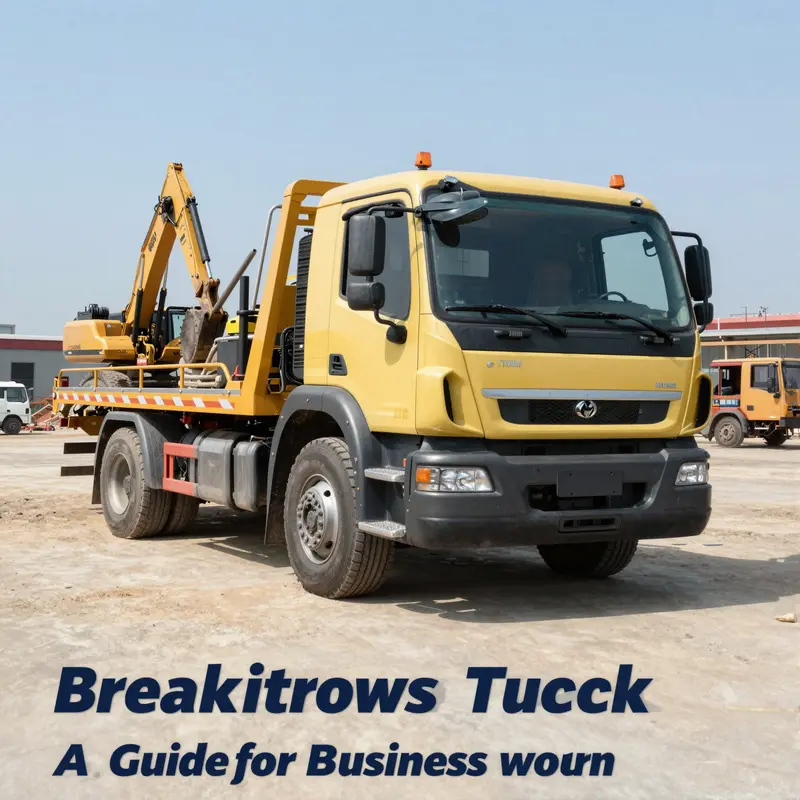
For fleet operators, the sticker price is only part of the picture. The cost of commercial and heavy-duty tow trucks depends on type, configuration, and how they will be used. The three main categories represent distinct use cases and budget implications, from urban recovery to highway emergency response to industrial heavy lifting. New price ranges provide a framework, but the total investment also includes ownership costs that accrue over years.
ConventionalTow trucks with an integrated towing mechanism generally demand between $75,000 and $150,000 when bought new. They offer quick mounting, strong lifting capacity, and a compact form suited to city streets, while maintaining maintenance that is typically straightforward. The upfront cost is meaningful for smaller fleets, but it is still a substantial investment that benefits from strong service networks, clear warranties, and reliable parts sourcing.
Flatbed Tow trucks carry a price range around $80,000 to $160,000 new. The hydraulically tilting bed reduces ground contact and protects drivetrains on AWD or low-clearance vehicles. The larger bed and tougher chassis push the price higher, but the payoff is in safer recoveries, lower risk of vehicle damage during loading, and longer service life. Over time, their durability and versatility can translate to lower maintenance costs and higher resale value, making them cost effective for dealerships and roadside fleets that handle a mix of job types.
Rotator or rotary wreckers sit at the top end, with new units typically in the range of $150,000 to $300,000 or more. The 360-degree rotating boom, extended reach, and capacity to recover vehicles in difficult positions come at a premium. These machines are indispensable for highway incidents and challenging terrain, but their size, heavier power demands, and need for skilled operation require a more disciplined approach to staffing, training, and safety.
Beyond the sticker price, several factors shape the total cost of ownership. Fuel consumption grows with larger engines and heavy hydraulic systems. Routine maintenance, hydraulic components, and wear items add up, especially on rotators that see long hours and demanding duties. Training for operators and ongoing safety certifications are essential investments. Insurance costs, financing terms, and depreciation schedules further influence monthly carrying costs, often making a cheaper unit more expensive over time if it demands frequent repairs or early replacement.
Market dynamics also influence pricing. Global suppliers with integrated production lines can offer shorter lead times and competitive quotes, delivering export-ready configurations in weeks rather than months. Buyers benefit from options like left- and right-hand drive variants and compliance with local regulations, reducing the need for rework after delivery. A thoughtful procurement approach—shopping from multiple suppliers, requesting detailed cost breakdowns, and confirming after-sales support—helps shield fleets from surprises around shipping, duties, and maintenance obligations. For a practical example of local service implications in a major metro area, you can explore the DC tow truck service page: tow-truck-washington-dc.
Strategic procurement becomes even more important for larger fleets or operations in emerging markets. Platforms that connect buyers with a range of manufacturers and fabricators can offer scalable delivery models and warranty frameworks. The aim is to balance upfront price with reliability, uptime, and the quality of after-sales support. Because every operation has a different mix of daily calls and peak loads, a detailed, apples-to-apples cost comparison is the best compass. In practice, that means asking for a line-by-line quote that separates base price, additional gear, extended warranties, delivery charges, financing, and any service contracts.
Budget-conscious buyers often underestimate the value of a well-matched configuration. A unit designed to maximize load stability, minimize loading time, and reduce vehicle damage during recovery can yield meaningful savings in downtime and repair costs over the vehicle’s life. Conversely, chasing the lowest upfront price without regard to long-term reliability can create a hidden depreciation curve that undermines the fleet’s service levels and readiness. The optimal choice aligns workload profiles with the right class of tow truck, supported by a robust cost breakdown from several suppliers and a clear understanding of total cost of ownership across the asset’s life.
For readers exploring broader procurement options, it helps to recognize that modern marketplaces and manufacturing ecosystems can streamline sourcing while maintaining quality and compliance. The decision should be anchored in practical test scenarios, maintenance schedules, and operator training plans, not just the headline price. The aim is to secure a configuration that meets service targets, protects client vehicles, and preserves the fleet’s readiness under varying demand cycles. External considerations such as financing, insurance, and resale value also shape the long-term affordability of commercial and heavy-duty tow trucks. External resource: https://www.alibaba.com/showroom/tow-trucks.html
Final thoughts
In summary, understanding tow truck costs is integral to enhancing business operations in the towing industry. From the affordability of basic flatbed trucks to the hefty investment required for advanced rotator models and commercial heavy-duty vehicles, each type serves distinct functions catering to specific needs. Business owners must assess their service offerings and operational challenges to choose the most suitable towing solutions. This knowledge empowers them to navigate their investment decisions strategically, maximizing both safety and profitability in their towing operations.