
In the world of roadside assistance, the question of whether to tip a tow truck driver often arises. Business owners, especially those reliant on vehicle operations, may find themselves unsure about this etiquette. Unlike other service sectors, where gratuities are the norm, tipping a tow truck driver is less standard but can be vital in showing appreciation for exceptional service. This article unpacks the nuances of tipping etiquette specifically for tow truck drivers, examines scenarios where exceptional service merits a tip, and delves into company policies concerning gratuities, ensuring you are well-informed and respectful of the practices within this industry.
Gratitude on the Road: Decoding How Much to Tip a Tow Truck Driver
When you are stranded on a shoulder or in a parking lot, a tow truck arrives as a practical lifeline. The scene is often tense: blinking hazards, a fading phone battery, and the clock ticking. A competent driver moves with calm assurance, assesses the vehicle, secures the scene, and communicates what options exist. In that moment, the service feels more about safety and problem solving than about a personal service encounter. The gesture you make after the job finishes should reflect that reality. Tipping tow truck drivers is not a universal norm, and it sits in a zone where gratitude competes with policy and practicality. The fee you pay to the tow company covers distance, weight, and urgency. The driver’s role is to manage safety, protect people and property, and execute the necessary recovery with skill. In this context, any gratuity becomes a thoughtful signal of appreciation rather than an obligation.
Most tow companies do not rely on tips for income, and many drivers do not expect tipping as part of the engagement. A tip is more an expression of satisfaction than a social requirement. If you decide to tip, a modest range—roughly five to twenty dollars—tends to be appropriate when outstanding effort is evident. Keep in mind that the driver’s wage structure matters. In some cases, the driver is paid by the job or by the company, and the policy discourages additional gratuities. The purpose of a tip, when given, is to acknowledge care, clarity, and professionalism that go beyond the basics. It should feel like a personal thank you rather than a payment for service you reasonably expected.
The decision to tip also depends on the context of the tow. A routine tow on a dry, clear day is not the same as a winching operation on a busy highway in bad weather. If a driver not only hauls the vehicle but also offers thoughtful guidance—such as quick, practical advice about safe routes, relevant local resources, or how to handle a stressful roadside moment—that extra effort can justify a small gratuity. If the driver assists in a way that reduces risk or resolves a challenging scenario with professionalism and patience, consider a tip that acknowledges that extra mile. It is in these moments that generosity aligns with responsible behavior, showing you recognize the value of skilled, attentive service when lives and possessions are on the line.
Before you tip, it helps to know the policy of the company you’re dealing with. Most towing services do not promote or require tipping, and some may even discourage accepting tips to avoid pressure on staff. If there is any doubt, a brief, courteous question to the dispatcher or roadside operator can clarify expectations. If you choose to tip, do so directly to the driver whenever possible, in cash or via a method the driver accepts. A discreet, respectful approach matters. If the policy indicates tips are not accepted, you can still express gratitude through a compliment to the dispatcher or a brief note about the driver’s professionalism. An appreciative word can travel further than a tip in some organizational cultures, reinforcing that good service is noticed and valued.
For readers looking to act locally, practical details vary by region and company. If you want to explore service options in your area, you can check a nearby provider’s page to understand how they handle roadside assistance. For example, a local towing service in Washington DC offers information about their service scope and contact options online, which can help you plan ahead and recognize what constitutes a straightforward transaction versus an exceptional intervention. towing service Washington DC. This kind of resource can be a helpful reference when you are deciding how to structure your response to the situation on the road.
When you are not sure how to proceed, prioritize safety and courtesy. A calm explanation of what happened, a brief note about the service you received, and a timely expression of appreciation can all contribute to a positive interaction. If you end up tipping, keep it modest and unobtrusive. Hand the tip directly to the driver with a simple phrase of thanks, avoid complex transactional theatrics, and avoid offering it at the initial moment when the work is still underway. The goal is to acknowledge the driver’s competence after the job has concluded, when there is time to reflect on what was accomplished rather than what was promised.
Many people choose to balance generosity with practical alternatives. If tipping feels inappropriate or inconvenient, you can still leave a positive review, a courteous compliment to the dispatcher, or a note of thanks for the driver’s conduct and communication. These forms of recognition reinforce quality service and help future customers understand what to expect from a reputable operator. Online feedback often travels farther than a single cash gesture, and it costs you nothing beyond a few sincere sentences. In the end, tipping remains a personal decision, driven by your experience and the quality of service delivered in a moment of stress. It is a gesture of gratitude that should be chosen with care, not as a routine expectation, and it should always respect the policies of the company involved.
External resource for further perspective on tipping etiquette can be found in the coverage of this topic by established media outlets, which discuss how gratuities operate across different service sectors. This broader context can help readers weigh expectations and stay aligned with local norms and professional standards. https://www.nytimes.com/2023/06/14/business/tow-truck-tipping-etiquette.html
When Exceptional Service Becomes Etiquette: Deciding If and When to Tip a Tow Truck Driver
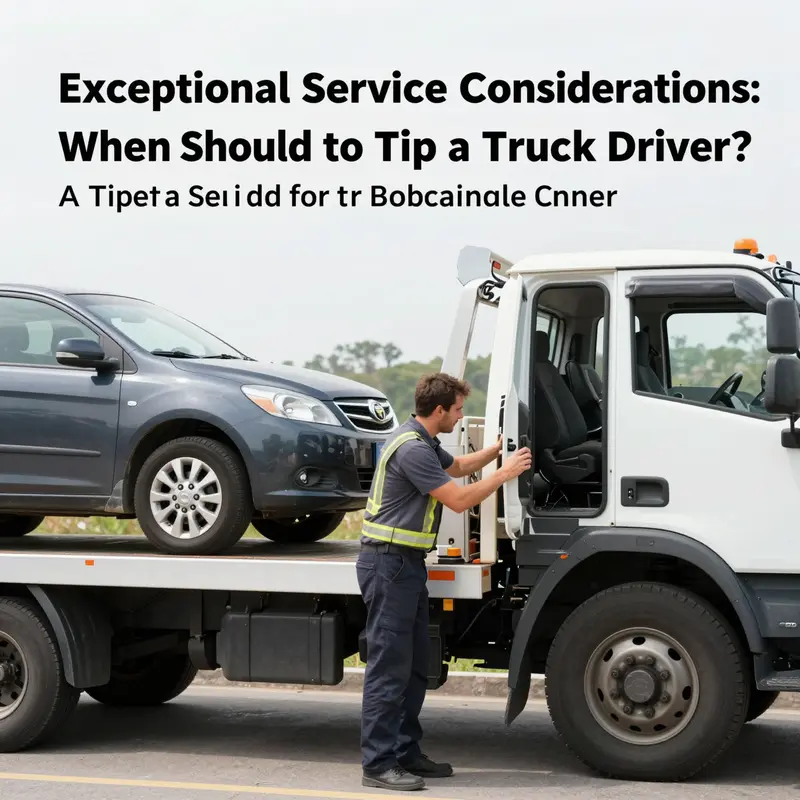
A roadside setback tends to feel like a sprint through a storm. The tow truck arrives, its exhaust warmer than the night air, and the driver steps out with a calm efficiency that steadies the moment. In many places, tipping a tow truck driver isn’t a standard expectation. The encounter is often treated as a logistical service: you pay for a tow, you move on. Yet there are moments when a driver’s conduct transcends the ordinary, turning an already stressful situation into something that feels gracious and human. In those moments, a tip can be less about obligation and more about recognizing a level of service that reduces fear, clarifies the path forward, and treats your vehicle with careful respect. The decision to tip, and how much, rests on a few simple truths about service, circumstance, and gratitude rather than a fixed rule.
The prevailing etiquette is clear: tipping is discretionary in towing, and many companies even discourage tips to avoid awkward exchanges. The absence of a universal standard means you won’t be judged for not tipping in routine cases, but you may still feel inclined to acknowledge superior conduct. Exceptional service can reshape what could otherwise be a curt, transactional interaction into a moment of reassurance. Consider how a driver communicates when the road is slick, or when your car is in an awkward position, or when you’re juggling insurance forms and deadlines. If a tow operator explains costs up front, answers questions with patience, and keeps you informed about the process every step of the way, you’ve witnessed what many customers value most: clarity, reliability, and empathy under pressure.
What constitutes exceptional service in this high-stress but highly practical line of work? It can be as simple as arriving promptly in a moment of urgency, especially during bad weather or in a remote location. It also matters when the driver handles your vehicle with care, avoiding further risk to doors, mirrors, or undercarriage while still maneuvering with efficiency. The best drivers don’t just hook and haul; they offer practical guidance about what to expect next, whether you’ll be able to reach your destination soon, and what your insurance or roadside assistance will cover. They may also point you toward money-saving options for the tow, or suggest the most cost-effective path if you need multiple services. When a driver provides such assistance with courtesy and clarity, you see that the interaction isn’t merely transactional—it’s supportive.
If you’re contemplating tipping in these moments, the general range can be instructive without becoming prescriptive. A modest acknowledgement—typically $5 to $20—may be appropriate for solid, dependable service that meets you where you are and keeps you informed. When service exceeds expectations—when the driver arrives faster than expected, offers insightful advice about towing costs, insurance procedures, or where to obtain reliable repairs, and treats your vehicle with exceptional care—many people consider a tip in the $20 to $50 range generous and fair. It’s a gesture that signals appreciation without implying a future obligation. The key is to frame the amount as a token of gratitude for a job well done under challenging circumstances, rather than as payment for tasks that were beyond standard duties.
Before you reach for cash or a digital tip, pause to consider policy and setting. Some towing companies prohibit accepting tips to avoid awkward situations or misinterpretations on billing. If you’re uncertain, a quick call to the company or a discreet check at the scene can save future discomfort. If tipping isn’t allowed, there are meaningful alternatives. A sincere verbal thank you can acknowledge the driver’s effort, and a positive review on a platform or a mention in social channels can help others in the aftermath of a difficult incident. The driver and the company both benefit from clear, respectful communication about expectations, so expressing appreciation through words can be as impactful as a monetary gesture in the right context.
In the broader landscape of service etiquette, tipping norms diverge by field and by circumstance. Rideshare drivers often rely on tips more heavily, and food-service workers may have different expectations depending on ownership structures and operating models. Towing sits at the crossroads of urgency and safety: it’s practical and often non-glamorous work, yet the right attitude at the right moment can transform a stressful experience into one where you feel seen and respected. It’s not about a rigid dollar figure but about recognizing conduct that saves you time, reduces anxiety, and preserves your vehicle’s integrity.
For those curious about localized guidance, there are practical resources to consult that help frame expectations without pressuring the moment. If you’re researching options in a specific area, you can explore local services such as this one for Washington, DC, to get a sense of what professional towing looks like in that market. towing service in Washington, DC.
Ultimately, tipping remains a discretionary act—an act of gratitude rather than a requirement. When it feels earned, a tip acknowledges not just the task completed but the manner in which it was delivered: with speed, safety, and a steady, human touch when you needed it most. If you do choose to tip, let the amount reflect your appreciation of the driver’s demeanor and expertise in navigating a high-pressure scenario. If you choose not to tip, a clear, respectful exchange and a line of polite thanks can serve as a constructive alternative. Either way, the core message endures: gratitude, thoughtfully expressed, can soften the edge of an emergency and leave everyone with a sense of validation and calm. For broader etiquette considerations in service contexts, a trusted reference such as the New York Times guide on tipping during extreme weather offers additional perspectives on how generous acts are viewed across contexts and communities: https://www.nytimes.com/2026/03/03/your-money/tipping-delivery-drivers-extreme-weather.html.
Policies, Practicalities, and Principles: Navigating How Much to Tip a Tow Truck Driver
Tow incidents are high-stress moments where timing, safety concerns, and the need for help collide. Tipping should be a discretionary gesture that aligns with policy, the driver’s conduct, and the broader realities of roadside service. Many legitimate towing firms discourage or prohibit tipping to avoid conflicts or confusion; if a policy allows tips, follow the official channels and keep the amount modest.
Company policies vary widely. Before or during the service, ask whether tipping is permitted. If the policy is silent, treat any tip as optional and only offer one if the driver clearly goes beyond basic expectations. When electronic or company-approved tipping methods exist, use those channels to support transparent accounting.
If you decide to tip, a small amount—often in the range of $5 to $20 for exceptional service—can be appropriate, but not universally required. The emphasis should always be on discretion and appropriateness, and never on pressuring the driver. If tipping isn’t suitable, a verbal thanks can still recognize their help. For readers seeking policy context, you can refer to labor guidance on tips provided by the U.S. Department of Labor.
Final thoughts
In conclusion, while tipping a tow truck driver isn’t a widespread practice, understanding the scenarios where it becomes a thoughtful gesture is crucial for business owners. Whether the service provided exceeded expectations, involved extensive help during a challenging situation, or showcased remarkable professionalism, knowing how much to tip—generally between $5 to $20—can go a long way in showing appreciation. Additionally, being aware of company policies regarding tipping is equally important to avoid any potential conflict or discomfort. By navigating these aspects effectively, you can enhance your relationship with service providers and foster a respectful business environment.